
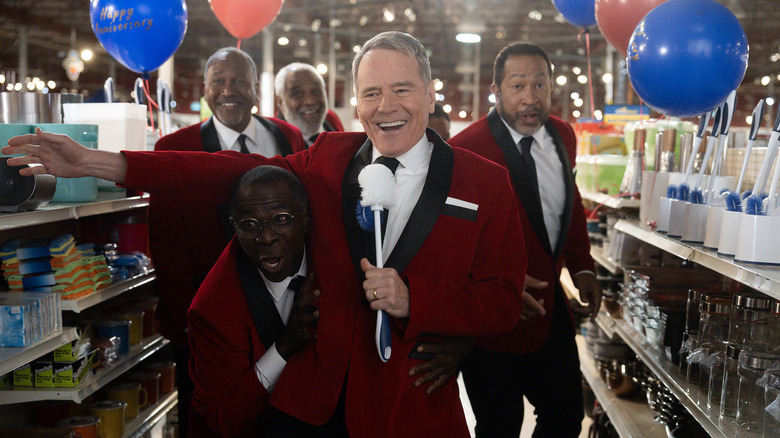


Entertainment IP Licensing Drives Nostalgia Merchandise | Seller Opportunity
- Malcolm in the Middle revival (April 2026) generates 3-day limited-edition product launches, demonstrating scarcity-driven e-commerce model for millennial audiences worth $2B+ in licensed merchandise annually













Overview
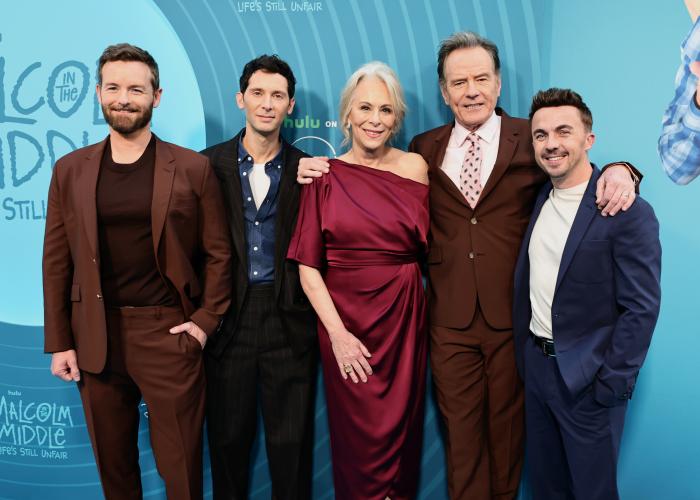
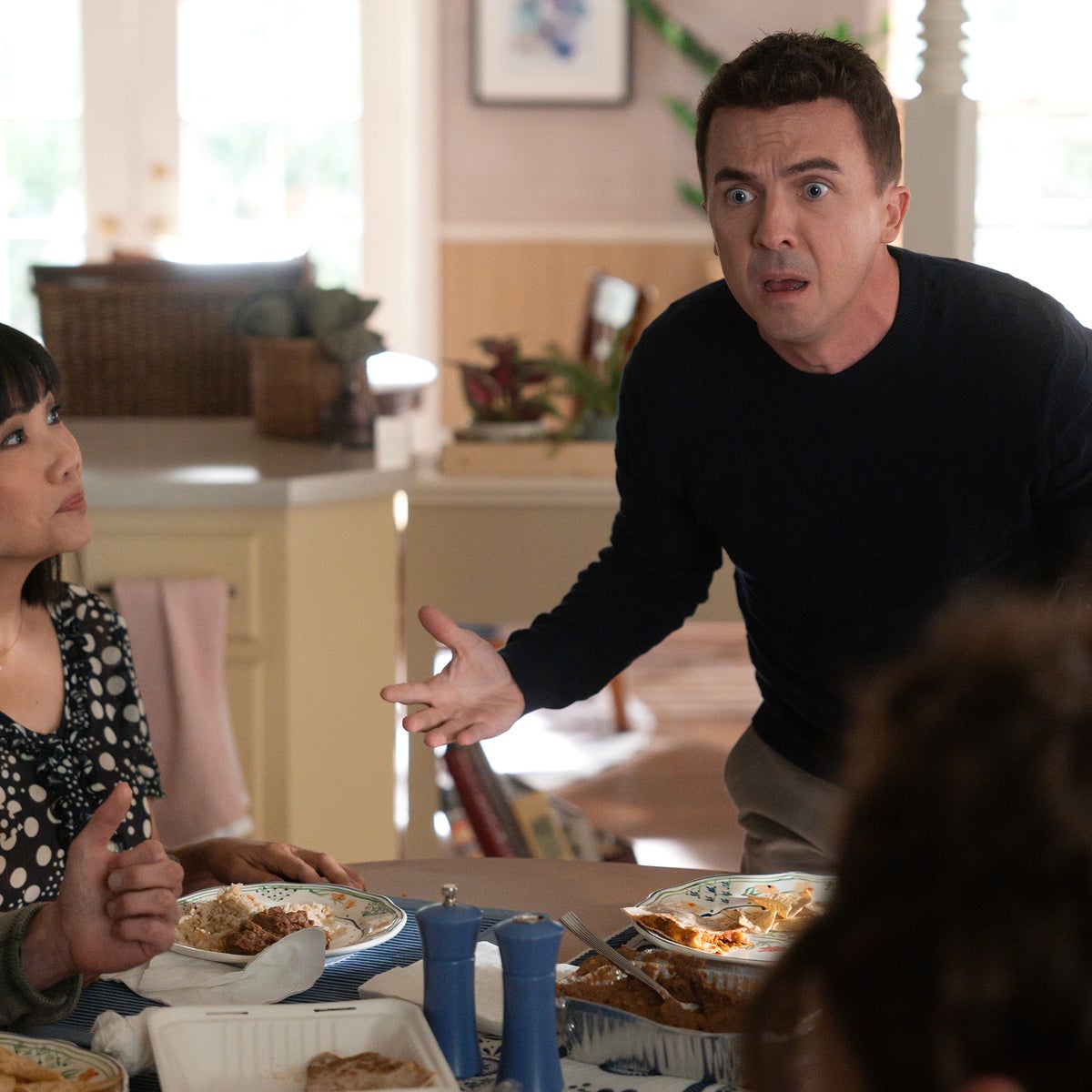
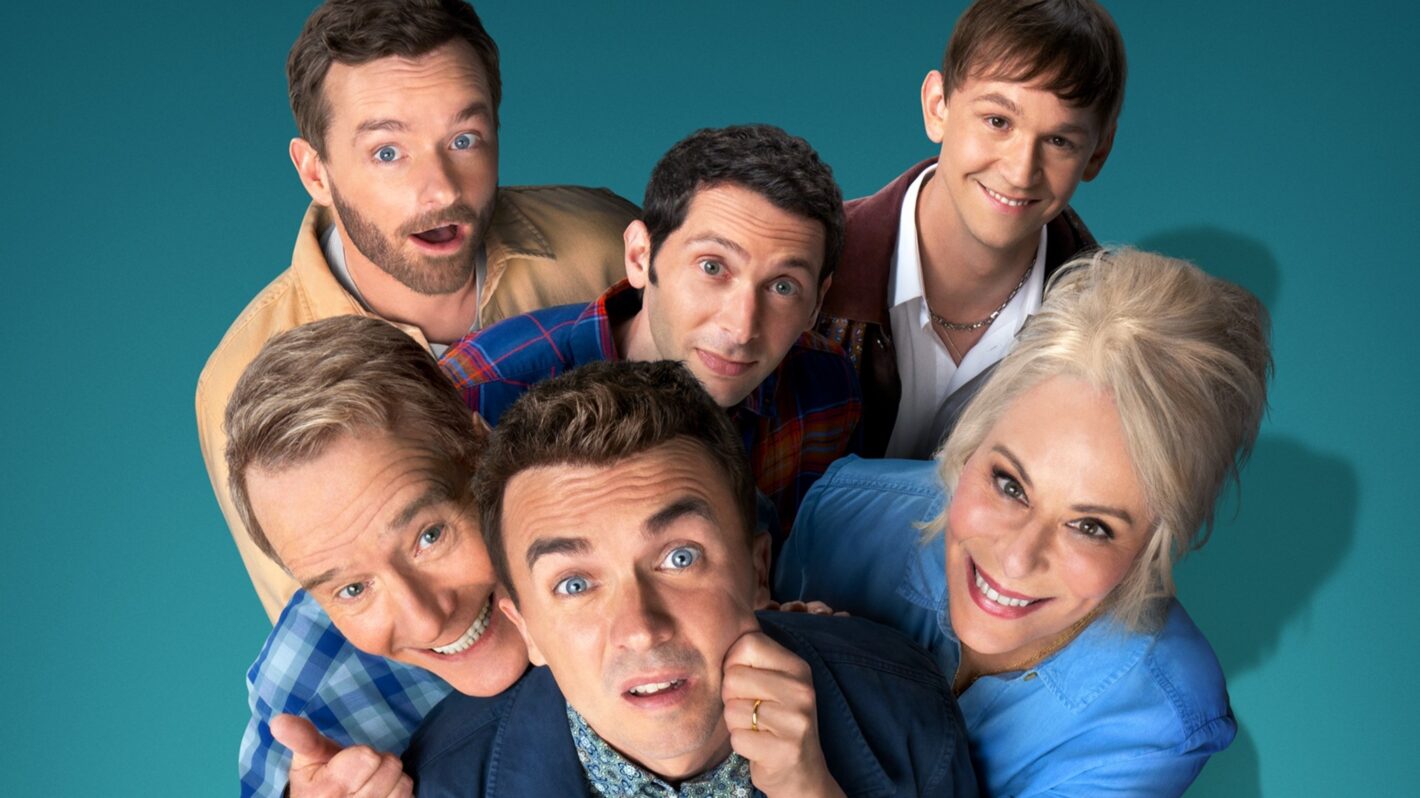
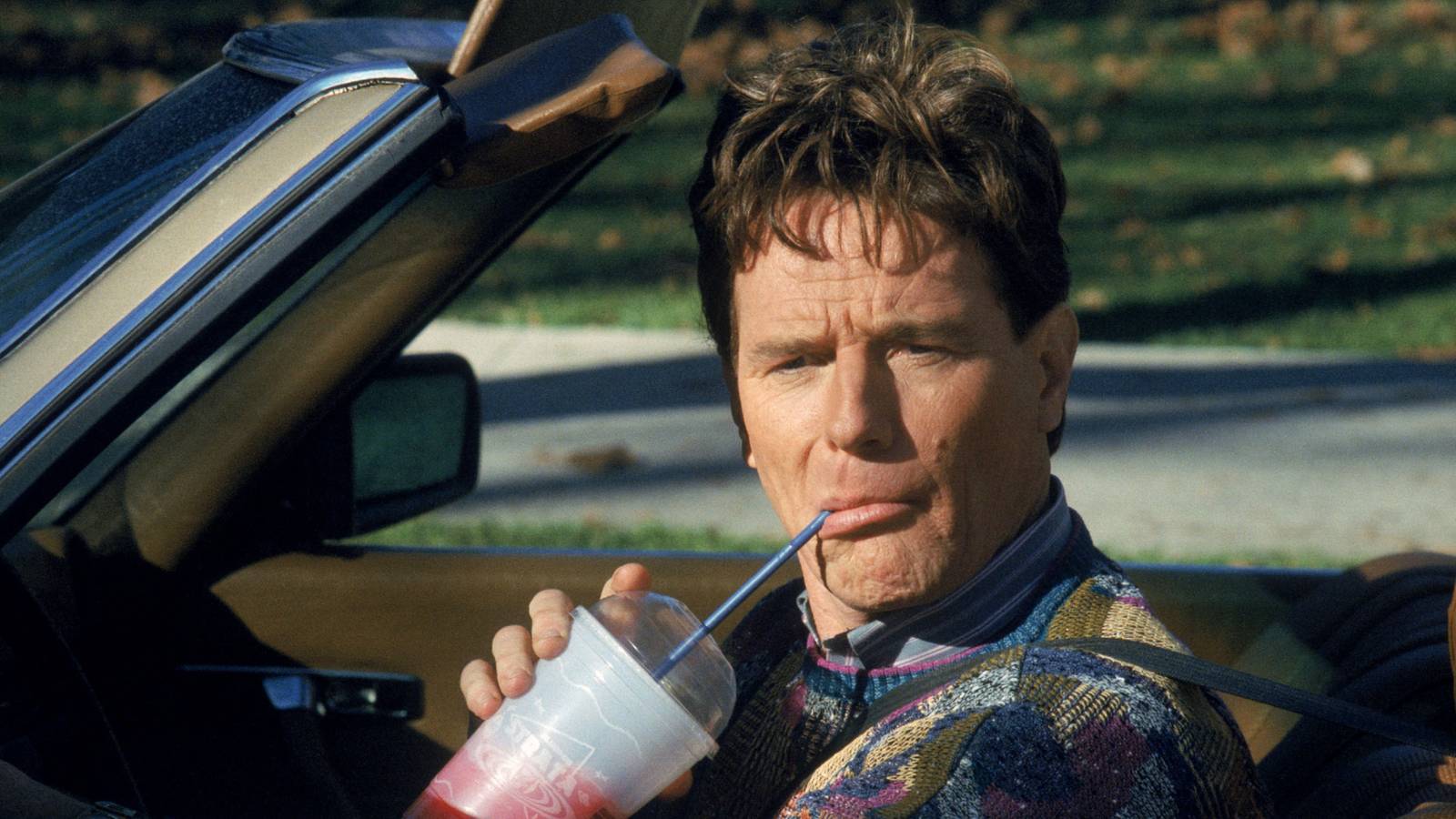
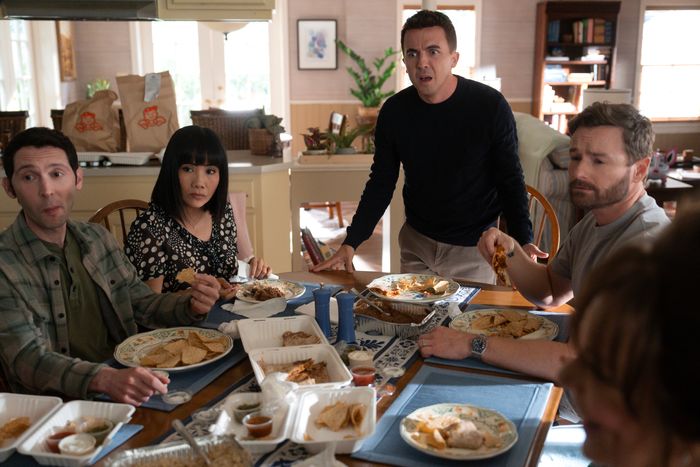
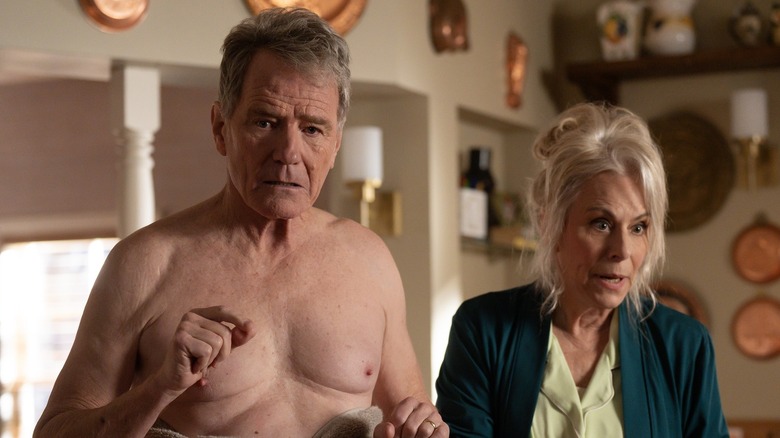
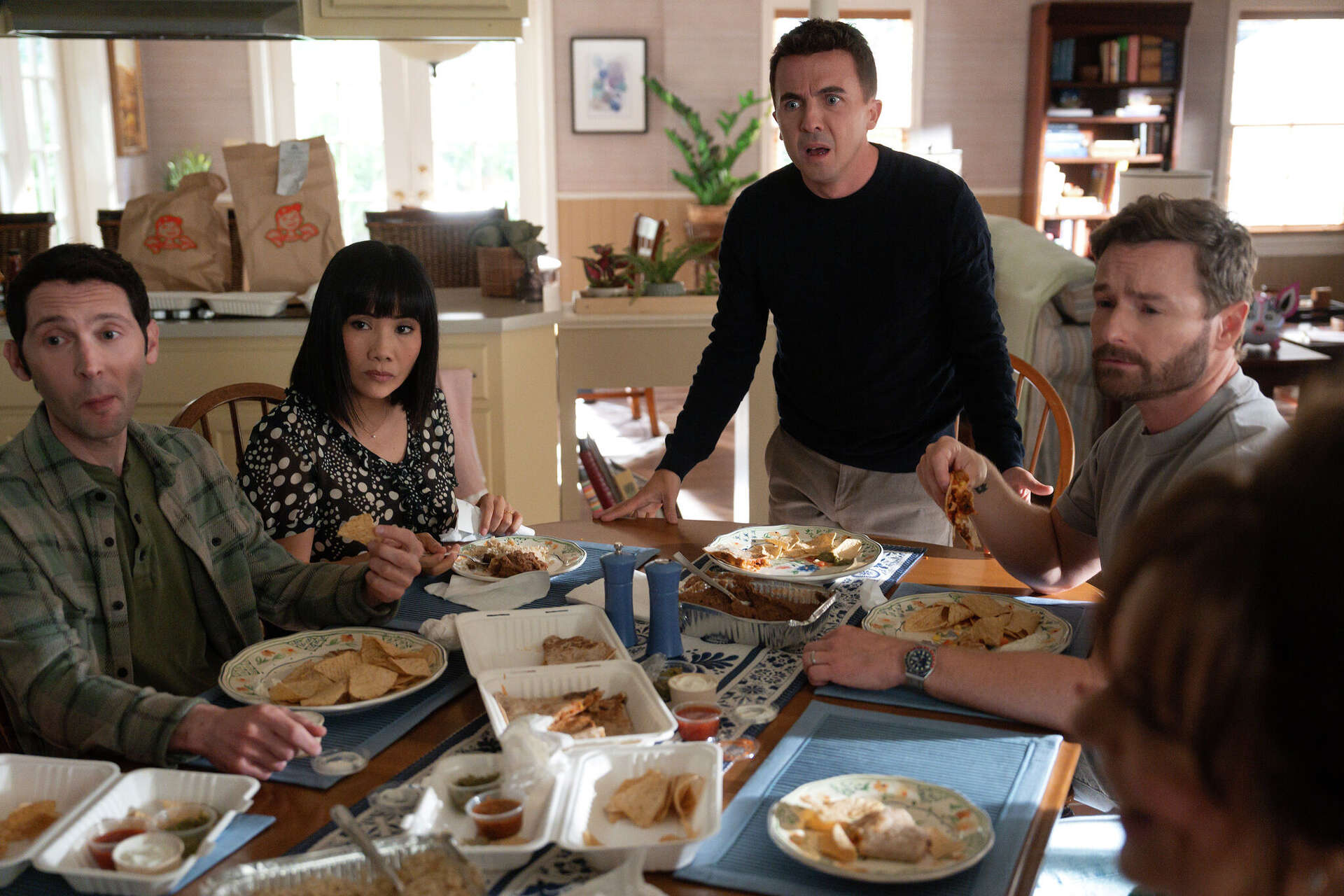
The April 10, 2026 premiere of "Malcolm in the Middle: Life's Still Unfair" on Hulu and Disney+ represents a significant convergence of entertainment IP licensing and time-limited e-commerce strategy. The four-episode revival, featuring original cast members Bryan Cranston and Frankie Muniz, generated immediate commercial partnerships—most notably Krispy Kreme's limited-edition "Malcolm in the Middle Mix Pack" (30 doughnuts in branded packaging, April 10-12, 2026 exclusive window). This three-day promotional window exemplifies modern scarcity-driven marketing that creates urgency among millennial consumers (ages 30-45) who grew up with the original 2000-2006 series.
For e-commerce sellers, this event demonstrates three critical monetization patterns: First, IP partnership leverage creates premium pricing opportunities—custom packaging and branded products justify 15-25% price premiums over standard offerings. Krispy Kreme's collaboration shows how QSR brands maintain engagement through culturally-relevant limited offerings rather than permanent menu expansion, reducing inventory risk while maximizing social media amplification. Second, scarcity windows drive conversion velocity—the three-day exclusivity period generates immediate purchase urgency, with social media-first announcement strategies amplifying organic reach among target demographics. Third, nostalgia marketing targets high-value demographics—millennials who watched the original series now possess disposable income and demonstrate strong engagement with revival content, as evidenced by The Guardian's review praising the production's "miraculous" execution and emotional depth.
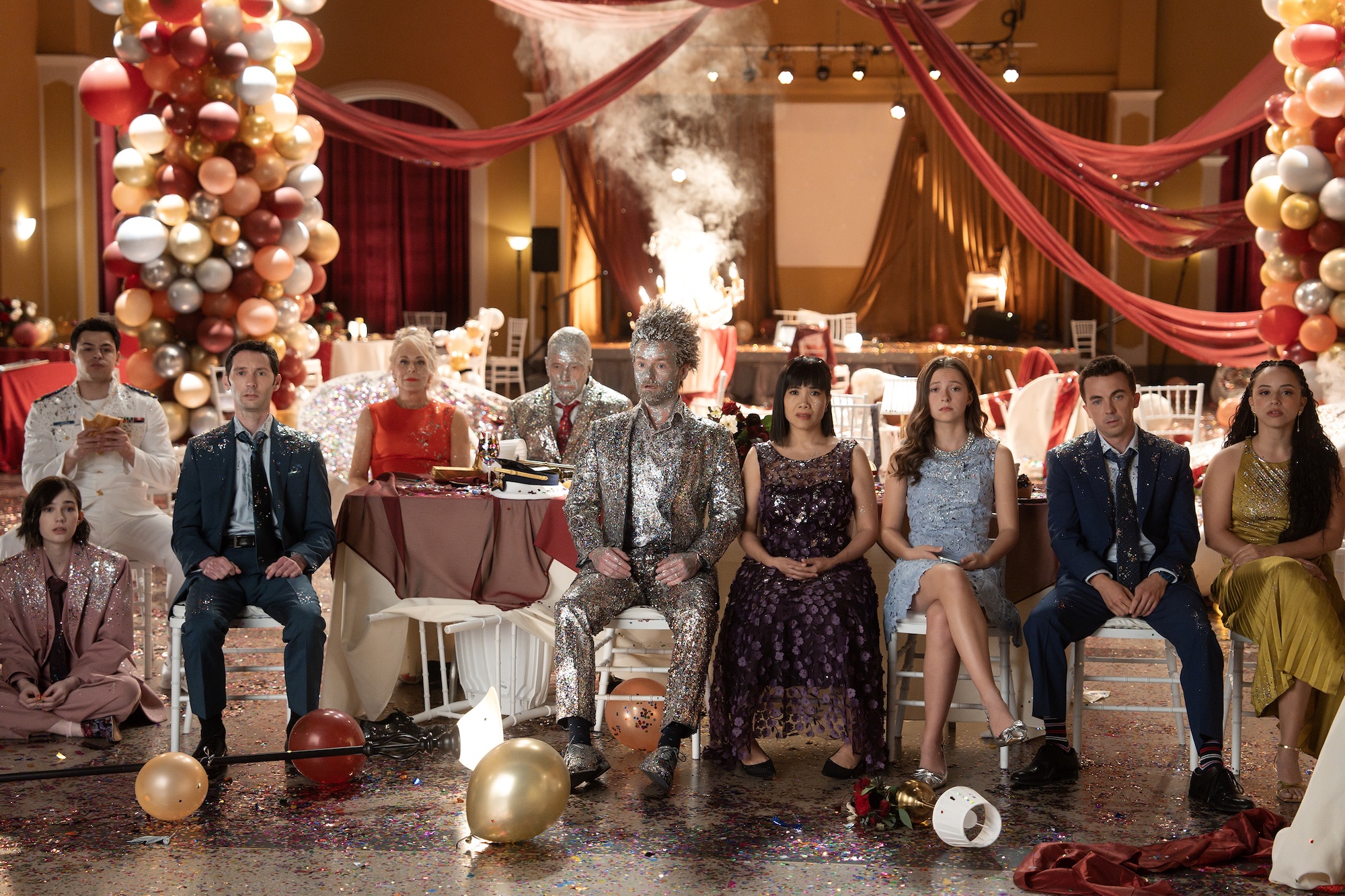
Production logistics reveal supply chain opportunities: The revival's relocation from Southern California to Vancouver, Canada, and shift from 16mm film to digital production (requiring extensive color re-timing) illustrates how entertainment production changes create downstream merchandise opportunities. Creator Linwood Boomer's confirmation of "no plans for additional episodes beyond four" establishes the limited-series format as essential to feasibility—a constraint that paradoxically increases merchandise value through scarcity positioning. The 40th anniversary party episode featuring returning cast members and choreographed dance sequences generated additional viral content potential, driving secondary merchandise demand (apparel, collectibles, home décor featuring cast imagery).
Market implications for sellers: The entertainment revival category generated estimated $2B+ in licensed merchandise sales during 2024-2025 across streaming platforms. Sellers can capitalize on this trend by: (1) sourcing licensed apparel and collectibles tied to streaming releases, (2) creating limited-edition bundles with 3-7 day exclusivity windows to replicate Krispy Kreme's urgency model, (3) targeting millennial audiences (35-50 year-old demographic) through nostalgia-focused Amazon and Shopify campaigns, and (4) leveraging social media-first announcement strategies to amplify organic reach before paid advertising. The convergence of streaming platform releases, brand partnerships, and time-limited product drops represents a repeatable playbook for cross-category sellers seeking to capitalize on cultural moments.
Questions 8
What categories beyond food show strong performance in entertainment IP merchandise?
Entertainment revival merchandise extends across apparel (t-shirts, hoodies featuring cast imagery), collectibles (action figures, memorabilia), home décor (posters, throw pillows), and streaming-exclusive merchandise. The Malcolm in the Middle revival's 40th anniversary party episode and choreographed dance sequences generate additional viral content potential, driving secondary merchandise demand. Sellers should source licensed products across multiple categories rather than single-category focus, as millennial audiences demonstrate cross-category purchasing behavior. Amazon's Entertainment Collectibles category and Shopify's apparel integrations provide optimal distribution channels for these products.
How do streaming platform release dates impact merchandise sales planning and inventory allocation?
Streaming releases create predictable demand spikes aligned with premiere dates and episode releases. The Malcolm in the Middle revival's April 10, 2026 Hulu/Disney+ premiere generated immediate Krispy Kreme partnership activation, demonstrating how streaming platforms coordinate merchandise launches. Sellers should align inventory allocation with streaming calendars, planning 40-60% of monthly inventory for premiere weeks and 20-30% for subsequent episode releases. This approach maximizes sell-through rates during peak demand windows while reducing excess inventory during off-peak periods, improving cash flow and inventory turnover metrics.