




Israel-Lebanon Border Conflict Disrupts Supply Chains | Seller Logistics Impact 2026
- Escalating military operations threaten port operations at Ashdod and regional logistics hubs affecting cross-border sellers shipping to Middle East markets










Overview
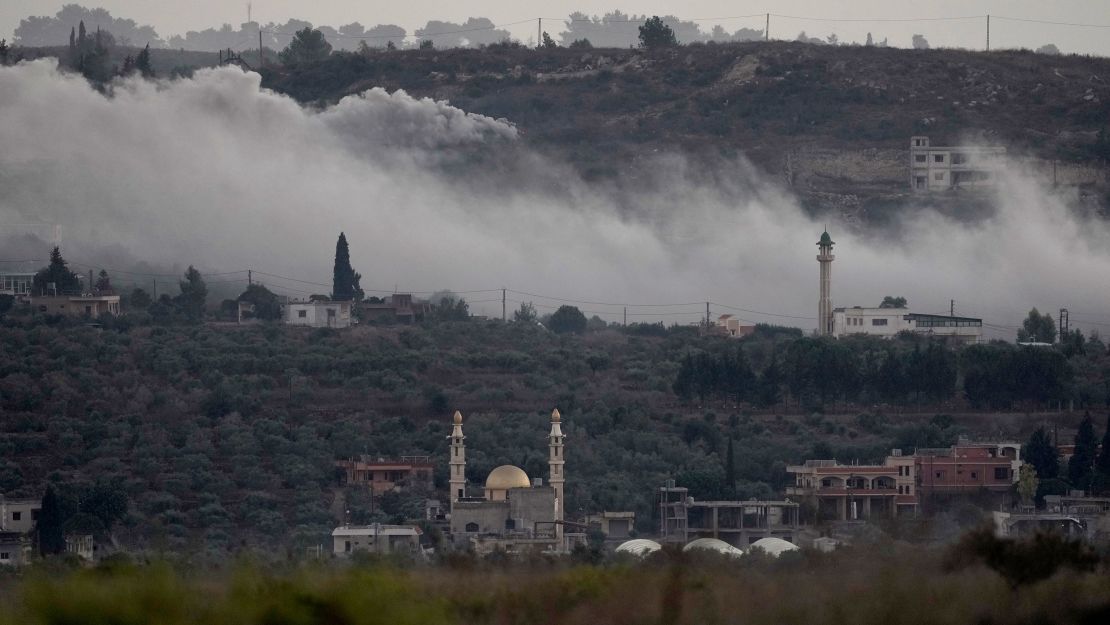
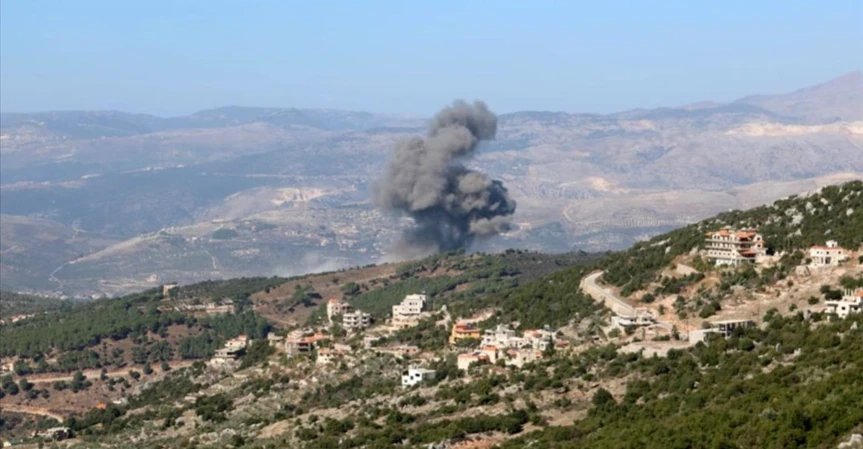
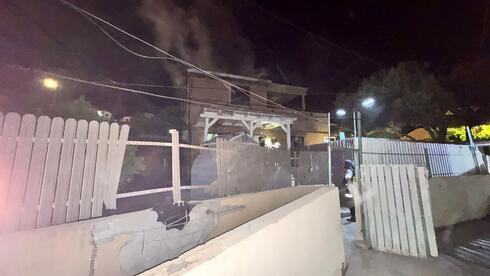
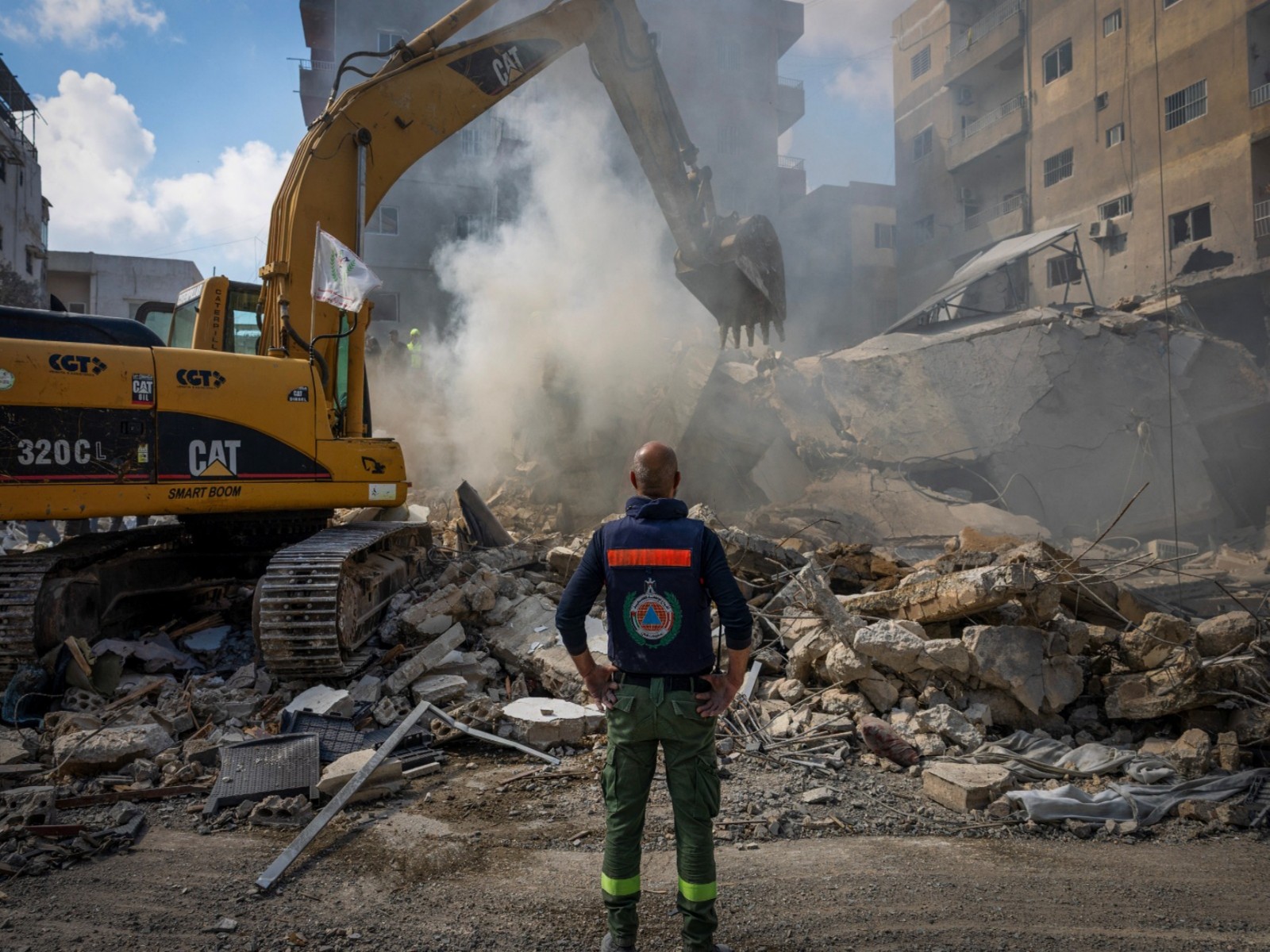
The escalating Israel-Hezbollah conflict along the Lebanon-Israel border represents a critical supply chain disruption event for cross-border e-commerce sellers operating in the Middle East region. Beginning March 2, 2026, when Hezbollah joined active military operations, the conflict has intensified dramatically with approximately 1,164 rockets fired into Israel, averaging 30 attacks daily according to the Alma Center thinktank. By April 10, 2026, military operations expanded to include strikes on Lebanese territory killing over 300 people, with direct missile attacks on critical infrastructure including the port city of Ashdod—a major logistics hub for Israeli imports and exports.
Supply Chain Impact for Sellers: The Ashdod port attack on April 10, 2026, directly threatens fulfillment operations for sellers using Israeli 3PL providers and logistics networks. Ashdod handles approximately 40% of Israel's container traffic, making port disruptions critical for sellers shipping electronics, apparel, and consumer goods to Israeli retailers and consumers. Sellers with inventory in Israeli warehouses face potential delays of 7-14 days due to security protocols, air raid sirens requiring operational shutdowns, and reduced port throughput. The 30-second response time to incoming threats creates operational inefficiencies that cascade through fulfillment networks—warehouses must pause operations during air raid alerts, reducing daily processing capacity by an estimated 15-25%.
Regional Market Volatility: The conflict creates dual market opportunities and risks. Israeli consumer demand for imported goods may spike 20-35% as consumers stockpile essentials and seek comfort purchases during conflict periods—a documented behavioral pattern from previous regional conflicts. However, logistics costs to Israel are rising 8-12% due to insurance premiums, rerouted shipping through alternative ports (Haifa, Eilat), and extended transit times. Lebanese markets are effectively closed to cross-border sellers due to ongoing military operations and economic collapse, eliminating a $2.1B annual e-commerce market. The diplomatic negotiations announced for late April 2026 (involving US Ambassador Michel Issa and Israeli Ambassador Yechiel Leiter) suggest potential ceasefire discussions, but military operations continue with Hezbollah reporting active clashes in Bint Jbeil using light arms and RPG fire.
Seller Segments Most Affected: Small-to-medium sellers (SMBs) with 500-5,000 monthly units shipped to Israel face the highest impact due to limited logistics flexibility and inability to absorb 8-12% cost increases. Electronics sellers (consumer electronics, mobile accessories) experience the most disruption due to port dependency and time-sensitive inventory. Apparel and home goods sellers can partially mitigate through air freight, though costs increase 25-40%. Sellers with Lebanese customer bases face complete market closure, representing potential 5-15% revenue loss for regional specialists. Large sellers (10,000+ monthly units) can negotiate alternative routing through Cyprus or Egypt, adding 3-5 days to transit but maintaining operations.
Questions 8
How does the Israel-Hezbollah conflict affect sellers shipping to Israeli markets?
The conflict creates immediate logistics disruptions affecting sellers using Ashdod port, which handles 40% of Israeli container traffic. The April 10, 2026 missile attack on Ashdod and ongoing military operations (averaging 30 daily attacks since March 2) force port shutdowns during air raid alerts, reducing daily processing capacity 15-25%. Sellers experience 7-14 day fulfillment delays and 8-12% cost increases due to insurance premiums and rerouted shipping. Small sellers (500-5,000 monthly units) face the highest impact due to limited logistics flexibility. Monitor port status daily through Israeli Port Authority updates and consider air freight alternatives, though costs increase 25-40%.
What is the impact on sellers with Lebanese customer bases?
Lebanese markets are effectively closed to cross-border sellers due to ongoing military operations and economic collapse. This eliminates approximately $2.1B in annual e-commerce market opportunity for regional specialists. Sellers with 5-15% revenue exposure to Lebanon should immediately pivot inventory to Israeli and Gulf markets. The diplomatic negotiations announced for late April 2026 may lead to ceasefire discussions, but military operations continue with active clashes reported in Bint Jbeil. Plan for 60-90 day market closure minimum and reallocate inventory to alternative markets to minimize losses.