


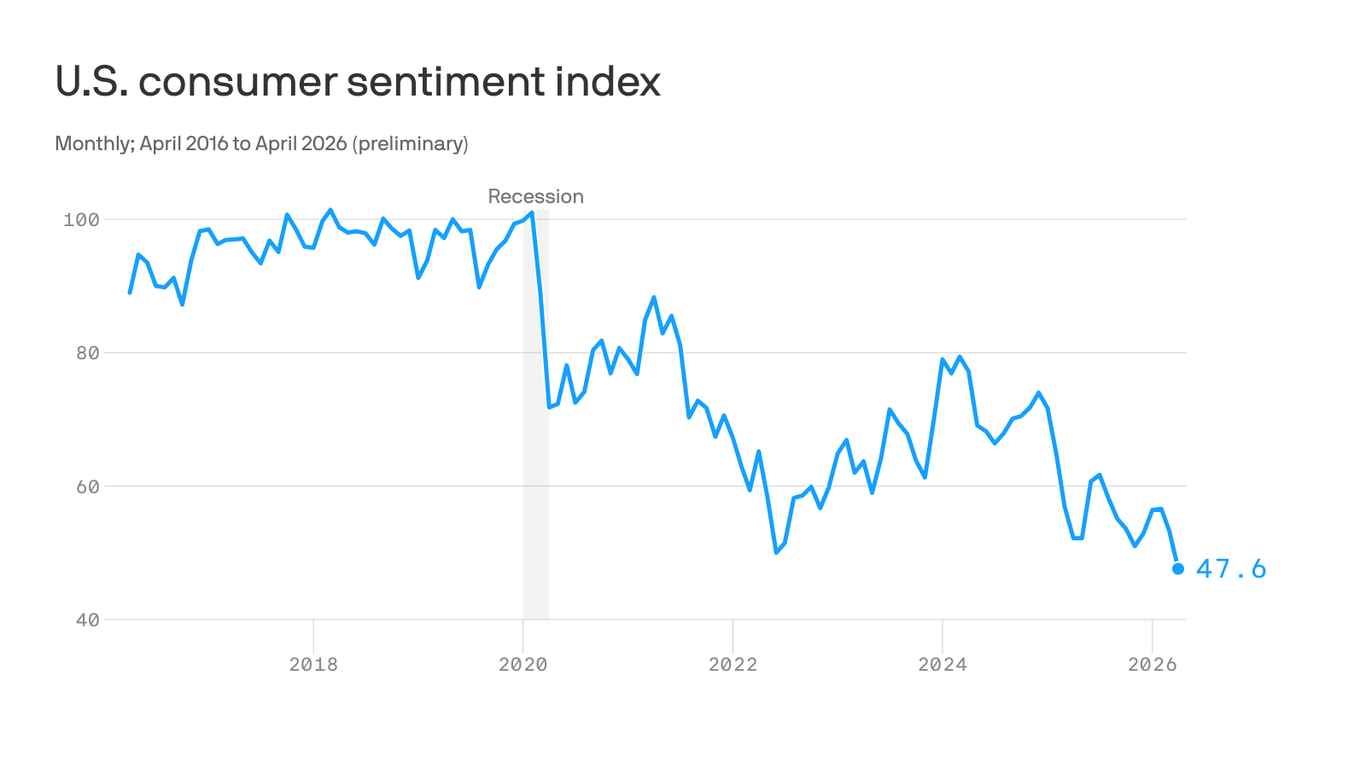



Consumer Confidence Collapse April 2026 | Critical Demand Shift for E-Commerce Sellers
- Consumer confidence hits all-time low of 47.6; inflation expectations surge 1% in one month; sellers face 8-15% demand contraction and 12-21% shipping cost increases















Overview
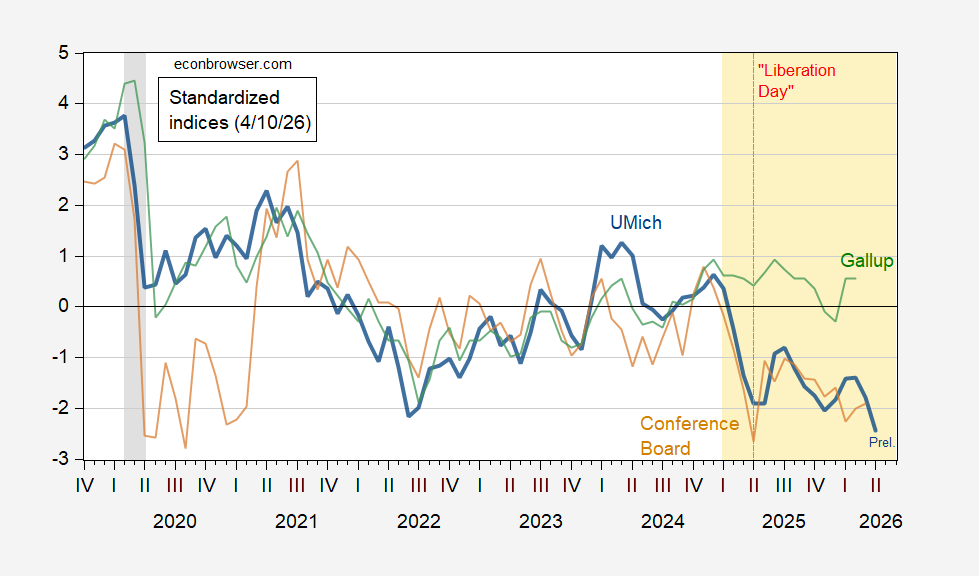
April 2026 marks a critical inflection point for cross-border e-commerce sellers as consumer confidence collapsed to an all-time low of 47.6, driven by persistent inflation and rising gasoline prices (+21.2% in March). The University of Michigan's Surveys of Consumers director Joanne Hsu documented consumer frustration with "the persistence of high prices" and cost-of-living pressures. Year-ahead inflation expectations surged from 3.8% to 4.8% in a single month—the largest monthly jump since April 2025—signaling sustained purchasing power erosion. This macroeconomic shock directly impacts seller profitability through dual mechanisms: demand contraction and cost inflation.
For demand-side sellers, the confidence collapse signals immediate category vulnerability. Consumer discretionary categories (apparel, home goods, electronics accessories) typically experience 8-15% sales volume declines during confidence troughs, as buyers defer non-essential purchases and shift toward value-oriented alternatives. Sellers in premium/luxury segments face steeper headwinds, while budget and discount-focused sellers may capture share migration. The April 2026 data suggests this isn't a temporary dip—the 1% surge in year-ahead inflation expectations indicates consumers expect sustained price pressure, triggering defensive buying behavior. Sellers should anticipate 30-60 day demand lag as inventory purchased in March-April sits unsold.
For supply-side sellers, geopolitical volatility compounds margin compression. Iran's closure of the Strait of Hormuz following Israeli strikes in Lebanon, combined with oil price volatility (initial 17% decline followed by renewed volatility), creates shipping cost uncertainty. International logistics providers typically pass through fuel surcharges within 2-4 weeks; sellers shipping via air freight face 12-21% cost increases, while ocean freight experiences 6-12% volatility. The S&P 500's 3.9% weekly gain following the U.S.-Iran ceasefire announcement suggests market relief is temporary—geopolitical tensions remain elevated. Sellers with exposure to Middle East shipping routes or fuel-intensive logistics (air freight, expedited shipping) face immediate margin pressure.
Category-specific implications: Automotive aftermarket sellers benefit from GM (+6%) and Ford (+5%) rebounds, suggesting consumer willingness to maintain existing vehicles rather than purchase new ones—driving demand for parts, accessories, and maintenance products. Conversely, software/SaaS-adjacent sellers (ServiceNow -18%, Palantir -15%) indicate enterprise spending caution, affecting B2B2C sellers in business software categories. Consumer staples and value-oriented categories (food, household essentials, budget apparel) should see relative resilience.
Questions 8
How does consumer confidence collapse to 47.6 affect e-commerce seller demand?
Consumer confidence at 47.6 (all-time low) signals severe purchasing power contraction. Historically, confidence readings below 50 correlate with 8-15% volume declines in discretionary categories (apparel, electronics, home goods) within 30-60 days. The April 2026 data shows consumers feel 'weighed down with the cost of living,' triggering defensive buying behavior. Sellers should immediately review inventory composition—shift 20-30% of discretionary stock toward value-oriented alternatives and reduce new purchase orders for non-essential categories by 15-25% to avoid excess inventory.
How should sellers adjust inventory strategy during consumer confidence collapse?
Consumer confidence collapse requires immediate inventory rebalancing. First, reduce new purchase orders for discretionary categories by 15-25% and extend payment terms with suppliers where possible. Second, accelerate clearance of slow-moving inventory through promotional pricing (10-20% discounts) to free cash flow before Q2 ends. Third, shift inventory composition toward value-oriented and essential categories with lower demand elasticity. Fourth, implement stricter inventory velocity monitoring—target 4-6 week inventory turns instead of 8-10 weeks. Fifth, increase safety stock for high-velocity budget categories by 10-15% to capture share migration.