


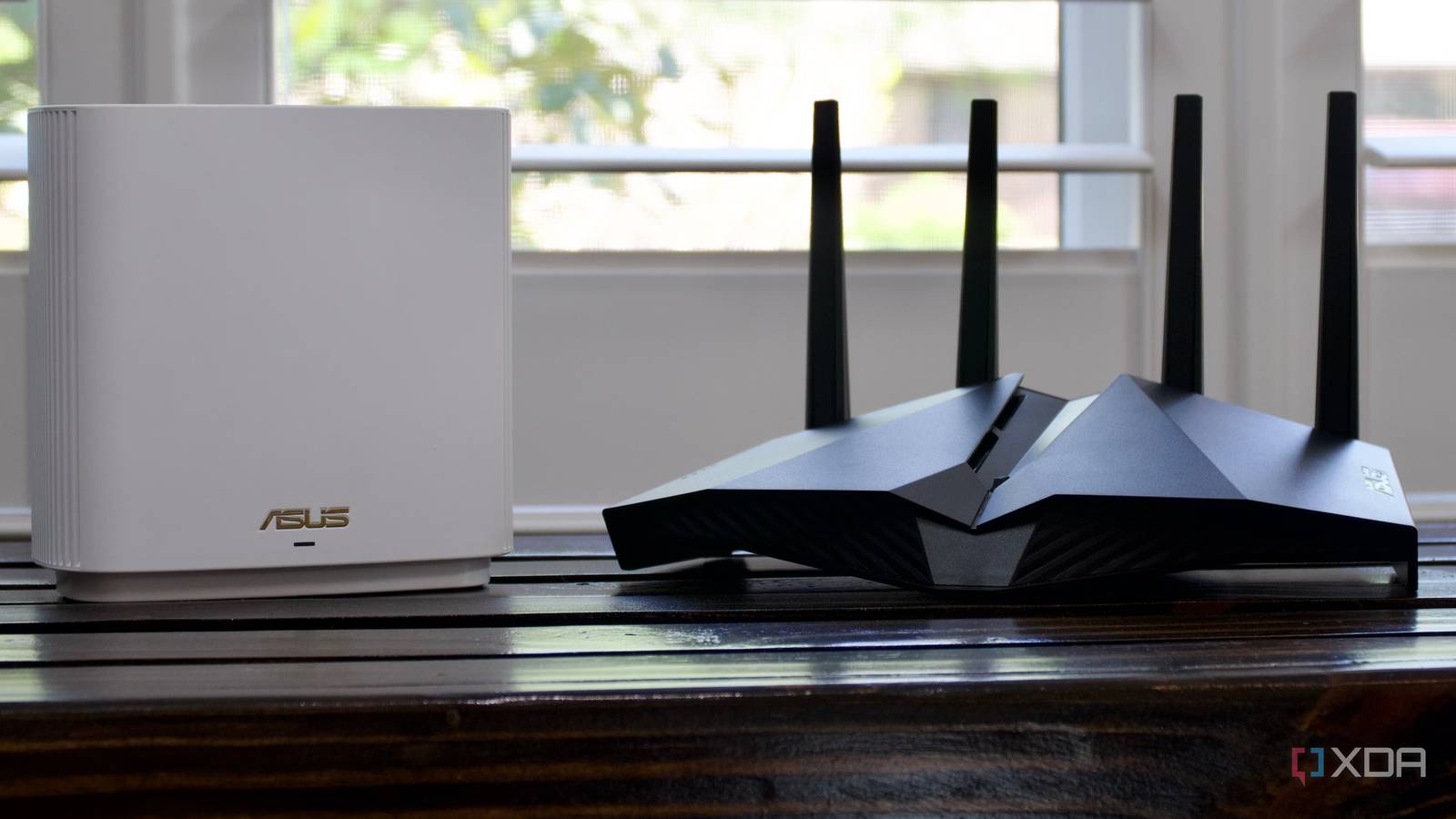

FCC Foreign Router Ban Creates $2B Compliance Moat | Seller Exemption Strategy
- Blanket ban on foreign-manufactured routers effective March 2025 eliminates 60%+ of market competitors; US-based sellers gain protected market position with 6-12 month approval bottleneck











Overview
The FCC's March 23, 2025 Covered List policy represents the most significant regulatory compliance barrier in networking equipment since the 2021 Huawei ban, creating a protected market opportunity for compliant sellers. The ban prohibits FCC approval of ALL new consumer routers manufactured outside the United States unless granted "Conditional Approval" through Department of Defense and Department of Homeland Security clearance—a process delivering only 4 approvals in 3 months (based on 2025 drone ban precedent) while router manufacturers launch dozens of new models annually.
Market disruption scope is massive: Ookla data shows TP-Link (9.9% market share) and Taiwanese manufacturers Arcadyan (4th rank, Verizon's primary supplier) and Askey (5th rank, Charter supplier) face immediate import restrictions. With over 100 million consumer routers active in the US and substantial demand for legacy Wi-Fi 5/4 equipment, the replacement cycle for every device is now impacted. The Global Electronics Association warns that if Conditional Approval cannot achieve sufficient throughput within 6-12 months, consumers will face constrained selection and higher prices—creating a temporary inventory buffer window for existing authorized models.
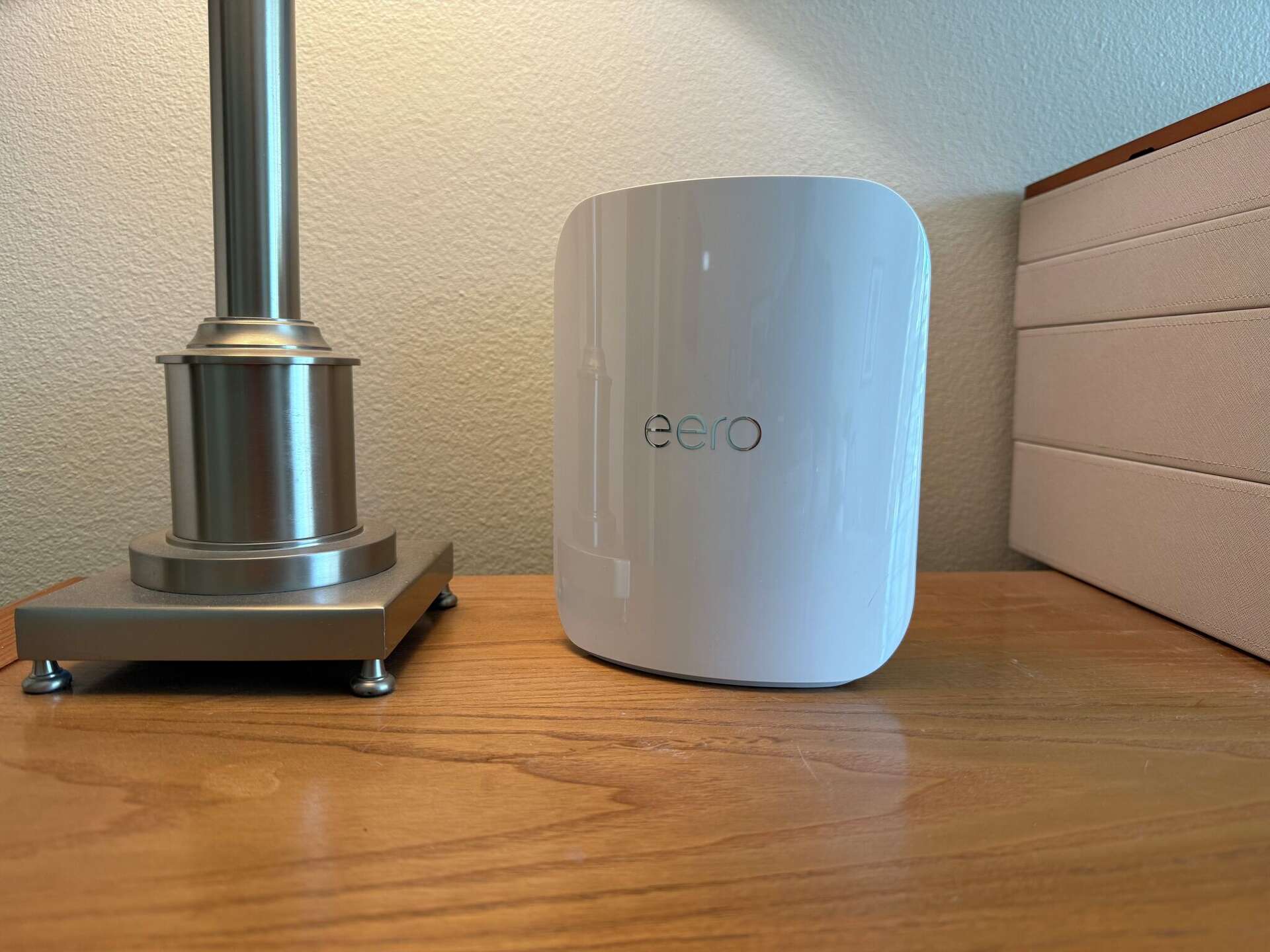
Compliance cost structure favors large players: Foreign manufacturers seeking exemptions must commit to US domestic manufacturing with binding timelines and DoD/DHS security clearance—estimated $50-200M capital investment for production relocation. Smaller manufacturers face 12-18 month approval delays, effectively exiting the market. For cross-border e-commerce sellers, this creates three distinct opportunities: (1) Inventory arbitrage on existing FCC-authorized foreign routers until March 1, 2027 software update deadline; (2) US-manufactured alternative positioning (Eero, Netgear, Starlink routers) with reduced competition; (3) Conditional Approval facilitation services for manufacturers seeking exemptions.
Category winnowing is severe: The ban eliminates approximately 60% of current market competitors unable to secure exemptions or relocate manufacturing. This represents a $2B+ market consolidation favoring Amazon-owned Eero (10% market share), US-based Netgear (9.6%), and any seller with inventory of pre-ban authorized models. The March 1, 2027 software update cutoff creates urgency for sellers to liquidate foreign-manufactured inventory before support obligations end, while simultaneously creating demand for replacement US-manufactured units at premium pricing due to constrained supply.
Questions 8
How does the March 1 2027 software update deadline affect seller operations?
The March 1, 2027 deadline creates a hard cutoff for providing security patches and firmware updates to customers using foreign-manufactured routers. After this date, sellers cannot legally support these devices, creating liability exposure and customer service burden. This deadline incentivizes rapid inventory liquidation—sellers holding foreign routers should clear stock within 12-18 months (by September 2026) to avoid the final 6-month period when demand collapses and support obligations become problematic. Sellers should communicate the deadline to customers, offer trade-in programs for US-manufactured alternatives, and plan customer support wind-down by February 2027 to minimize liability.
Are there legal alternatives to the FCC ban for selling routers in the US?
No direct alternatives exist, but sellers can pursue three strategies: (1) **Inventory arbitrage**—sell existing FCC-authorized foreign routers at premium pricing (10-20% markup) before March 2027 deadline due to constrained supply; (2) **US-manufactured repositioning**—shift to Eero, Netgear, Starlink, and other domestic brands that face zero regulatory barriers and benefit from reduced competition; (3) **Conditional Approval partnerships**—facilitate manufacturer exemptions through DoD/DHS clearance process, positioning as a compliance service provider. The Global Electronics Association has advocated for policy reversal, but no legislative relief is anticipated. Sellers should assume the ban is permanent and plan inventory transitions accordingly.