



Air Freight Crisis: Jet Fuel Shortage Threatens European Sellers | 3-Week Logistics Window
- European jet fuel prices doubled to €1,838/tonne; 50% of EU aviation fuel at risk; air freight surcharges spike 40-60% for time-sensitive shipments to Europe














Overview
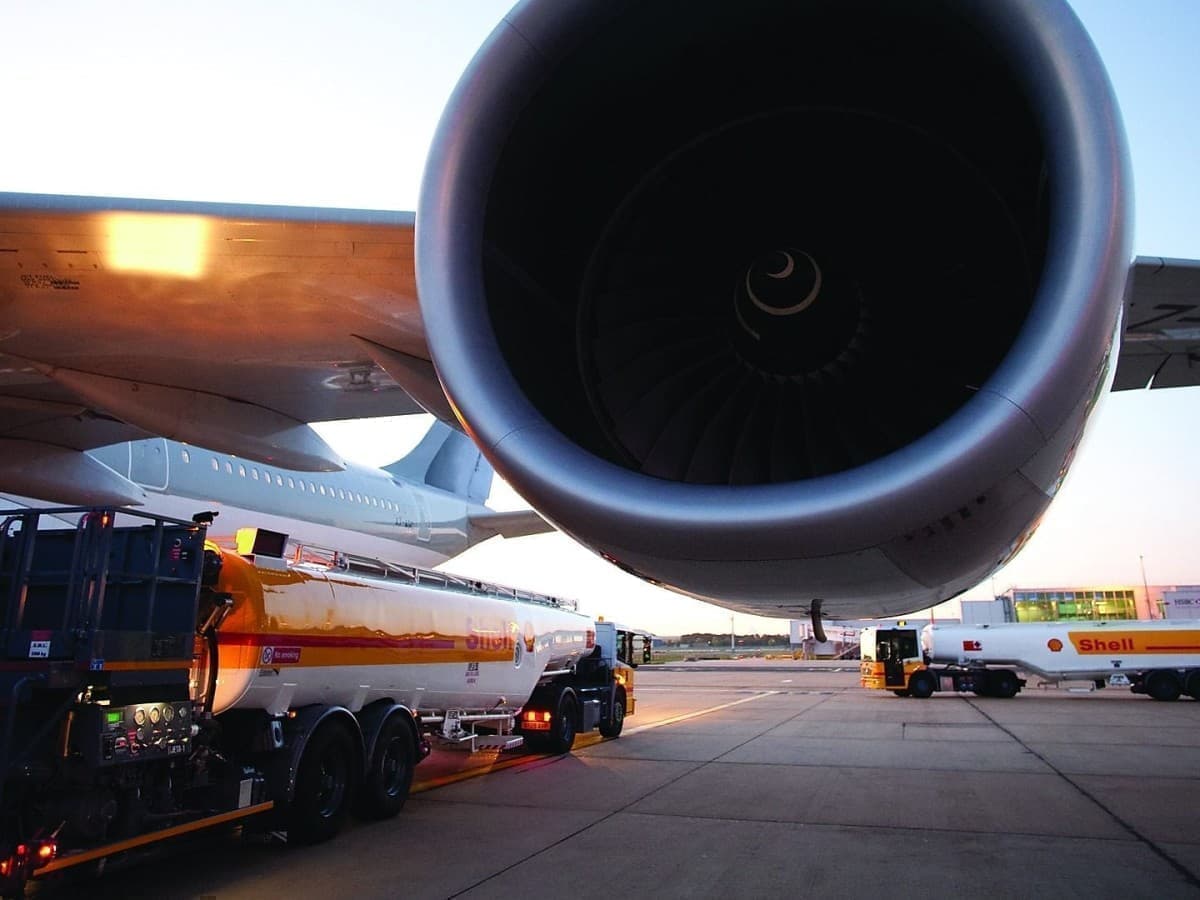
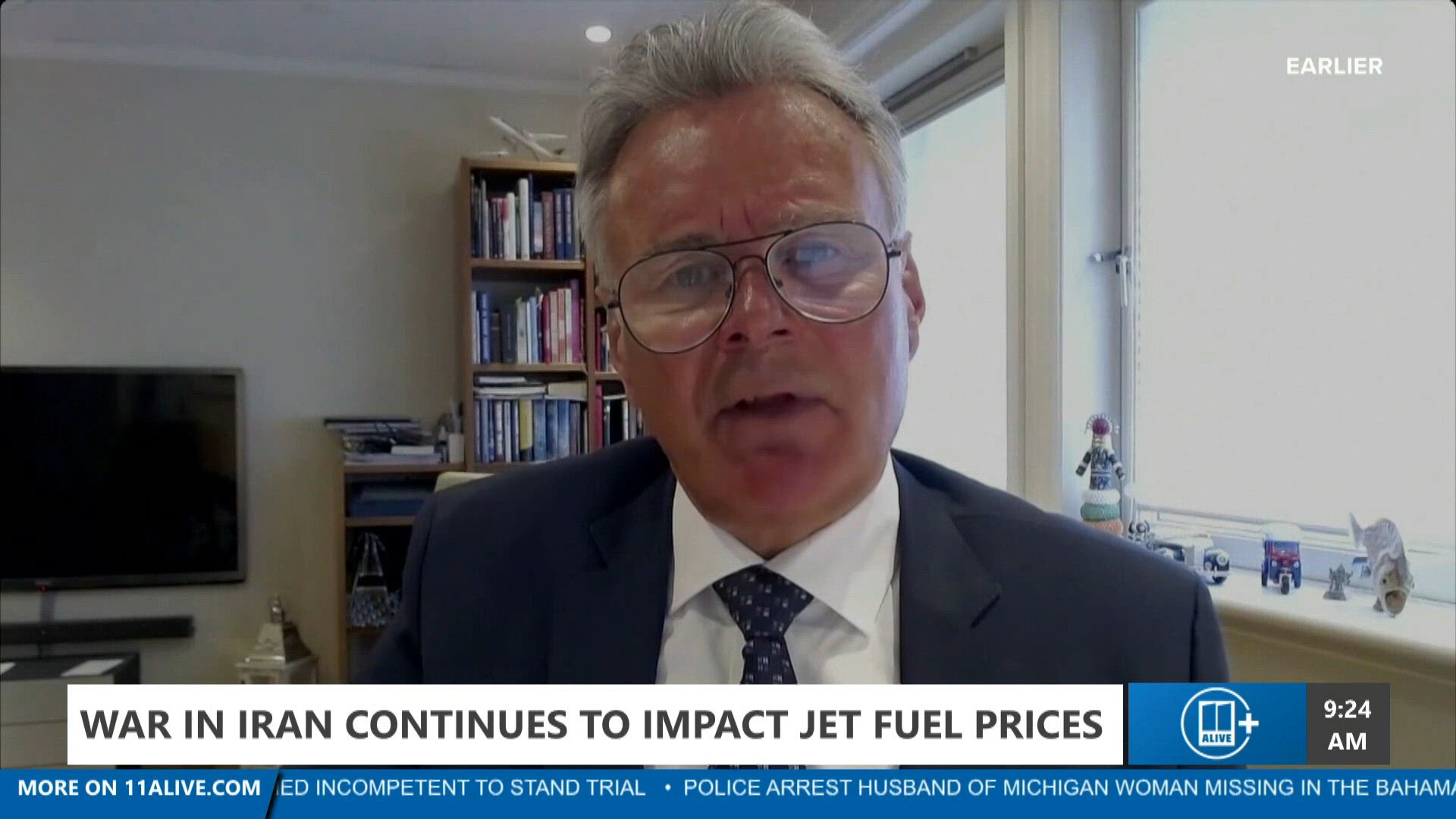
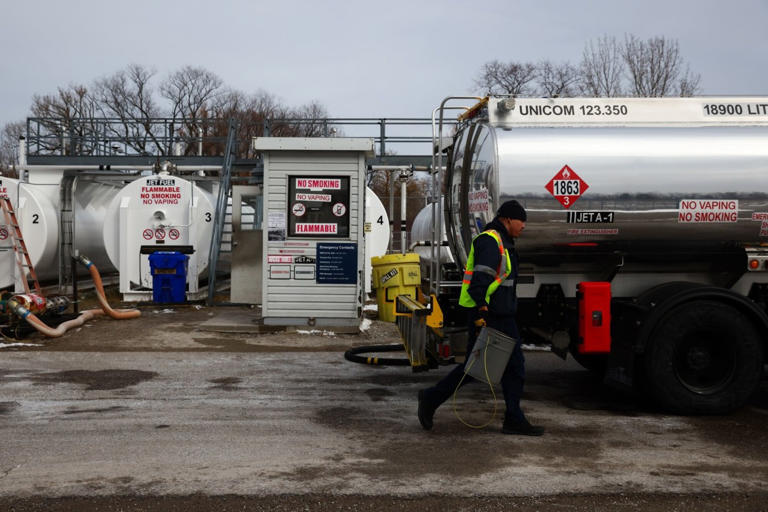
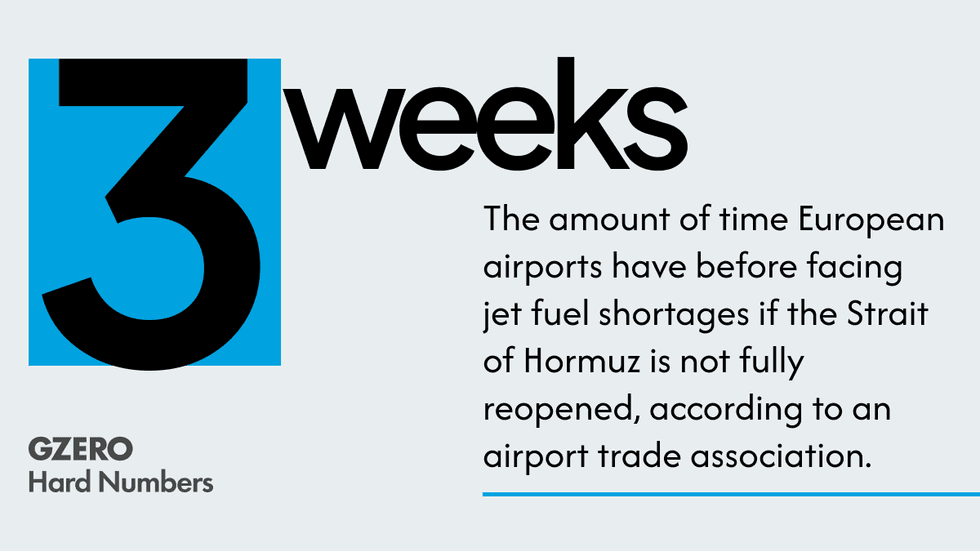
The Strait of Hormuz closure triggered by US-Iran tensions has created an acute logistics crisis for cross-border e-commerce sellers shipping to Europe. On April 10, 2026, the Airports Council International Europe warned that systemic jet fuel shortages will become reality within three weeks if the strategic waterway remains blocked. This is not a theoretical risk—European jet fuel prices have already doubled from €831 to €1,838 per tonne, and the Gulf region supplies 50% of Europe's aviation fuel imports. For sellers relying on air freight, this translates to immediate cost escalation and capacity constraints.
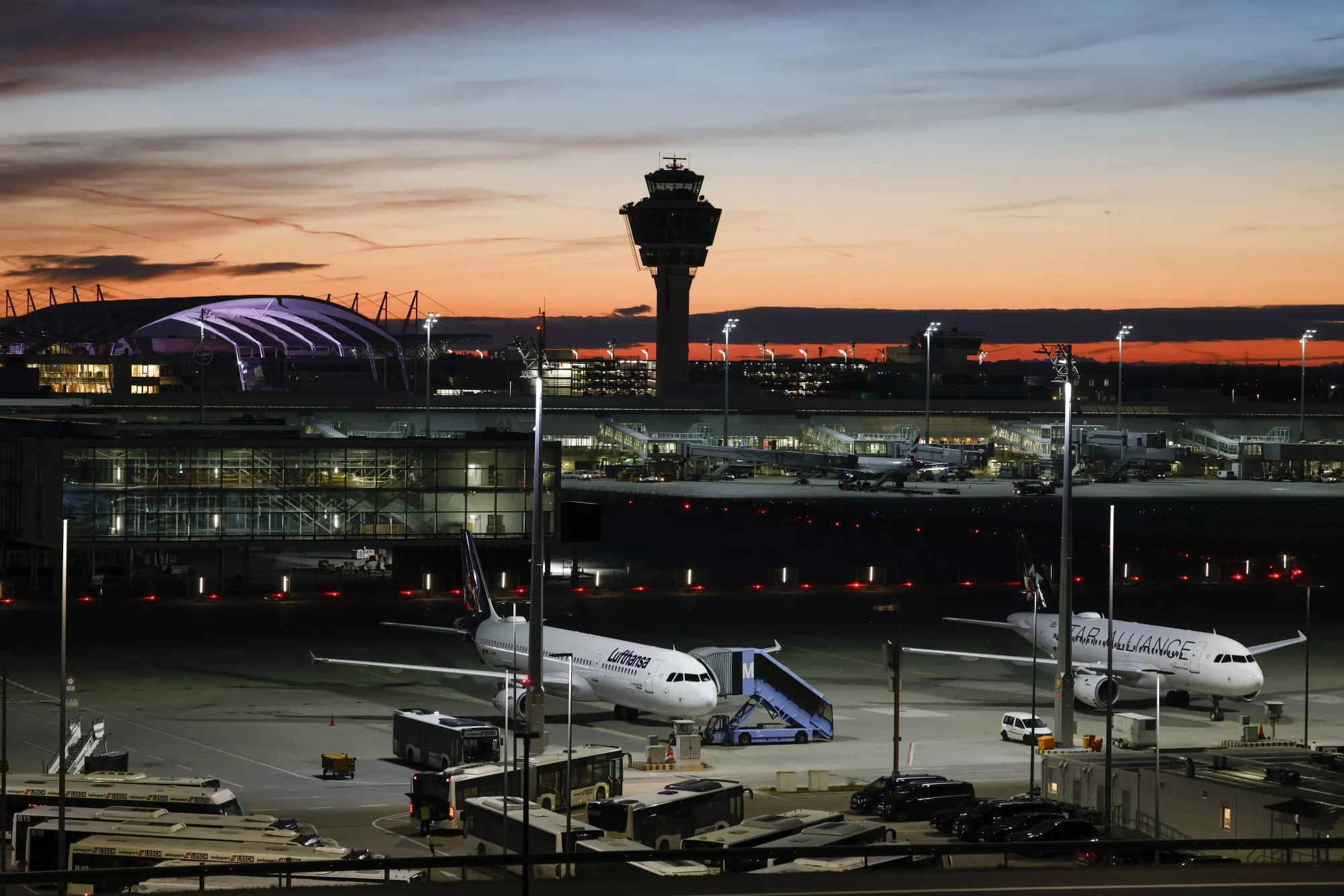
IMMEDIATE LOGISTICS IMPACT: Air freight capacity to European hubs (Frankfurt, Amsterdam, Paris CDG) is contracting as fuel surcharges climb 40-60% above baseline rates. Time-sensitive product categories—electronics, perishables, fashion, and seasonal goods—face critical inventory replenishment delays. Sellers currently shipping 500+ kg weekly to European FBA centers should expect air freight costs to rise from $4-6/kg to $6-9/kg within 7-10 days. Smaller regional airports (under 1M passengers annually) are particularly vulnerable, creating bottlenecks at secondary distribution points. Airlines have already implemented fuel surcharges and reduced unprofitable routes, directly limiting available capacity for e-commerce shipments.
SOURCING AND INVENTORY STRATEGY: The three-week warning window creates urgency for immediate action. Sellers should accelerate ocean freight shipments NOW—while air freight remains available at premium rates, ocean freight (21-35 day transit) becomes the cost-effective alternative for non-urgent inventory. For perishables and fashion (Q2 seasonal peaks), this means front-loading inventory to European warehouses by April 20-25 before air capacity fully constrains. Electronics sellers should shift from air to sea freight for bulk replenishment, reserving air capacity only for high-velocity SKUs and emergency restocks. The €1,007/tonne price increase (121% surge) makes ocean freight economically rational even with longer lead times.
WAREHOUSE POSITIONING: Sellers should redistribute inventory from Asian manufacturing hubs to European 3PL warehouses immediately. UK-based sellers have operational advantages (ACI Europe notes UK airlines report normal operations), making UK fulfillment centers strategic hubs for EU distribution. Consider temporary inventory concentration in Frankfurt, Amsterdam, or Antwerp—major air/sea hubs with redundant capacity. This 30-60 day repositioning strategy reduces dependency on air freight during the crisis window and positions sellers to serve EU markets from lower-cost European storage rather than premium air shipments.
TOTAL LANDED COST ANALYSIS: A typical 1,000-unit electronics shipment (50kg) currently costs $250-300 via air freight; this will rise to $375-450 (+50-75%) if fuel surcharges persist. Ocean freight for the same shipment costs $80-120 but requires 28-day lead time. Sellers should model scenarios: (1) Accelerate ocean freight now for Q2-Q3 inventory; (2) Use air freight only for <100-unit emergency restocks; (3) Shift 60-70% of volume to European 3PL warehouses to eliminate air freight dependency. The break-even point favors ocean freight for any inventory with >14-day lead time tolerance.
Questions 7
What product categories are most affected by the jet fuel shortage and air freight constraints?
Time-sensitive categories face the highest impact: electronics, perishables, fashion, and seasonal goods requiring rapid European delivery. Perishables have the shortest tolerance for delays—air freight is often mandatory for 7-14 day shelf-life products. Fashion sellers face Q2 seasonal peaks and cannot absorb 28-day ocean delays. Electronics can tolerate longer lead times if inventory is pre-positioned in European warehouses. Sellers in these categories should prioritize ocean freight acceleration and European warehouse repositioning within the next 7-10 days.
Which European warehouse locations offer strategic advantages during the fuel shortage?
Frankfurt, Amsterdam, and Antwerp are optimal hubs due to redundant air/sea capacity and lower regional dependency on fuel-constrained airlines. UK-based fulfillment centers offer additional advantages—ACI Europe notes UK airlines report normal operations despite Middle East tensions. Consider temporary inventory concentration in these hubs for 30-60 days to reduce air freight dependency and enable EU distribution from lower-cost European storage rather than premium air shipments from Asia.