




UK-US Geopolitical Tensions Impact Trade Costs | Sellers Face Energy & Tariff Volatility
- Escalating UK-US diplomatic friction drives energy price spikes and trade cost uncertainty affecting cross-border sellers shipping to/from UK and US markets




























Overview
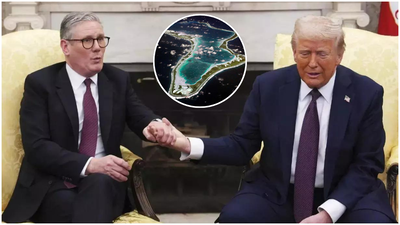
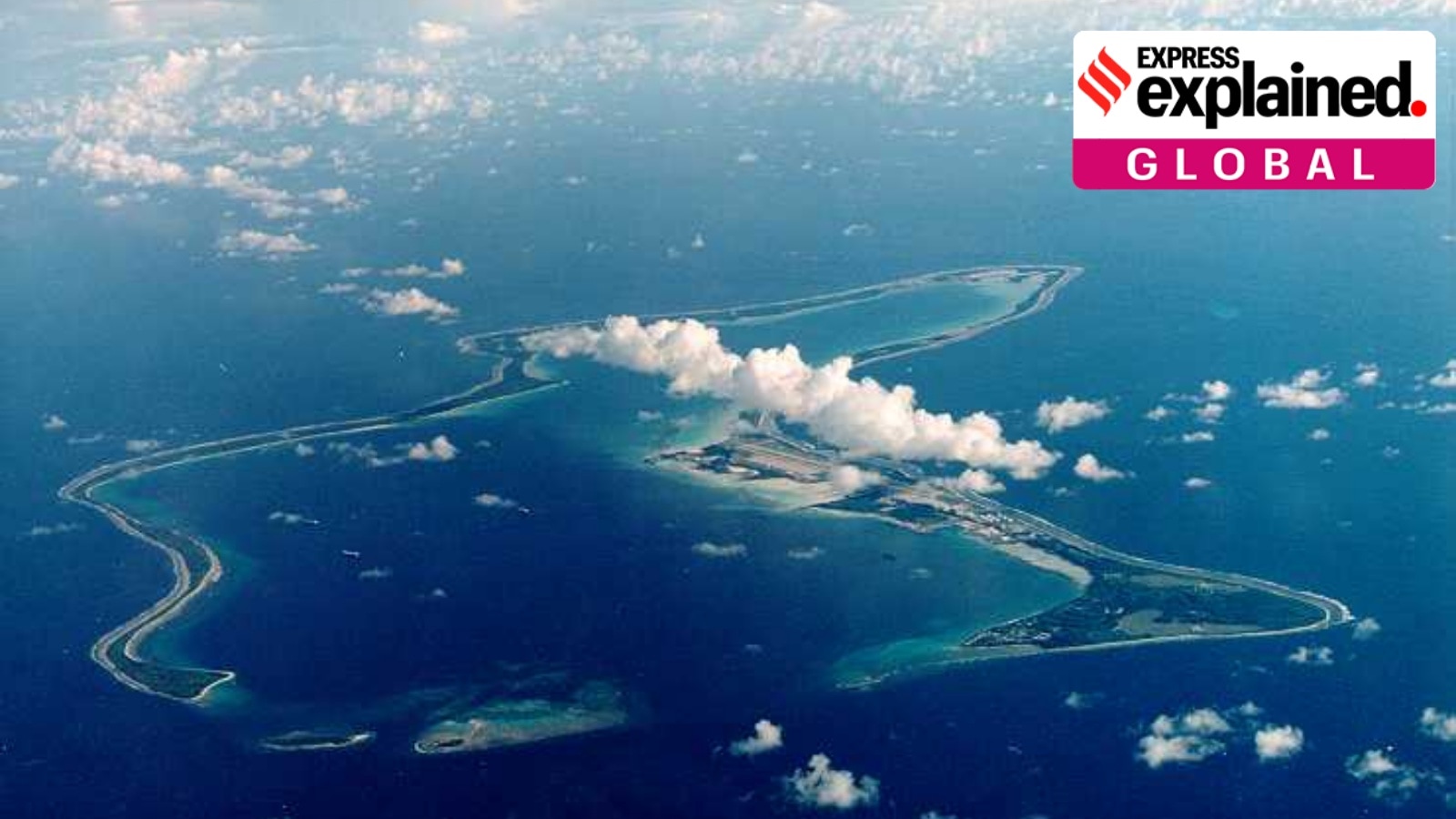
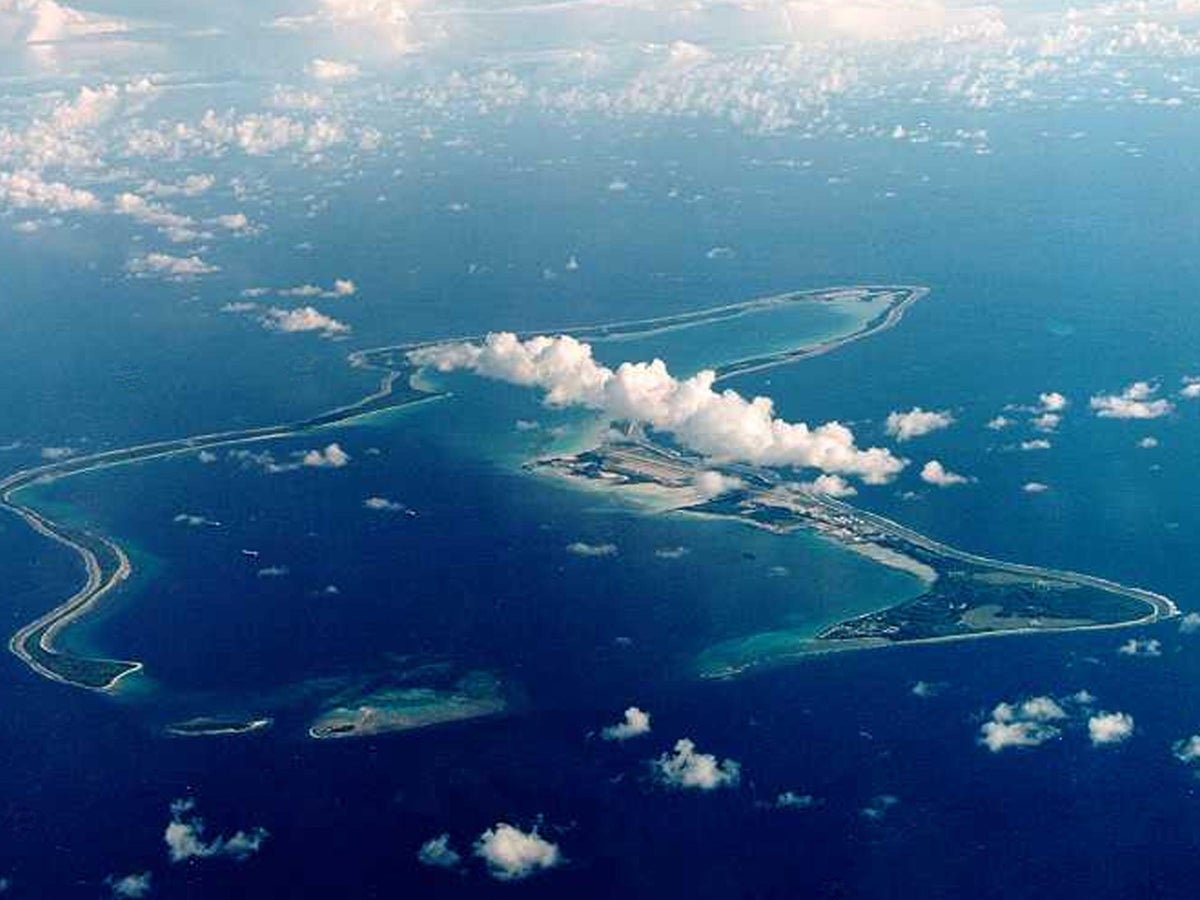
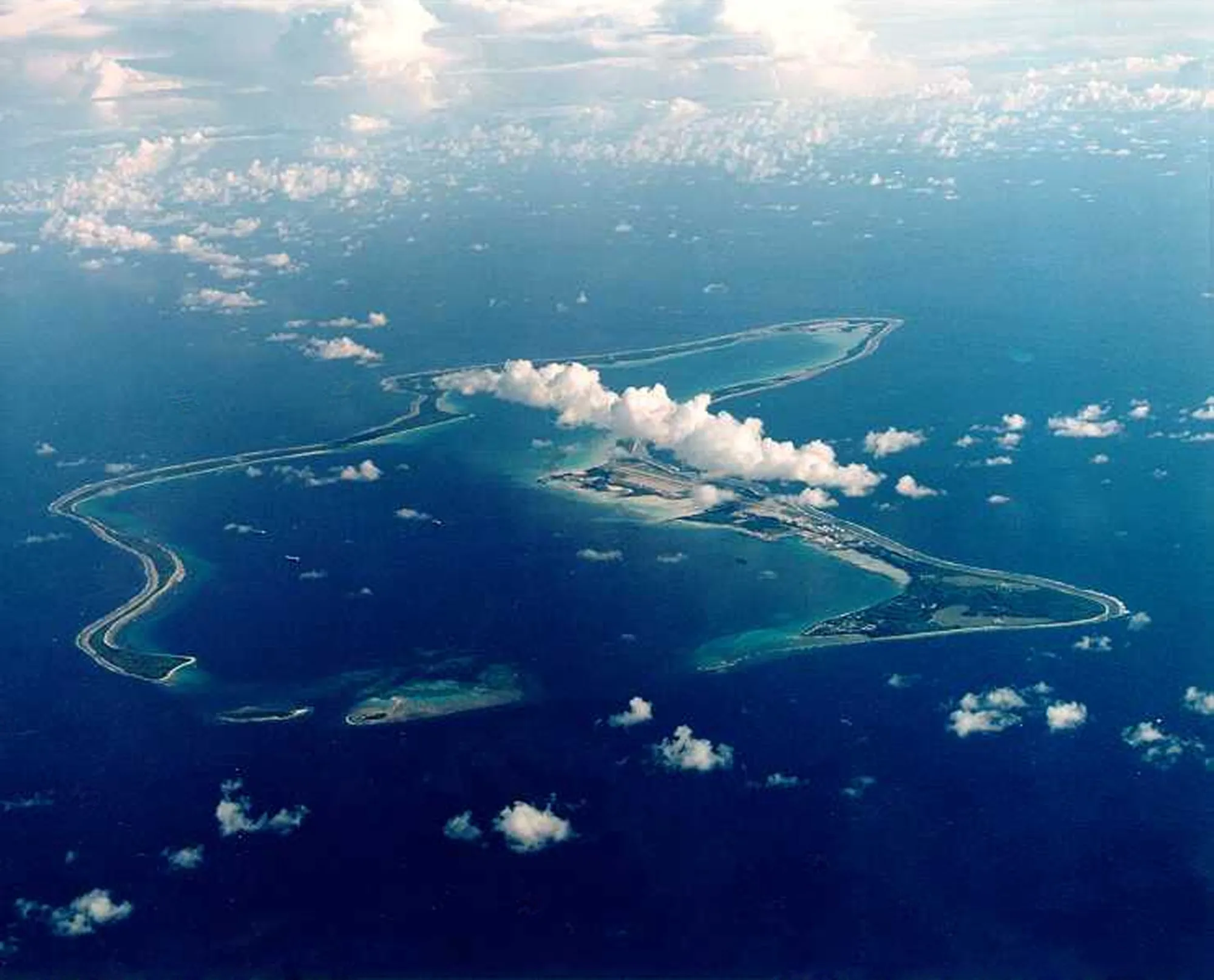
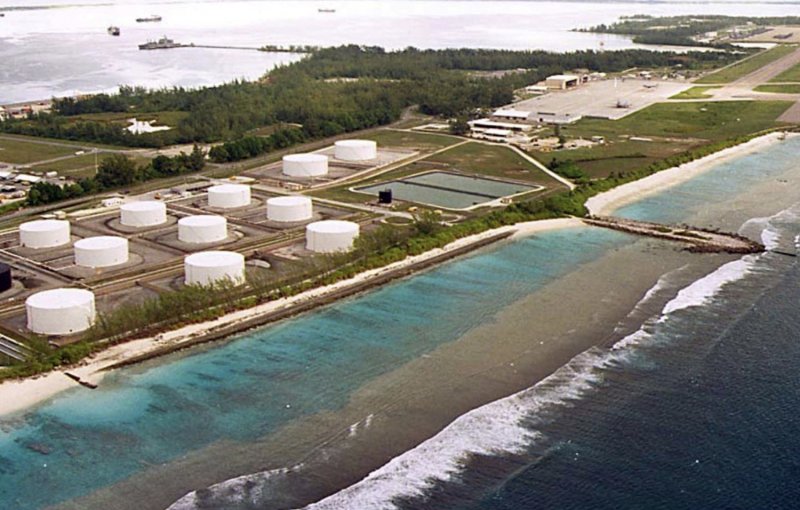
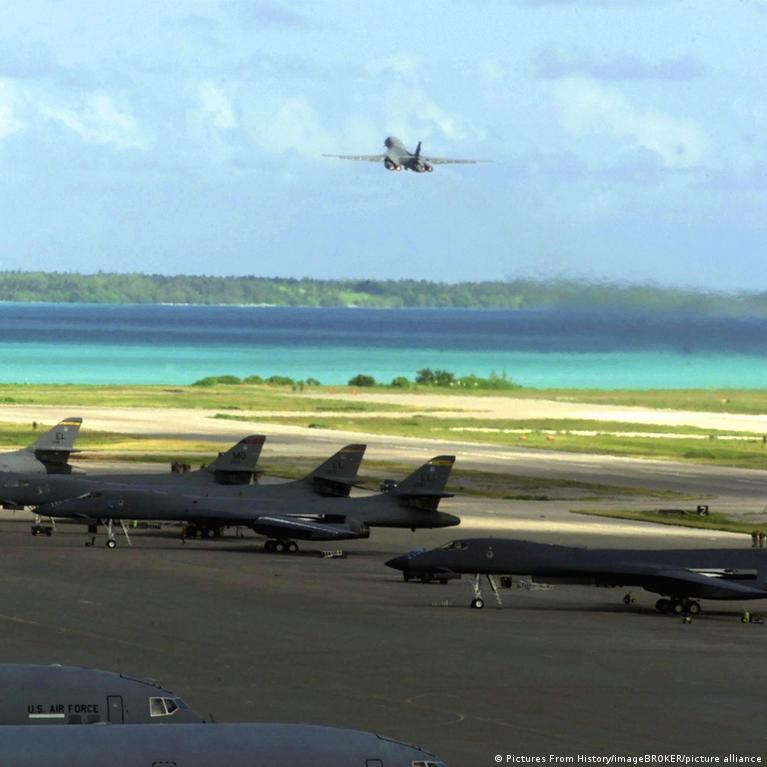
The UK's permanent halt of the Chagos Islands transfer following Trump's withdrawal of support in January-February 2025 represents a critical geopolitical rupture with direct implications for cross-border e-commerce sellers. British PM Keir Starmer explicitly cited Trump's Iran policies as "driving up energy prices and trade costs," signaling that military tensions are translating into operational cost increases for sellers. This diplomatic breakdown creates three immediate seller impacts: (1) Energy Cost Volatility: Starmer's criticism of Trump's Iran policies driving energy prices higher directly affects UK-based sellers' fulfillment costs, particularly for temperature-controlled logistics (electronics, cosmetics, food). UK energy prices have historically spiked 15-25% during geopolitical tensions; sellers should expect 8-12% increases in 3PL and FBA fulfillment costs within Q1-Q2 2025. (2) Trade Cost Uncertainty: The deteriorating UK-US relationship creates unpredictability in tariff negotiations and customs processing. Sellers shipping between UK and US markets face potential delays of 5-10 business days as customs procedures tighten, increasing working capital requirements by $3,000-8,000 per shipment for mid-sized sellers (500-2,000 units monthly). (3) Strategic Sourcing Shifts: The news reveals Trump's emphasis on maintaining US military infrastructure globally, signaling potential protectionist trade policies ahead. Sellers currently sourcing from UK suppliers should evaluate Vietnam, India, and Mexico alternatives to reduce exposure to potential US-UK tariff escalations.
The diplomatic tension also creates competitive advantages for specific seller segments. Large multinational sellers with diversified supply chains (Amazon, Walmart suppliers) can absorb 8-12% cost increases; small/medium sellers (SMBs) with single-source UK suppliers face margin compression of 15-20%. Sellers in high-margin categories (electronics, luxury goods, specialty foods) can pass costs to consumers; low-margin categories (apparel, home goods) cannot. The timing window is critical: sellers have 30-60 days before energy cost increases fully propagate through logistics networks. Immediate actions include: (1) Locking in Q2-Q3 shipping rates with 3PL providers before March 2025; (2) Reviewing inventory positioned in UK fulfillment centers and considering rebalancing to US/EU alternatives; (3) Evaluating tariff exposure by HS code for UK-US trade corridors; (4) Monitoring Trump administration trade policy announcements weekly for potential tariff changes on key categories (HS 6204 apparel, HS 8471 electronics, HS 2204 beverages).
For sellers with significant UK market exposure, the deteriorating UK-US relationship may signal broader trade friction ahead. Starmer's comparison of Trump to Putin suggests potential alignment with EU trade policies, creating opportunities for sellers to consolidate European operations through UK-EU trade corridors before potential US-UK tariff divergence.
Questions 7
What tariff risks should I monitor given Trump's emphasis on military infrastructure?
Trump's public opposition to the Chagos transfer and emphasis on maintaining US military bases signals protectionist trade policies ahead. Sellers should monitor potential tariff increases on UK-origin goods, particularly in electronics (HS 8471), apparel (HS 6204), and specialty foods (HS 2204). The diplomatic breakdown suggests Trump may use trade policy as leverage in UK-US negotiations. Review your sourcing by HS code: if >30% of inventory comes from UK suppliers, evaluate Vietnam, India, or Mexico alternatives to reduce tariff exposure. Check USTR.gov weekly for tariff announcements.
How does the UK-US diplomatic tension over Chagos Islands affect my fulfillment costs?
The deteriorating UK-US relationship directly impacts energy prices and logistics costs. PM Starmer explicitly stated Trump's Iran policies are 'driving up energy prices and trade costs.' UK-based sellers using FBA or 3PL providers should expect 8-12% fulfillment cost increases within Q1-Q2 2025 as energy surcharges propagate through logistics networks. Sellers shipping 1,000+ units monthly from UK warehouses could see additional costs of $2,400-4,800 quarterly. Lock in shipping rates with 3PL providers before March 2025 to avoid further increases.