




Hungary Election 2026 | EU Regulatory Shift Impacts Cross-Border Sellers
- Political transition from Orbán to Magyar could reshape EU compliance, VAT enforcement, and market access for 50K+ sellers operating in Central Europe
























Overview
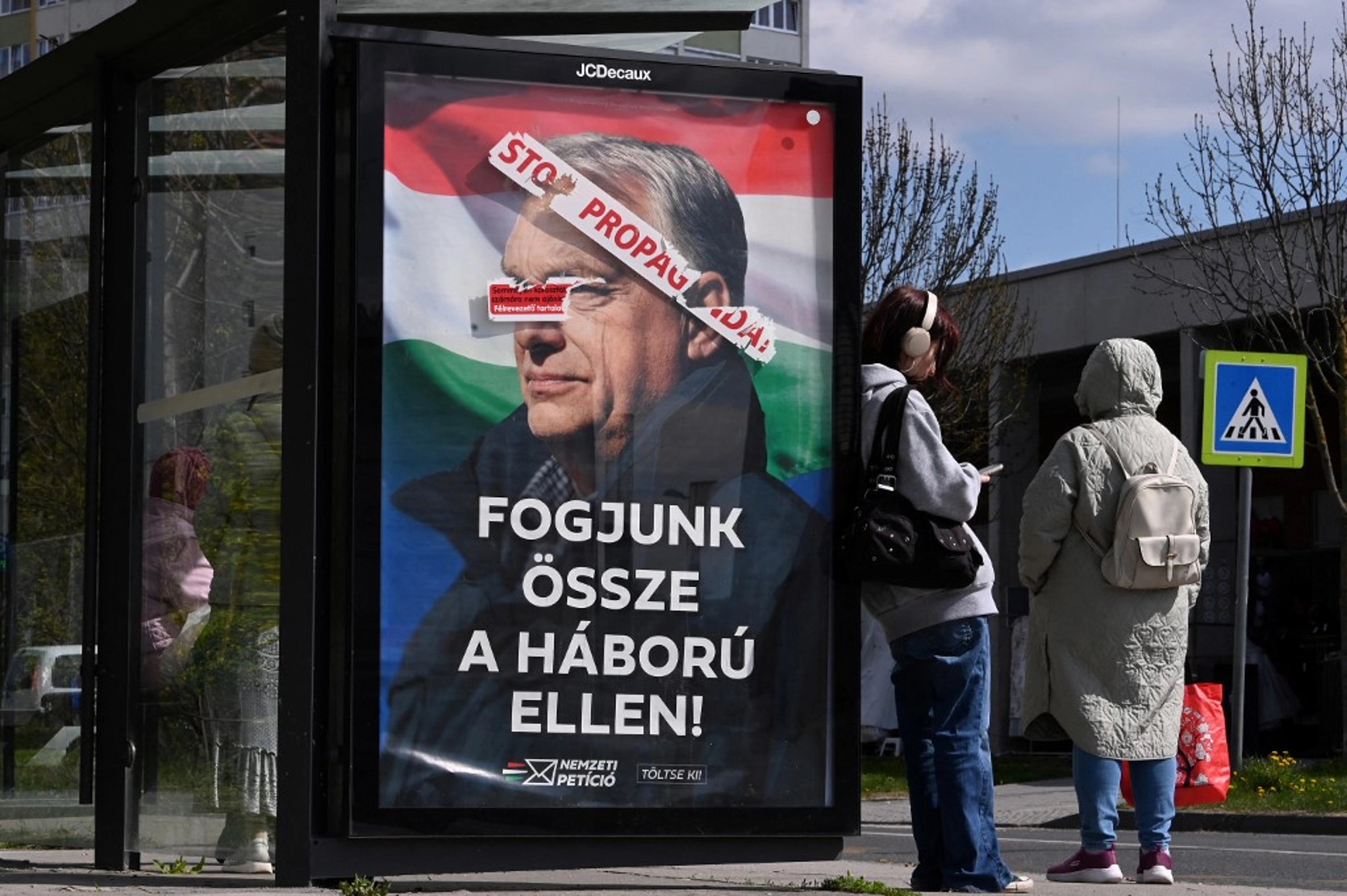
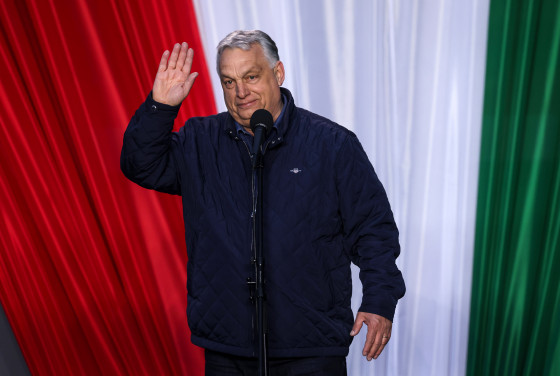
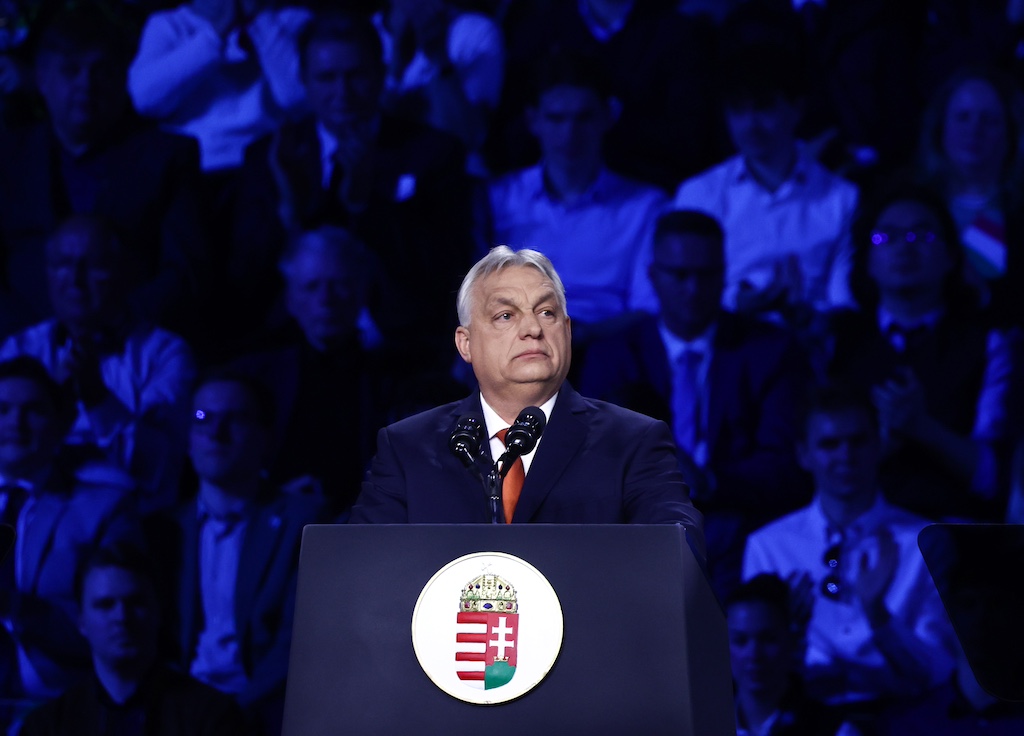
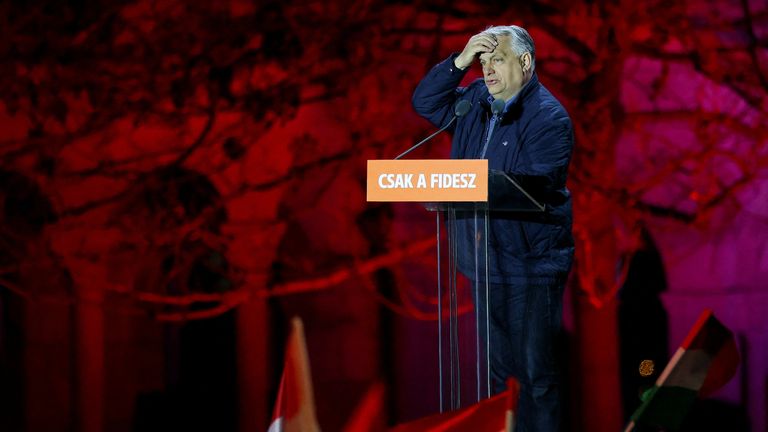
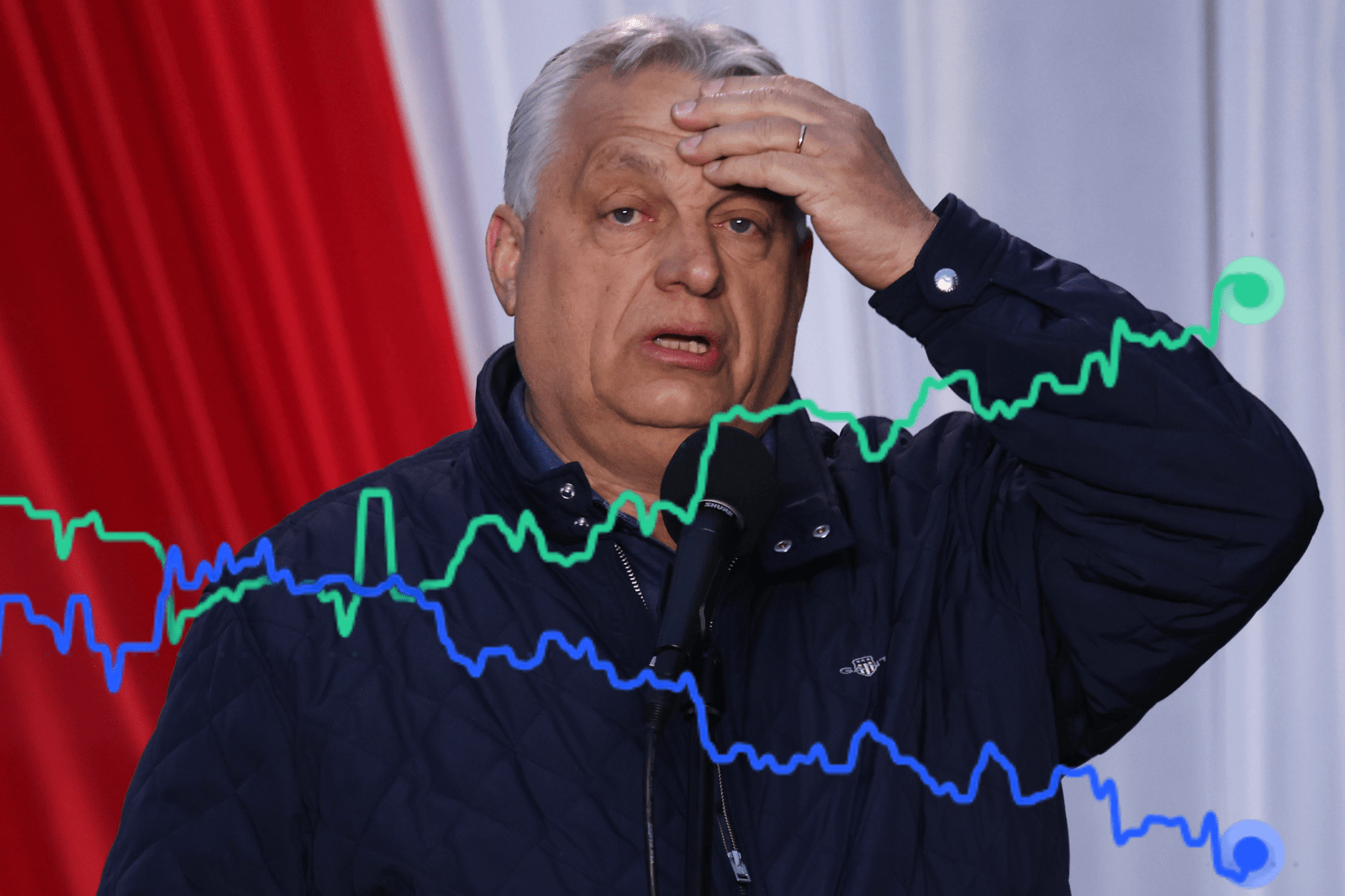
Hungary's April 2026 parliamentary election represents a critical political inflection point with substantial indirect implications for cross-border e-commerce operations across Central Europe. Prime Minister Viktor Orbán, who governed for 16 years under what the European Parliament termed a "hybrid regime of electoral autocracy," faced challenger Péter Magyar's newly formed Tisza party, which maintained double-digit polling leads throughout the campaign. According to Budapest-based election specialist Róbert László at Political Capital think tank, Magyar's party demonstrated a "huge lead" that did not narrow as election day approached, with at least 100,000 anti-Fidesz supporters filling Budapest's Heroes' Square during final campaign rallies.
The election outcome carries significant implications for the European Union's regulatory environment affecting cross-border commerce operations. Orbán's Fidesz party implemented constitutional changes affecting judicial independence and media ownership, creating an unpredictable regulatory landscape. Magyar's Tisza party promised "a change of regime," EU relations reset, and ending close Russian ties—signaling potential alignment with Brussels' digital commerce standards, VAT enforcement mechanisms, and data protection protocols. For cross-border sellers, this represents either continuity under Orbán's business-friendly but EU-skeptical approach, or regulatory harmonization under Magyar's pro-EU platform.
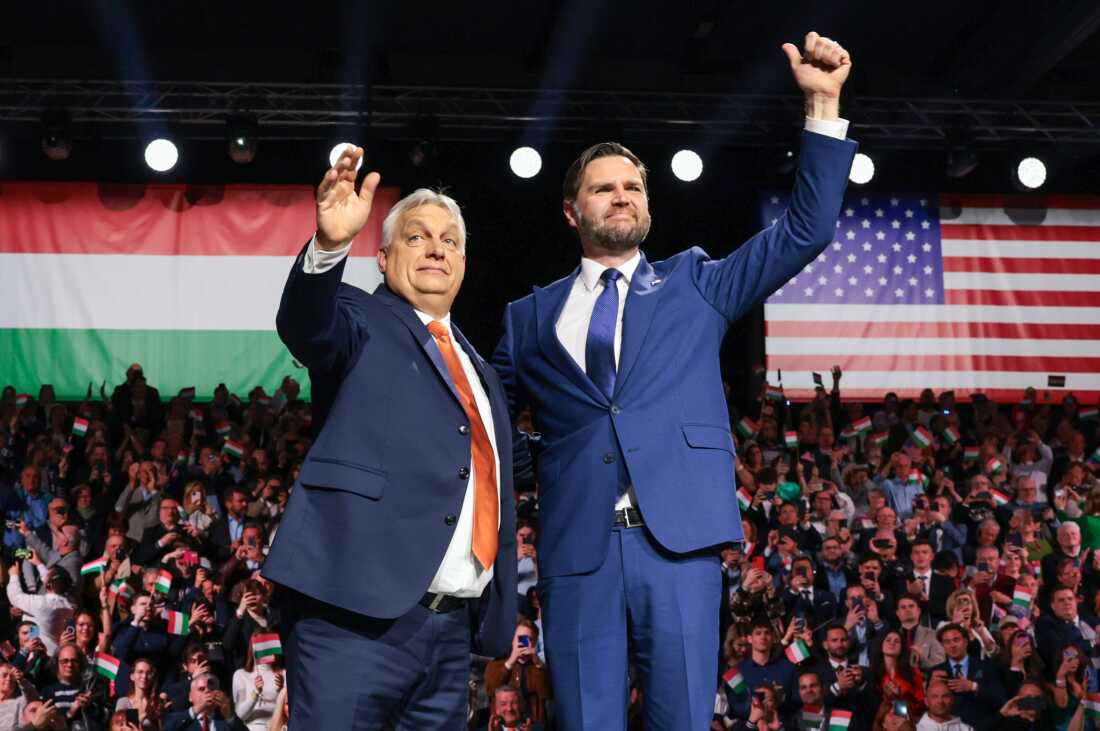
Hungary's complex electoral system allocates 106 of 199 parliamentary seats through direct constituency elections, with remaining 93 distributed via party lists—a structure Orbán acknowledged has benefited his party through 16 years of gerrymandering. Election specialist László assessed the most likely scenario as Tisza achieving an absolute majority but potentially falling short of the two-thirds supermajority needed to reverse Fidesz constitutional changes. However, a two-thirds majority remained possible. Recent public statements from police, military, and business figures opposing Fidesz suggested public mood had shifted against Orbán's governance. The Trump administration's unusual investment in Hungary's election outcome—with Vice President JD Vance visiting Budapest to pledge support for Orbán—underscores the geopolitical dimensions affecting business operations. A Magyar-led government would likely prove more cooperative with Brussels on EU funding access, NATO coordination, and broader European regulatory environment standardization affecting cross-border commerce operations, payment systems, and compliance requirements for sellers operating in Hungary and the broader Central European market.
Questions 7
How does political uncertainty affect logistics and customs operations in Hungary?
Political transition creates 2-4 month uncertainty in customs enforcement and logistics operations. During Orbán's 16-year tenure, Hungary developed business-friendly customs procedures that some sellers leveraged for faster clearance. A Magyar government committed to 'change of regime' and EU alignment would likely standardize customs procedures with stricter documentation requirements and increased inspection rates. Sellers using Hungary as a Central European distribution hub should expect potential delays in customs clearance (3-5 additional days) and increased documentation requirements. Consider diversifying logistics through Poland or Czech Republic as backup routes, and budget 10-15% additional time for customs processing during the 3-6 month regulatory stabilization period.
What payment system changes might result from political transition in Hungary?
A Magyar-led government would likely accelerate adoption of EU payment standards and digital finance regulations currently resisted under Orbán. The Tisza party's pro-EU platform suggests faster implementation of PSD2 (Payment Services Directive 2) requirements, open banking standards, and anti-money laundering protocols. For sellers using payment processors like Stripe, PayPal, or Wise, this could mean enhanced verification requirements, longer settlement times during transition (7-14 days), and mandatory compliance with EU's Digital Finance Package. Sellers should verify payment processor readiness for stricter KYC (Know Your Customer) protocols and consider backup payment methods during the regulatory transition period.