




Irish Fuel Crisis Disrupts Cross-Border E-Commerce | Shipping Cost Surge
- Diesel prices surge 27% (€1.70→€2.17/L), fuel shortages halt 33% of service stations, Rosslare Europort at capacity—sellers face 8-15% shipping fee increases and 5-10 day delivery delays










































Overview
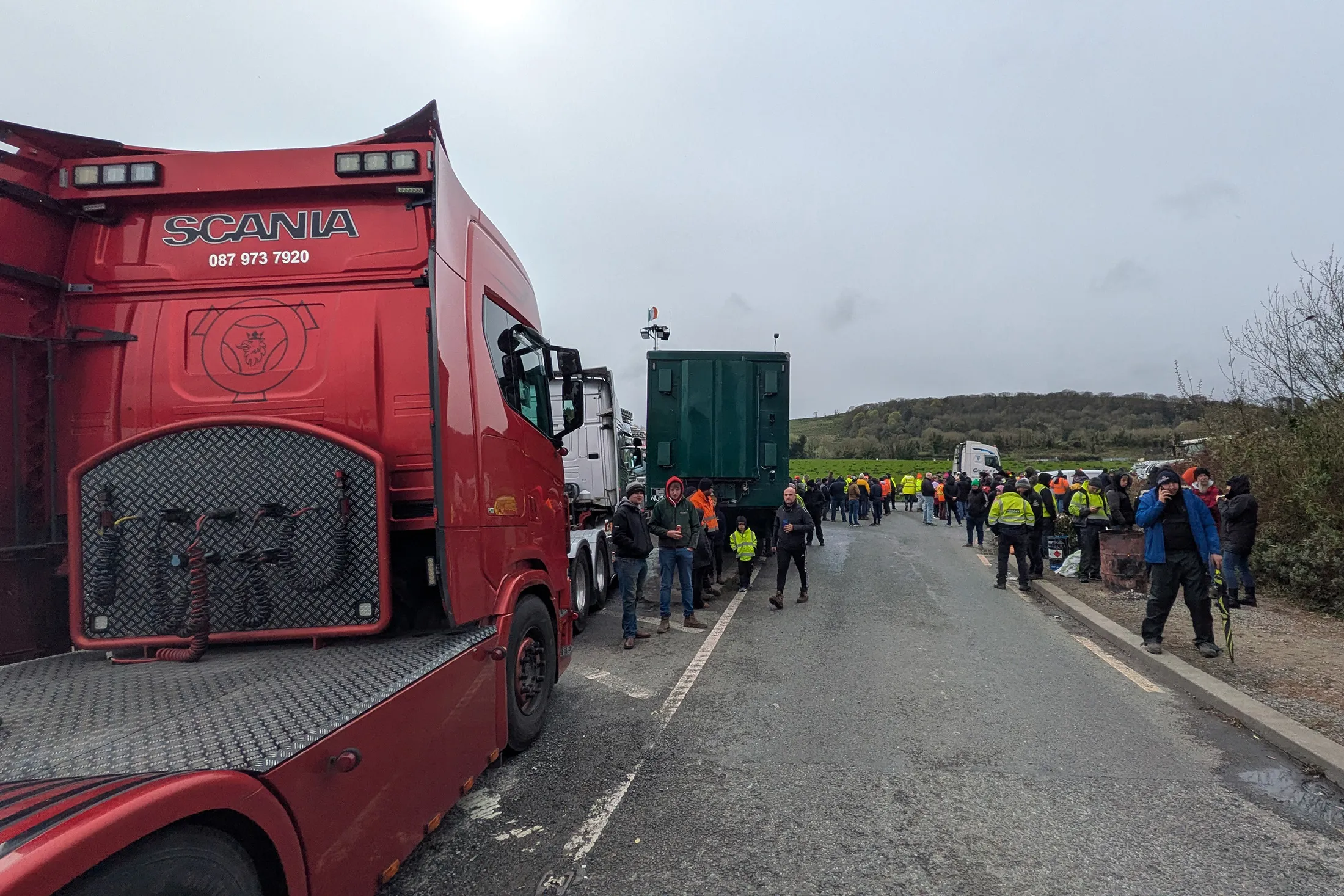
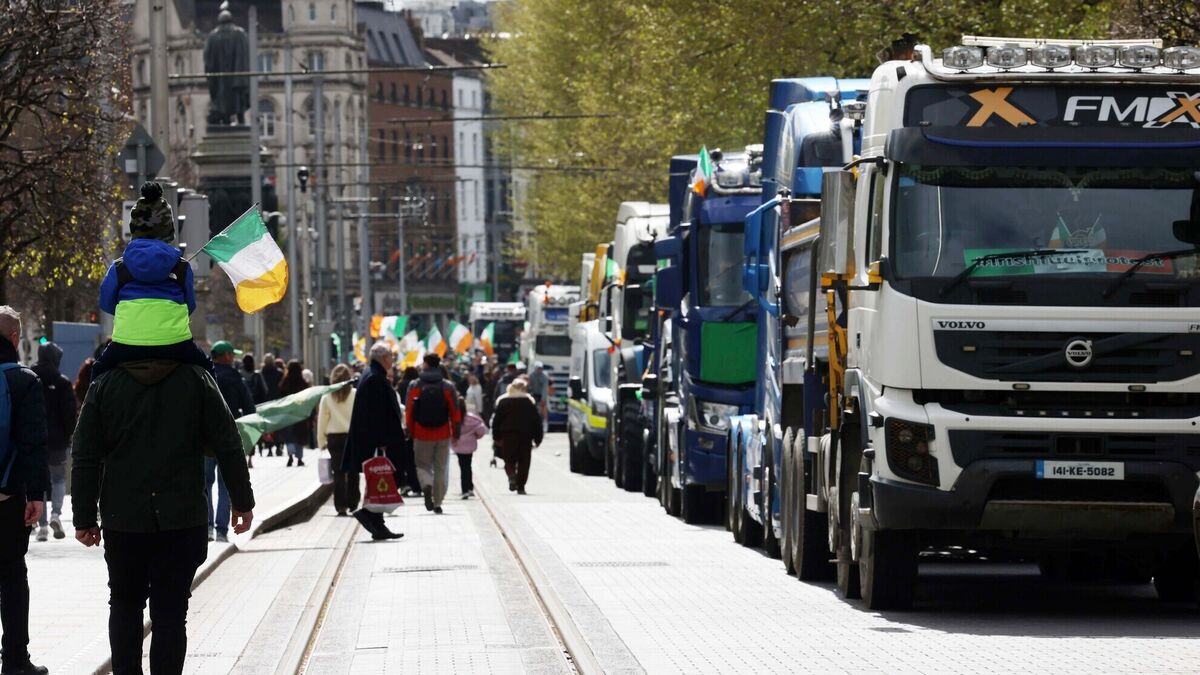
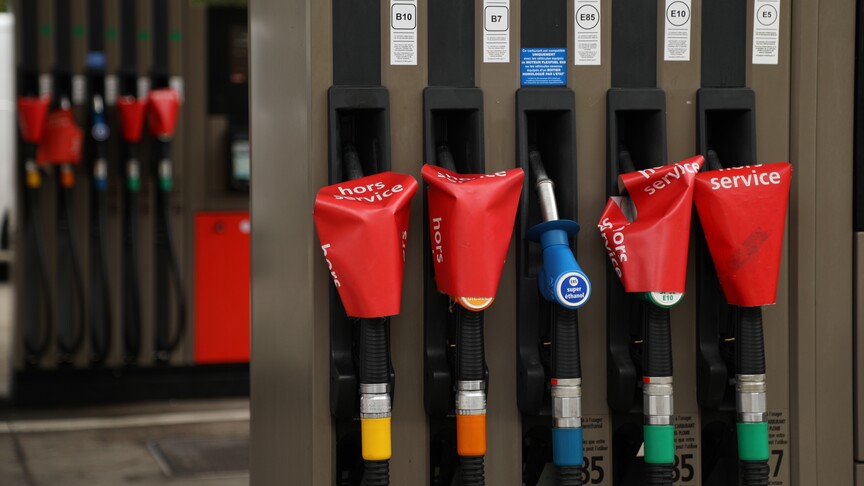
Ireland's escalating fuel crisis represents a critical supply chain disruption for cross-border e-commerce sellers operating through Irish fulfillment networks and ports. Beginning Tuesday and intensifying through Sunday, protests by truckers, farmers, and taxi operators blockaded Rosslare Europort (Ireland's primary freight entry point), Whitegate Refinery in County Cork, and three major fuel distribution hubs in Cork, Galway, and Limerick counties. By Saturday, over one-third of Ireland's 1,500 service stations had depleted fuel supplies, with diesel prices surging 27% from €1.70 to €2.17 per liter and petrol increasing 25 cents per liter. The Strait of Hormuz closure has halted approximately 20% of global oil trade, creating unprecedented supply chain challenges that extend beyond Ireland to Northern Ireland and UK cross-border operations.
Direct Impact on E-Commerce Logistics: Sellers relying on Irish fulfillment centers and distribution networks face immediate operational cost increases. Fuel shortages directly increase logistics provider operational costs, translating to 8-15% shipping fee increases for sellers using Irish 3PL providers and FBA-equivalent services. Rosslare Europort's harbormaster warned the port would reach capacity Sunday due to stranded cargo, creating 5-10 day delivery delays for inbound inventory from European suppliers and outbound shipments to UK and continental markets. Supply chain delays affect both import freight (from EU suppliers) and export operations (to UK/EU customers), compressing margins for sellers with thin logistics buffers.
Strategic Seller Implications: The crisis reveals vulnerability in Ireland-dependent supply chains. Sellers with inventory concentrated in Irish fulfillment centers should consider diversifying to UK, Netherlands, or German distribution hubs to mitigate future disruptions. Fuel cost inflation will persist even after blockades clear, as global oil prices remain elevated due to Middle East conflict. Sellers should anticipate 3-6 month elevated shipping costs and adjust pricing strategies accordingly. The government's temporary excise tax reductions and diesel rebates for commercial operators provide limited relief, as international price increases negate domestic policy interventions. Sellers should monitor fuel price stabilization timelines and negotiate long-term shipping contracts with 3PL providers before further price escalations occur.
Questions 8
How much will Irish fuel crisis increase shipping costs for cross-border sellers?
Sellers using Irish fulfillment centers and 3PL providers should expect 8-15% shipping fee increases over the next 3-6 months. Diesel prices surged 27% from €1.70 to €2.17 per liter, and logistics providers typically pass 60-80% of fuel cost increases to customers. For sellers shipping 1,000+ units monthly through Irish hubs, this translates to €200-400 additional monthly costs. The Strait of Hormuz closure halting 20% of global oil trade suggests sustained elevated fuel prices beyond the immediate protest period, making this a structural cost increase rather than temporary disruption.
What delivery delays should sellers expect from Irish fulfillment operations?
Sellers should anticipate 5-10 day delivery delays for both inbound inventory from European suppliers and outbound shipments to UK/continental customers. Rosslare Europort's harbormaster warned the port would reach capacity Sunday, creating processing backlogs. Supply chain delays affect cross-border operations in both directions: EU suppliers shipping to Irish fulfillment centers face delays, and sellers shipping from Ireland to UK/EU customers experience extended transit times. These delays compound during peak seasons (Q4 holiday, Q1 spring), making immediate inventory repositioning critical for sellers dependent on Irish logistics.