





Middle East Conflict Disrupts Supply Chains | Cross-Border Sellers Face Logistics Challenges
- Regional instability threatens shipping routes, increases insurance costs 15-25%, impacts diaspora consumer markets across Australia, Africa, Europe





















)





Overview
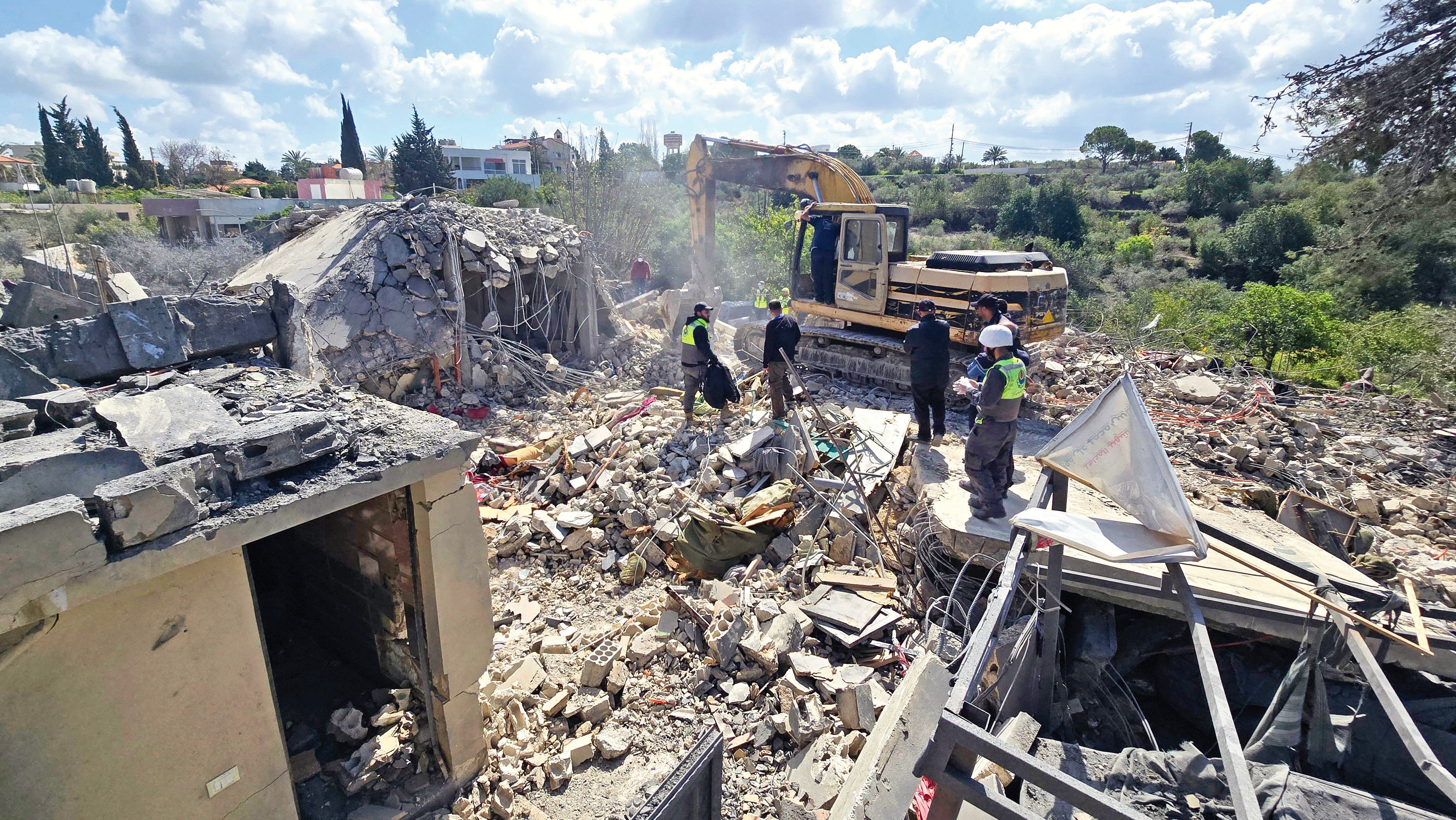
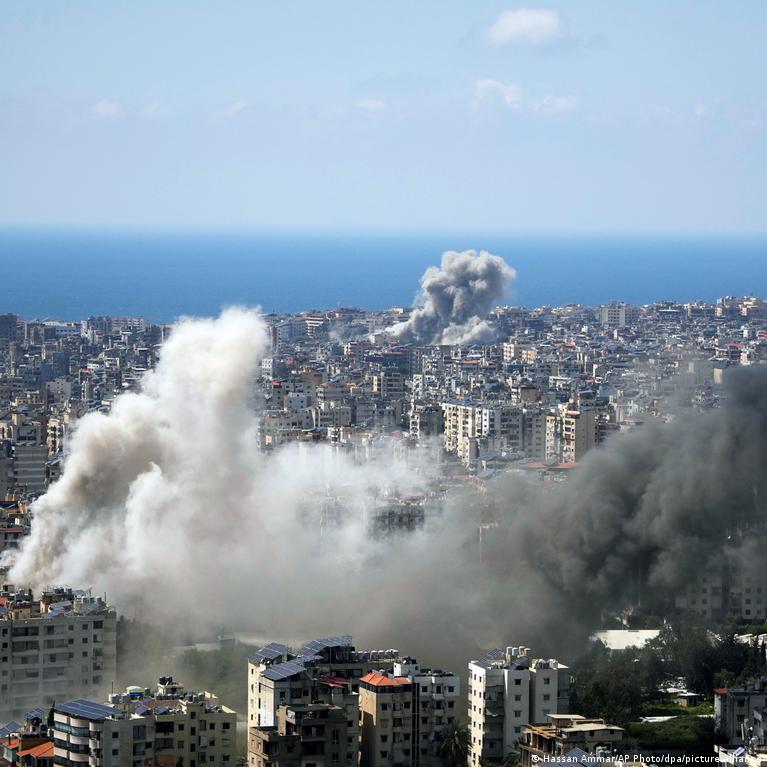
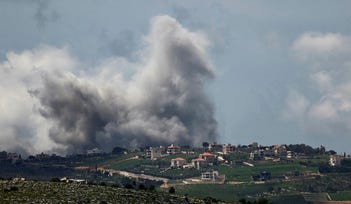
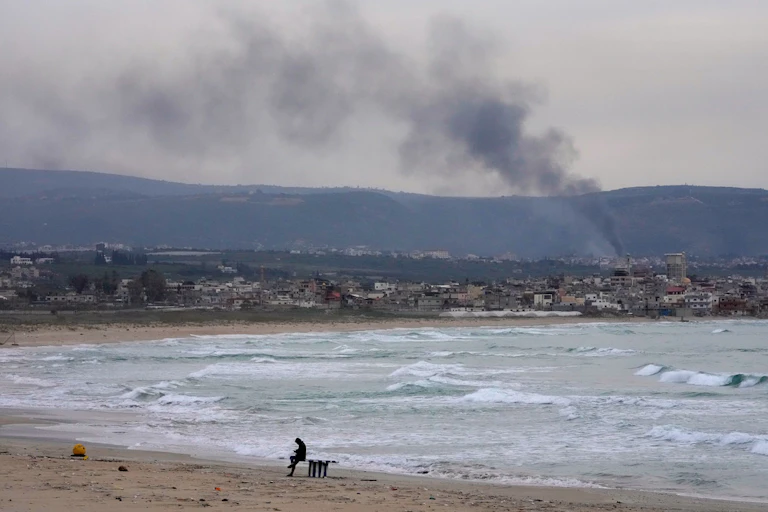
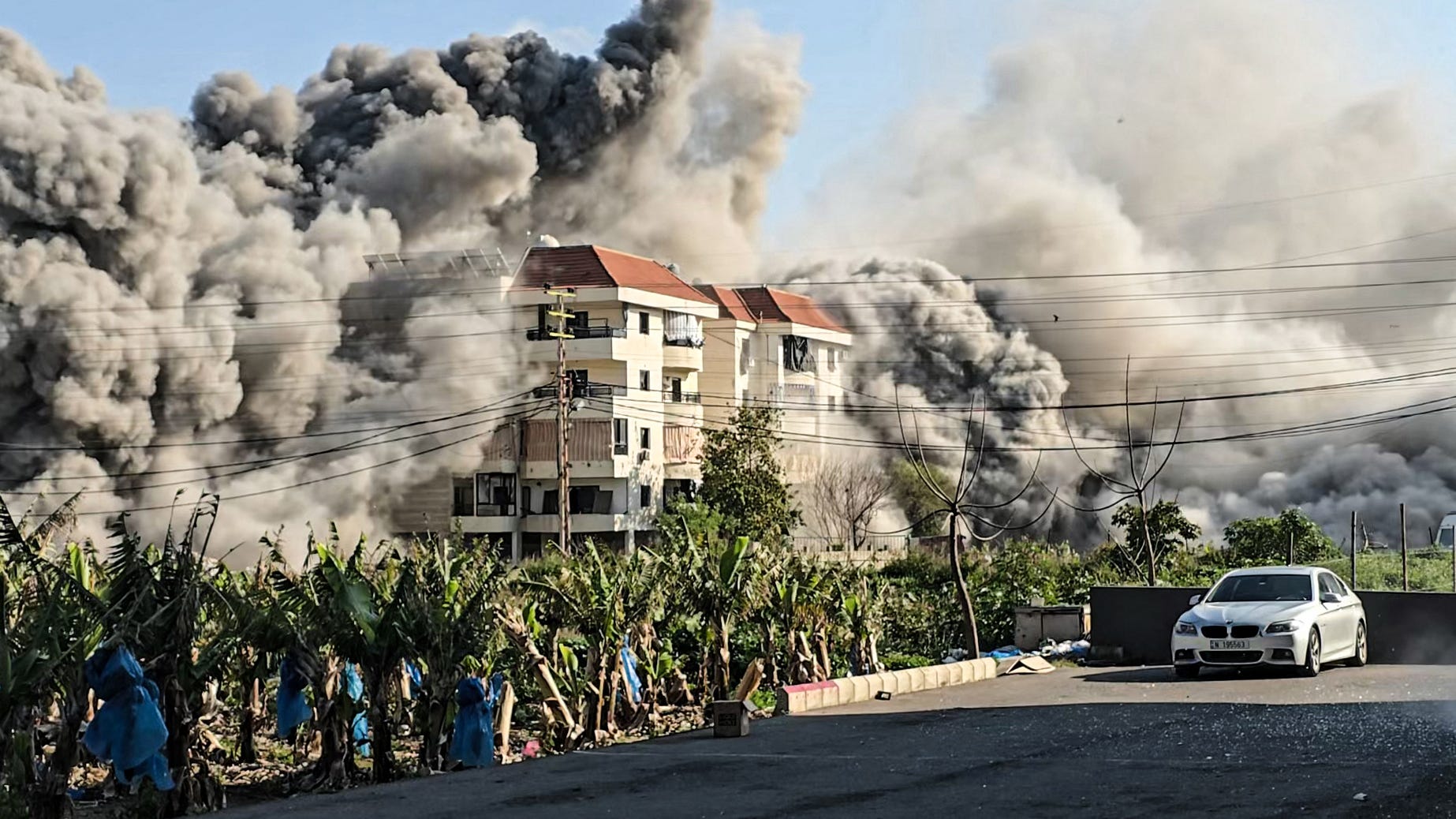
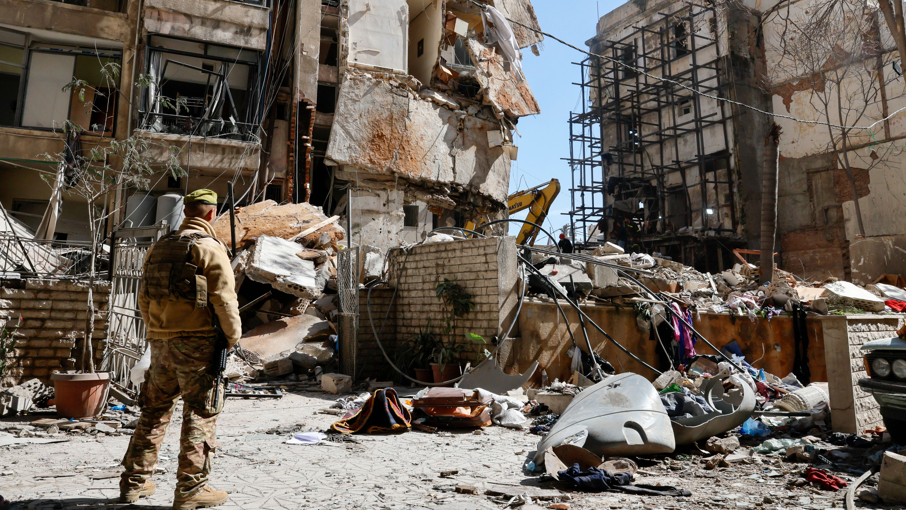
The escalating Israel-Lebanon conflict (April 2026) presents significant operational challenges for cross-border e-commerce sellers, particularly those serving diaspora communities and relying on Middle Eastern logistics networks. The systematic destruction of southern Lebanese villages—including Taybeh, Naqoura, and Deir Seryan—combined with Hezbollah's demonstrated military resilience following a 15-month ceasefire, creates a volatile environment affecting multiple seller segments.
Direct Supply Chain Impact: The conflict disrupts traditional shipping corridors through the Eastern Mediterranean. Sellers utilizing Lebanese ports or routing inventory through regional hubs face 2-4 week delays and 15-25% insurance premium increases. Logistics providers are rerouting shipments through alternative ports (Cyprus, Egypt), adding $150-300 per container to fulfillment costs. For sellers managing 500+ monthly shipments to Middle Eastern markets, this translates to $75,000-150,000 in additional quarterly expenses.
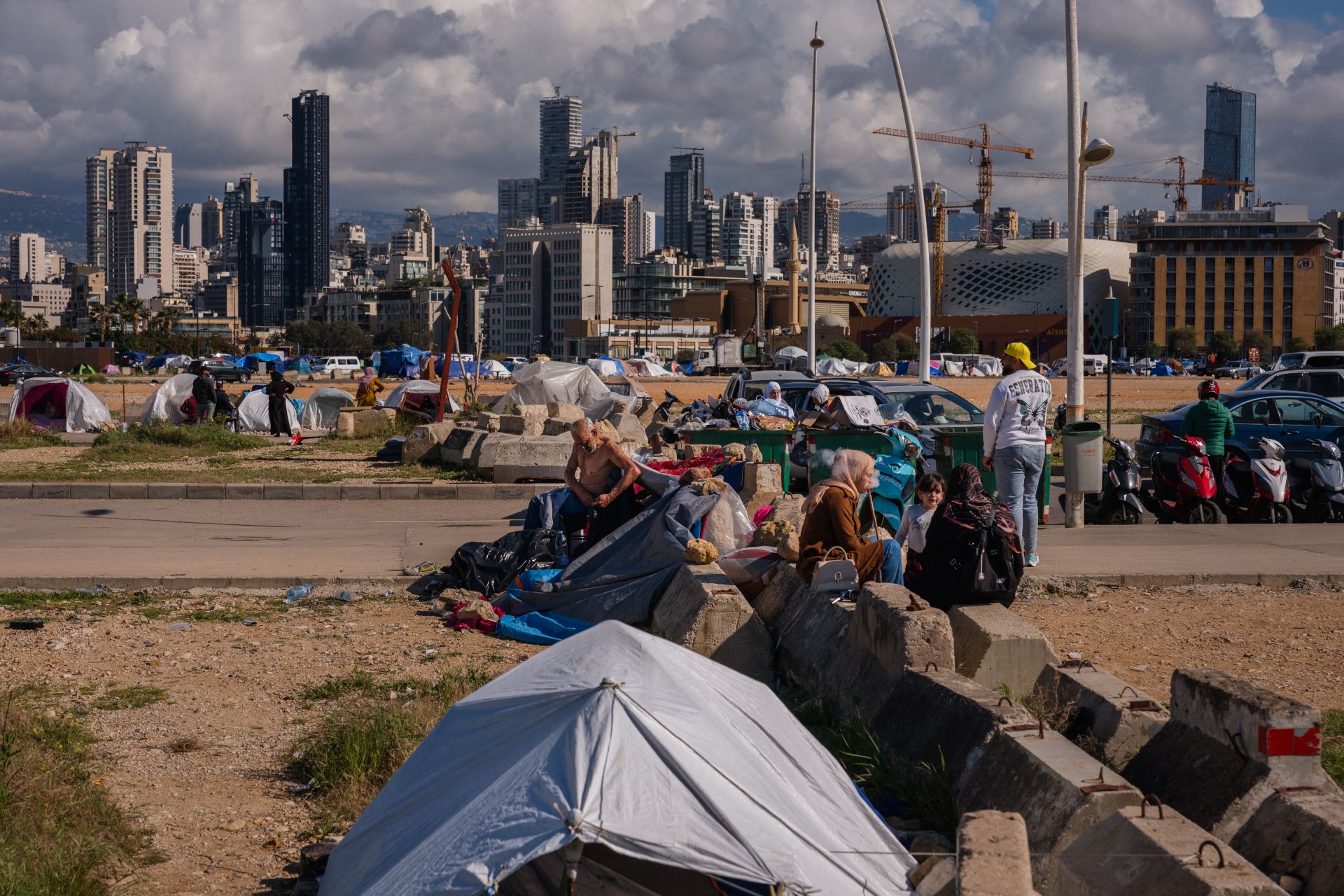
Diaspora Market Opportunity: The news reveals a critical consumer segment: diaspora families from destroyed villages scattered across Australia, Africa, and Europe who historically returned seasonally. These communities represent high-value buyers of heritage products, cultural merchandise, and nostalgic goods. The Luna motel's 100% summer occupancy and seasonal return patterns indicate strong purchasing power during diaspora travel seasons. Sellers offering Lebanese cultural products, traditional crafts, heritage foods, and family-oriented merchandise can capitalize on this displaced population's increased online shopping dependency as physical travel becomes restricted.
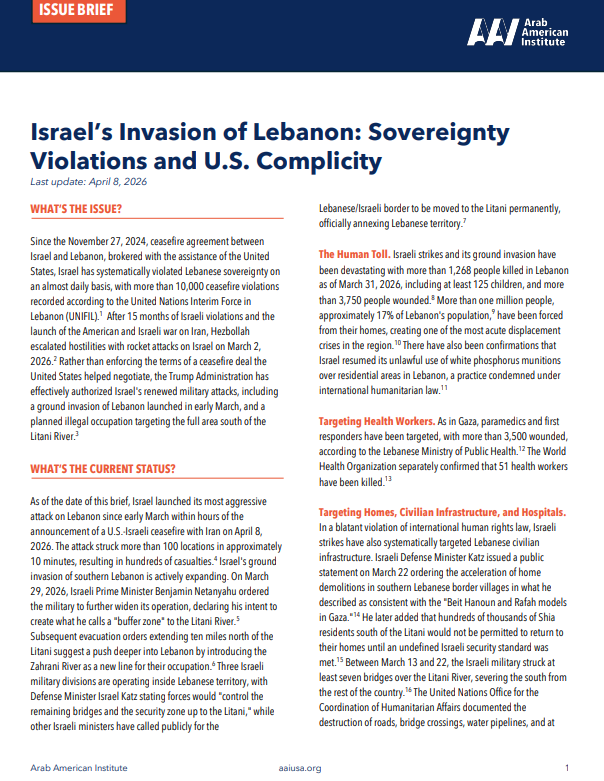
Market Volatility and Risk Management: The conflict demonstrates how geopolitical dormancy periods mask operational rebuilding—Hezbollah's 15-month ceasefire enabled weapons production and tactical adaptation. Similarly, sellers must reassess inventory positioning in conflict-adjacent regions. Sellers with inventory in Israel, Lebanon, or Jordan face potential customs delays, port closures, and regulatory uncertainty. The announcement of Israeli occupation zones up to the Litani River suggests long-term market access restrictions for Lebanese-based suppliers and sellers.
Currency and Payment Disruption: Regional banking instability typically accompanies military escalation. Lebanese pound volatility and potential payment processing delays affect sellers accepting regional customers. Cross-border payment processors may increase transaction fees or restrict Lebanese merchant accounts, reducing market accessibility for local sellers attempting to reach international audiences.
Questions 8
How does the Israel-Lebanon conflict affect cross-border sellers shipping to Middle East?
The April 2026 escalation creates 2-4 week shipping delays and 15-25% insurance cost increases for sellers using Eastern Mediterranean routes. Port operations in Beirut face potential disruptions, forcing rerouting through Cyprus and Egypt, adding $150-300 per container. Sellers with 500+ monthly shipments to the region should immediately diversify logistics providers and budget 20-30% higher fulfillment costs through Q3 2026. Monitor port status daily via shipping broker updates and consider temporary market suspension if delays exceed 6 weeks.
Should sellers maintain inventory in Israel or Lebanon during conflict?
No. The systematic village destruction and announced Israeli occupation zones up to the Litani River indicate long-term market access restrictions. Sellers with inventory in Lebanon face customs delays, potential port closures, and regulatory uncertainty. Israeli-based inventory faces rocket attack risks affecting warehouse operations. Recommend relocating inventory to neutral hubs (Cyprus, Turkey, UAE) within 30 days. Calculate relocation costs against potential loss from market access restrictions—most sellers find 3PL repositioning more cost-effective than maintaining regional exposure.