



Strait of Hormuz Shipping Crisis | Critical Supply Chain Impact for Cross-Border Sellers
- Failed US-Iran negotiations collapse shipping corridor hopes; 20% of global oil trade disrupted; sellers face 8-15% fuel surcharges and 2-4 week delivery delays through Middle East routes

















Overview
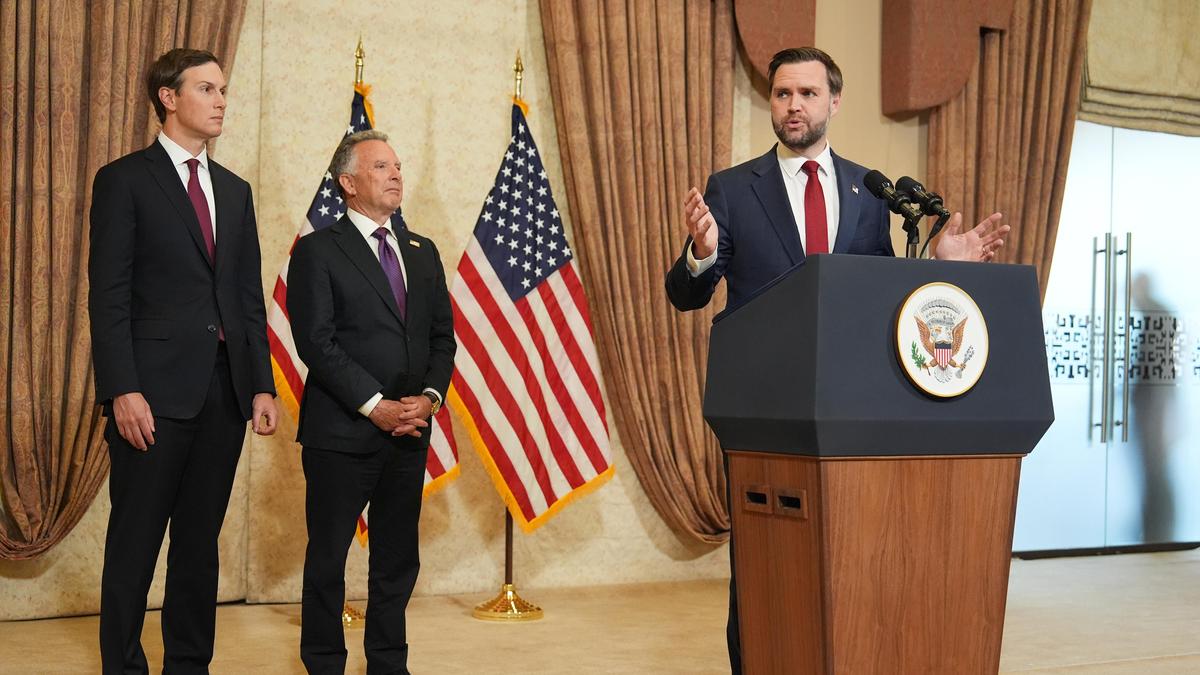
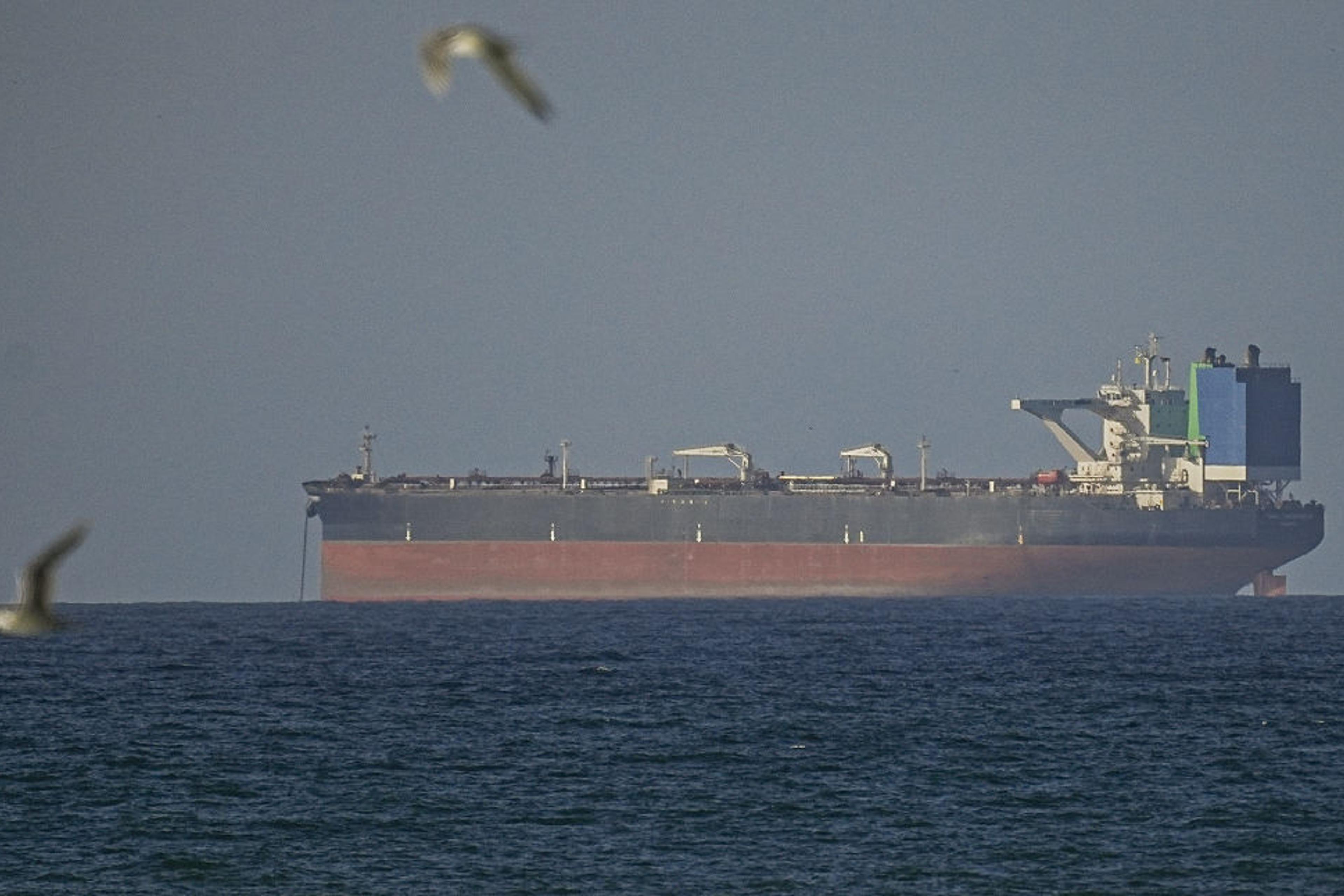
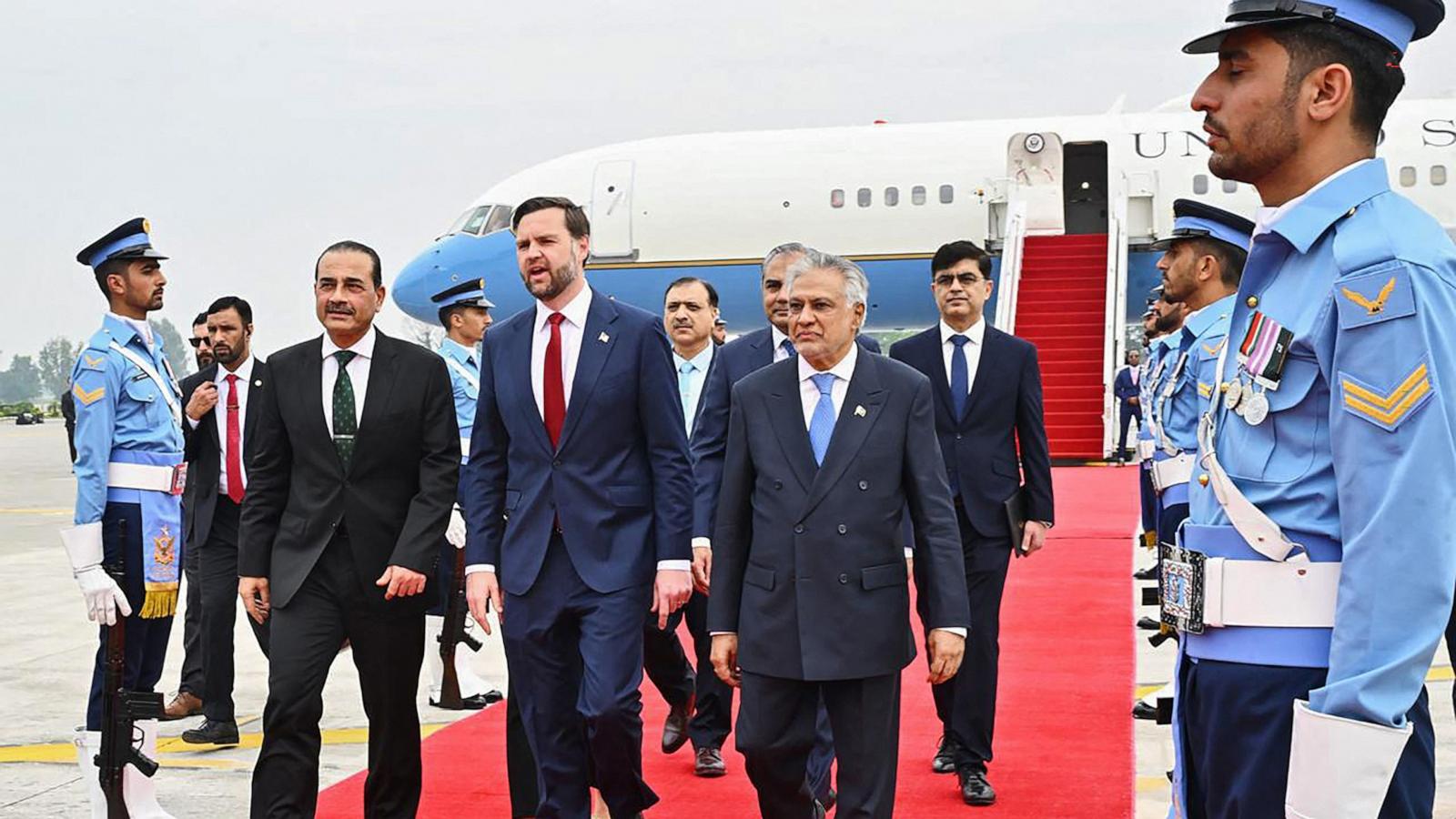
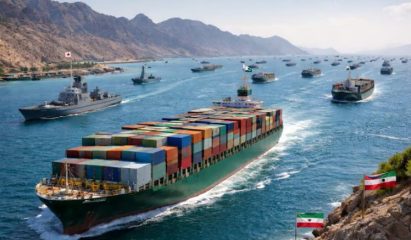
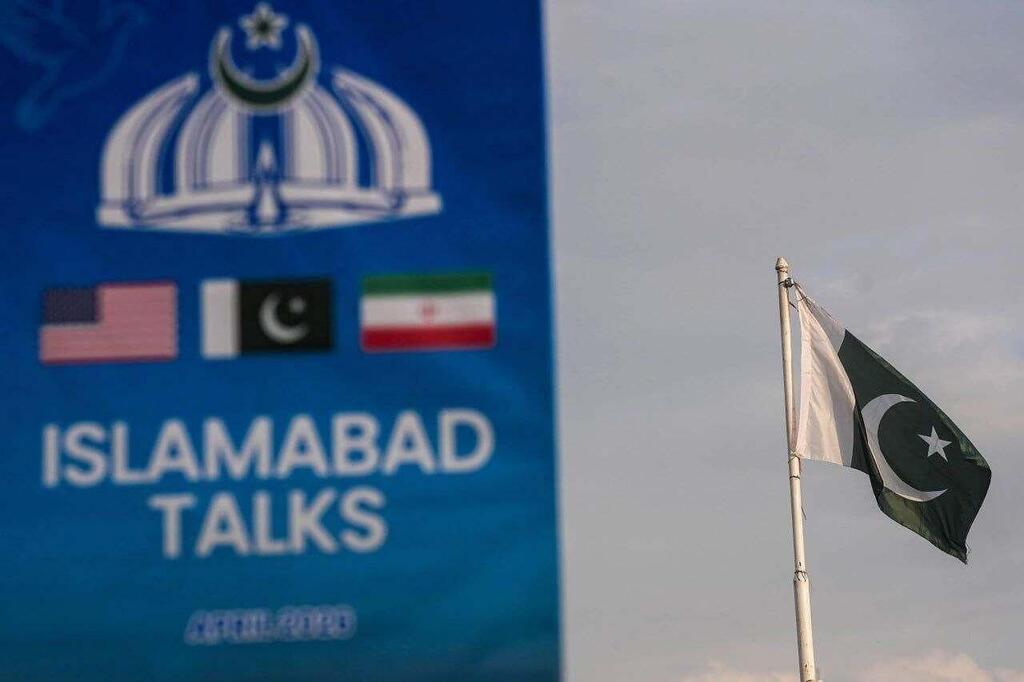
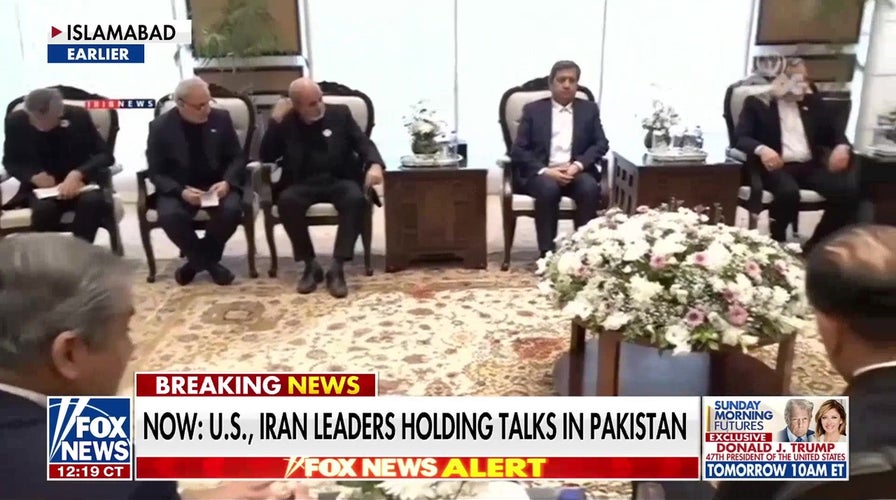
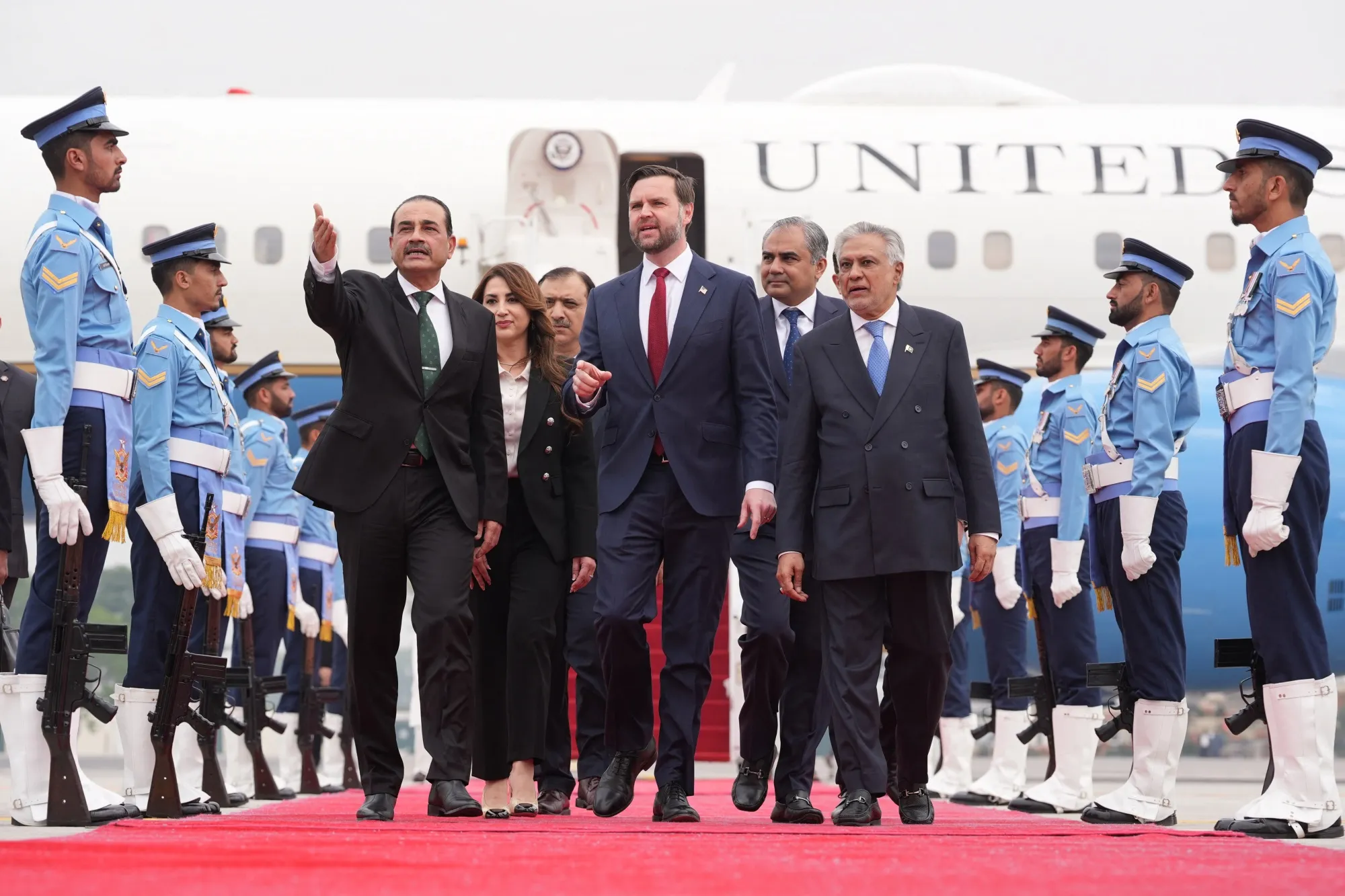
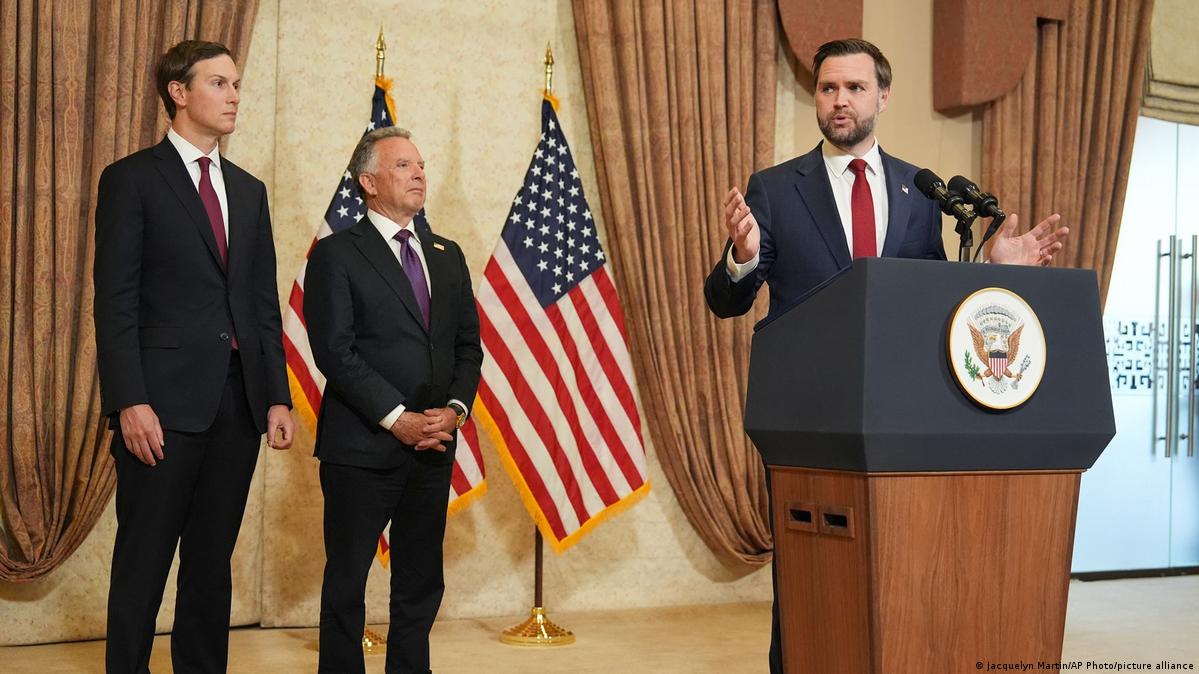
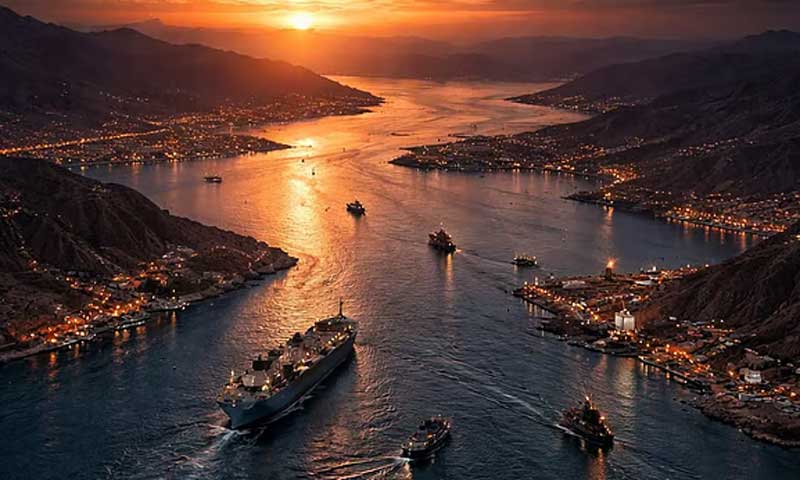
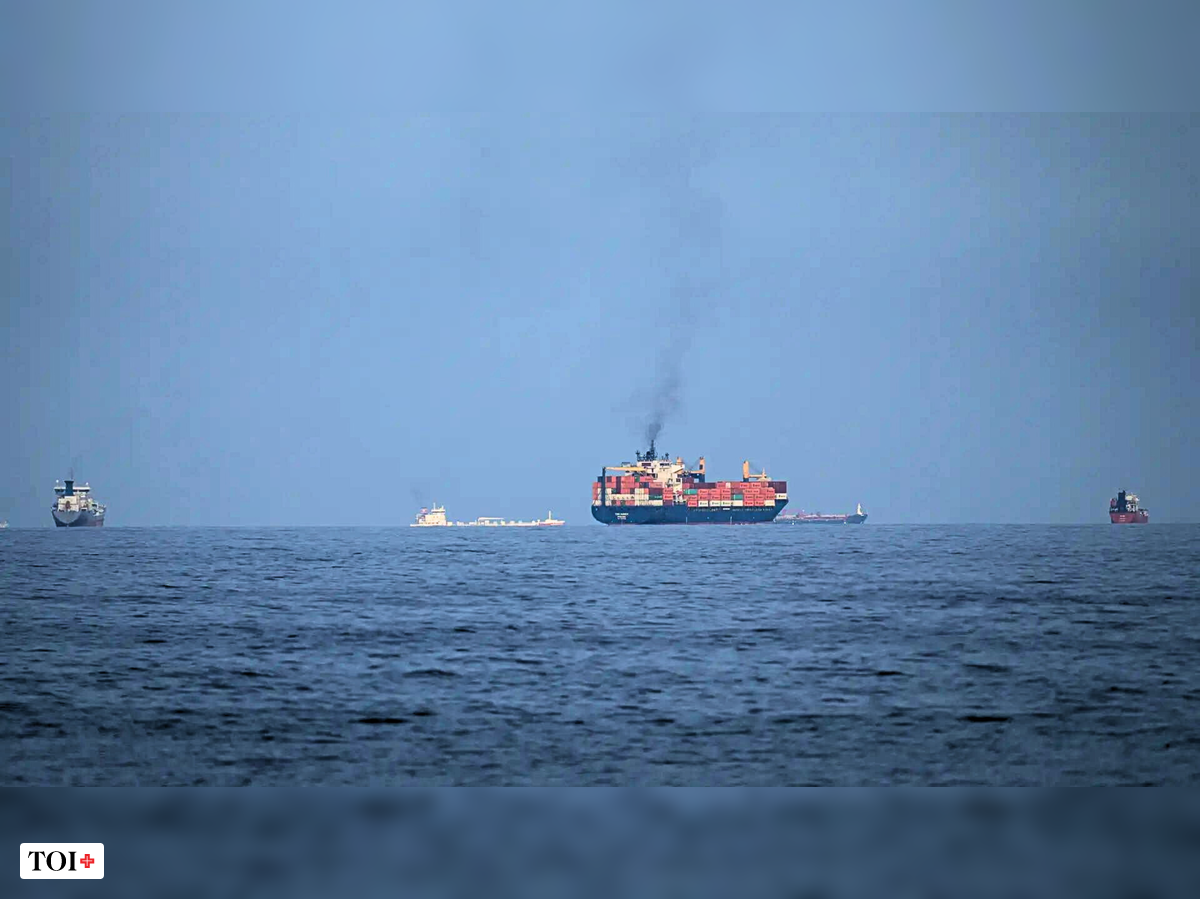
The collapse of historic US-Iran peace negotiations in Islamabad on April 12, 2026, represents a critical turning point for global maritime commerce and cross-border e-commerce logistics. The Strait of Hormuz, through which approximately 20-21% of global petroleum and natural gas trade passes, remains under contested control following the failed talks led by US Vice President JD Vance. Iran's closure of this strategic waterway has directly disrupted global energy markets and supply chains, creating immediate operational challenges for sellers relying on maritime logistics through Middle Eastern routes.
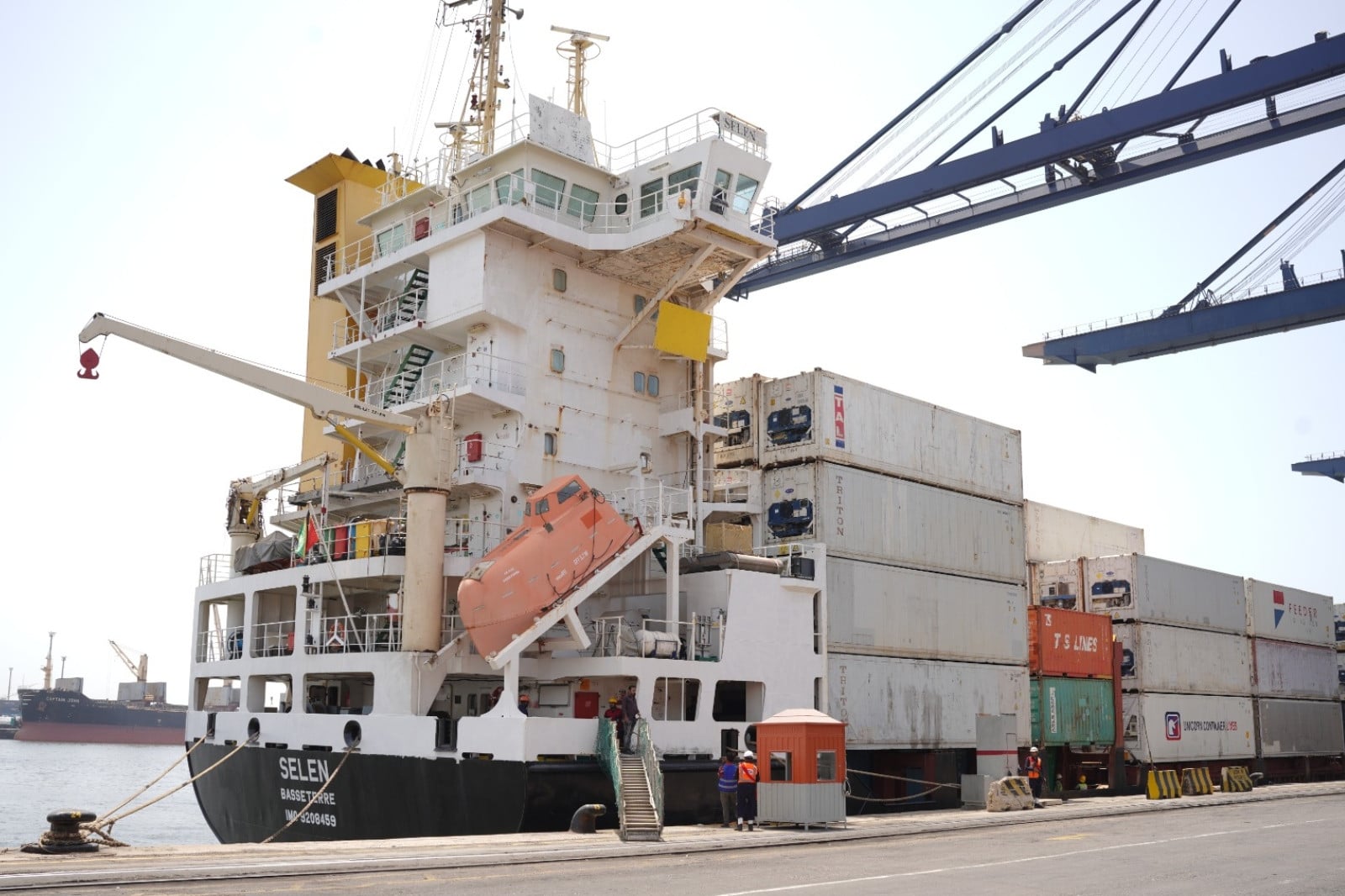
Immediate Shipping Impact: The two-week ceasefire that began February 28, 2025, provided temporary relief, but the breakdown of negotiations signals prolonged regional instability. Sellers utilizing maritime corridors through the Strait face 8-15% fuel surcharges due to energy price volatility, 2-4 week delivery delays as vessels reroute around Africa (adding 4,000+ nautical miles), and elevated insurance costs (typically 2-5% premium increases for high-risk zones). Pakistani Foreign Minister Ishaq Dar's announcement of a limited arrangement permitting 20 Pakistani-flagged vessels with 2-ship daily capacity offers minimal relief, as this specifically benefits Pakistani exporters rather than general international shipping. The vague nature of this arrangement—announced via social media without formal bilateral agreements or regulatory filings—raises credibility concerns among shipping industry observers.
Competitive Dynamics & Sourcing Shifts: The crisis creates distinct advantages for sellers with diversified sourcing strategies. Sellers currently dependent on China-to-Middle East-to-Europe routes face the highest cost impact, while those with Vietnam, India, or Southeast Asian sourcing alternatives can partially mitigate delays. Pakistani exporters gain temporary competitive advantages through the limited transit arrangement, though this window remains uncertain pending sustained diplomatic cooperation. Small and medium-sized sellers (SMEs) with limited logistics flexibility face disproportionate margin compression, while larger sellers with 3PL partnerships and alternative routing capabilities can absorb costs more effectively. The ongoing Israeli military operations against Iran and Hezbollah in Lebanon (2,000+ deaths, 6,300+ wounded) suggest prolonged regional conflict, extending the timeline for shipping normalization beyond the immediate 30-90 day window.
Strategic Implications for Sellers: The failed negotiations indicate nuclear enrichment remains the critical stalemate point, with the White House demanding cast-iron commitments against weapons development that Iran appears unwilling to provide. This suggests military escalation risks remain elevated, potentially triggering additional Strait closures or mine-laying incidents. Commodore Ehsan Ahmed Khan's assessment that "many vessels have continued transiting safely with no mine incidents reported" provides limited reassurance, as the situation remains volatile. Sellers should expect sustained shipping uncertainty through Q2-Q3 2026, with potential for rapid escalation if diplomatic efforts resume without breakthrough. The arrangement's success depends entirely on sustained cooperation between Iran and Pakistan, both subject to rapid geopolitical shifts. Industry observers recommend avoiding logistics decisions based solely on diplomatic announcements and instead implementing contingency routing through alternative corridors (Red Sea, Indian Ocean, longer Africa routes) with 15-20% cost premiums factored into pricing models.
Questions 7
Which seller segments benefit most from Pakistan's limited Hormuz transit arrangement?
Pakistani exporters gain the most direct advantage from Foreign Minister Ishaq Dar's announcement permitting 20 Pakistani-flagged vessels with 2-ship daily capacity through the Strait. This arrangement specifically benefits Pakistani sellers in textiles, electronics, and agricultural products exporting to Middle Eastern and European markets. However, the arrangement lacks formal bilateral agreements or regulatory filings, raising credibility concerns among shipping industry observers. General international sellers should avoid making logistics decisions based solely on this announcement, as execution remains uncertain and dependent on sustained Iran-Pakistan diplomatic cooperation. Industry observers recommend awaiting concrete implementation evidence before adjusting supply chain strategies.
How does the Strait of Hormuz closure impact cross-border e-commerce shipping costs?
The Strait of Hormuz closure directly increases shipping costs by 8-15% through fuel surcharges and forces vessels to reroute around Africa, adding 4,000+ nautical miles and 2-4 weeks to delivery timelines. Insurance premiums for high-risk maritime zones increase 2-5%, compounding operational costs. Sellers shipping electronics, textiles, or heavy goods from Asia to Europe face the highest impact, with typical cost increases of $200-500 per 20-foot container. The failed April 12, 2026 US-Iran negotiations suggest this disruption will persist through Q2-Q3 2026, requiring sellers to factor 15-20% cost premiums into pricing models or absorb margin compression.