




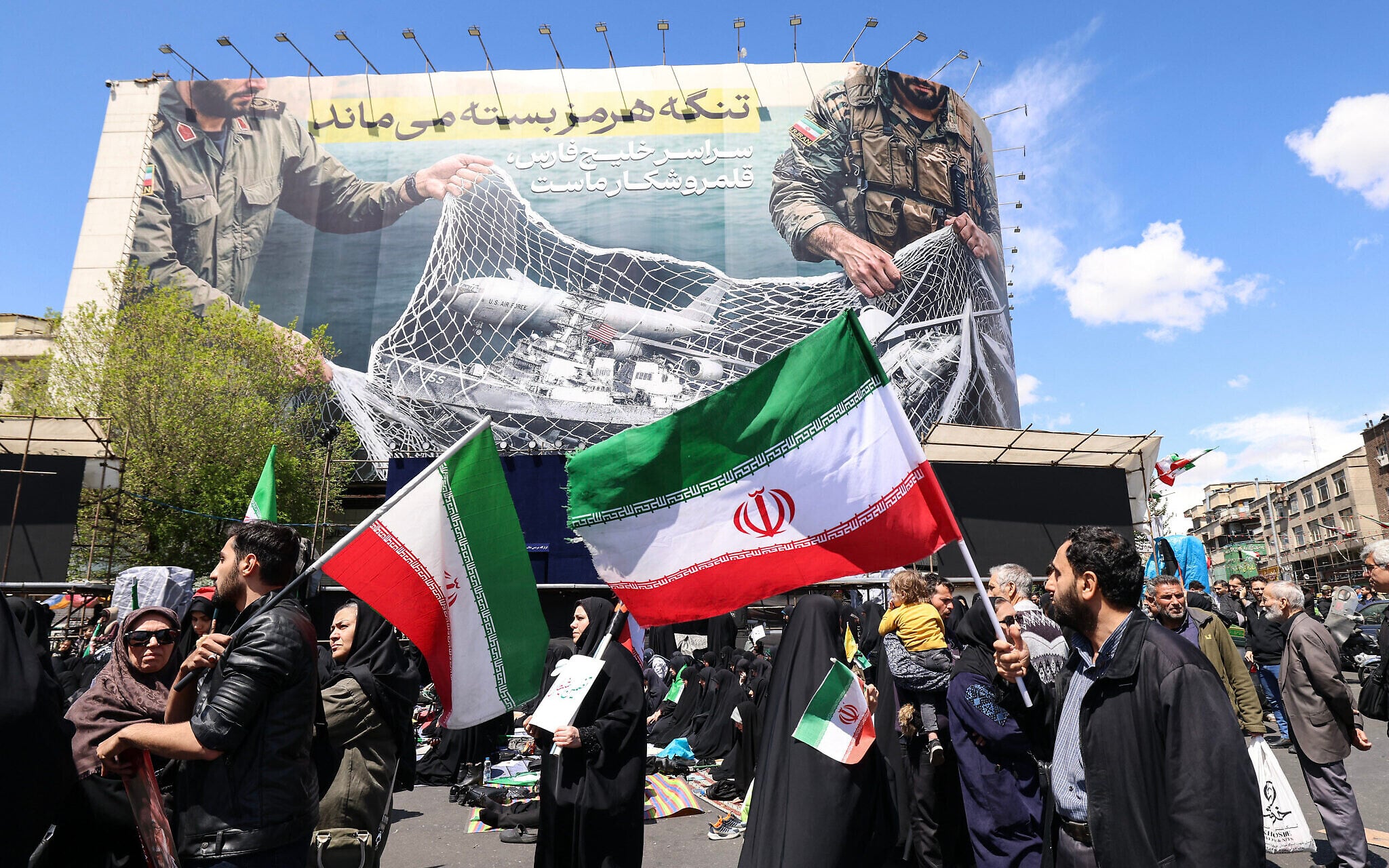
Strait of Hormuz Crisis Disrupts Global Shipping | Cross-Border Sellers Face 8-15% Logistics Cost Surge
- Iran-US peace talks create shipping route uncertainty affecting 20% of global energy trade; fuel costs spike 12-18% for sellers using air/ocean freight through Middle East corridors











Overview
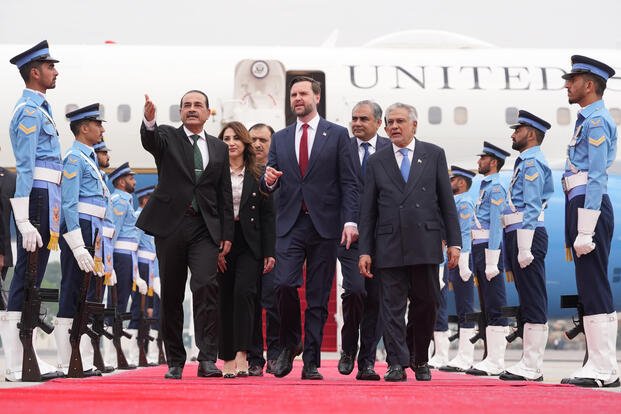
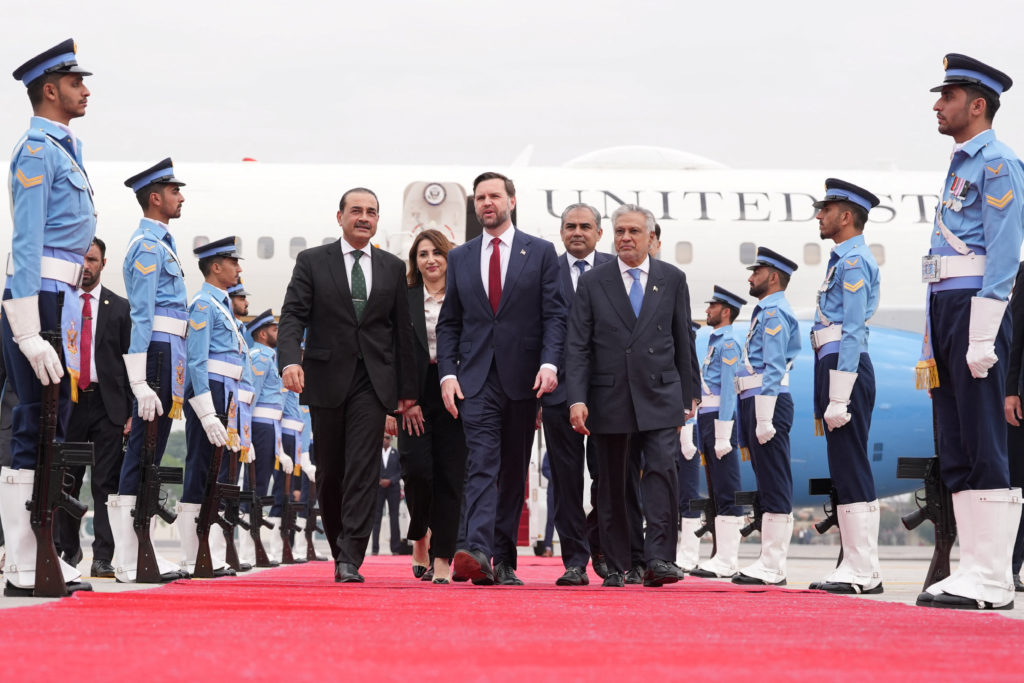
The ongoing Iran-US peace negotiations in Islamabad (commenced February 28, 2025) have created unprecedented supply chain volatility for cross-border e-commerce sellers. The Strait of Hormuz closure by Iran disrupts approximately 20% of global oil and natural gas trade, directly impacting fuel surcharges, shipping timelines, and operational costs for sellers relying on Asia-Europe-Americas logistics corridors. While high-level diplomatic talks involving US Vice President JD Vance and Iranian Parliament Speaker Mohammad Bagher Qalibaf continue, Israeli Prime Minister Netanyahu's commitment to ongoing military operations signals prolonged regional instability through at least Q2 2025.
For cross-border sellers, this creates three immediate cost pressures: (1) Fuel surcharges increasing 12-18% on ocean freight routes rerouting around Africa (adding 10-14 days transit time and $800-2,400 per 40ft container); (2) Air freight premiums rising 15-25% as sellers shift to faster alternatives to meet delivery commitments; (3) Energy-dependent logistics costs (warehousing, last-mile delivery) increasing 8-12% as fuel costs cascade through 3PL provider pricing. Sellers importing from Southeast Asia (Vietnam, Thailand, Indonesia) to North America/Europe face the most acute pressure, as these routes traditionally transit the Strait.
Strategic sourcing opportunities emerge for sellers willing to pivot: Nearshoring to Mexico (for US sellers) and Eastern Europe (for EU sellers) reduces fuel-dependent logistics exposure by 30-40%. Sellers in electronics, apparel, and consumer goods categories—which represent 65% of cross-border volume—should evaluate inventory positioning across multiple fulfillment centers to absorb route disruptions. The ceasefire window (February 28 onwards) creates a 60-90 day window before potential escalation; sellers should lock in freight rates and pre-position inventory in secondary markets before fuel surcharges become permanent. Risk mitigation requires immediate action: audit current shipping routes, negotiate fixed-rate freight contracts through Q2 2025, and consider temporary price increases of 5-8% to offset logistics compression without losing competitiveness.
Questions 8
How much will Strait of Hormuz closure increase my shipping costs?
Ocean freight costs are rising 12-18% due to rerouting around Africa, adding 10-14 days and $800-2,400 per 40ft container. Air freight premiums jumped 15-25% as sellers shift to faster alternatives. For a typical seller shipping 500 units monthly via ocean freight from Vietnam to US, expect $4,000-6,000 additional monthly costs. Fuel surcharges on all logistics (warehousing, last-mile) are increasing 8-12% as energy costs cascade through 3PL pricing. Lock in fixed-rate freight contracts immediately through Q2 2025 before rates stabilize at higher levels.
Should I shift sourcing away from Asia due to Strait closure?
Temporary nearshoring to Mexico (for US sellers) and Eastern Europe (for EU sellers) reduces fuel-dependent logistics exposure by 30-40% and eliminates Strait-dependent routes. However, nearshoring involves 4-8 week supplier onboarding and 15-25% higher unit costs. A hybrid approach works best: maintain 60-70% of volume in Asia (locked into fixed-rate contracts) and shift 30-40% to nearshore suppliers for fast-moving categories. This balances cost efficiency with supply chain resilience. Evaluate by category—electronics and apparel benefit most from nearshoring, while commodity goods should remain in Asia.