



Strait of Hormuz Mine Clearance Restores 33% Global Oil Route | Shipping Cost Surge for E-Commerce Sellers
- 2-month shipping delays expected; freight costs rising 15-25% for Asia-to-US routes; sellers must shift inventory strategy immediately























Overview
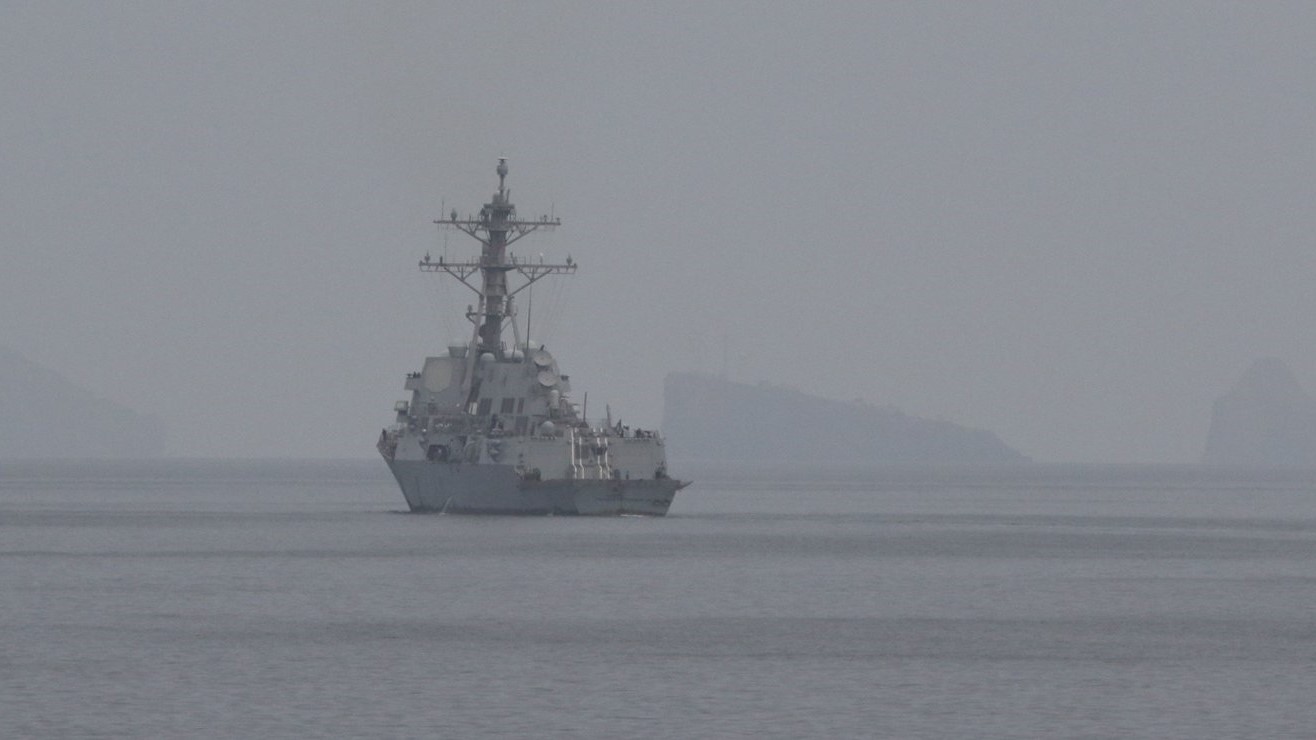
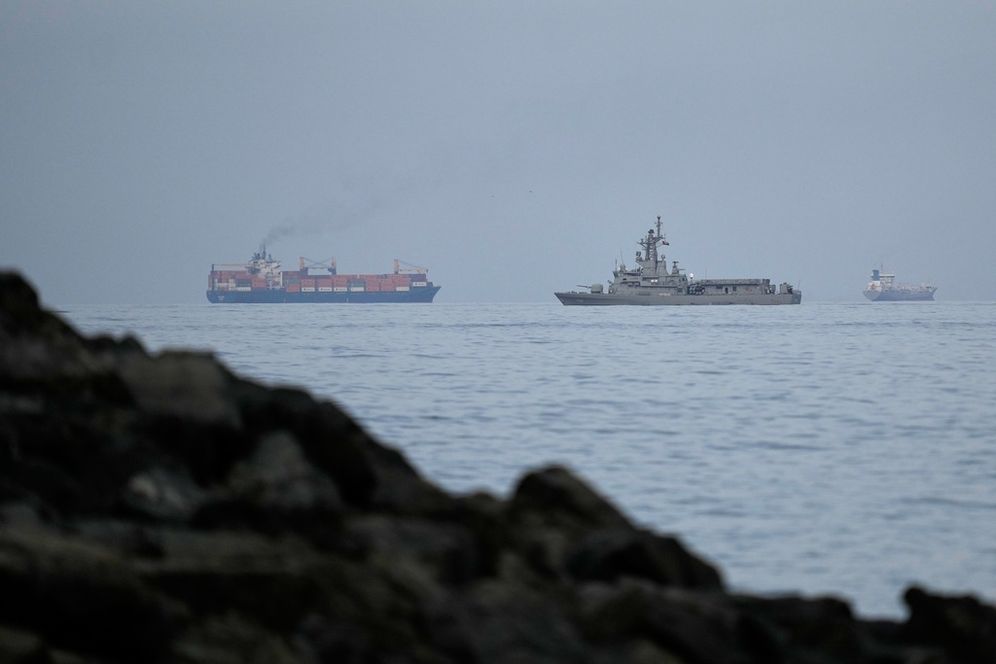
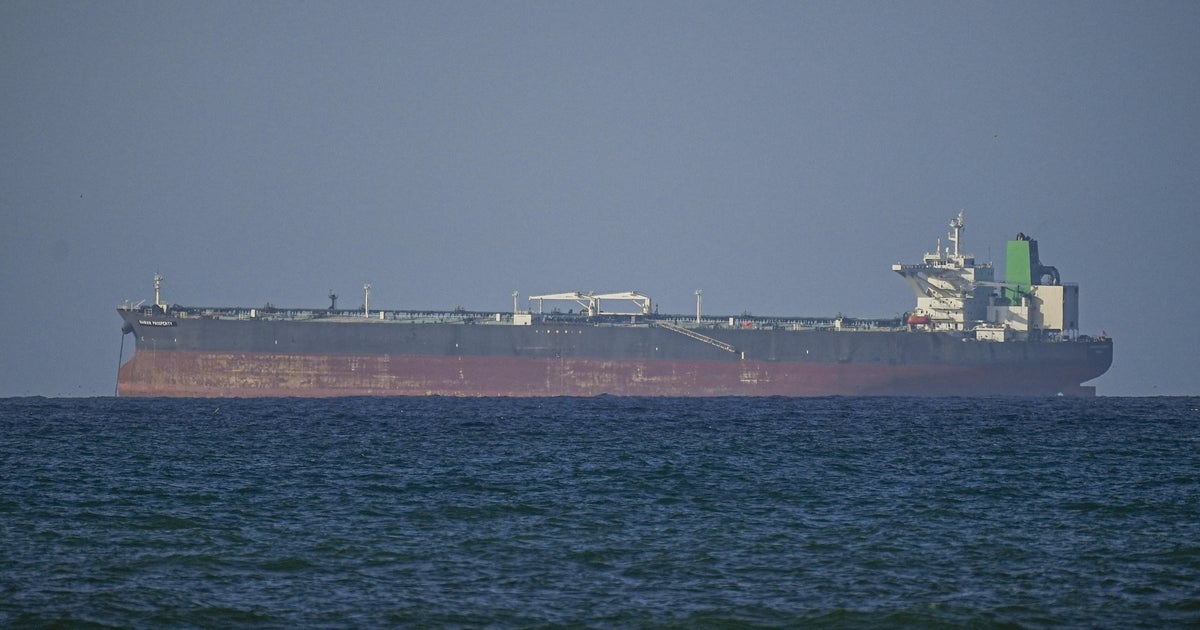
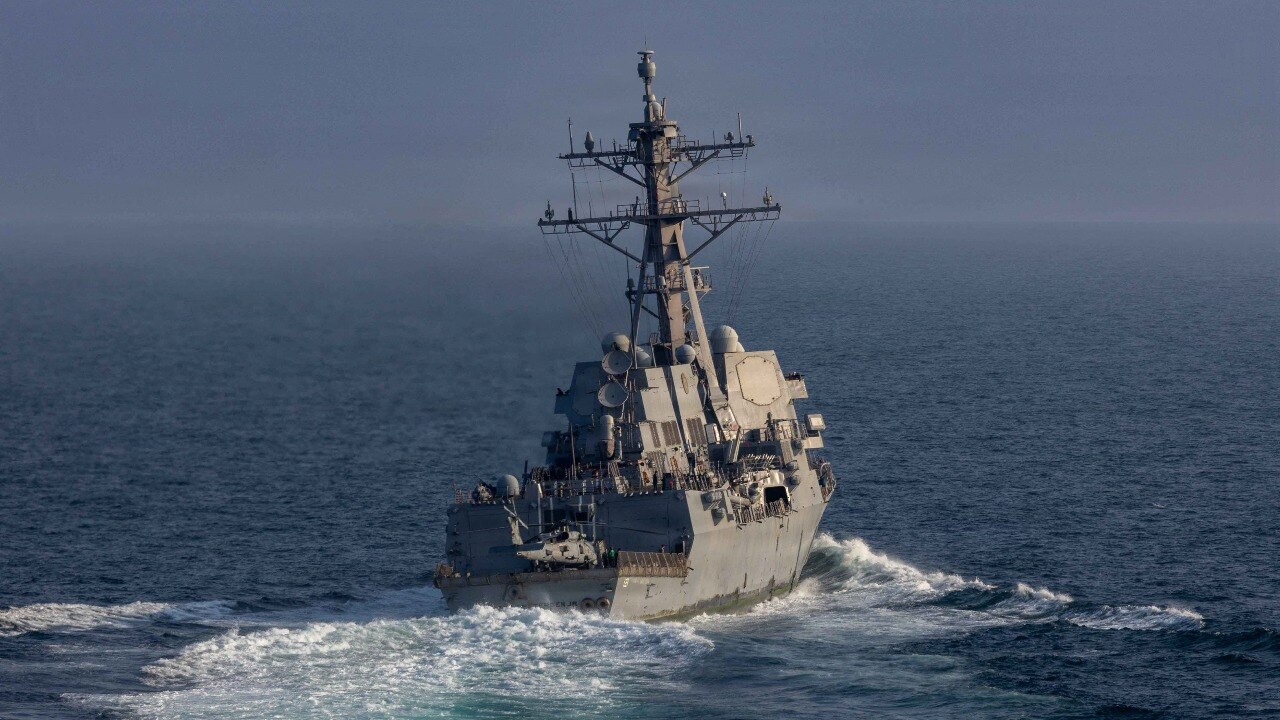
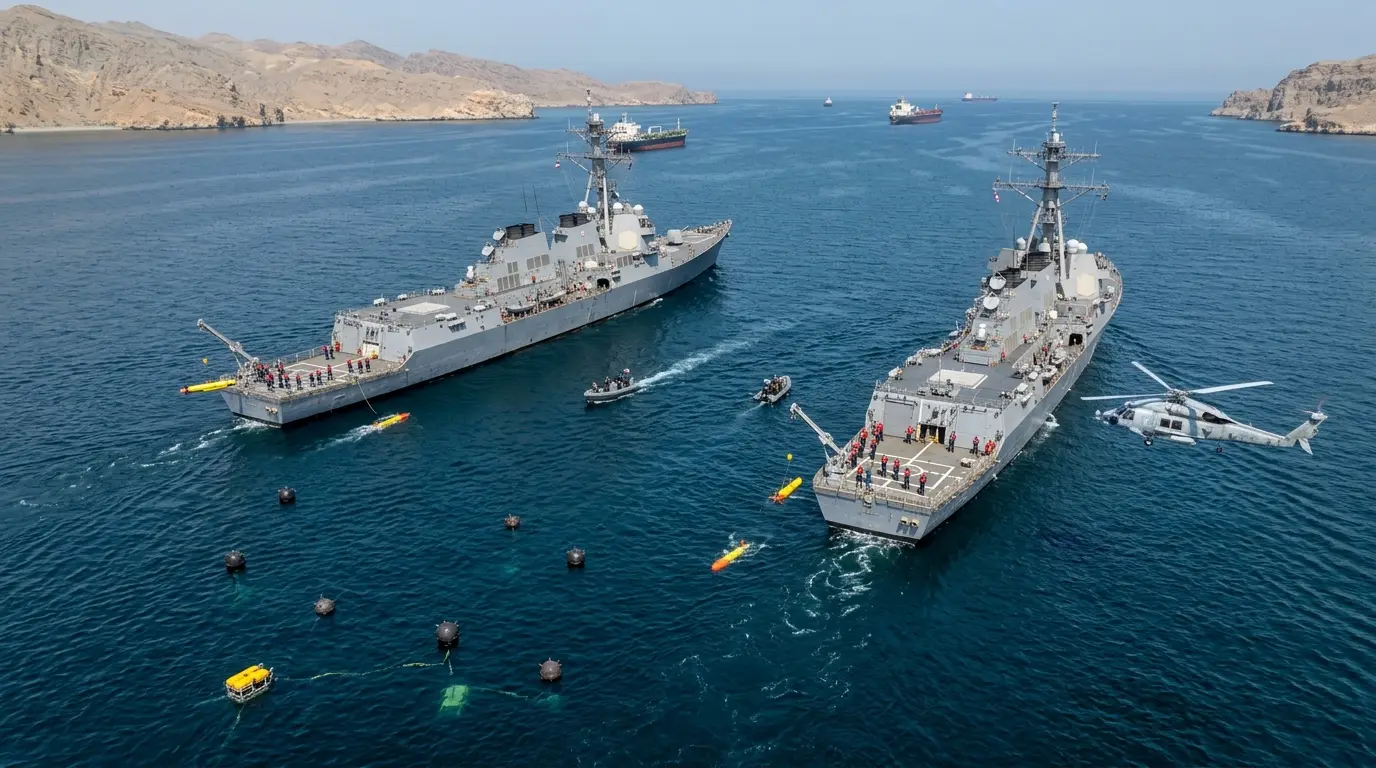
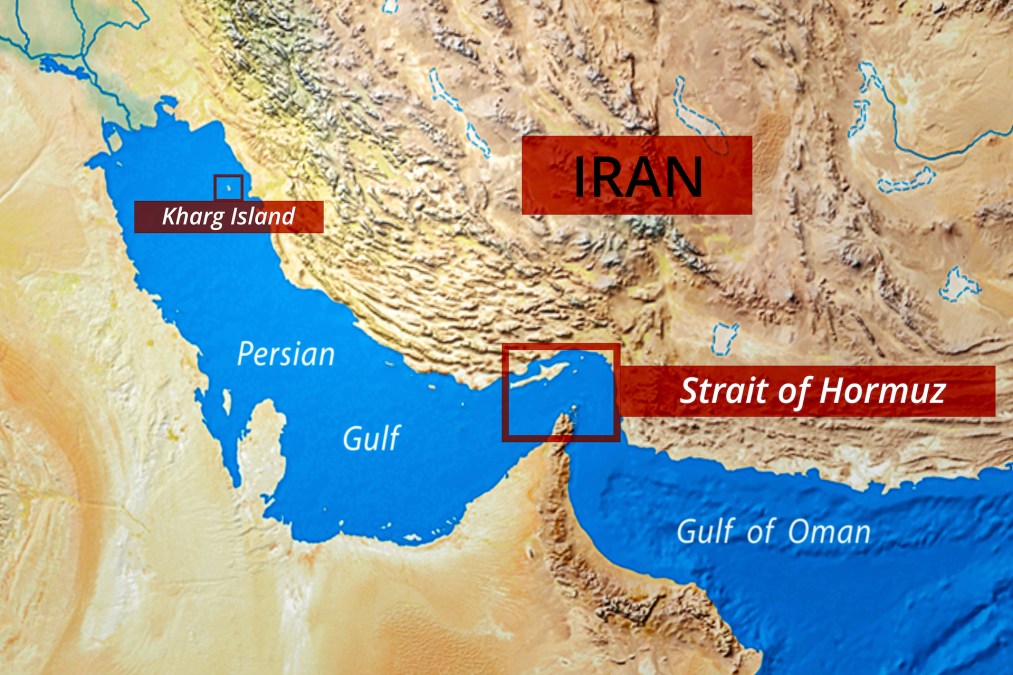
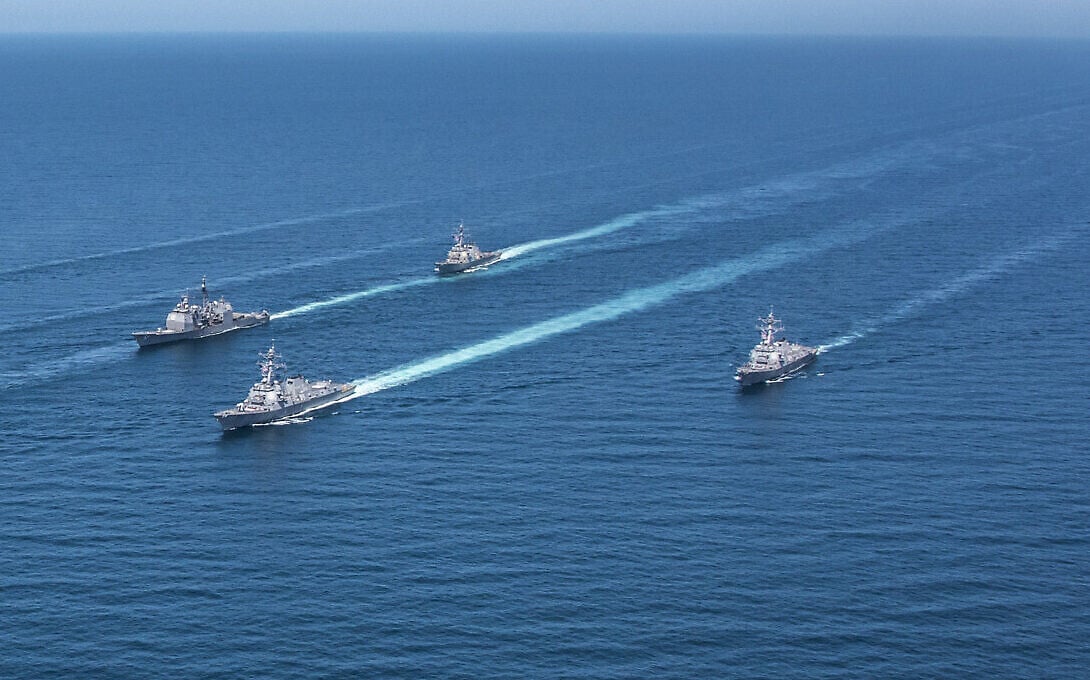
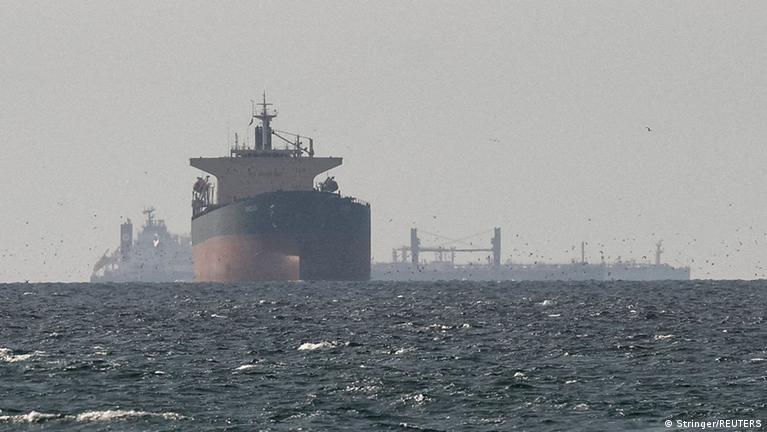
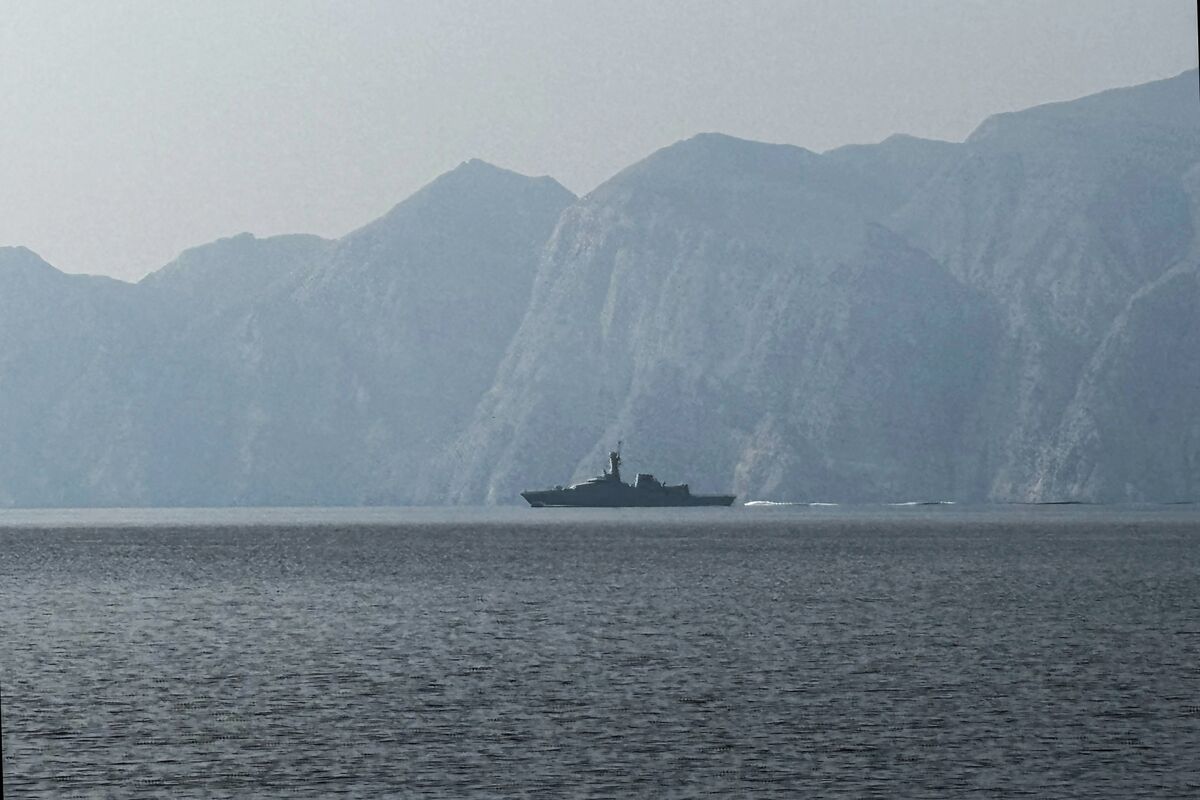
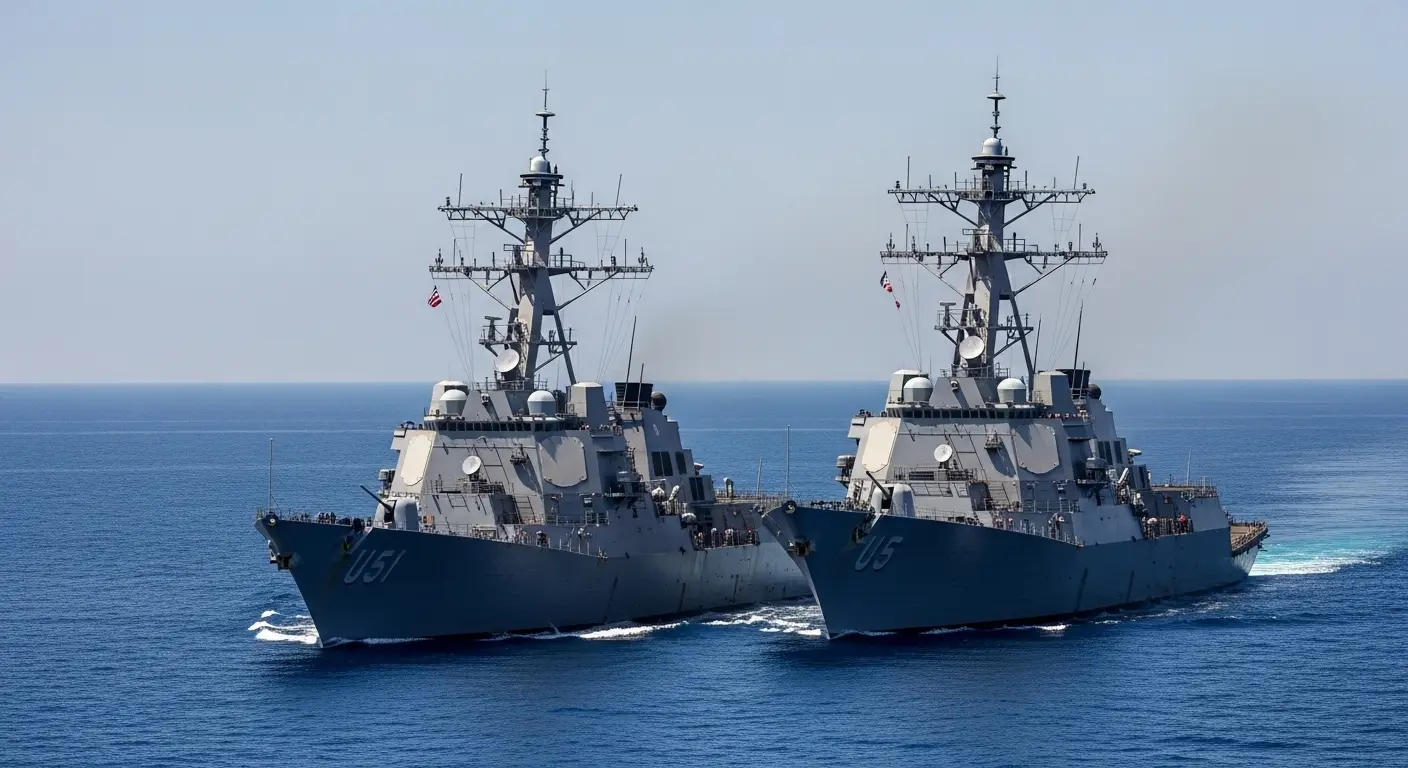
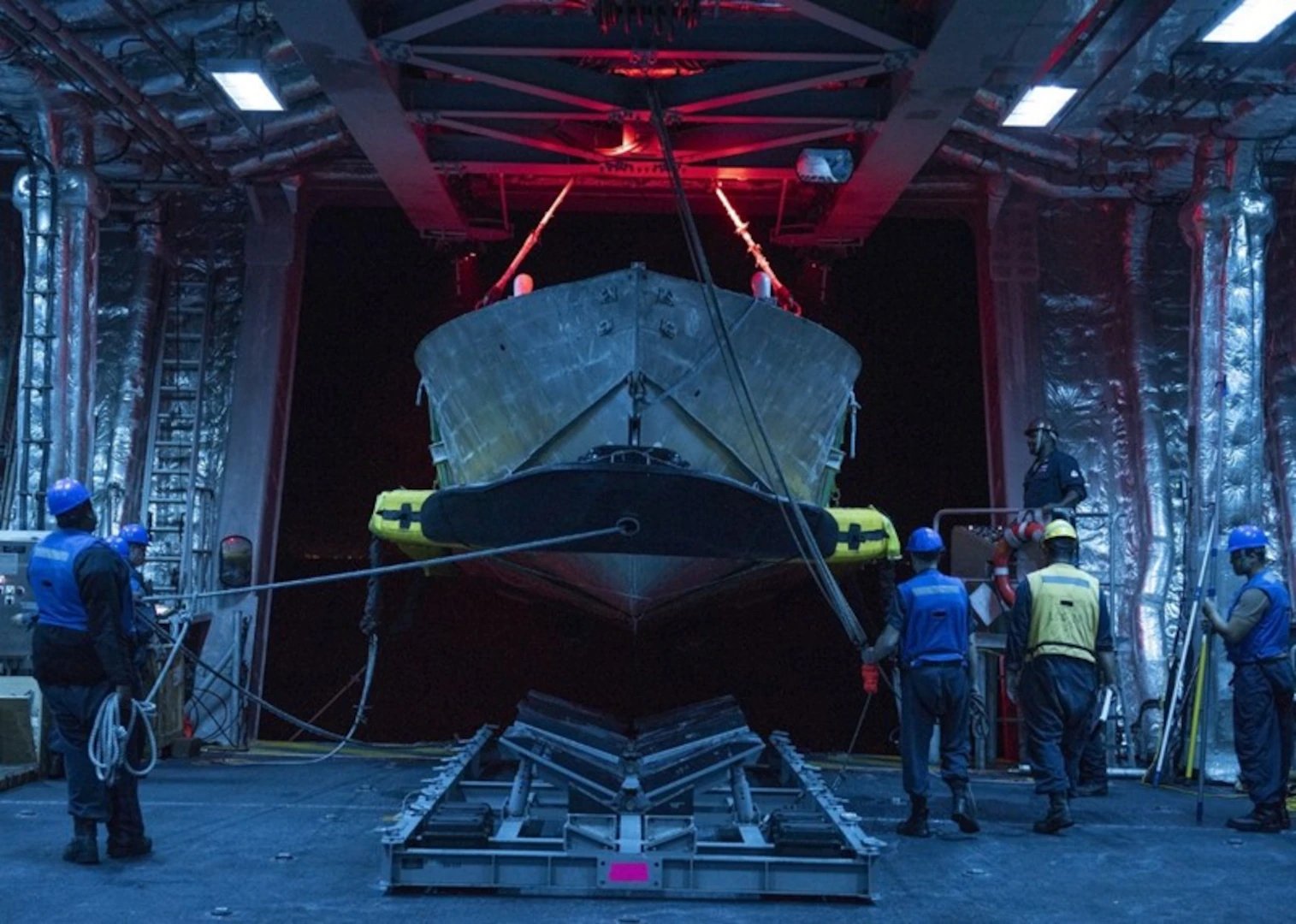
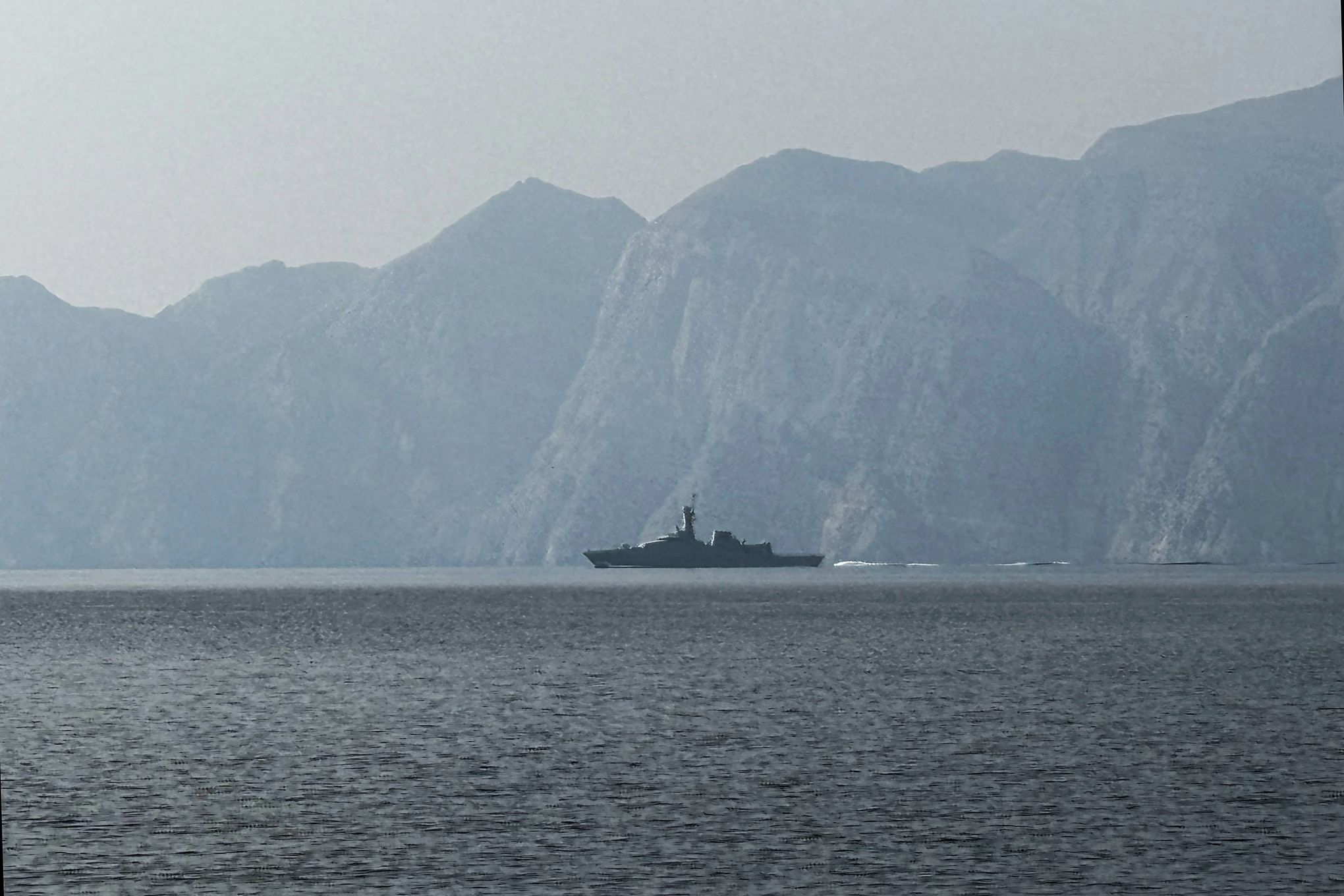
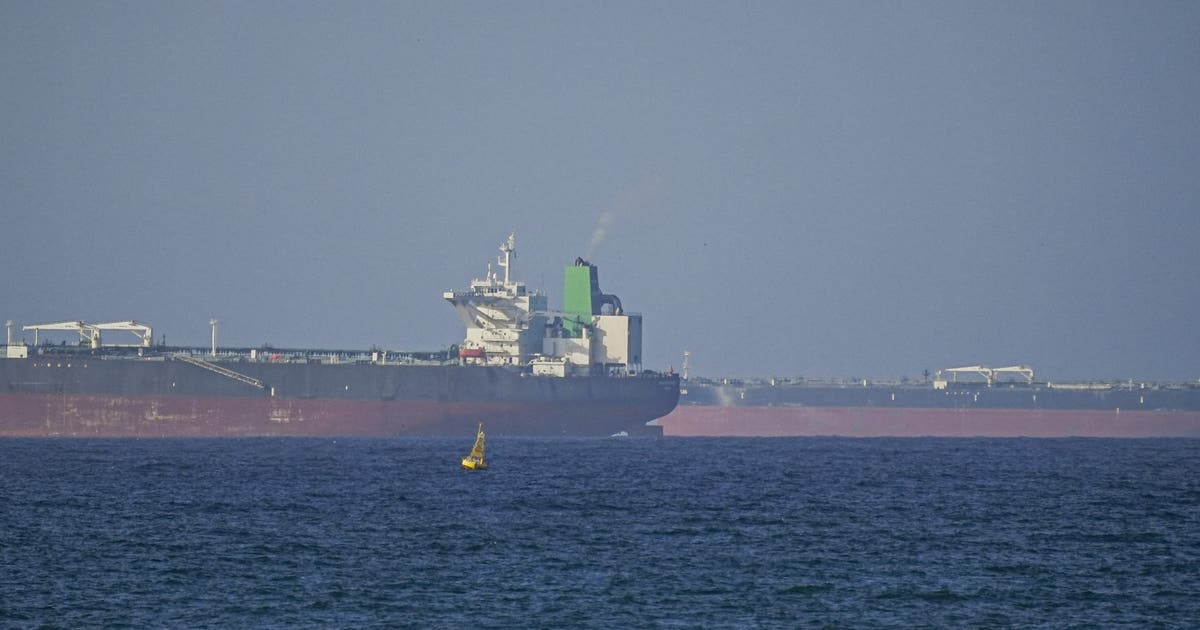
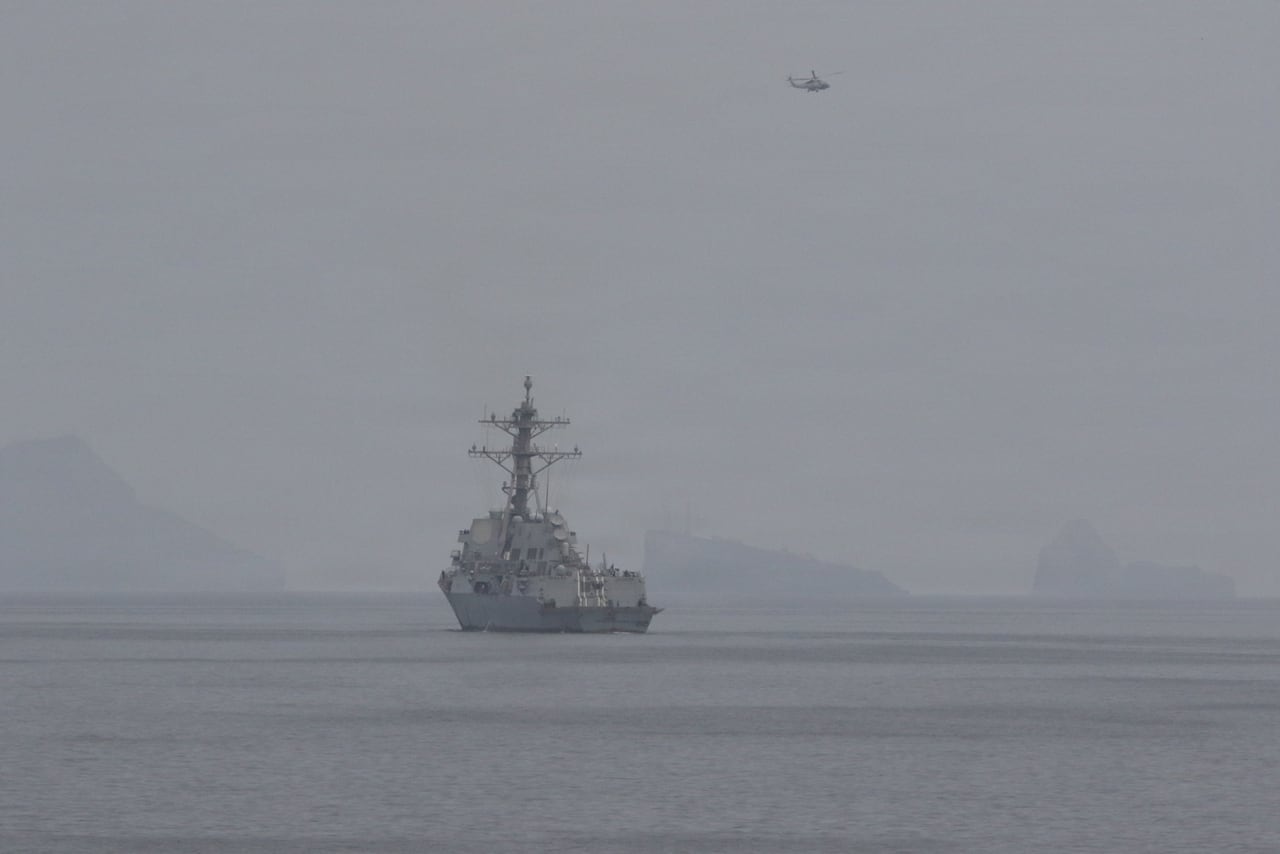
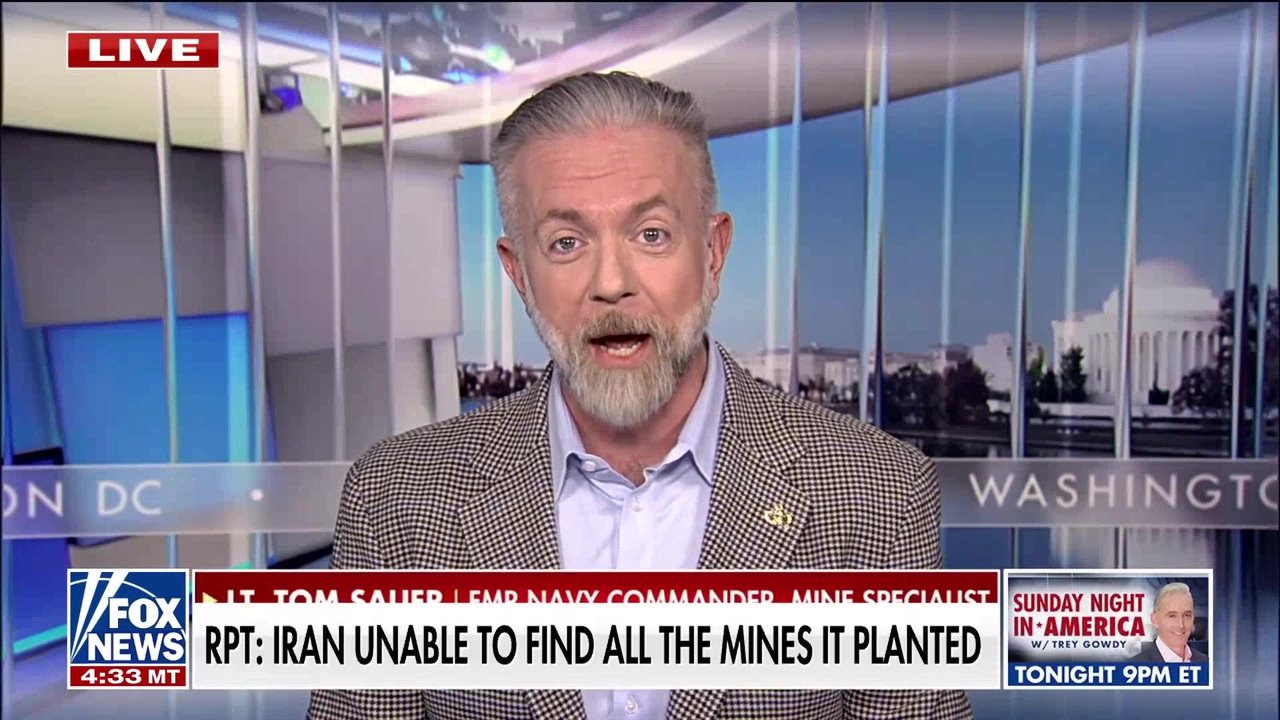
The April 11, 2026 U.S. Navy mine-clearing operation in the Strait of Hormuz represents a critical inflection point for global e-commerce logistics. The waterway handles approximately one-third of global seaborne oil trade and 20% of global oil supply, making it the world's most strategically vital shipping corridor. Following a six-week U.S.-Iran conflict that nearly halted commercial shipping, the two-week ceasefire agreement and subsequent mine-clearing operations by USS Frank E. Peterson and USS Michael Murphy have reopened the passage—but with significant operational constraints for cross-border sellers.
The immediate impact on e-commerce supply chains is severe and multi-layered. Shipping companies require a minimum two-month recovery period before resuming normal tanker operations, according to Eurasia Group analyst Henning Gloystein. This translates directly to elevated freight costs for sellers sourcing from Asia (China, Vietnam, India, Bangladesh) to North American and European markets. Ocean freight rates on Asia-to-US routes have surged 15-25% during the conflict, with spot rates for 40-foot containers reaching $3,200-4,100 versus pre-conflict baseline of $2,600-2,800. For sellers shipping 500+ containers monthly, this represents $300,000-650,000 in additional monthly logistics costs. Sellers relying on just-in-time inventory models face critical stockout risks, as the two-month shipping window creates a 60-day blind spot in demand forecasting.
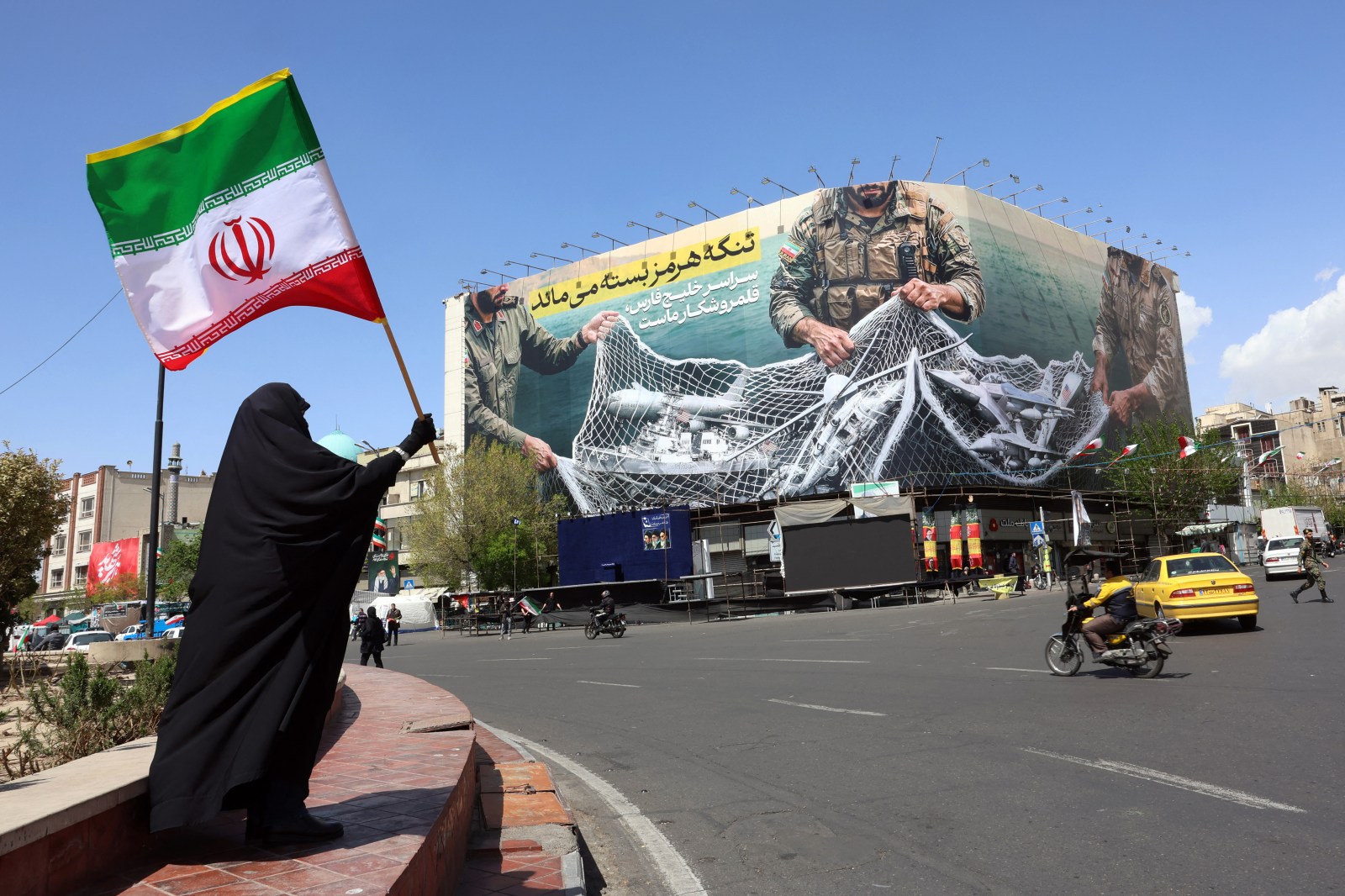
Competitive dynamics shift dramatically across seller segments. Large sellers with established 3PL networks and FBA inventory pre-positioned in US/EU warehouses maintain Buy Box advantages, while small-to-medium sellers (SMBs) shipping directly from Asia face margin compression of 8-15% on standard categories. Electronics, apparel, and home goods categories—which typically move through Suez/Hormuz routes—experience the highest cost impact. Sellers with alternative sourcing in Mexico, Vietnam, or India gain temporary competitive advantages. The ceasefire remains fragile, with Iran's Revolutionary Guards threatening to "deal severely" with military vessels and restricting civilian passage to "specific conditions," creating ongoing geopolitical risk premiums in freight pricing. Sellers must immediately audit their supply chain geography and consider shifting 20-30% of inventory allocation to nearshoring or alternative sourcing regions within the next 30 days to avoid margin erosion through Q2 2026.
Questions 7
Should sellers lock in forward freight agreements or wait for rates to normalize?
Sellers should immediately lock in forward freight agreements for 60-90 day shipments at current rates ($3,200-4,100 per 40-foot container) rather than wait for normalization. Spot rates typically spike 20-30% during geopolitical uncertainty before gradually declining. By securing forward rates now, sellers lock in predictable costs and avoid the risk of further rate increases if ceasefire tensions escalate. The cost of forward agreements (typically 2-5% premium over spot rates) is justified by margin protection. Sellers with 6+ months of inventory runway should negotiate 90-120 day forward agreements to extend cost certainty through Q3 2026.
How can sellers mitigate geopolitical risk in their supply chain strategy?
Implement geographic diversification by sourcing from at least 2-3 regions (Asia, Mexico, Eastern Europe) to reduce single-corridor dependency. Increase safety stock by 40-50% for critical SKUs to buffer against unexpected disruptions. Establish relationships with 3PL providers in multiple regions to enable rapid sourcing pivots. Monitor geopolitical risk indicators daily through sources like Eurasia Group, Control Risks, and maritime security reports. Implement dynamic pricing models that adjust for freight cost volatility. Consider supply chain insurance products that cover geopolitical disruptions. For sellers with $5M+ annual revenue, allocate 2-3% of logistics budget to geopolitical risk hedging through forward freight agreements and alternative sourcing contracts.