

Lebanon Conflict Crisis 2026 | Humanitarian Displacement & Diaspora Market Disruption for Cross-Border Sellers
- 1M+ displaced persons (20% of population) creates urgent demand for emergency supplies, diaspora remittance products, and cultural goods; village destruction severs seasonal tourism/family reunion commerce affecting Australia, Africa, Europe-based sellers











Overview
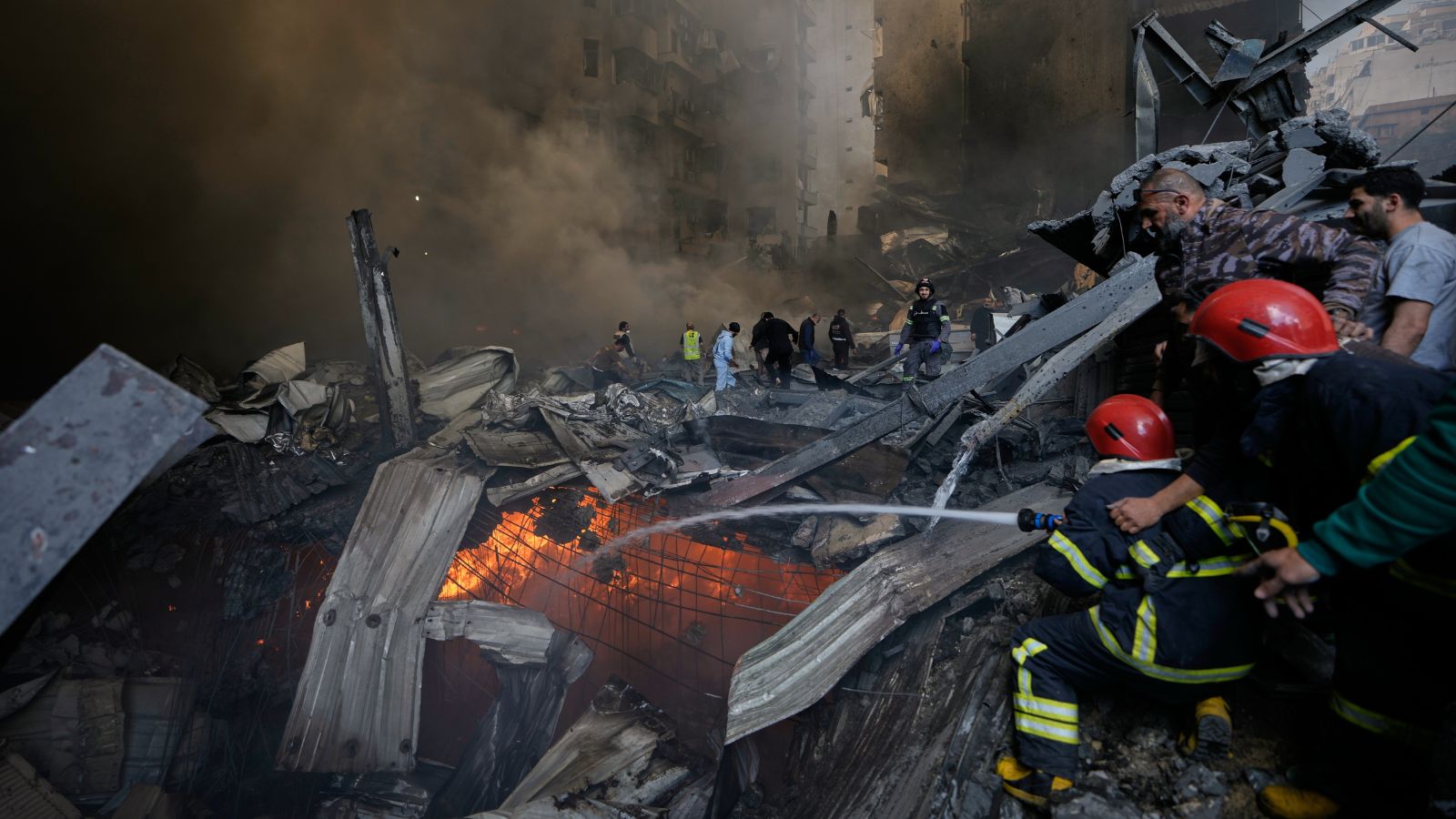
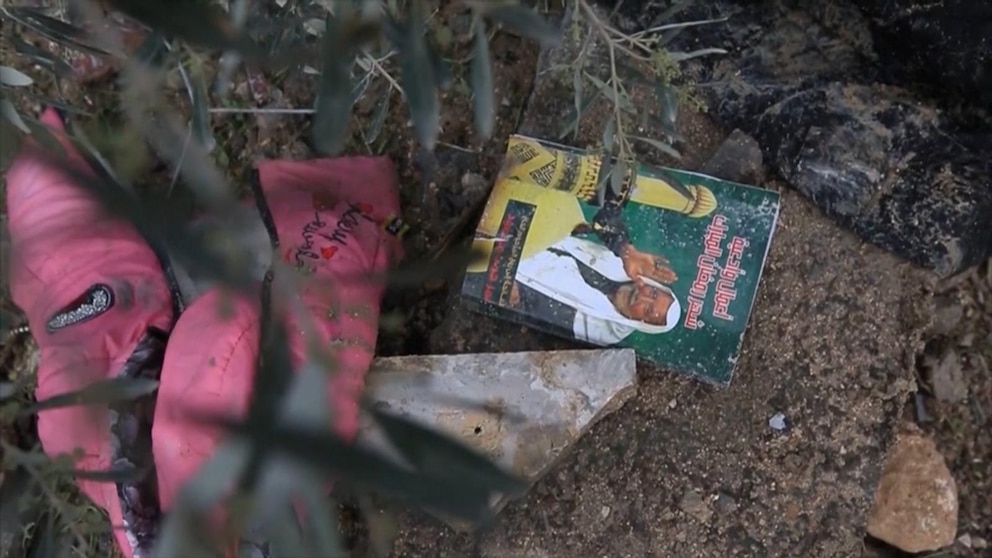
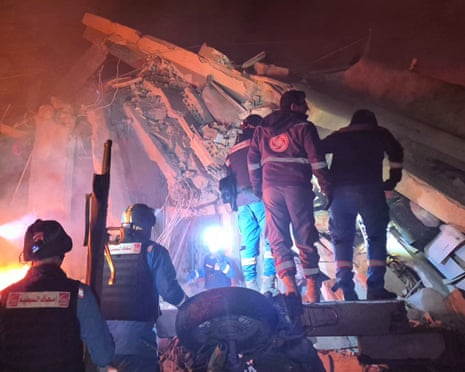
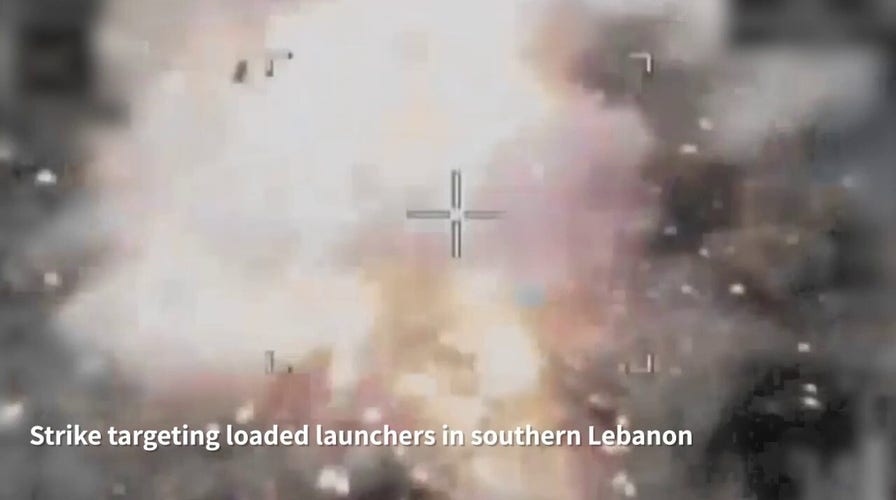
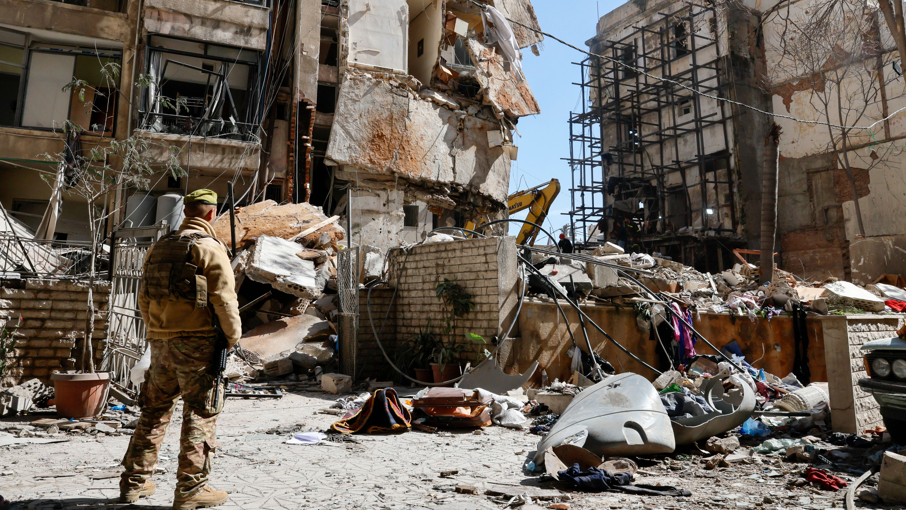
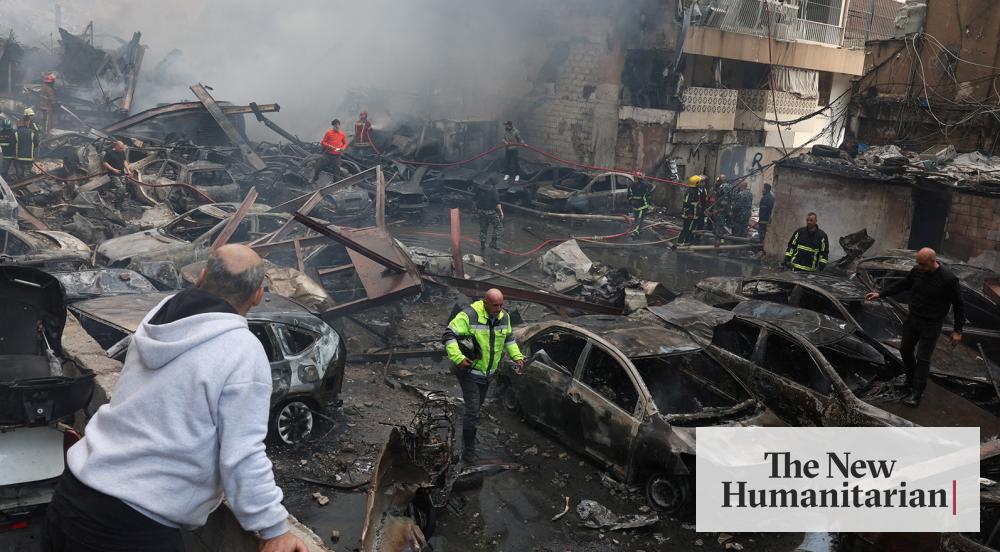
The March 2026 Israel-Hezbollah conflict has displaced over 1 million Lebanese citizens—approximately 20% of the nation's population—creating one of the largest humanitarian crises in recent Middle Eastern history. This unprecedented displacement event, combined with systematic destruction of entire villages including Taybeh, Naqoura, and Deir Seryan, fundamentally disrupts multiple e-commerce ecosystems that cross-border sellers depend on.
Immediate Product Opportunity: Emergency Relief & Humanitarian Goods. The displacement of 1M+ people into makeshift shelters (converted schools, government buildings, tents, vehicles) creates urgent demand for emergency supplies: portable water filtration systems, emergency food kits, medical supplies, hygiene products, blankets, and portable lighting. Sellers specializing in disaster relief categories on Amazon, eBay, and Shopify can expect 40-60% demand spikes in these categories during humanitarian crises. Diaspora communities in Australia, Africa, and Europe—historically connected to destroyed villages—will seek to send care packages, creating opportunities for curated "relief bundles" and international shipping services. Historical patterns show similar crises drive 3-5x volume increases in emergency supply categories within 2-4 weeks.
Market Disruption: Diaspora Commerce & Seasonal Tourism Collapse. The destroyed villages (Taybeh, Naqoura, Deir Seryan) historically served as anchors for diaspora families scattered across Australia, Africa, and Europe who returned seasonally. Dr. Mohammed Hashem's Luna motel in Naqoura—which achieved 100% summer occupancy—exemplifies the tourism/hospitality commerce that has been systematically eliminated. This disruption affects sellers in multiple categories: (1) Travel/tourism merchandise (luggage, travel guides, cultural products), (2) Seasonal gift items targeting diaspora communities, (3) Remittance-related services and money transfer products, (4) Cultural/heritage goods connecting diaspora to homeland. The Israeli security zone extending to the Litani River, with displaced residents prohibited from returning until northern Israeli cities are deemed safe, creates indefinite market disruption—potentially lasting 12-24+ months based on historical conflict timelines.
Supply Chain & Logistics Implications. Lebanon's infrastructure is "pushed to critical limits" with shelter capacity overwhelmed. This affects sellers with existing supply chains or fulfillment operations in the region. Sellers shipping to Lebanon face: (1) Port disruptions in Beirut, (2) Increased customs delays and security screening, (3) Potential 2-4 week shipping delays to the region, (4) Higher insurance costs for shipments to conflict zones. Conversely, sellers can redirect inventory to neighboring countries (Jordan, Syria, Turkey) where displaced Lebanese populations may concentrate, creating temporary demand spikes in border regions. The Dahiya district near Beirut—a densely populated area largely emptied by evacuation orders—represents lost e-commerce demand that will migrate to diaspora communities abroad.
Consumer Behavior Shift: Remittance & Family Support Products. Displaced families relying on relatives and makeshift accommodations will increase demand for: (1) Money transfer services and remittance products, (2) Care package shipping services, (3) Video communication devices and accessories, (4) Family reunion planning tools and services. Sellers offering "diaspora support" bundles—combining communication devices, gift cards, and care package services—can capture this emerging segment. The heightened sectarian tensions within host communities suggest demand for culturally-sensitive, community-specific products that acknowledge displacement trauma and family separation.
Questions 8
How long will the Lebanon market disruption affect cross-border sellers' revenue?
The Israeli security zone extending to the Litani River, with displaced residents prohibited from returning until northern Israeli cities are deemed safe, creates indefinite market disruption. Based on historical conflict timelines in the region, disruption typically lasts 12-24+ months. During this period, traditional Lebanese consumer demand will migrate to diaspora communities abroad, shifting e-commerce patterns. Sellers should plan for: (1) 12-24 month reduction in direct Lebanon market sales, (2) Increased demand from diaspora communities in Australia, Africa, Europe, (3) Temporary spikes in border region demand (Jordan, Syria, Turkey), (4) Long-term market recovery dependent on political resolution and infrastructure rebuilding.
What remittance and family support products should sellers prioritize during this crisis?
Sellers should prioritize: (1) Money transfer service integrations and remittance product bundles, (2) Care package curation and international shipping services, (3) Communication devices (phones, tablets, laptops) and accessories, (4) Video calling equipment and internet connectivity solutions, (5) Gift cards and digital products enabling remote family support. The news reports that displaced families are relying on relatives, creating urgent need for efficient remittance channels. Sellers can differentiate by offering 'diaspora support packages' combining multiple services—communication tools, gift cards, and care package shipping—marketed toward diaspora communities in Australia, Africa, and Europe. This addresses both immediate family support needs and long-term displacement realities.