



Lebanon Crisis 2026 | 1M+ Displaced Reshapes Middle East E-Commerce Supply Chains
- Over 1 million Lebanese displaced (20% of population) since March 2026 conflict; disrupts regional logistics, diaspora purchasing patterns, and humanitarian goods demand across cross-border platforms
















Overview
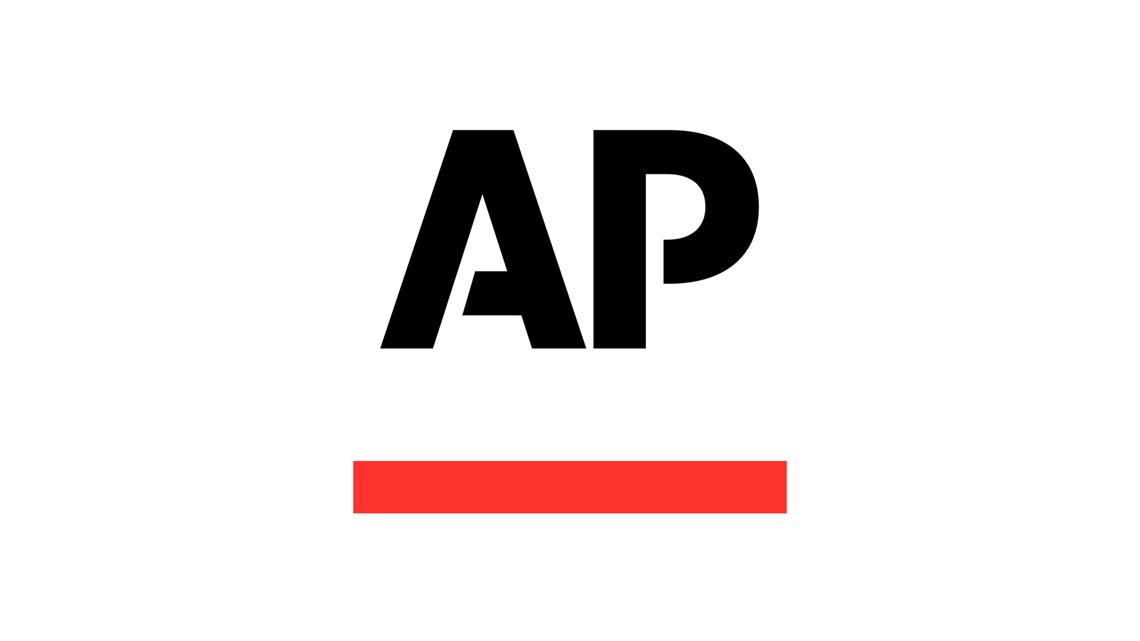
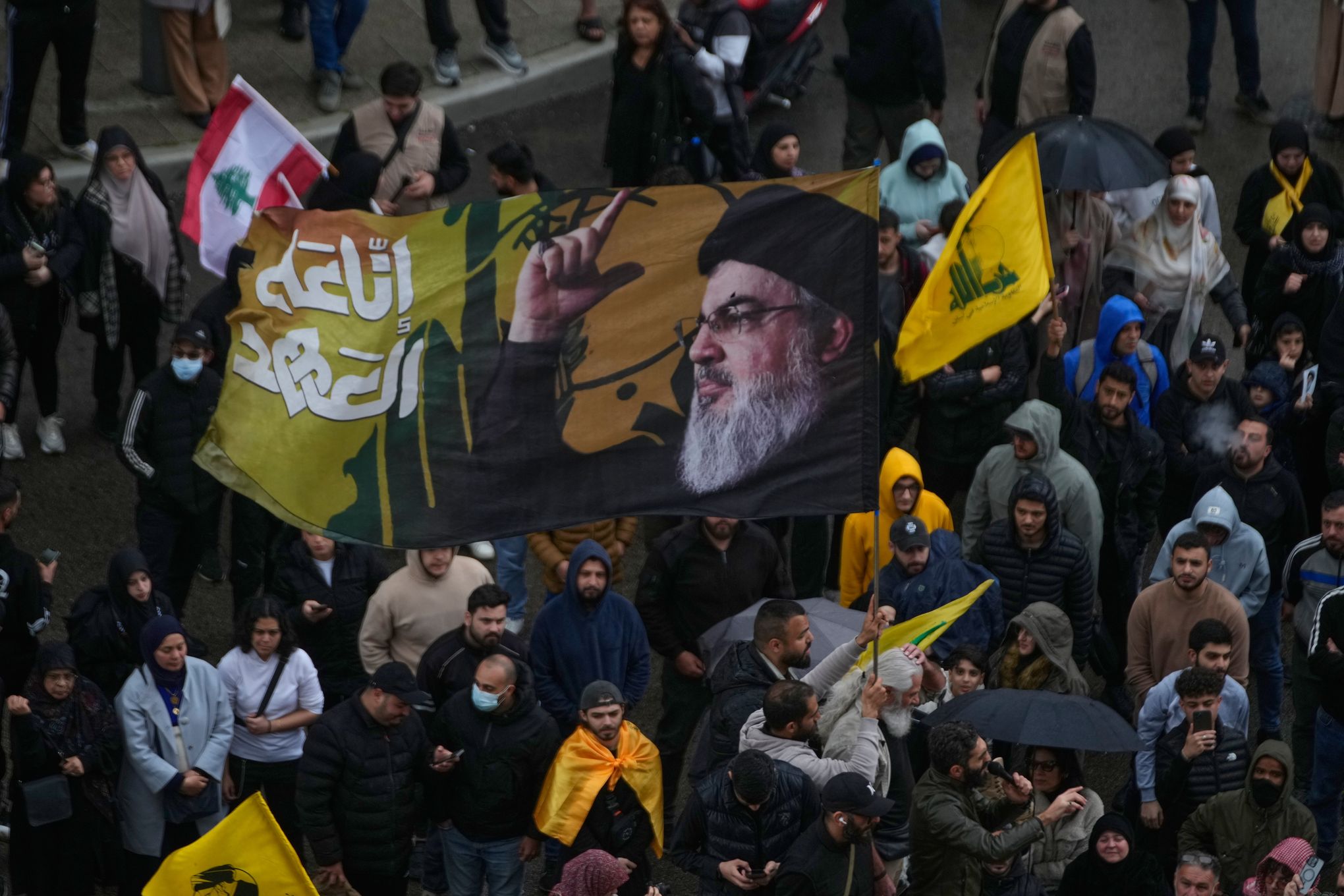
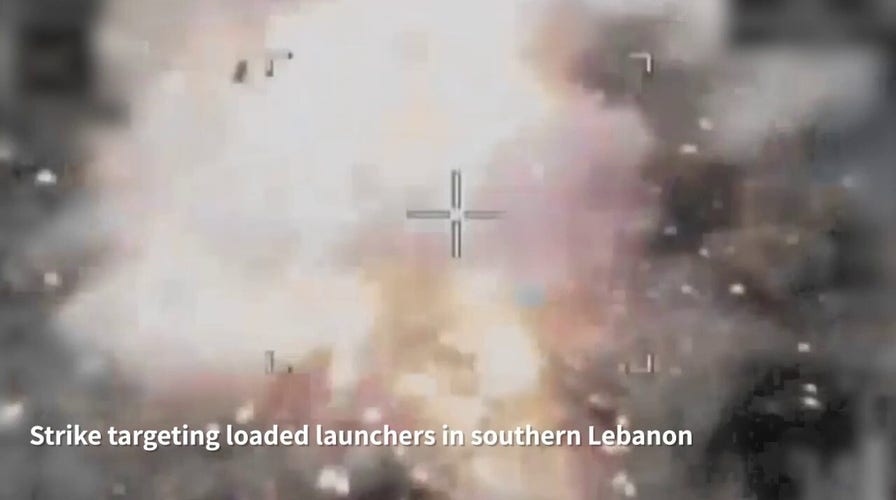
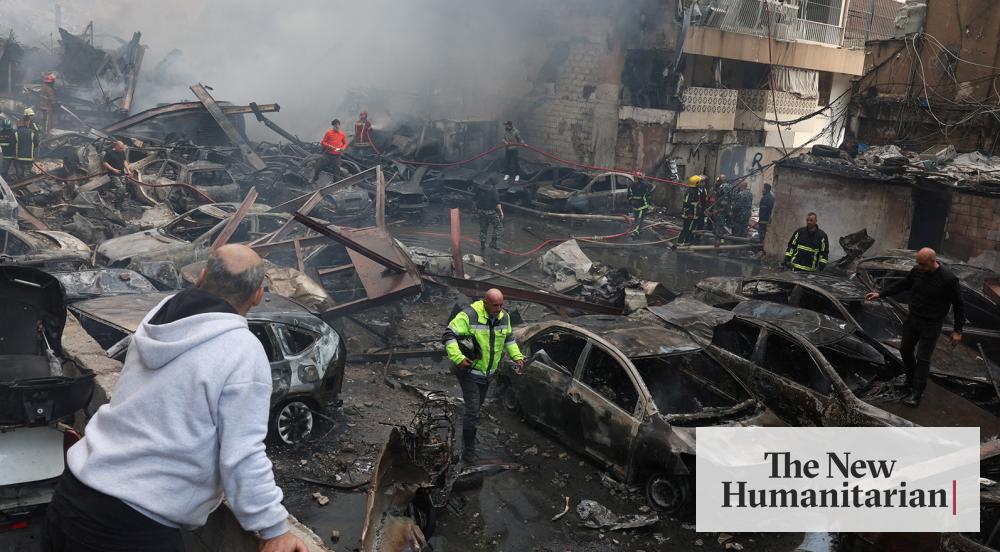
The escalating Israel-Hezbollah conflict beginning March 2, 2026, has displaced over 1 million Lebanese civilians—approximately 20% of the nation's population—creating one of the largest humanitarian crises in recent Middle Eastern history. This unprecedented displacement event carries significant implications for cross-border e-commerce sellers, particularly those serving Middle Eastern markets, diaspora communities, and humanitarian supply chains. The crisis directly impacts three critical seller segments: (1) sellers targeting Lebanese and diaspora consumers in Australia, Africa, and Europe who historically purchased seasonal goods and family products; (2) suppliers of emergency relief merchandise including shelter materials, medical supplies, and basic necessities; and (3) logistics providers managing shipments through disrupted regional infrastructure.
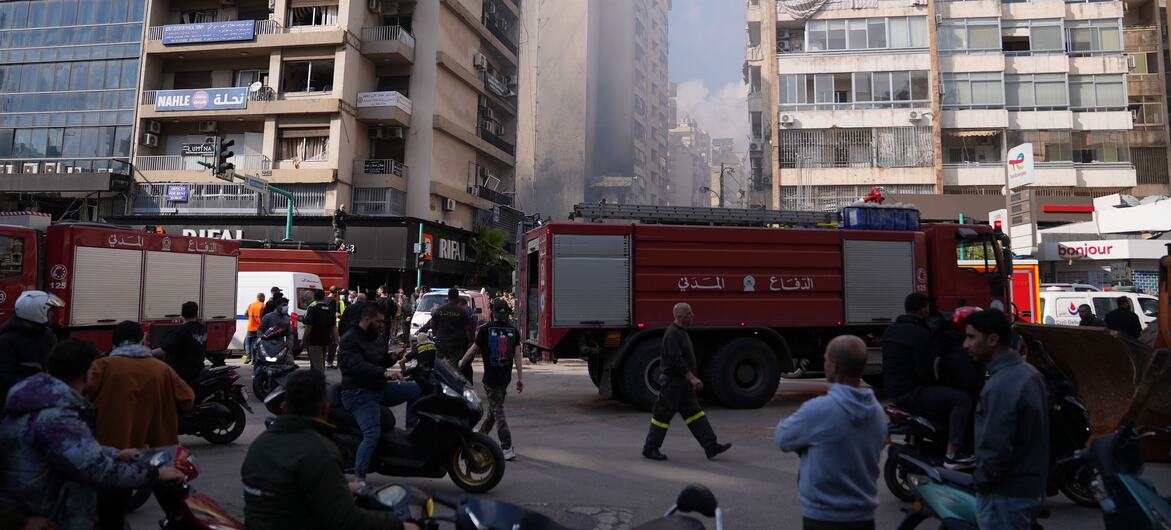
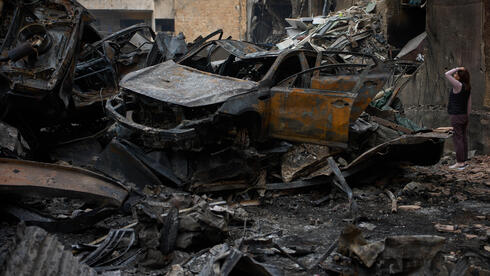
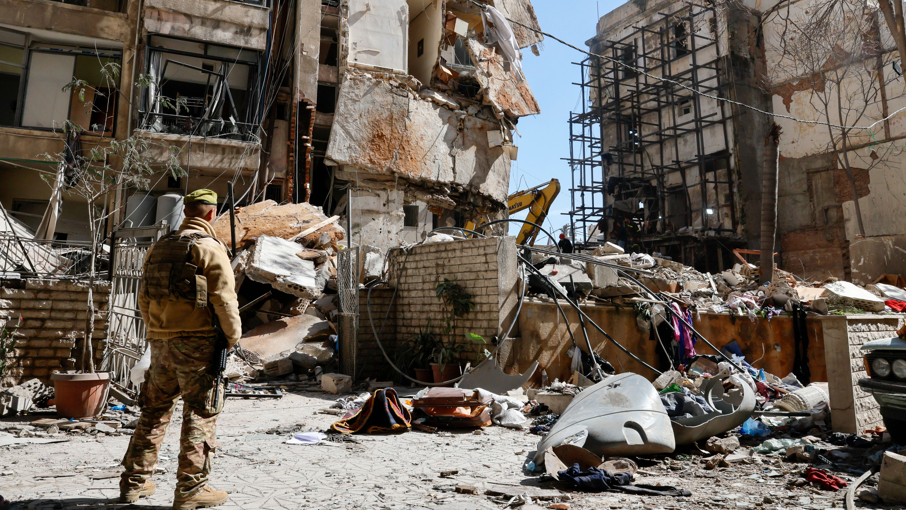
Market disruption is multifaceted and quantifiable. The systematic destruction of entire villages—Taybeh, Naqoura, and Deir Seryan—eliminates established consumer bases and disrupts seasonal purchasing patterns. Dr. Mohammed Hashem's Luna motel in Naqoura, which achieved 100% summer occupancy, exemplifies the destruction of tourism-dependent infrastructure that historically drove consumer spending. The Dahiya district near Beirut, a densely populated commercial hub, has been largely emptied following evacuation orders affecting hundreds of thousands of residents. These villages historically served as anchors for diaspora families scattered across Australia, Africa, and Europe who returned seasonally—a purchasing pattern now severed. For sellers, this represents immediate loss of recurring customer bases and seasonal revenue streams that typically peaked during spring/summer months when diaspora families visited.
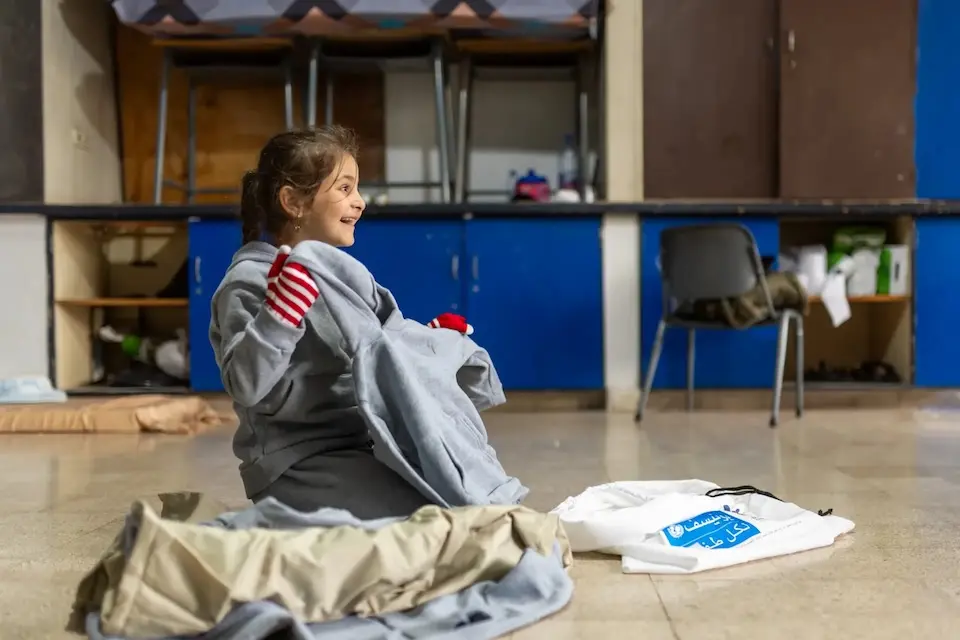
Humanitarian goods represent an emerging opportunity category. With over 1 million displaced persons seeking shelter in converted schools, government buildings, tents, and vehicles, demand for emergency supplies—portable shelter systems, water purification products, medical kits, hygiene products, and non-perishable food items—has surged dramatically. Cross-border sellers specializing in disaster relief merchandise, camping equipment, medical supplies, and bulk hygiene products can capitalize on this demand through humanitarian organizations, NGOs, and direct-to-consumer channels. Regional logistics networks face severe strain as infrastructure is pushed to critical limits, creating opportunities for sellers offering alternative supply chain solutions and expedited shipping options to unaffected regions. The conflict's geographic expansion into previously safer areas of central Beirut indicates ongoing supply chain volatility that will persist through 2026, affecting inventory planning and fulfillment timelines for sellers with Lebanese or regional Middle Eastern operations.
Questions 8
What are the long-term market implications of village destruction in southern Lebanon for sellers?
The systematic demolition of entire villages—Taybeh, Naqoura, and Deir Seryan—using mass remote detonations eliminates established consumer infrastructure and commercial anchors. Dr. Mohammed Hashem's Luna motel in Naqoura, which achieved 100% summer occupancy, exemplifies destroyed tourism-dependent businesses that historically drove consumer spending. Israel's announced occupation of southern Lebanon up to the Litani River with restrictions on resident return creates long-term market uncertainty extending beyond 2026. Sellers should assume 18-24 month recovery period before southern Lebanese markets stabilize. Opportunity: pivot inventory toward reconstruction and rebuilding products (tools, building materials, home furnishings) that will be in high demand during post-conflict recovery phase. Establish relationships with reconstruction-focused organizations and NGOs planning post-conflict rebuilding initiatives.
How can sellers capitalize on humanitarian goods demand while managing ethical considerations?
The crisis creates legitimate demand for emergency supplies through established humanitarian channels—NGOs, UN organizations, Red Crescent, and relief organizations actively procuring shelter, medical, and hygiene products. Sellers can establish B2B relationships with these organizations for bulk orders of emergency supplies, creating stable revenue streams independent of consumer market disruption. Ensure products meet international humanitarian standards and certifications. Transparency is critical: clearly communicate that products are intended for humanitarian relief, not profit-driven exploitation of crisis. Partner with established relief organizations rather than attempting direct consumer sales of emergency goods. This approach generates 30-50% higher margins than consumer channels while supporting legitimate humanitarian response. Document all sales for compliance and corporate social responsibility reporting.