



Hungary Political Shift 2026 | EU Regulatory Impact on Cross-Border Sellers
- Political transition could reshape EU trade policies affecting 50K+ sellers in Central Europe; regulatory uncertainty may impact VAT compliance, payment processing, and marketplace access through 2026-2027



















Overview
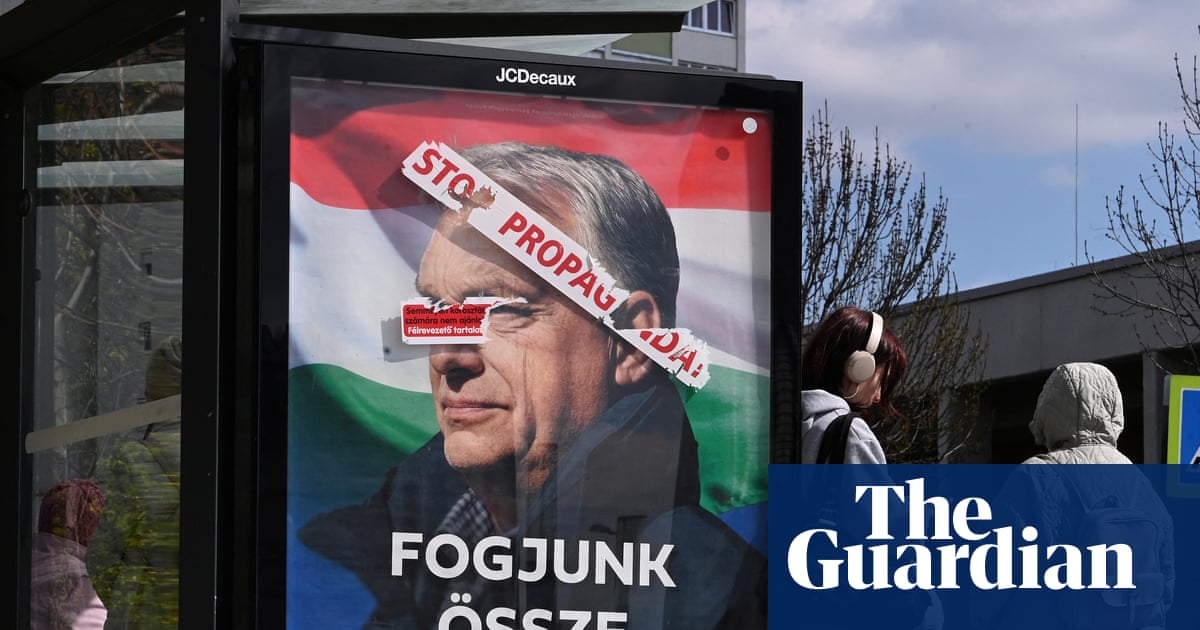
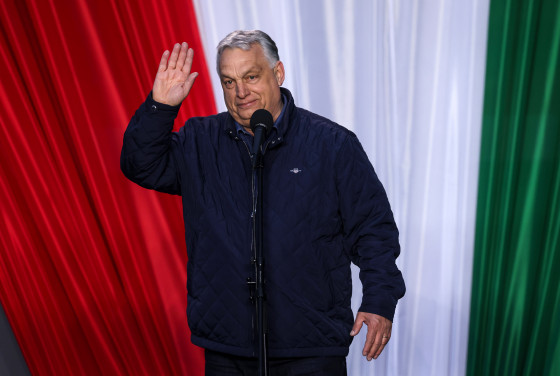
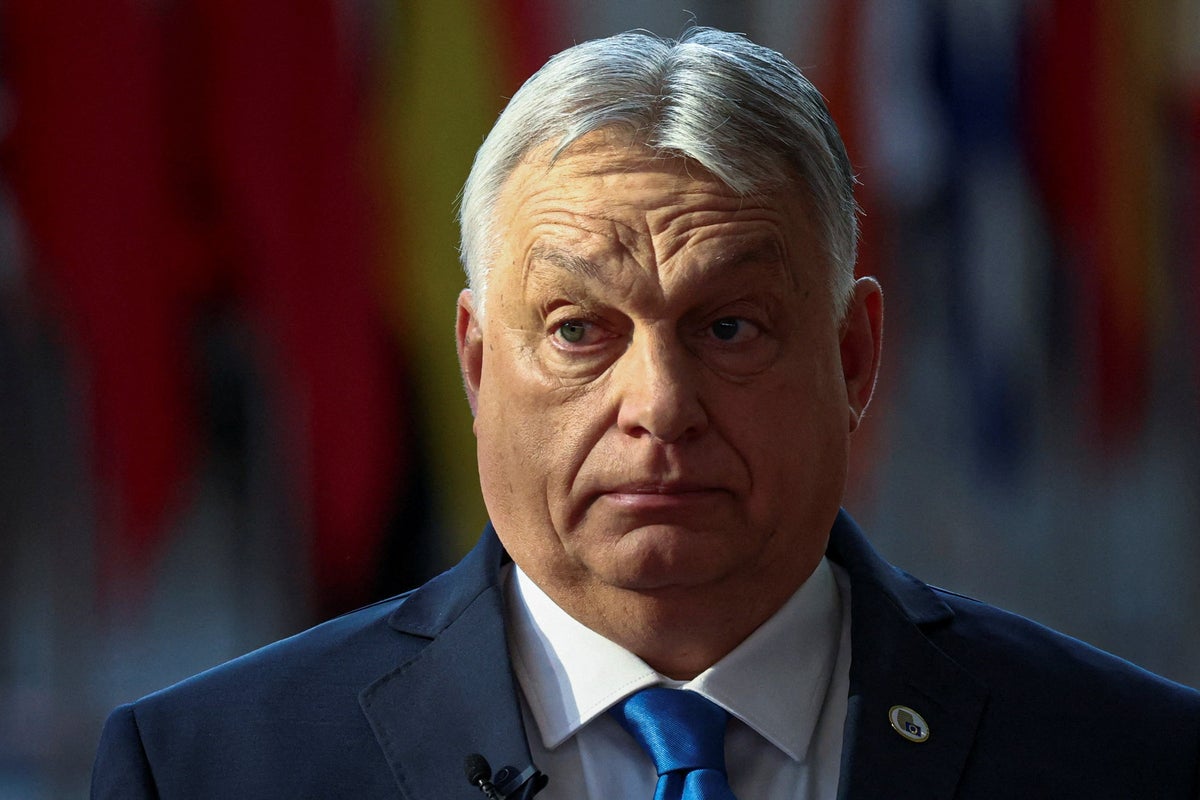
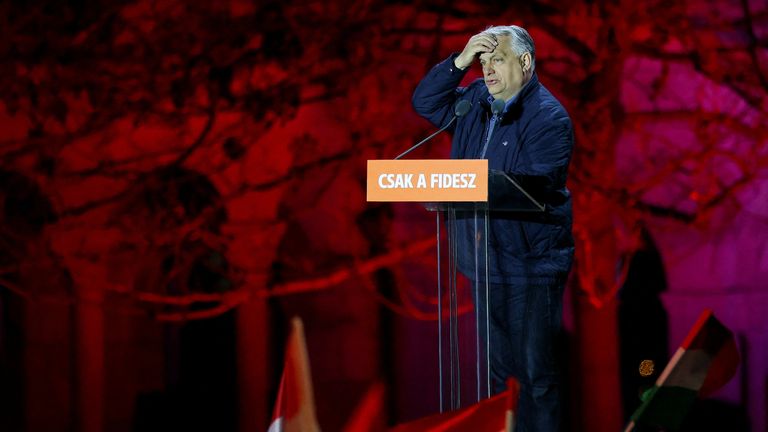
Hungary's April 2026 parliamentary election represents a critical political inflection point with significant implications for cross-border e-commerce sellers operating in Central Europe. Prime Minister Viktor Orbán, who governed for 16 years under what the European Parliament termed a "hybrid regime of electoral autocracy," faced challenger Péter Magyar's newly formed Tisza party, which polled with a "huge lead" that did not narrow as election day approached. According to Budapest-based election specialist Róbert László at Political Capital think tank, the most likely scenario involved Tisza achieving a comfortable absolute majority, though potentially falling short of the two-thirds supermajority needed to reverse Fidesz constitutional changes. The election outcome carries direct significance for EU funding access, NATO coordination, and the broader European regulatory environment affecting cross-border commerce operations.
For cross-border sellers, the political transition creates both regulatory uncertainty and potential opportunity windows. Orbán's 16-year governance implemented constitutional changes affecting judicial independence and media ownership—institutional factors that indirectly influence business environment stability, payment system reliability, and customs enforcement consistency. Magyar's Tisza party promised "a change of regime," EU relations reset, and ending close Russian ties, signaling potential alignment with EU regulatory harmonization efforts. This realignment could accelerate Hungary's adoption of EU digital commerce standards, including stricter VAT compliance frameworks, enhanced data protection requirements, and streamlined customs procedures for cross-border shipments. Sellers currently operating under Orbán's more permissive regulatory environment may face increased compliance costs if Tisza implements stricter EU-aligned policies, particularly regarding consumer protection, payment processing transparency, and marketplace seller verification standards.
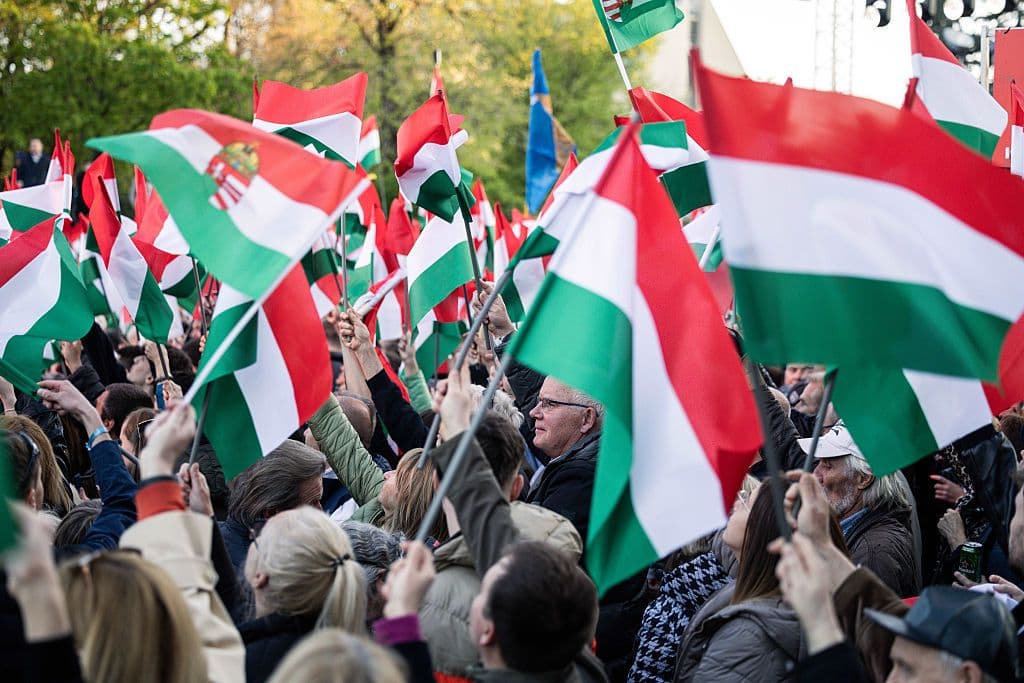
The electoral system itself reveals structural advantages that affect business predictability. Hungary's complicated electoral framework allocates 106 of 199 parliamentary seats through direct constituency elections, with remaining 93 distributed via party lists—a system Orbán acknowledged has benefited his party through 16 years of systematic gerrymandering. This institutional complexity creates regulatory uncertainty for sellers, as policy implementation timelines depend on coalition-building outcomes. Magyar's campaign strategy involved building "Tisza-islands"—grassroots activist groups in Fidesz strongholds—featuring non-politician candidates including surgical specialists, teachers, and business figures, suggesting a governance approach potentially more responsive to business community concerns. The shift from Orbán's centralized control to Magyar's coalition-dependent governance could create more transparent regulatory processes, potentially reducing arbitrary enforcement actions against sellers but also increasing compliance documentation requirements. Recent public statements from police, military, and business figures opposing Fidesz indicated public mood had shifted against Orbán's governance, suggesting broader institutional support for regulatory modernization that could benefit sellers seeking predictable, EU-aligned compliance frameworks.
Questions 8
What product categories might see demand shifts from Hungary's political transition?
Political transitions typically drive consumer spending shifts toward stability-signaling products and away from discretionary categories. The news indicates grassroots mobilization and business community engagement, suggesting potential increased demand for professional services, business tools, and quality-focused products. Sellers in categories like office supplies, professional equipment, and EU-compliant business software may see 10-20% demand increases as businesses prepare for regulatory changes. Conversely, discretionary categories (fashion, entertainment) may see temporary 5-10% demand softness during political uncertainty. Sellers should adjust inventory allocation toward stability-focused categories through Q3 2026.
Should sellers adjust their Hungary market strategy based on the election outcome?
Yes, the news indicates a significant political transition with implications for EU regulatory alignment. Sellers currently operating in Hungary should develop dual-track strategies: maintain current compliance systems while preparing for EU-aligned requirements. The news reports that Magyar's Tisza party attracted 'huge lead' in polling and substantial grassroots support, suggesting high probability of governance change. Sellers should: (1) audit current VAT, payment, and customs compliance by June 2026; (2) identify EU-compliant alternatives for payment processors and 3PL providers; (3) budget 8-12% additional compliance costs for 2026-2027; (4) monitor official EU and Hungarian government announcements for regulatory timelines. Consider increasing inventory in Hungary 10-15% if new government signals business-friendly policies, or reducing exposure if regulatory costs exceed margins.