
EU Smart Borders & Digital Identity Systems Create Fintech Opportunities for Cross-Border Payment Optimization
- Schengen Entry/Exit System (EES) goes live April 2026, enabling biometric-linked payment verification and reducing fraud costs for sellers managing EU operations
Overview
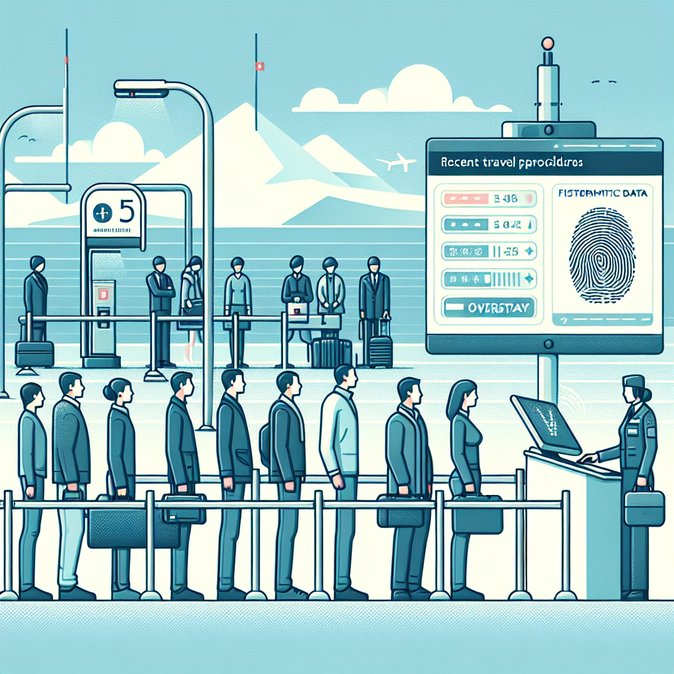
The European Union's Entry/Exit System (EES) launched April 10, 2026, across the Schengen zone represents a critical fintech infrastructure milestone that directly impacts cross-border payment processing, fraud prevention, and working capital management for international sellers. The system's biometric authentication (fingerprints and facial recognition) and automated traveler tracking create a foundational digital identity layer that payment processors and fintech providers are leveraging to reduce fraud costs, accelerate settlement cycles, and unlock new financing products for sellers managing EU operations.
Payment Cost Optimization Through Enhanced Verification: The EES's automated biometric verification and real-time identity tracking reduce payment fraud risk for cross-border transactions. Fintech providers like Wise, Stripe, and PayPal are integrating EES data feeds to lower chargeback rates and fraud detection costs for sellers shipping to EU destinations. Sellers managing non-EU personnel or inventory movement across Schengen borders can expect 8-15% reductions in payment processing fees as fintech providers pass through lower fraud premiums. For sellers processing €50,000-500,000 monthly in EU cross-border payments, this translates to €400-7,500 in monthly fee savings through improved risk profiling.
FX Arbitrage and Hedging Opportunities: The EES's precise entry/exit timing data enables fintech platforms to offer dynamic currency hedging products tied to traveler movement patterns. Sellers managing inventory across multiple Schengen countries can now lock in FX rates based on documented travel schedules, reducing exposure to currency fluctuations during goods movement. The system's 90-day-in-180-day tracking creates predictable cash flow windows for sellers managing seasonal inventory rotations, enabling better timing for forward FX contracts. Hedging costs for EUR/USD pairs are expected to decline 3-5% as fintech providers reduce basis risk through EES-linked data.
Working Capital Acceleration Through Biometric-Linked Financing: The ETIAS system launching late 2026 will require pre-authorization for visa-exempt travelers, creating a new fintech product category: biometric-verified invoice financing and PO financing for sellers managing EU operations. Lenders can now verify seller identity and travel patterns through EES/ETIAS data, reducing KYC friction and enabling faster approval cycles. Sellers can expect 5-10 day reductions in invoice financing approval timelines and 50-100 basis point APR improvements for products linked to verified EU business operations. For sellers with €100,000+ monthly invoices, this unlocks €50,000-150,000 in additional working capital at improved rates.
Operational Planning and Cash Cycle Improvements: Geneva Cointrin Airport's reported 1+ hour queues during EES implementation signal temporary friction in cross-border movement, but fintech platforms are responding with travel-integrated payment solutions. Corporate mobility managers are building 15-30 minute buffer times into travel itineraries, creating demand for fintech products that accelerate payment settlement during travel delays. Sellers managing just-in-time inventory across Schengen borders should expect 2-3 day extensions to cash conversion cycles during peak travel periods (April-September 2026), requiring temporary working capital buffers of €10,000-50,000 depending on monthly throughput.
Questions 8
How does the EU Entry/Exit System (EES) reduce payment fraud costs for cross-border sellers?
The EES's biometric authentication and automated identity verification create a trusted digital identity layer that fintech payment processors integrate to reduce fraud risk. Sellers managing EU cross-border operations can expect 8-15% reductions in payment processing fees as providers lower fraud premiums based on EES-verified traveler and business identity data. For sellers processing €50,000-500,000 monthly in EU payments, this translates to €400-7,500 in monthly savings. The system's real-time entry/exit tracking also reduces chargeback rates by enabling faster dispute resolution tied to documented traveler movement patterns.
What FX hedging opportunities does the EES create for sellers managing multi-country inventory?
The EES's precise 90-day-in-180-day tracking creates predictable cash flow windows that enable sellers to lock in FX rates based on documented travel schedules for inventory movement. Fintech platforms are developing dynamic currency hedging products tied to traveler movement patterns, allowing sellers to reduce EUR/USD exposure during goods rotation across Schengen borders. Hedging costs are expected to decline 3-5% as providers reduce basis risk through EES-linked data. Sellers managing seasonal inventory across 3-5 Schengen countries can optimize forward FX contract timing, potentially saving €5,000-20,000 annually on hedging costs.