



Iran Market Collapse & Strait of Hormuz Closure | 20% Global Oil Supply Risk for E-Commerce Sellers
- Ceasefire fails to restore Iranian e-commerce; 2+ months internet shutdowns devastate B2B/B2C operations; 20-30% wholesale price inflation; Hormuz closure threatens shipping costs for 50K+ cross-border sellers














Overview
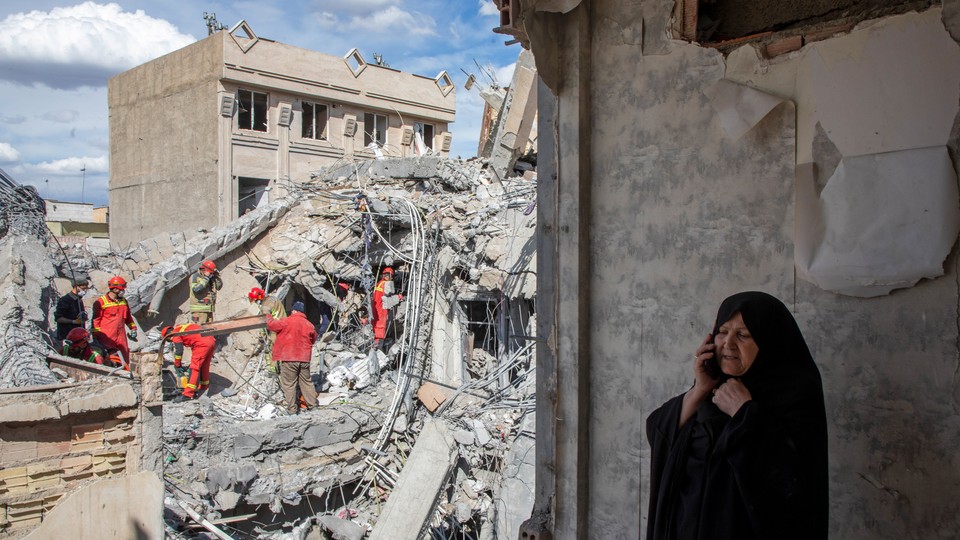
The U.S.-Iran conflict (February 28 - April 2026) represents a critical inflection point for cross-border e-commerce sellers, creating simultaneous market collapse in Iran and supply chain disruption across global shipping corridors. Iran's economy has experienced catastrophic infrastructure damage to steel factories, petrochemical plants, airports, ports, and oil facilities—damage requiring years to rebuild. More critically for sellers, the Iranian government imposed near-total internet shutdowns totaling over two months, collapsing online commerce entirely. According to Tehran's Grand Bazaar merchants, wholesale prices surged 20-30% since late January due to import uncertainties and rampant inflation, while online sales dropped nearly to zero as customers cannot access websites through local internet browsers.
The immediate market opportunity window is closing rapidly. Iran's e-commerce market, previously valued at $2-3B annually, is functionally offline. Sellers who previously targeted Iranian B2B buyers (wholesale electronics, industrial components, consumer goods) must immediately pivot sourcing and customer acquisition strategies. Technology firms are signing only short-term contracts, major carmakers have laid off thousands, and the vendor community reports complete stagnation. The government's promised digital support through loans and improved connectivity remains unclear, with a proposed tiered internet system raising concerns about permanent business fragmentation.
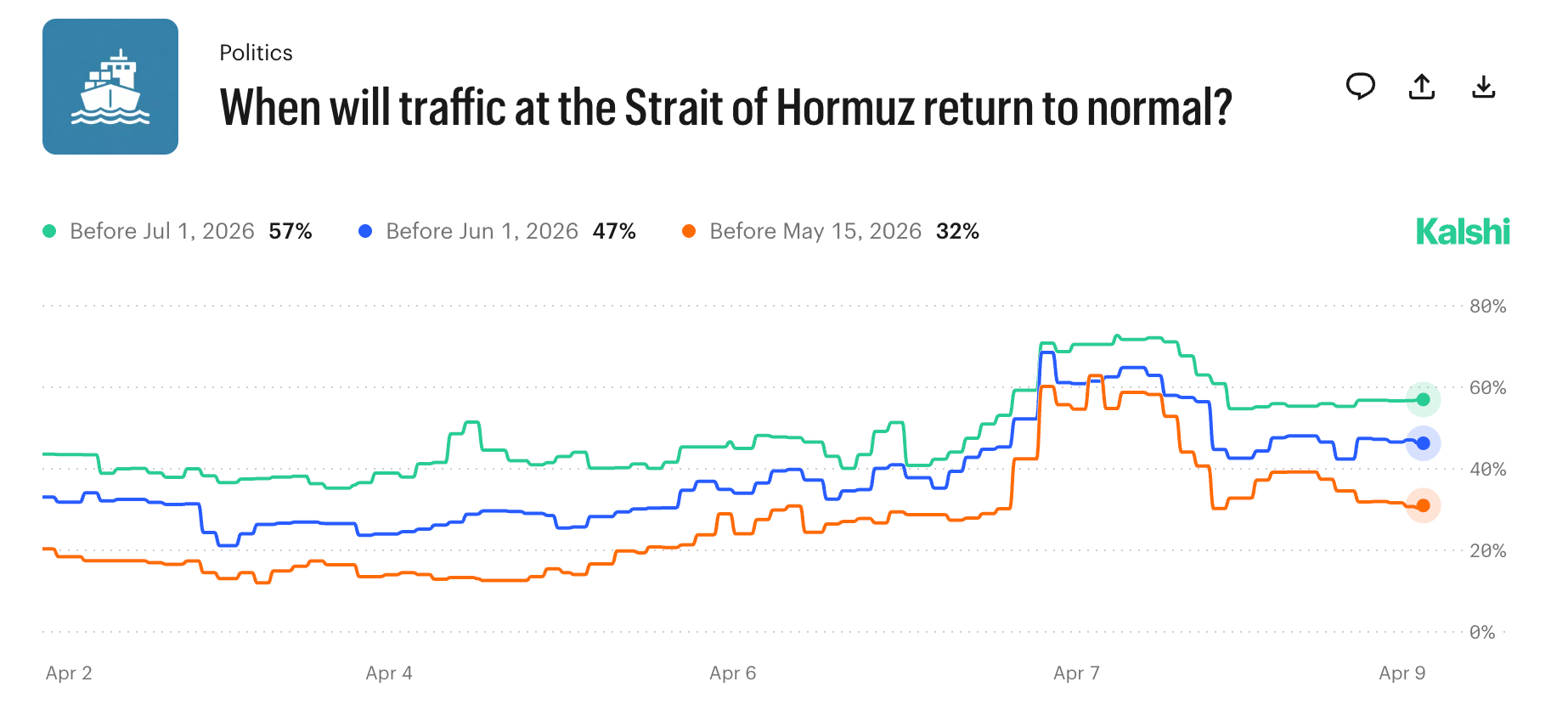
The geopolitical dimension creates broader supply chain risks. News 3 identifies that Iran's Strait of Hormuz closure (through which 20% of global oil passes) benefits Russia's war economy through elevated oil prices and sanctions relief. This directly impacts shipping costs for all cross-border sellers: elevated fuel surcharges on ocean freight, increased air cargo premiums, and potential rerouting through longer Suez Canal routes. China's energy diversification provides resilience, but U.S.-based and EU-based sellers face 8-15% shipping cost increases on Asia-to-Americas and Asia-to-Europe corridors. The November 2025 national security strategy's emphasis on Indo-Pacific competition suggests sustained U.S. military presence in the region, extending the timeline for Hormuz normalization beyond 2026.
Competitive dynamics shift dramatically. Chinese sellers benefit from established supply chain diversification and energy hedging strategies, while U.S. and EU sellers face margin compression on FBA inventory and 3PL fulfillment costs. Small sellers (under $500K annual revenue) lack negotiating power with freight forwarders and face 12-18% cost increases on per-unit shipping. Medium sellers ($500K-$5M) can absorb costs through price increases but risk conversion rate drops of 5-8%. Large sellers ($5M+) with established 3PL networks can negotiate volume discounts but face working capital pressure from extended payment terms. The 50,000+ U.S. troops in the region and ongoing negotiations in Islamabad showing no resolution suggest this disruption extends through Q4 2026 minimum.
Questions 8
How does the Iran conflict impact shipping costs for cross-border sellers?
The Strait of Hormuz closure (through which 20% of global oil passes) creates immediate fuel surcharge increases of 8-15% on ocean freight routes from Asia to Americas and Europe. Sellers using standard LCL (less-than-container-load) services face $200-400 additional costs per shipment, while FBA sellers experience 3-5% increases in per-unit fulfillment costs. Rerouting through longer Suez Canal routes adds 7-10 days transit time and 12-18% cost premiums. Small sellers ($100K-500K revenue) absorb these costs directly, reducing margins by 2-4 percentage points. The disruption extends through Q4 2026 based on current geopolitical timelines.
What happened to Iran's e-commerce market after the ceasefire?
Iran's e-commerce market collapsed despite the ceasefire. The government imposed near-total internet shutdowns totaling over two months, reducing online sales to nearly zero. Wholesale prices increased 20-30% since late January due to import uncertainties and inflation. Tehran's Grand Bazaar merchants report complete vendor stagnation compared to pre-war periods. Technology firms are signing only short-term contracts, and major carmakers laid off thousands. The government's promised digital support and improved connectivity remain unclear, with plans for a tiered internet system raising concerns about permanent business fragmentation. Recovery prospects remain bleak with 50,000+ U.S. troops in the region.