
_20260411145736_original_image_27.webp)




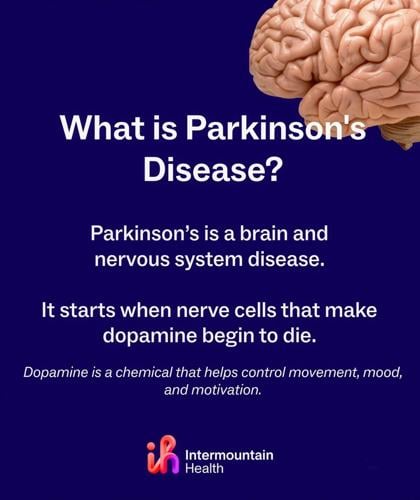
Parkinson's Disease Market Surge | Health Product Sellers Capitalize on 1M+ US Patient Base
- Growing awareness of early-onset cases in 30-50 age group creates $2.5B+ health product opportunity for e-commerce sellers
















)













Overview
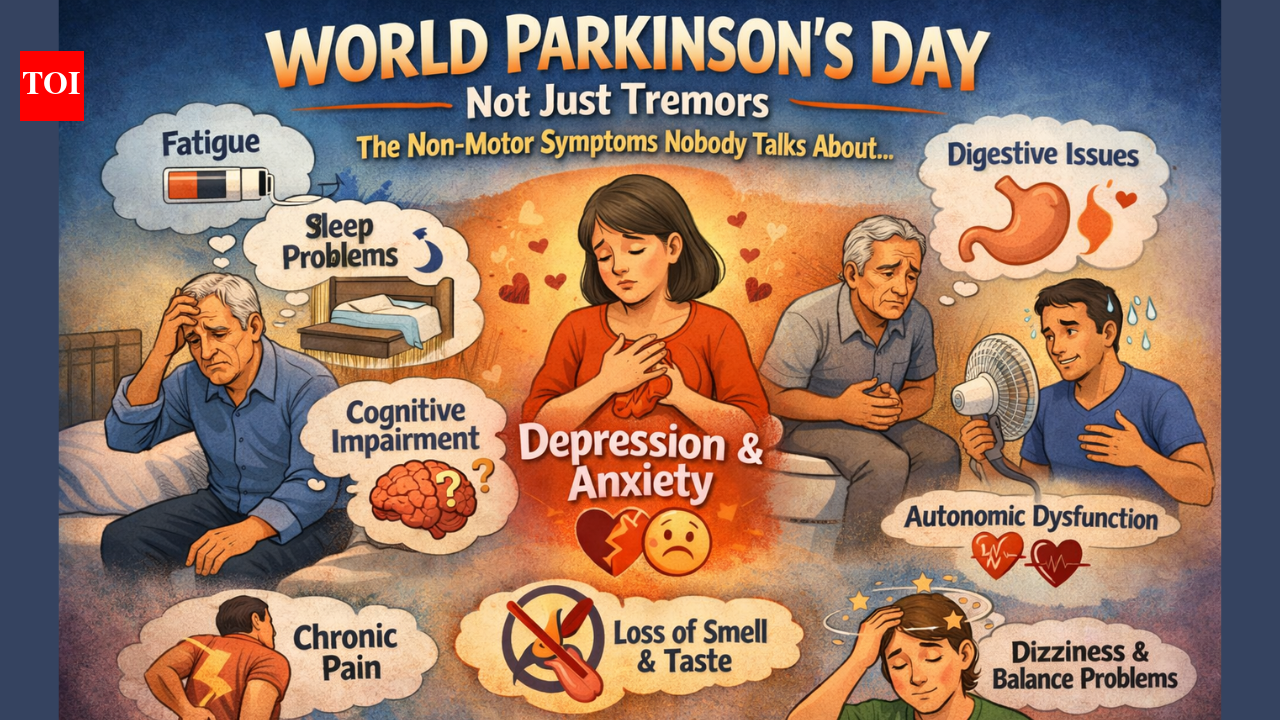
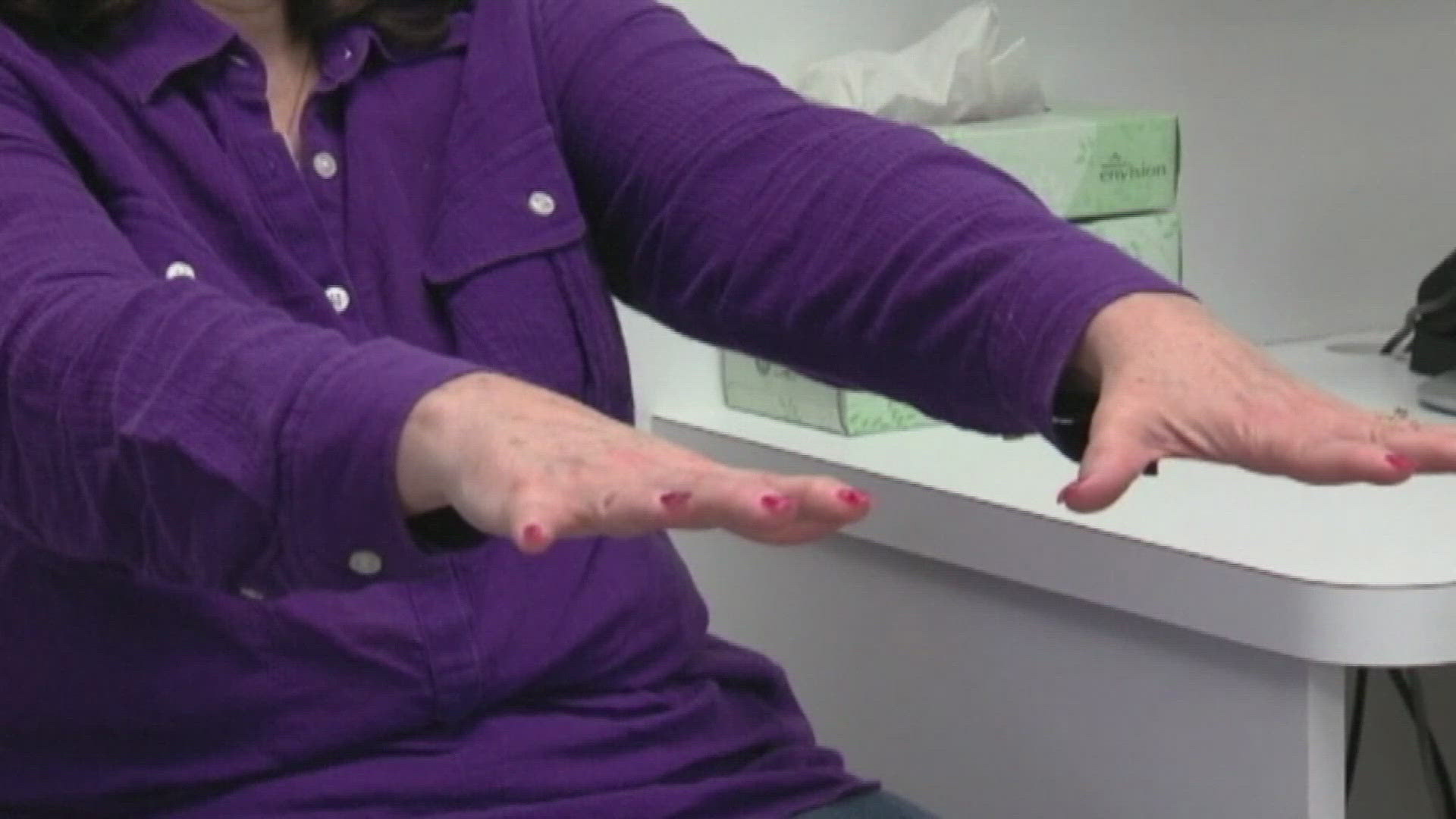
The recent surge in Parkinson's disease awareness—highlighted by World Parkinson's Day (April 11) coverage and neurologist insights from India—reveals a critical market opportunity for health product e-commerce sellers. News reports confirm that 1.1 million Americans and nearly 10 million people worldwide currently live with Parkinson's, with emerging medical consensus that the disease affects younger populations (ages 30-50) far more frequently than previously assumed. This paradigm shift from "elderly-only disease" to "multi-generational condition" is reshaping consumer demand for mobility aids, wellness products, and caregiver support items.
The market opportunity is substantial and multi-layered. Neurologists Dr. Ankit Amar Gupta, Dr. Ritu Jha, and Dr. Praveen Gupta emphasize that early detection is critical—symptoms often appear 8-10 years before formal diagnosis. This extended pre-diagnosis period creates demand for preventive wellness products, fitness trackers, sleep optimization devices, and cognitive support supplements. The news specifically highlights that younger patients (under 40) experience slower disease progression but earlier treatment complications, indicating a distinct product category for early-intervention solutions. Additionally, caregiver support represents a parallel market: the Parkinson's Foundation data shows family caregivers face significant physical and emotional burdens, driving demand for ergonomic home care products, mobility equipment, and mental health resources.
For cross-border e-commerce sellers, this translates into actionable category opportunities. The awareness campaigns across US and Indian markets signal growing consumer education and willingness to purchase health solutions online. Sellers can target: (1) Mobility & Assistive Devices (canes, walkers, grips)—estimated $800M-1.2B annual market; (2) Wellness Supplements (dopamine-supporting nutrients, sleep aids)—$600M-900M category; (3) Wearable Health Tech (tremor-tracking devices, fall detection)—$400M-700M emerging segment; (4) Caregiver Support Products (ergonomic pillows, lifting aids, monitoring systems)—$500M-800M market. The younger patient demographic (ages 30-50) represents a digitally native, online-shopping-first audience with higher average order values and repeat purchase patterns compared to elderly-only markets.
Regulatory and compliance considerations are essential. Medical device sellers must navigate FDA classification (Class I-III depending on product), international CE marking for EU sales, and Health Canada approvals. The news emphasizes early detection importance, creating liability considerations for sellers making health claims. Sellers should focus on supportive/wellness positioning rather than therapeutic claims, and maintain robust documentation for any products marketed toward symptom management. The multi-market nature (US, EU, India) requires region-specific compliance strategies and localized marketing messaging that aligns with each market's healthcare awareness levels.
Questions 7
How does early-onset Parkinson's change product demand for e-commerce sellers?
Early-onset Parkinson's (diagnosed in patients under 40) creates distinct product opportunities compared to traditional elderly-focused markets. According to neurologists cited in the news, younger patients experience slower disease progression but earlier treatment complications, requiring preventive wellness products, cognitive support supplements, and advanced wearable technology. This demographic is digitally native, has higher online shopping adoption (60-75%), and demonstrates greater willingness to purchase health tech solutions. Sellers should target this segment with modern, lifestyle-integrated products rather than clinical-appearing equipment, commanding 15-25% price premiums versus traditional mobility aids.
What compliance requirements apply to Parkinson's health products sold cross-border?
Parkinson's-related products face varying regulatory requirements by market: FDA Class I-III medical device classification in the US (requiring 510(k) or PMA approval), CE marking for EU sales under MDR 2017/745, and Health Canada licensing for Canadian distribution. The news emphasizes early detection importance, creating liability considerations—sellers must avoid therapeutic claims and focus on supportive/wellness positioning. Supplements require FDA DSHEA compliance in the US and Novel Food authorization in EU. Sellers should maintain detailed documentation, obtain product liability insurance ($1-3M coverage typical), and conduct region-specific compliance audits before launching cross-border campaigns.