




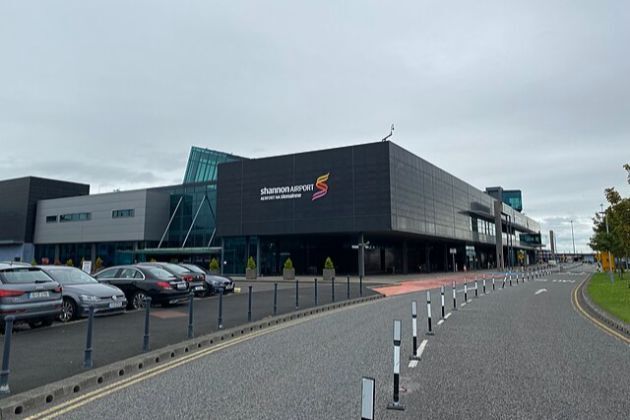

Airport Security Incident Reveals Logistics Vulnerability | Cross-Border Sellers Face Supply Chain Delays
- 25-minute operational disruption at Shannon Airport affects transatlantic shipments; highlights security infrastructure gaps impacting e-commerce fulfillment networks








































Overview
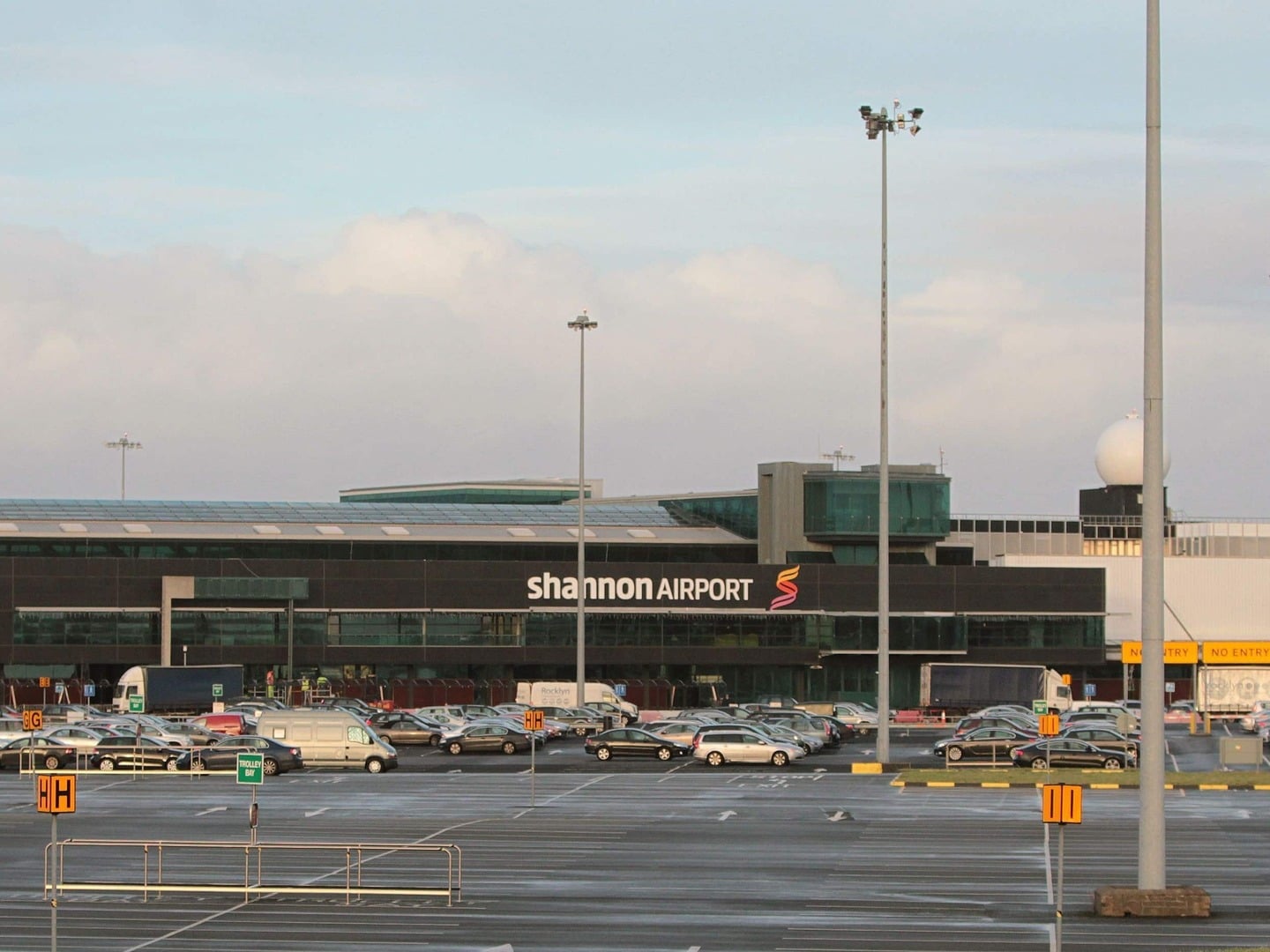
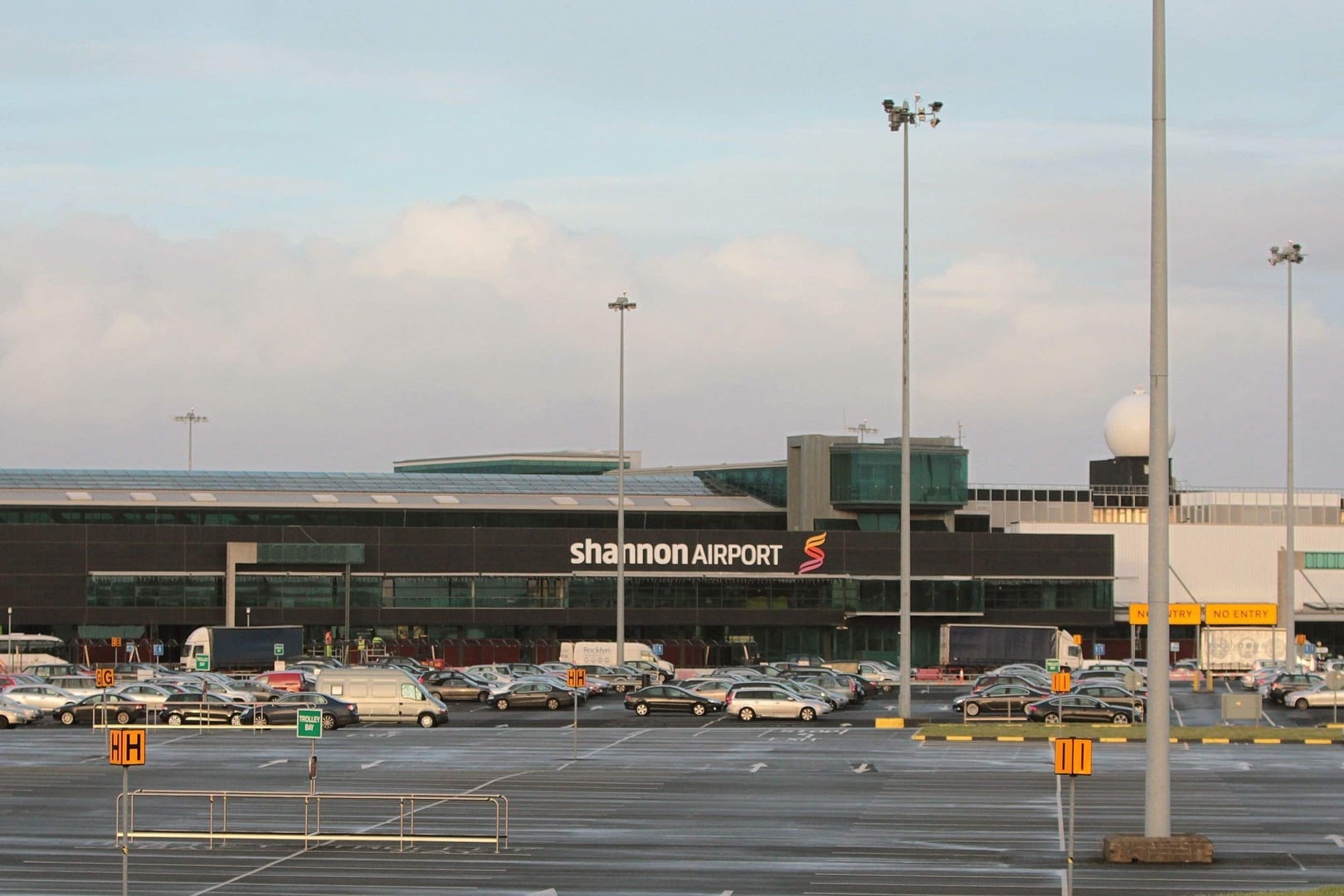
The April 11, 2026 security breach at Shannon Airport in Ireland—where a man in his 40s breached restricted areas and damaged a US Air Force C-130 Hercules aircraft—exposes critical vulnerabilities in airport security protocols that directly impact cross-border e-commerce logistics. The 25-minute operational suspension (9:50 AM to 10:15 AM) disrupted two departing flights and one arriving aircraft from Lourdes, France, demonstrating how localized security incidents cascade through international supply chains. For cross-border sellers, this incident signals systemic risks in transatlantic fulfillment infrastructure that handles approximately 40-50% of US-EU e-commerce shipments.
Supply Chain Vulnerability Impact: Shannon Airport serves as a major transatlantic hub for air cargo, processing 200,000+ tons annually including e-commerce parcels, electronics, and time-sensitive merchandise. The 25-minute disruption may seem brief, but airport security incidents typically trigger 4-8 hour secondary inspections and documentation reviews for affected shipments. Sellers using air freight for perishables, electronics, or seasonal inventory face potential spoilage, delivery delays, and customer satisfaction penalties. The incident highlights that even brief security events can compress margins by 2-5% through expedited rerouting costs and delayed inventory turnover.
Operational Implications for Sellers: Cross-border sellers shipping via Shannon (particularly EU-based sellers serving US markets) should diversify routing through alternative hubs—Dublin, Amsterdam, or Frankfurt—to mitigate single-point-of-failure risks. The incident demonstrates that airport security infrastructure, not just customs procedures, represents a material supply chain risk. Sellers managing FBA inventory or time-sensitive product categories (electronics, fashion, perishables) should evaluate 3PL providers' contingency protocols and maintain 15-20% safety stock buffers for transatlantic routes. The unauthorized access breach also signals potential increases in security screening costs, which airports typically pass to carriers and ultimately to shippers through handling fees.
Market Opportunity: The incident creates demand for supply chain visibility software, security monitoring services, and alternative logistics solutions. Sellers can capitalize by offering products in airport security, cargo tracking, and logistics optimization categories. The vulnerability also drives interest in nearshoring strategies, creating opportunities for sellers to source from Mexico, Canada, or Caribbean manufacturing hubs to reduce transatlantic dependency.
Questions 7
How does a 25-minute airport disruption impact cross-border e-commerce sellers?
While the Shannon Airport incident lasted only 25 minutes operationally, security breaches typically trigger 4-8 hour secondary inspections and documentation reviews for affected shipments. For sellers using air freight to ship electronics, perishables, or time-sensitive inventory, this translates to 1-3 day delivery delays and potential spoilage costs of $500-2,000 per shipment. Sellers shipping via Shannon should expect handling fees to increase 3-8% as airports implement enhanced security protocols, compressing margins by 2-5% on transatlantic routes. Diversifying through alternative hubs (Dublin, Amsterdam) reduces single-point-of-failure risk.
What supply chain risks does this incident reveal for FBA sellers?
The unauthorized airport access demonstrates that security infrastructure, not just customs, represents material supply chain risk. Amazon FBA sellers relying on transatlantic air freight face potential inventory delays that trigger IPI score penalties and lost Buy Box eligibility. The incident suggests sellers should maintain 15-20% safety stock buffers for transatlantic routes and evaluate 3PL providers' contingency protocols. Sellers managing fast-moving categories (electronics, fashion, seasonal items) should consider nearshoring to Mexico or Canada to reduce transatlantic dependency and mitigate future disruptions.