


Italy's Culinary Diplomacy Transforms National Identity into Global Cultural Capital
- UNESCO Recognition Elevates Italian Cuisine from Tradition to Strategic National Branding

















!role~Preview!mt~photo!fmt~JPEG%20Baseline)









Overview
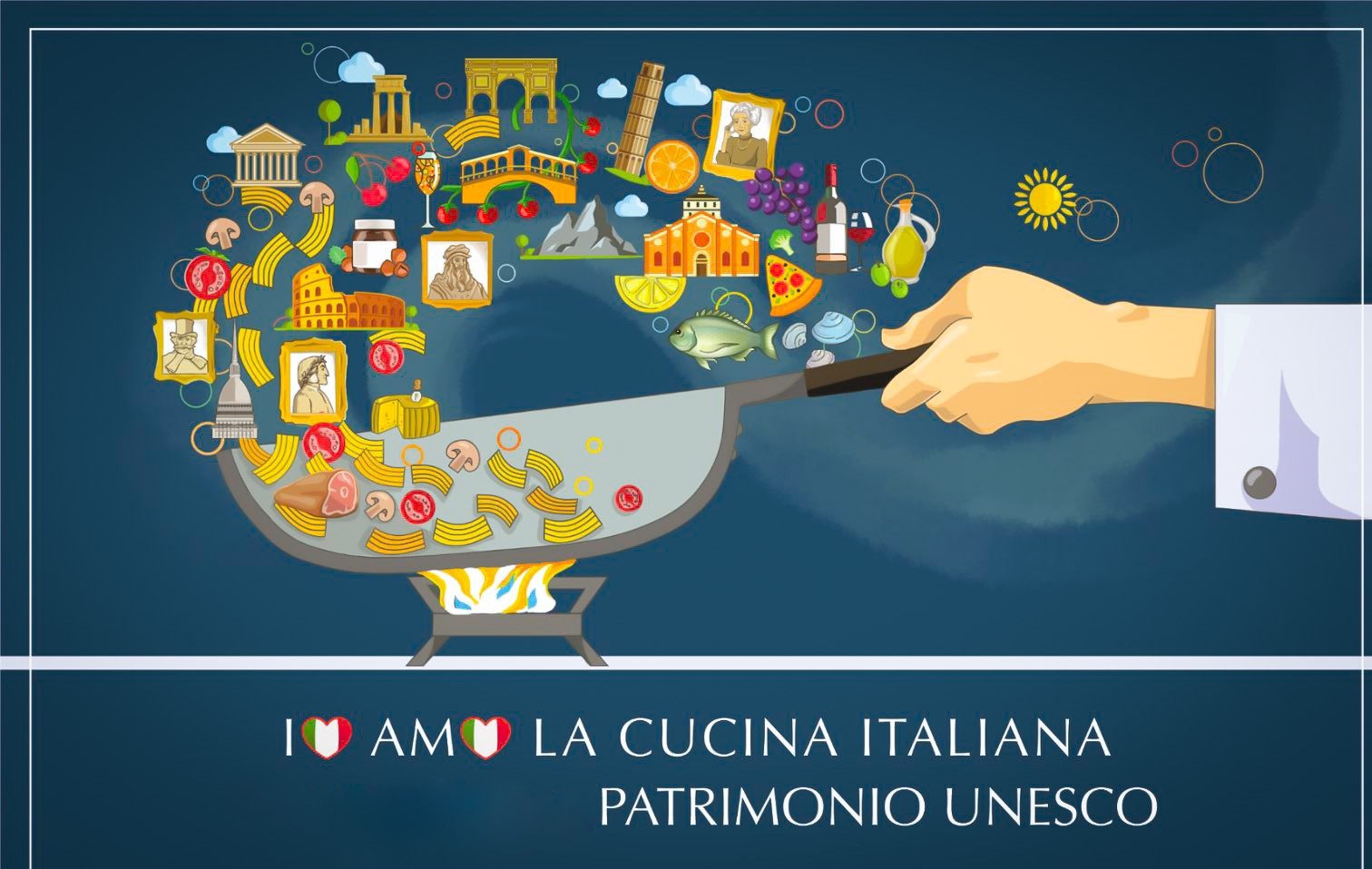
In a groundbreaking diplomatic and cultural achievement, Italy has successfully transformed its culinary heritage into a powerful global soft power instrument. The UNESCO recognition of Italian cuisine as an Intangible Cultural Heritage represents far more than a gastronomic accolade—it's a strategic masterpiece of national positioning that intertwines cultural preservation with economic opportunity.
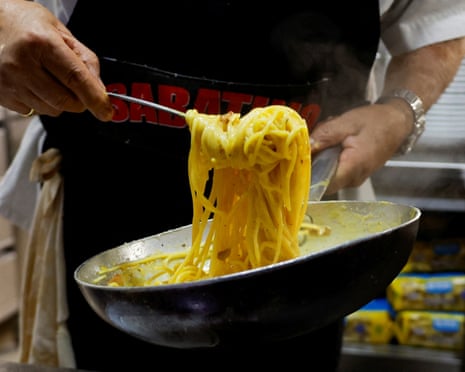
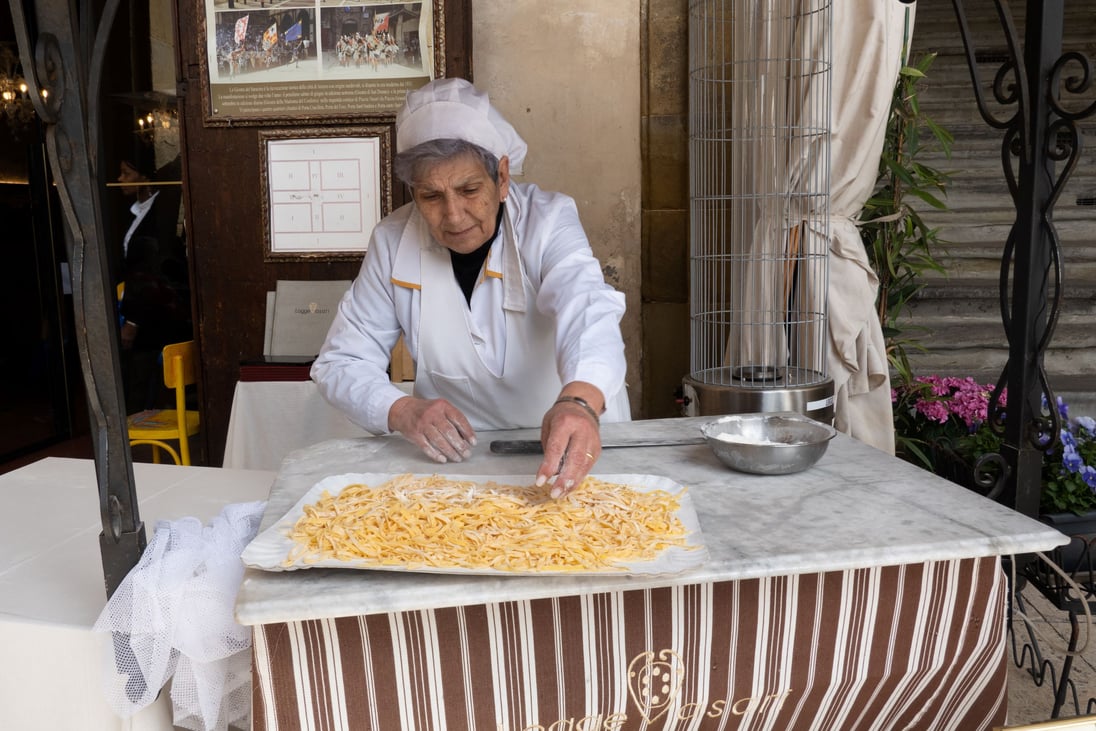
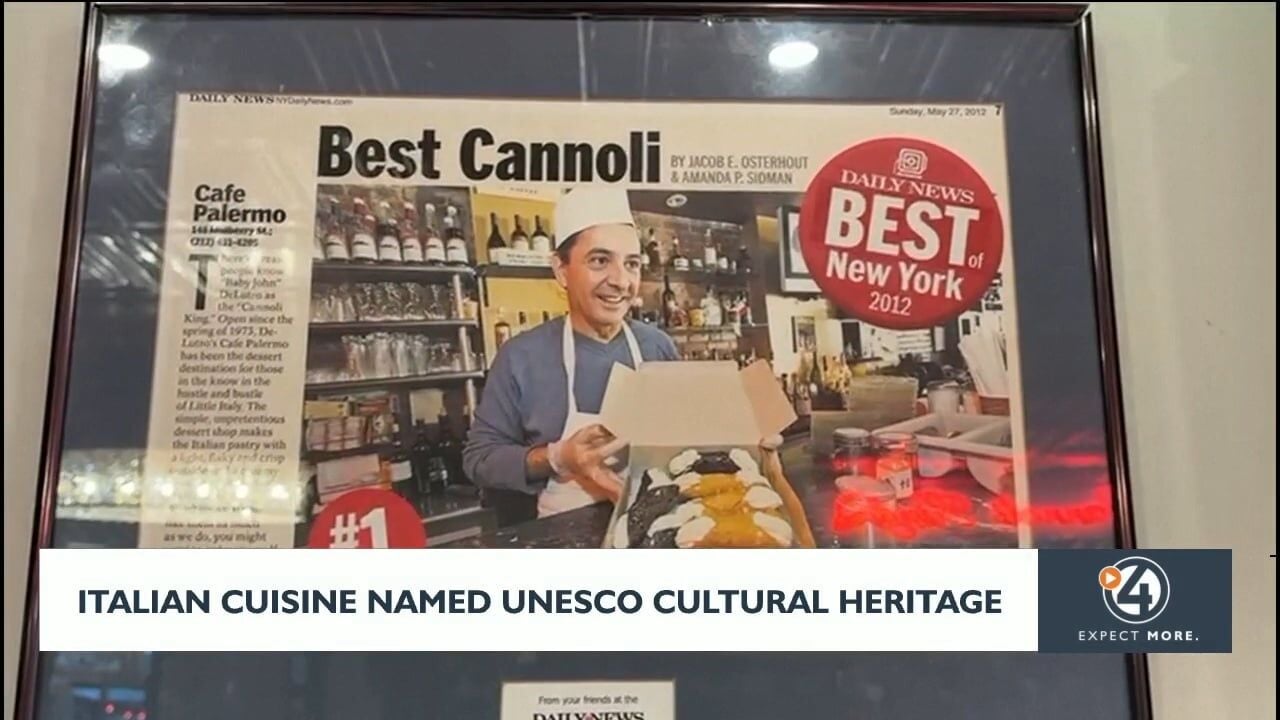
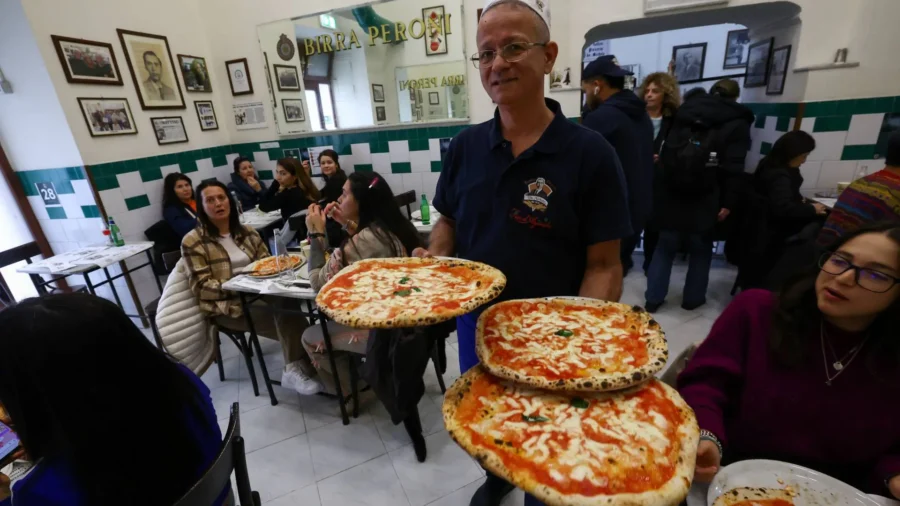
The significance extends beyond mere food recognition. Prime Minister Giorgia Meloni's government strategically pursued this designation, understanding that cuisine represents a complex ecosystem of social practices, generational knowledge transfer, and national identity. By framing Italian food as a holistic cultural expression—from pasta and mozzarella to regional specialties like Sicilian Cannoli and Calabrian 'Nduja—Italy has created a comprehensive narrative of cultural richness.
Economically, this recognition is a calculated move with potentially transformative implications. A Sapienza University report suggests previous UNESCO recognitions have significantly boosted tourism, and the culinary heritage status is expected to amplify this effect. With Italy already attracting 80 million international visitors annually, the UNESCO designation positions the country's food culture as a premier global attraction. Industry leaders like Luigi Scordamaglia from Filiera Italia recognize this as a triumph for the entire Made in Italy supply chain, highlighting how cultural recognition can translate into economic advantage.
The strategic brilliance lies in positioning cuisine as a dynamic, evolving practice rather than a static tradition. UNESCO's emphasis on welcoming innovation from younger generations ensures that this recognition is not a museum piece, but a living, breathing cultural expression. This approach transforms culinary heritage from a nostalgic concept into a forward-looking national asset.
For global observers, Italy's success represents a masterclass in cultural diplomacy—demonstrating how a nation can leverage its traditional strengths into contemporary soft power. By celebrating food as more than sustenance—as a medium of social connection, generational wisdom, and national creativity—Italy has set a new standard for cultural branding on the world stage.
Questions 3
What makes this UNESCO recognition strategically significant for Italy?
The recognition transforms Italian cuisine from a culinary tradition into a strategic national asset, providing economic opportunities through cultural tourism, enhancing global brand recognition, and positioning Italy as a leader in cultural preservation and innovation.
Why is UNESCO's approach to cultural heritage important in this context?
UNESCO emphasizes living, evolving cultural practices rather than static traditions. By welcoming innovation from younger generations, the recognition ensures that Italian cuisine remains a dynamic, contemporary expression of cultural identity, not just a historical artifact.