


Geopolitical Sanctions Risk Escalates | Cross-Border Sellers Face Iran Trade Restrictions
- Iran's UN committee appointment signals potential sanctions expansion affecting sellers in electronics, textiles, and luxury goods categories; U.S. opposition indicates compliance tightening for Iran-connected supply chains
Overview
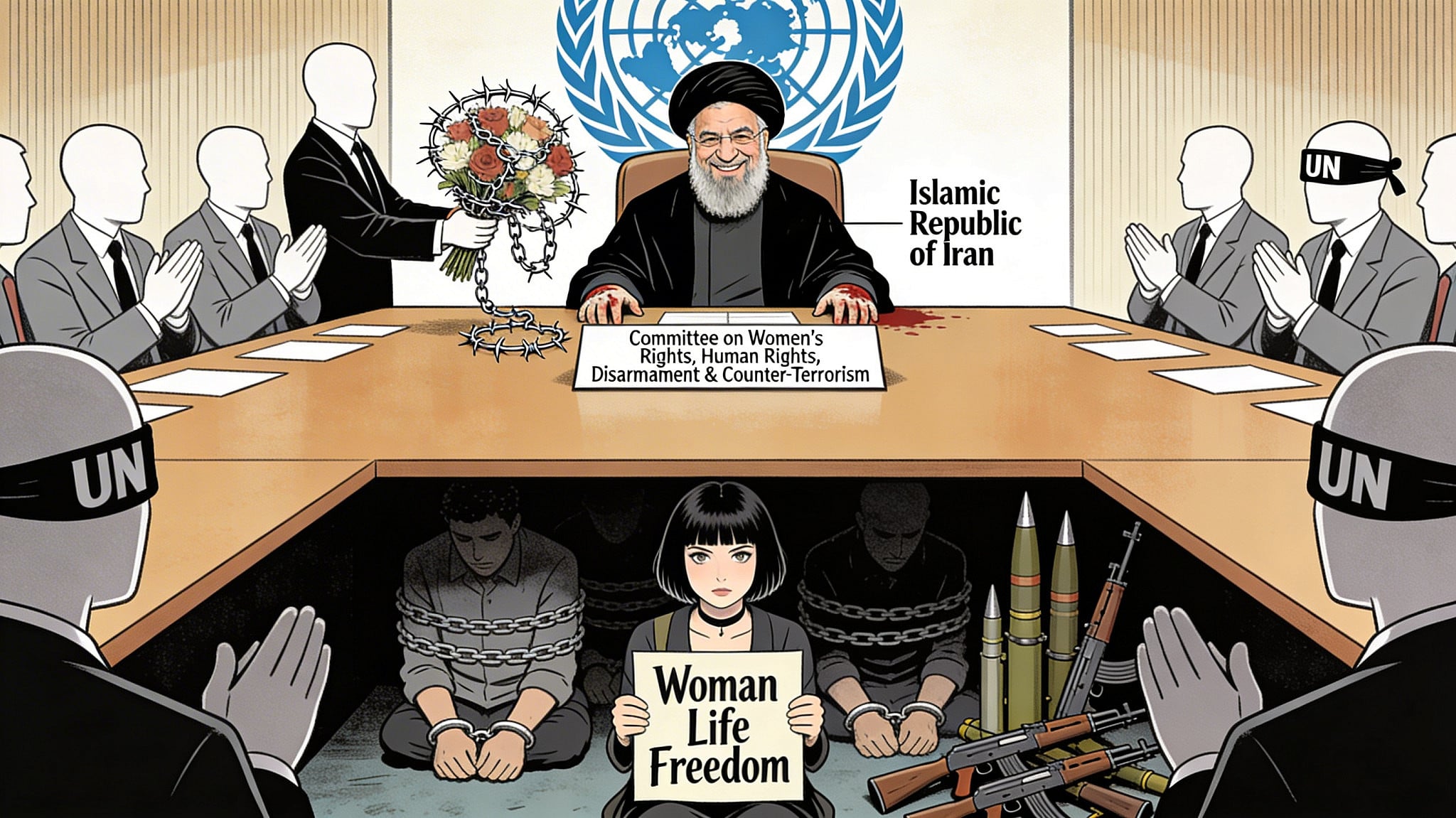
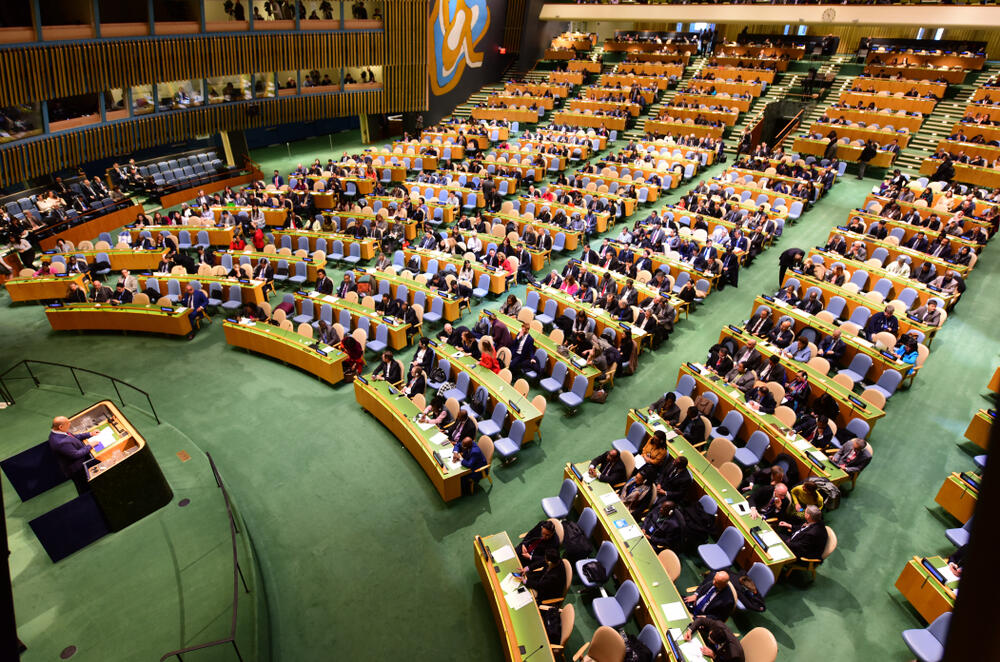
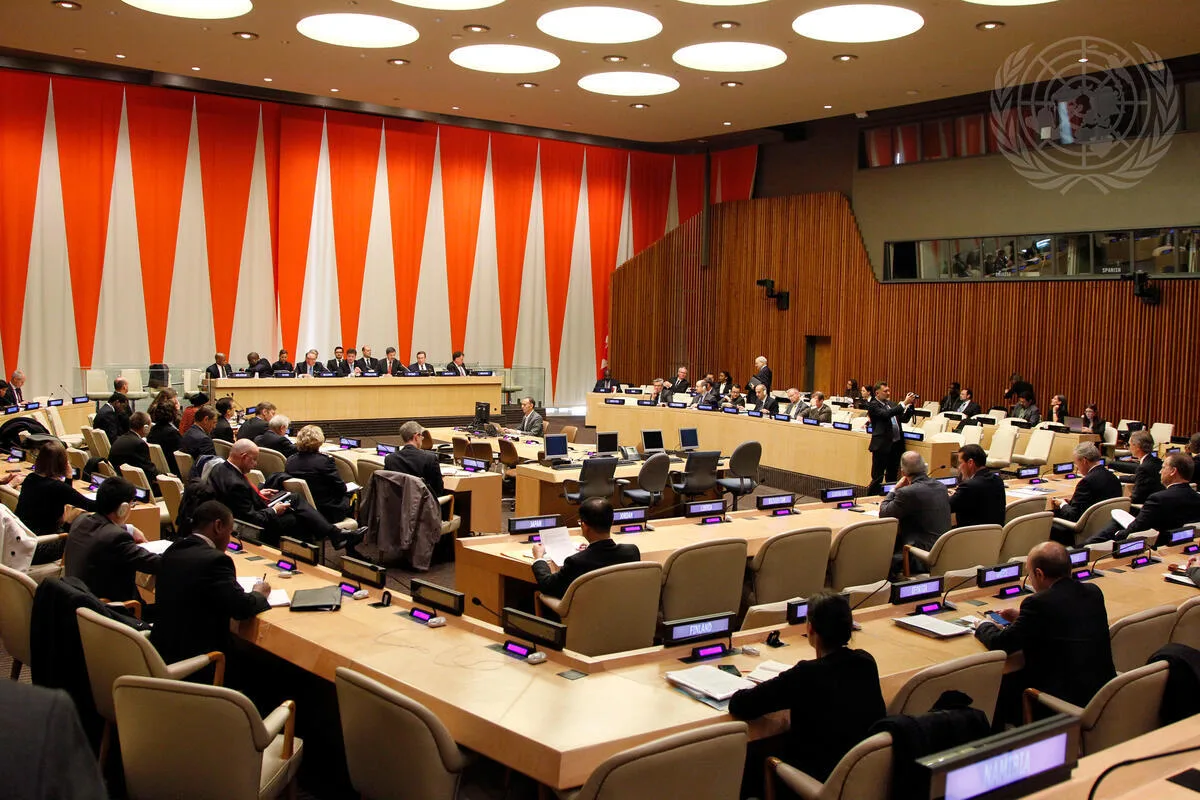
Iran's appointment to UN committees overseeing human rights, disarmament, and terrorism prevention represents a critical geopolitical development with direct implications for cross-border e-commerce sellers. The April 2026 ECOSOC election elevated Iran alongside China, Cuba, Nicaragua, Saudi Arabia, and Sudan to oversight bodies controlling NGO accreditation and policy coordination. While framed as diplomatic governance, this appointment signals escalating international tensions that historically precede sanctions expansion—a pattern that directly impacts sellers operating in or sourcing from sanctioned jurisdictions.
For cross-border sellers, the immediate risk centers on supply chain compliance and market access restrictions. The news documents Iran's extensive ballistic missile programs, uranium enrichment capabilities, and funding of militant groups including Hezbollah, Islamic Jihad, and the Houthis. These designations trigger U.S. OFAC (Office of Foreign Assets Control) sanctions that prohibit American sellers from transacting with Iranian entities, individuals, or goods. Sellers in electronics, textiles, automotive parts, and luxury goods categories face heightened compliance scrutiny, as these sectors historically contain Iran-origin components or end-user risks. The U.S. formally opposed Iran's nomination—the only ECOSOC member to do so—signaling potential unilateral sanctions escalation independent of UN consensus.
The broader geopolitical context reveals a pattern of authoritarian regime consolidation in UN oversight bodies. UN Watch documented that 70 civil society groups warned against these elections, yet democratic nations (Canada, France, Spain, Norway, Netherlands, Australia, UK) enabled the outcome through bloc voting dynamics. This institutional weakening historically correlates with sanctions regime fragmentation, where authoritarian nations create parallel trade networks circumventing Western restrictions. Sellers should anticipate: (1) expanded OFAC screening requirements for Iran-connected supply chains; (2) increased compliance costs for sellers shipping to or from sanctioned jurisdictions; (3) potential delisting of Iran-origin products from major platforms (Amazon, eBay, Shopify) enforcing U.S. sanctions; (4) supply chain diversification pressure as Western companies reduce Iran exposure.
Immediate actions for sellers: Review inventory sourcing for Iran-origin components or end-user destinations by May 2026. Audit supplier certifications for OFAC compliance. Monitor OFAC Specially Designated Nationals (SDN) list updates weekly. Consider geographic diversification away from Iran-dependent supply chains. Sellers in affected categories should budget 8-15% compliance costs for enhanced screening and documentation. Long-term, expect sanctions expansion to accelerate, making Iran-connected commerce increasingly untenable on Western platforms.
Questions 8
What immediate compliance actions should sellers take regarding Iran sanctions?
Sellers should immediately: (1) Review inventory sourcing for Iran-origin components by May 2026; (2) Audit supplier OFAC certifications and maintain documentation; (3) Monitor OFAC SDN list updates weekly; (4) Implement quarterly compliance reviews; (5) Consider geographic supply chain diversification away from Iran-dependent sources. The U.S. formally opposed Iran's UN appointment on April 8, 2026, signaling potential sanctions expansion. Sellers in electronics, textiles, automotive, and luxury goods face highest scrutiny. Budget 8-15% additional compliance costs. Failure to comply risks product delisting from major platforms, account suspension, and potential civil/criminal penalties. Consult OFAC guidance and legal counsel for Iran-connected transactions.
How does Iran's committee role affect NGO accreditation and seller compliance?
Iran now sits on the Committee on NGOs, which oversees accreditation and UN access for thousands of human rights and civil society groups. The news warns that dictatorships will gain majority control to deny accreditation to independent organizations and potentially accredit regime-created front groups. For sellers, this means reduced transparency in supply chain auditing, weaker enforcement of labor standards, and potential legitimization of front companies masking sanctions violations. Sellers relying on NGO certifications for ethical sourcing should diversify verification methods. Expect increased complexity in proving supply chain compliance as authoritarian regimes influence NGO credibility. This institutional shift historically correlates with sanctions regime fragmentation and parallel trade network expansion.