





Iran War Fuel Crisis Crushes E-Commerce Margins | Logistics Costs Up 100%
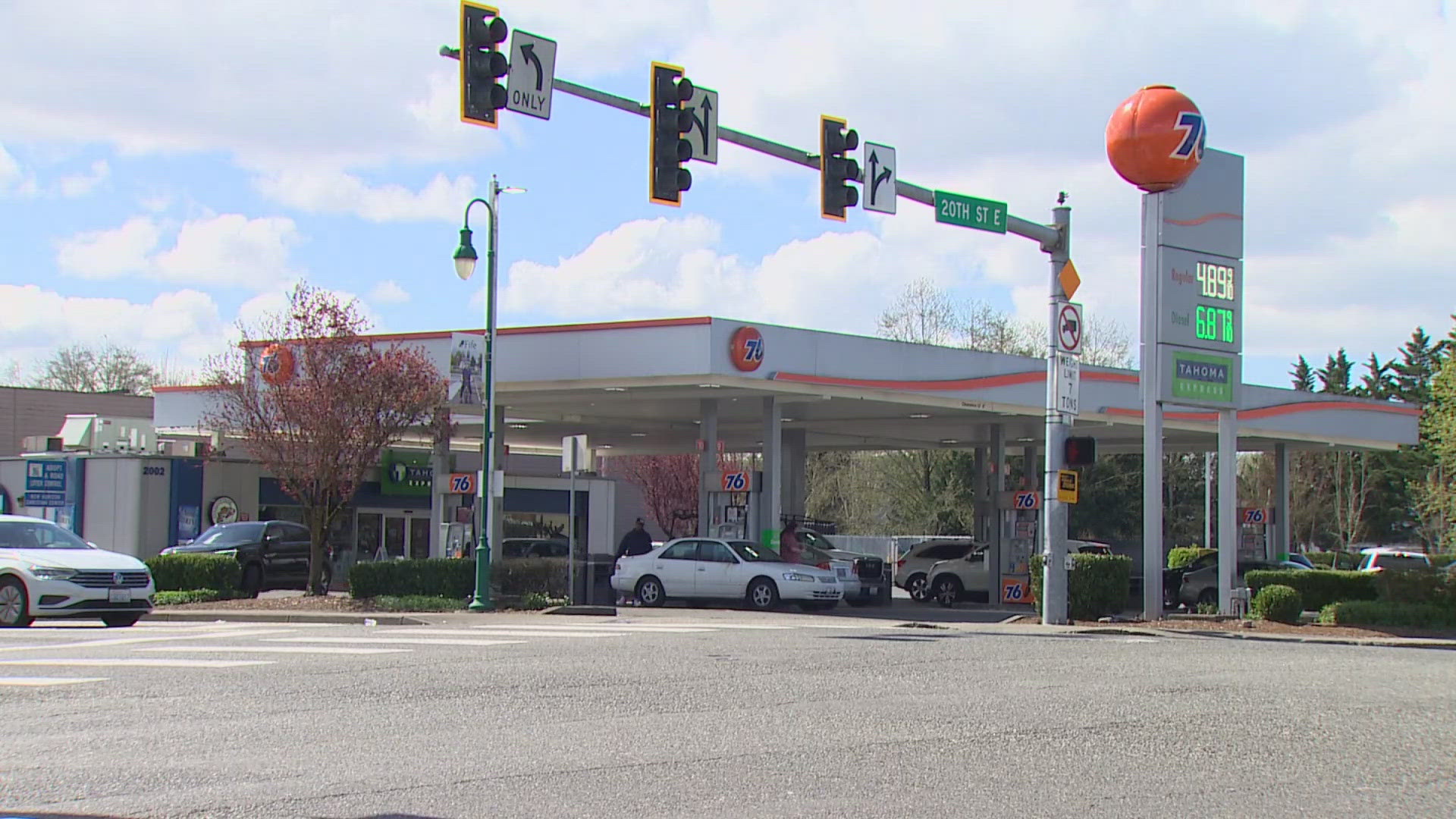
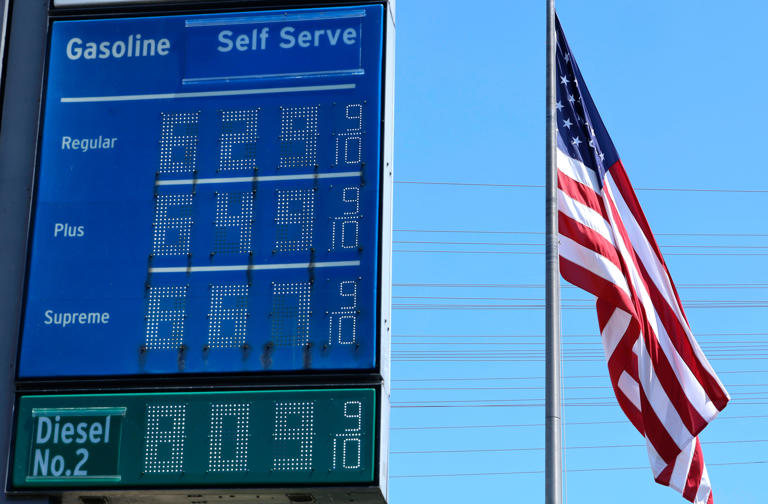
- Diesel prices surge to $5.67/gallon, trucking costs double from $800-900 to $1,600-1,700 weekly; consumer purchasing power collapses as pawn loans spike; sellers face sustained margin compression through mid-2026





















Overview
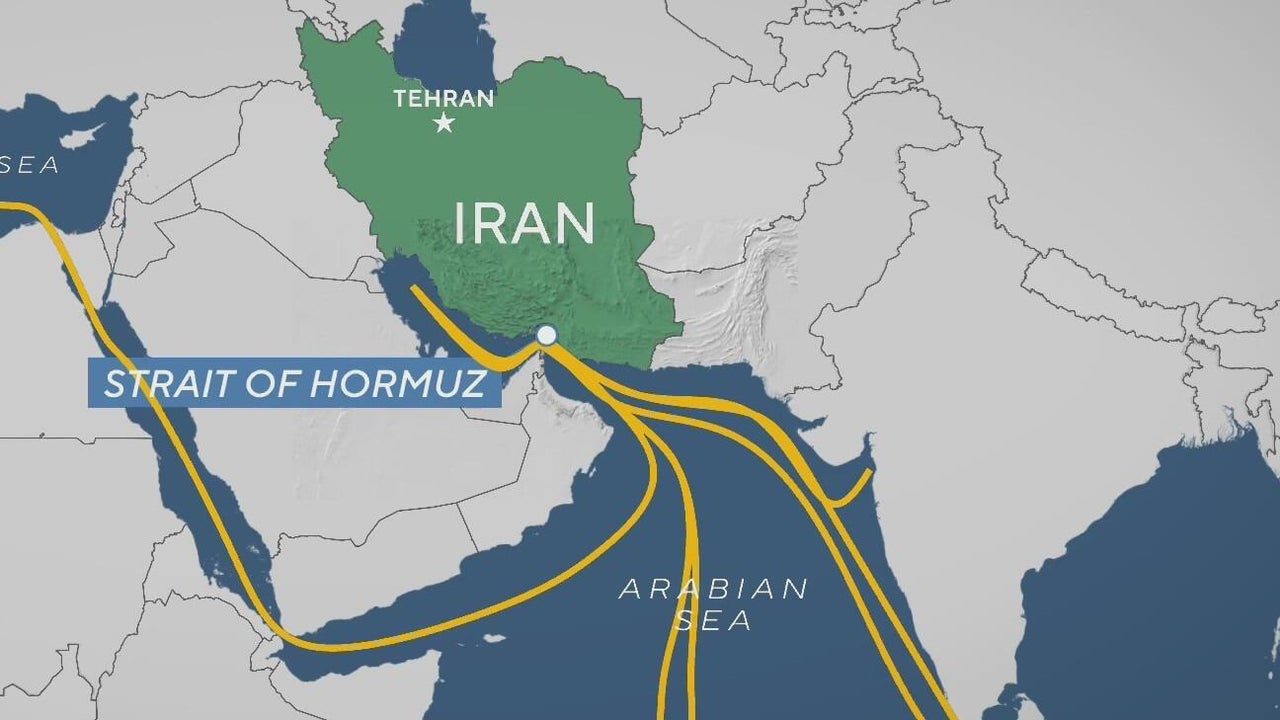
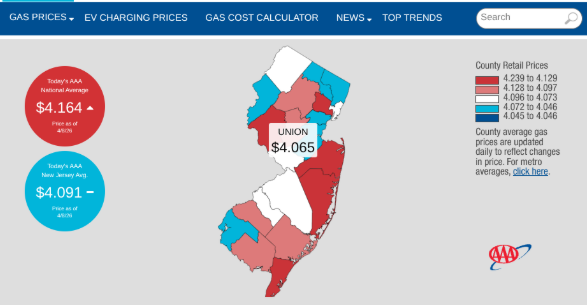
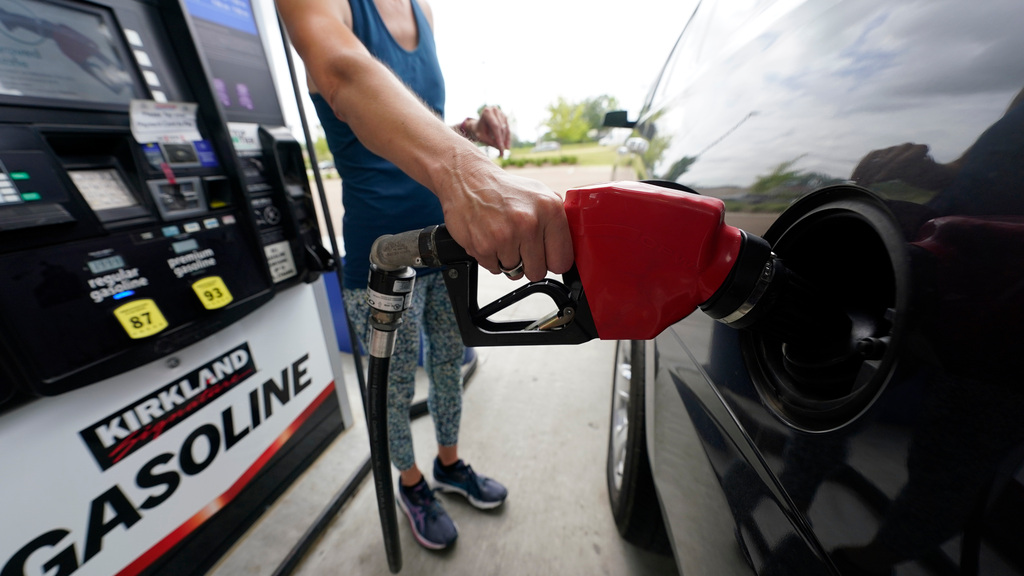
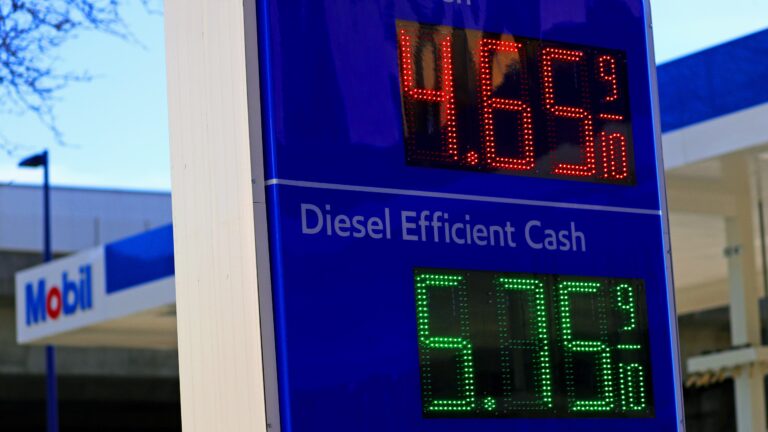
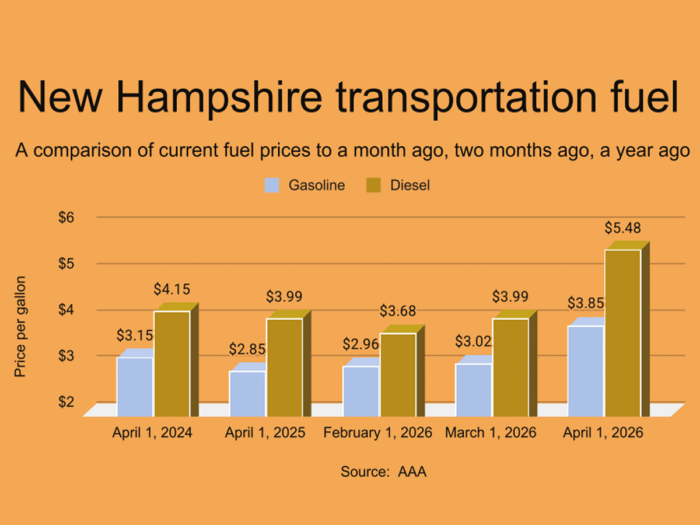
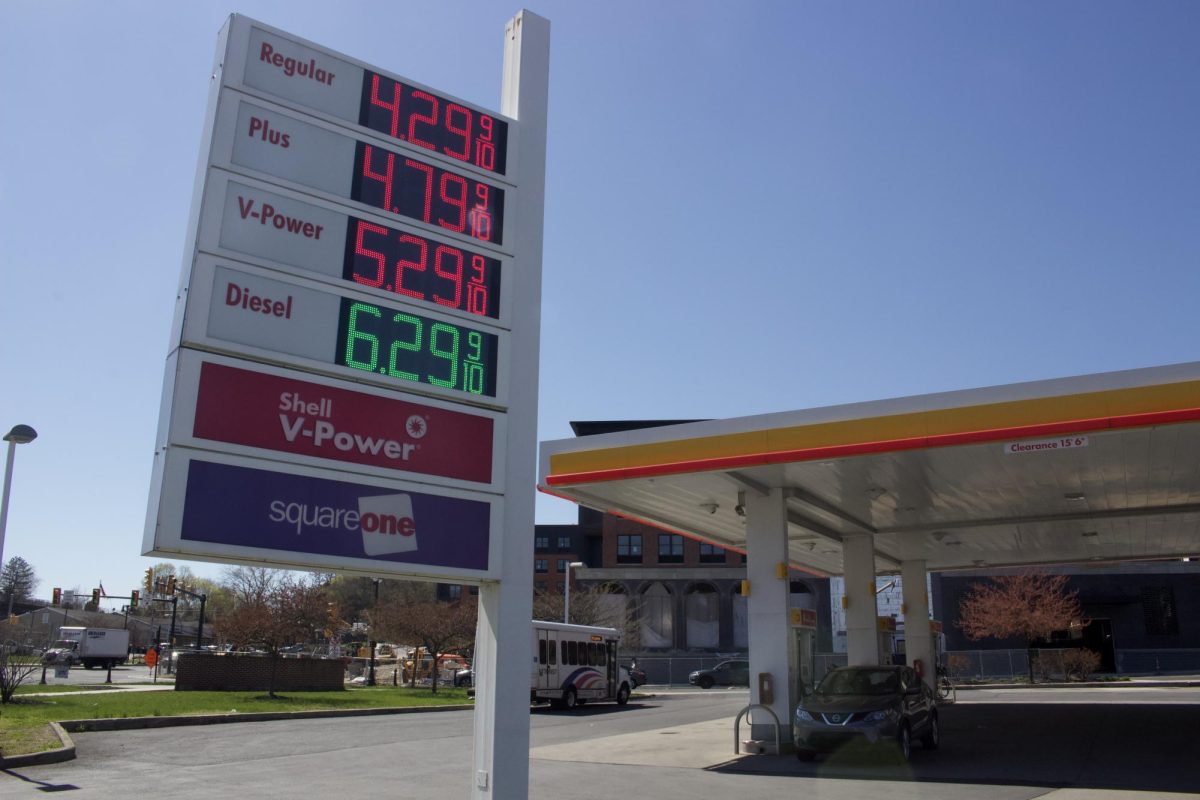
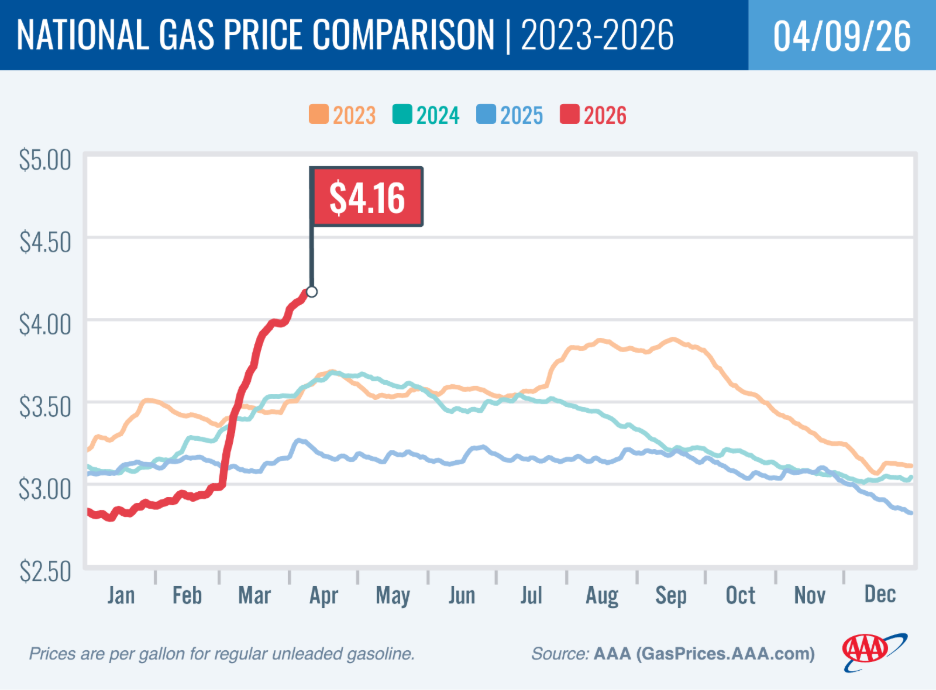
The Iran-Middle East military conflict has triggered the worst global oil-supply disruption in history, with direct catastrophic implications for cross-border e-commerce sellers. As of April 11, 2025, U.S. gasoline prices surged to $4.16 per gallon and diesel to $5.67 per gallon—the highest levels since Russia's 2022 Ukraine invasion—representing a $10.4 billion increase in fuel spending for March 1-April 10 compared to the previous year. Crude oil prices exploded from $67 per barrel (February 27) to $105 per barrel (March 30), driven by Strait of Hormuz closure, infrastructure damage, and 2 million barrels daily of Middle Eastern refining capacity offline. For e-commerce sellers, this translates to immediate operational devastation: trucking costs have nearly doubled, with diesel-dependent logistics operators reporting weekly fuel expenses jumping from $800-900 to $1,600-1,700. This cost structure directly compresses fulfillment margins across Amazon FBA, 3PL networks, and last-mile delivery operations.
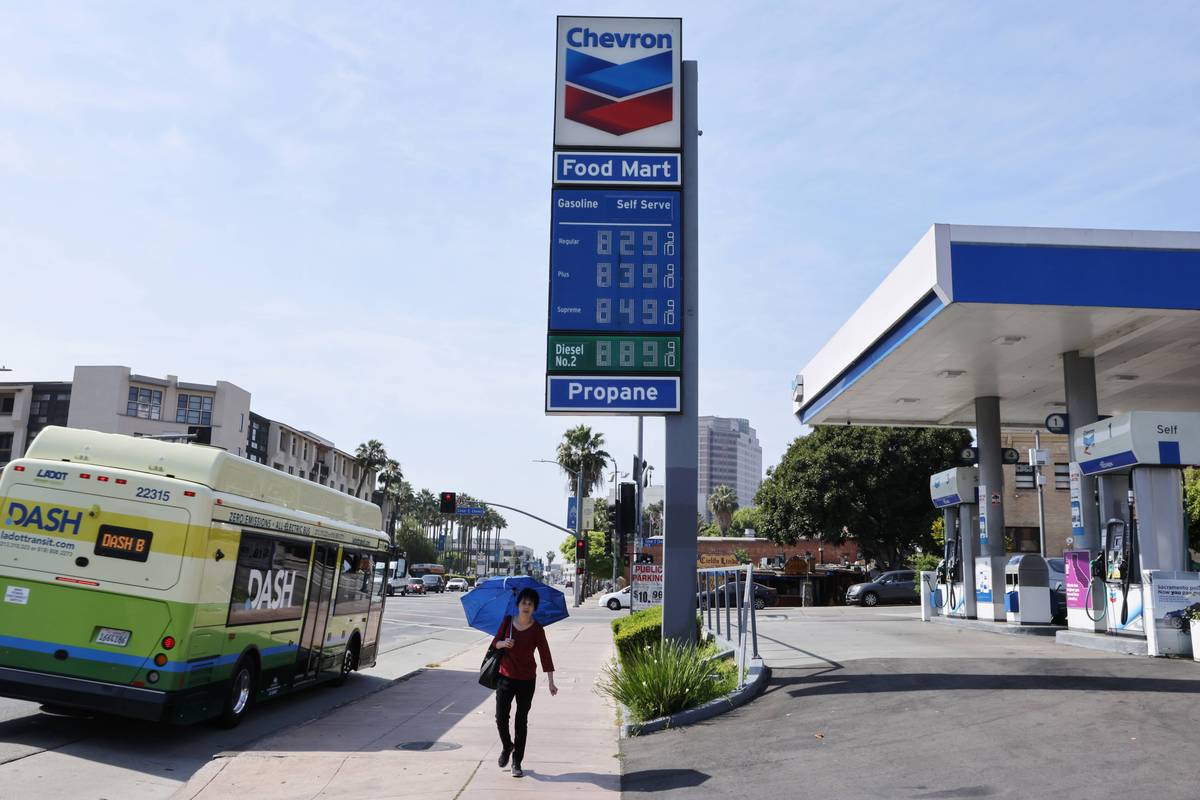
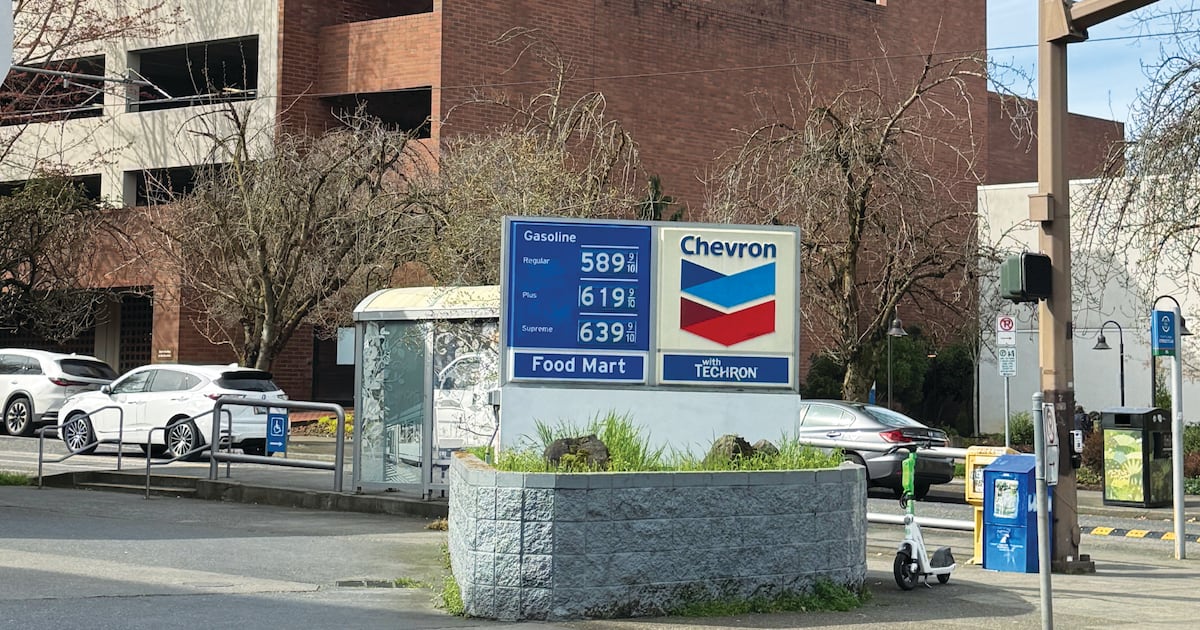
Consumer demand destruction is already evident and accelerating. Gasoline demand dropped to 8.6 million barrels daily before Easter, down from previous year levels, while pawn loan transactions surged as consumers struggled with fuel costs exceeding $4 per gallon—a clear signal of broader economic strain destroying discretionary purchasing power. This dual impact—rising logistics costs combined with collapsing consumer spending—creates a profit margin squeeze for sellers across all categories. Electronics, apparel, and home goods sellers face particular vulnerability as consumers prioritize essential spending over discretionary purchases. Regional variations matter significantly: California experienced acute price increases reaching $5.93 per gallon due to heavier Middle Eastern oil reliance, creating regional demand destruction that disproportionately impacts sellers serving West Coast markets.
The critical risk: fuel prices will remain elevated through mid-2026 and beyond. Wei Ren Gan from Rystad Energy projects that rather than rapid recovery to pre-war levels, prices will soften gradually while remaining relatively higher than pre-war benchmarks due to lingering geopolitical risk premiums. Ceasefire talks scheduled for April 12 offer no guarantee of rapid resolution, and infrastructure reconstruction in the Middle East will require years, maintaining supply constraints. Oil futures contracts show sustained price elevation through year-end 2026, with economists projecting stabilization around $3.50 only by late summer 2026. For sellers, this means sustained increases in last-mile delivery costs, reduced consumer discretionary spending, and compressed profit margins across fulfillment operations extending 12+ months. Insurance premiums for ships traversing the Strait remain elevated due to geopolitical risk premiums, further increasing international shipping costs for cross-border sellers. The political fallout—with Trump approval ratings crashing amid record fuel prices—adds policy uncertainty affecting future energy market stability and logistics infrastructure investments.
Questions 8
Which product categories will suffer most from fuel cost increases?
Heavy, low-margin categories face the steepest margin compression: home goods, furniture, sporting equipment, and bulk consumables. These categories have 15-25% typical margins, and 8-12% fulfillment cost increases eliminate 50-80% of profit. Conversely, high-margin electronics (40-60% margins) and apparel (35-50% margins) can absorb fuel costs while maintaining profitability. Lightweight, high-value items (jewelry, watches, tech accessories) are most resilient. Sellers should audit their product mix by margin and weight-to-value ratio, potentially delisting or repricing heavy, low-margin SKUs. Prioritize inventory investment in categories with 40%+ margins to weather the 12-18 month elevated fuel cost period.
How will consumer demand destruction from high fuel prices affect my sales?
Pawn loan transactions surged as consumers struggled with fuel costs exceeding $4 per gallon, signaling discretionary spending collapse. Gasoline demand dropped to 8.6 million barrels daily before Easter, down from previous year levels, indicating consumers are cutting non-essential purchases. Expect 10-20% sales declines in discretionary categories (home décor, fashion, electronics) through Q2-Q3 2026, while essential categories (health, household basics, pet supplies) remain stable. Regional variation matters: California ($5.93/gallon) will see steeper demand destruction than Texas ($4.50/gallon). Adjust inventory planning downward by 15-25% for discretionary categories and shift marketing spend toward value-conscious messaging emphasizing affordability and necessity.