



Last-Mile Delivery Crisis: Fuel Costs Force 15-25% Rate Increases for E-Commerce Sellers
- Gig driver shortages threaten same-day delivery; inflation hits 3.3% as fuel costs erode worker margins; sellers face delivery cost surge and service reliability risks



Overview
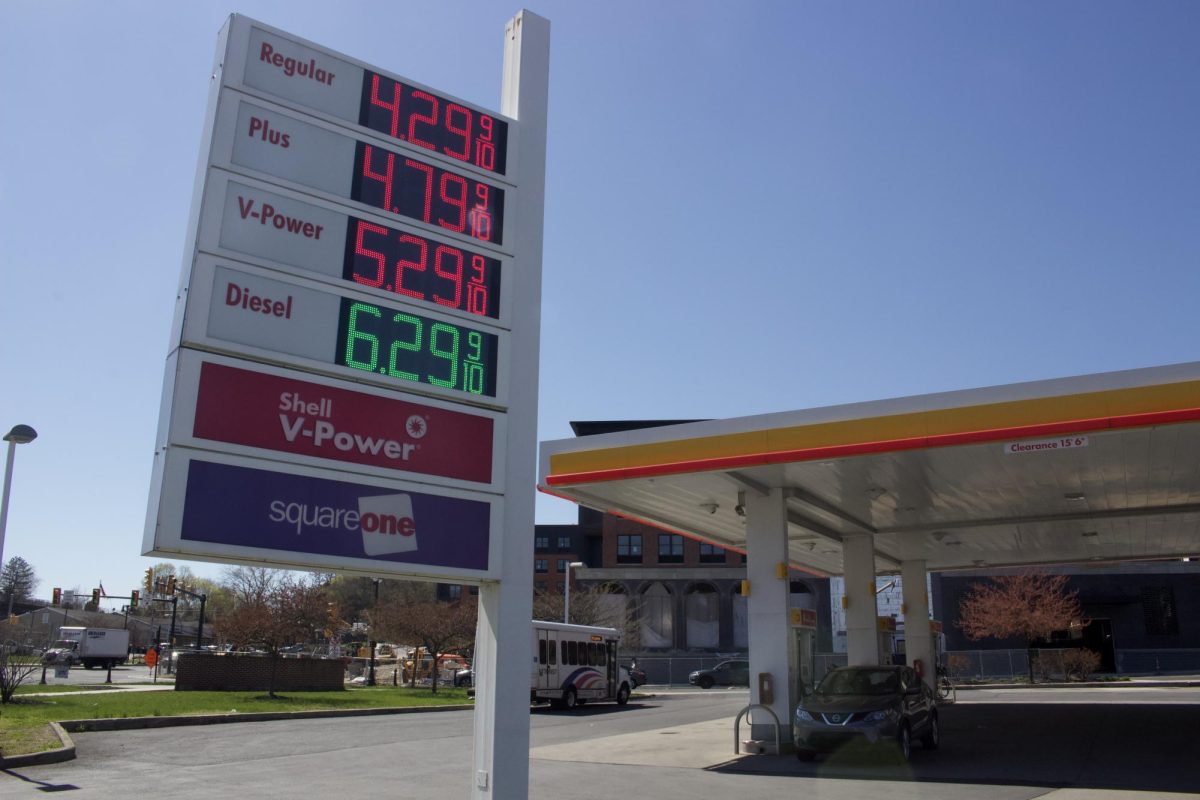
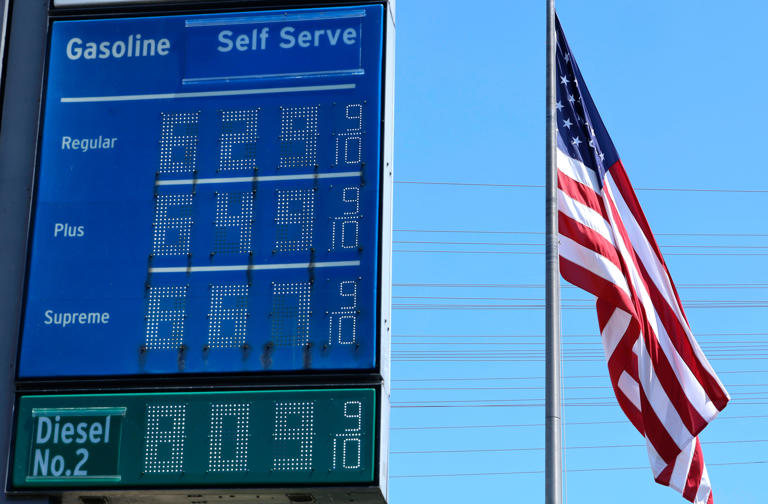
The gig economy's structural vulnerability to fuel price volatility is creating an immediate operational crisis for cross-border e-commerce sellers. According to Wall Street Journal reporting (April 11, 2026), drivers are now rejecting unprofitable routes—a $7.02 Lyft/Uber fare for a 1.2-mile trip requiring seven minutes of driving no longer justifies fuel consumption. With inflation reaching 3.3% in March 2026 (the highest in two years, driven primarily by gasoline price increases), gig workers are implementing three critical adaptation strategies: (1) adjusting work schedules to avoid peak fuel consumption periods, (2) selectively declining longer-distance fares that don't justify fuel expenditure, and (3) increasing total working hours to compensate for reduced per-trip profitability. This behavior shift creates cascading supply-side constraints for delivery platforms.
For e-commerce sellers relying on gig-based last-mile delivery services, the implications are severe and immediate. Last-mile delivery platforms depend entirely on gig worker availability, and reduced driver participation during peak demand periods directly threatens same-day and next-day delivery commitments that sellers market as competitive advantages. Delivery platforms are already signaling compensation restructuring—implementing fuel surcharges, increasing base fares, or adjusting commission models to retain drivers. Industry precedent from airlines like Delta (announcing price increases due to soaring fuel costs) signals broader transportation sector adjustments. Sellers utilizing DoorDash, Instacart, Amazon Flex, and similar gig-based fulfillment networks should expect delivery cost increases of 15-25% within the next 60-90 days as platforms pass through driver compensation increases.
The consumer purchasing power dimension compounds seller challenges. Rank-and-file workers—a significant e-commerce customer segment—are experiencing wage erosion as fuel costs consume purchasing power. This creates a dual pressure: rising delivery costs for sellers while customer demand softens due to reduced consumer spending capacity. Sellers in price-sensitive categories (budget apparel, household goods, food products) face margin compression from both sides. The situation reflects a critical market inefficiency: gig economy pricing models haven't adequately adjusted to volatile fuel markets, creating unsustainable unit economics for workers and forcing platform restructuring that directly impacts seller profitability. As energy prices remain elevated, sellers must proactively adjust pricing strategies, evaluate alternative fulfillment networks, and potentially shift inventory allocation to reduce reliance on gig-based last-mile delivery during peak demand periods.
Questions 7
Why are gig drivers refusing delivery jobs and how does this affect seller service levels?
Gig drivers are now evaluating every fare based on fuel profitability rather than gross earnings. With inflation at 3.3% in March 2026 (highest in two years), drivers are implementing three strategies: adjusting work schedules to avoid peak fuel consumption, declining longer-distance fares, and extending working hours to compensate for reduced per-trip profitability. This creates reduced driver availability during peak demand periods, directly threatening same-day and next-day delivery commitments. Sellers relying on gig-based fulfillment should expect longer delivery times and reduced service coverage during peak seasons (holidays, sales events). Diversifying fulfillment networks with traditional 3PL providers becomes critical for maintaining competitive delivery promises.
Which seller categories are most vulnerable to gig delivery disruptions?
Sellers in price-sensitive categories (budget apparel, household goods, food products) face dual pressure: rising delivery costs plus reduced consumer purchasing power as rank-and-file workers experience wage erosion from fuel costs. Same-day and next-day delivery sellers are particularly vulnerable, as gig driver shortages directly threaten these service levels. High-volume, low-margin sellers (electronics, bulk goods) cannot easily absorb 15-25% delivery cost increases. Conversely, premium/luxury sellers with higher margins have more flexibility to absorb cost increases. Sellers should analyze their category's price elasticity and customer delivery expectations to determine vulnerability level.