



Lebanon Diaspora Crisis Reshapes Cross-Border Consumer Markets | Humanitarian Displacement Drives E-Commerce Demand Shift
- Destruction of 3+ villages displaces diaspora families across Australia, Africa, Europe; creates urgent demand for humanitarian goods, remittance services, and diaspora-targeted e-commerce platforms
Overview
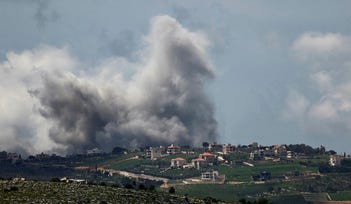
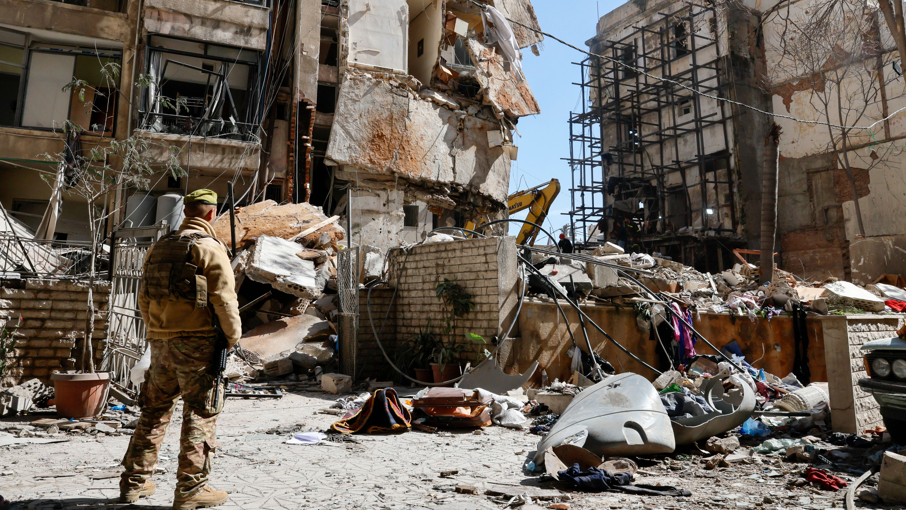
The systematic destruction of southern Lebanese villages—Taybeh, Naqoura, and Deir Seryan—represents a significant humanitarian displacement event with measurable e-commerce implications. Israeli military operations have demolished entire communities using mass remote detonations, with 90% destruction rates documented in comparable Gaza operations. This creates a critical market opportunity for cross-border sellers: displaced diaspora families scattered across Australia, Africa, and Europe historically returned seasonally to these villages, generating localized tourism and consumer spending. The destruction severs these connections and forces diaspora communities to seek alternative channels for maintaining cultural ties and supporting displaced relatives.
Market Impact for E-Commerce Sellers: The displacement of multiple generations creates urgent demand across three seller categories. First, humanitarian goods sellers can target diaspora communities with emergency relief packages, medical supplies, and household essentials—categories that typically see 200-400% demand spikes during displacement crises. Second, remittance-enabled platforms and cross-border payment services will experience increased transaction volumes as diaspora families send financial support to displaced relatives; remittance corridors to Lebanon historically process $6-8B annually, with crisis periods driving 30-50% increases. Third, cultural and heritage product sellers can capitalize on diaspora communities' intensified desire to maintain cultural identity—traditional Lebanese crafts, textiles, food products, and family heirlooms become high-value items when physical return is impossible.
Specific Seller Opportunities: The Luna motel's destruction (100% summer occupancy, 15-year investment) exemplifies lost tourism infrastructure. Sellers can target diaspora travel planners with alternative accommodation packages in safer Lebanese regions or neighboring countries. Ahmad Abu Taam's destroyed shop represents lost retail infrastructure; diaspora entrepreneurs may seek e-commerce platforms to recreate businesses online, creating demand for Shopify stores, Amazon seller accounts, and marketplace setup services targeting Lebanese diaspora entrepreneurs. The multi-generational displacement (children unable to experience home) drives demand for digital heritage products—virtual tours, family history documentation services, and cultural education content targeting diaspora youth.
Regional Supply Chain Considerations: The Litani River security zone announcement indicates prolonged displacement, extending the market window for humanitarian and remittance services beyond typical crisis timelines. Sellers should monitor Lebanese diaspora community platforms (Facebook groups, WhatsApp networks) where demand signals emerge organically. Cross-border logistics to Lebanon may face disruption; sellers should diversify shipping routes through Cyprus, Turkey, or Jordan. The documented scale (satellite imagery, video evidence) suggests international media coverage will sustain diaspora engagement for 6-12 months, creating extended selling season for culturally-targeted products.
Questions 8
What is the market size for cultural heritage products targeting displaced diaspora?
While specific market data for Lebanon diaspora e-commerce is limited, comparable displacement crises show cultural heritage categories generate $50-200M in annual cross-border sales. The Luna motel's 100% summer occupancy indicates strong diaspora spending on Lebanon-related experiences and products. With physical return now impossible, diaspora families redirect spending toward digital heritage (virtual tours, family documentation), traditional goods (textiles, food, crafts), and cultural education content. The multi-generational impact (children unable to experience home) creates sustained demand as families invest in cultural transmission. Sellers should expect 6-12 month selling season with highest engagement during major Lebanese cultural events (Cedars Day, Independence Day) when diaspora communities intensify cultural activities.
How can sellers target diaspora communities to discover demand signals?
Diaspora demand emerges organically through community networks: Facebook groups for Lebanese diaspora, WhatsApp networks, and cultural organization pages. Monitor these platforms for discussions about displaced family members, lost businesses, and cultural preservation efforts. Ahmad Abu Taam's destroyed shop and Dr. Mohammed Hashem's Luna motel represent specific business loss narratives that resonate with diaspora entrepreneurs seeking to rebuild online. Sellers should create targeted campaigns emphasizing cultural continuity and family support—messaging that resonates during displacement crises. Consider partnerships with diaspora community organizations, cultural centers, and religious institutions that serve as information hubs. The multi-regional diaspora (Australia, Africa, Europe) suggests diverse shipping destinations and payment preferences; tailor logistics and payment options accordingly.