



Strait of Hormuz Reopening Cuts Shipping Costs 8-15% | Seller Logistics Impact
- Two-week ceasefire enables 6M barrel daily transit; freight costs expected to drop 2-4 weeks; Asian sellers gain competitive advantage; supply chain uncertainty remains











Overview
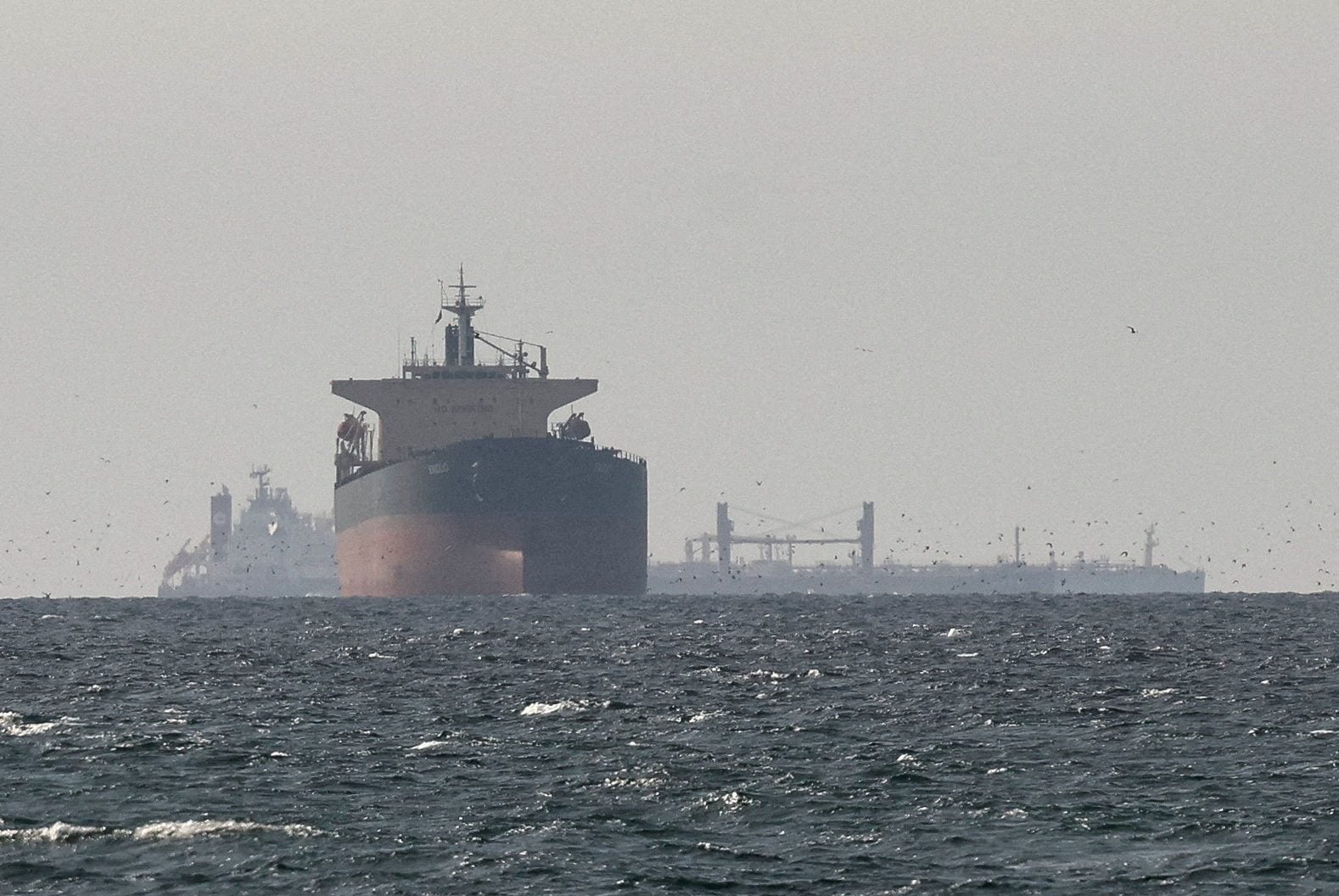
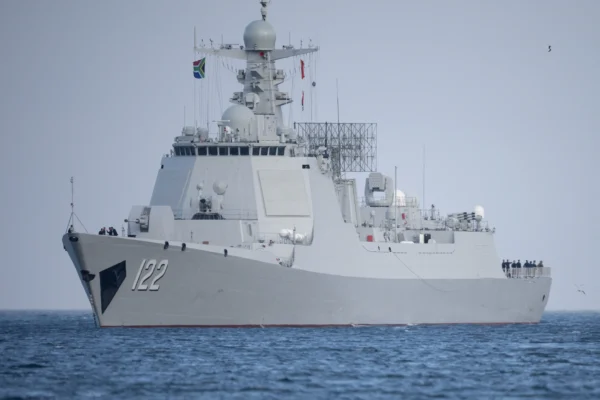
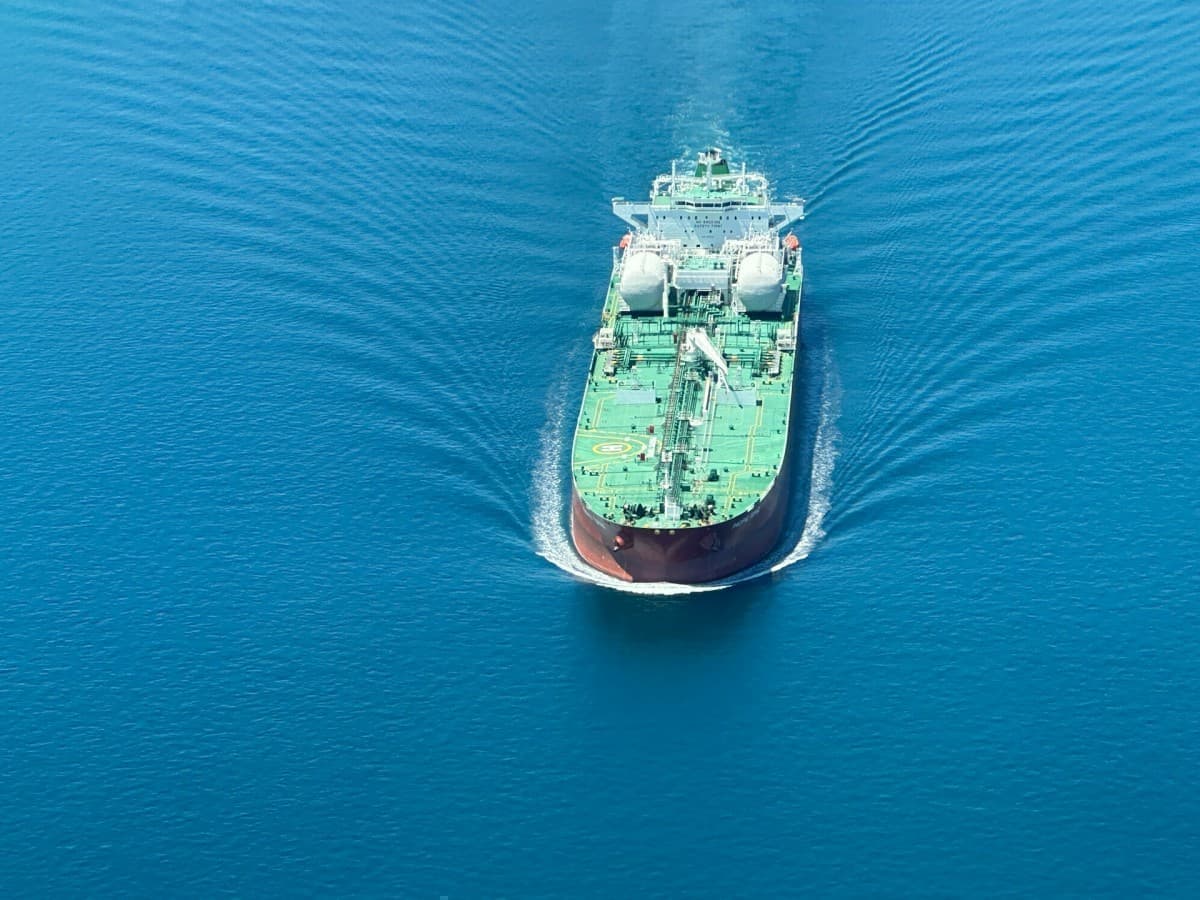
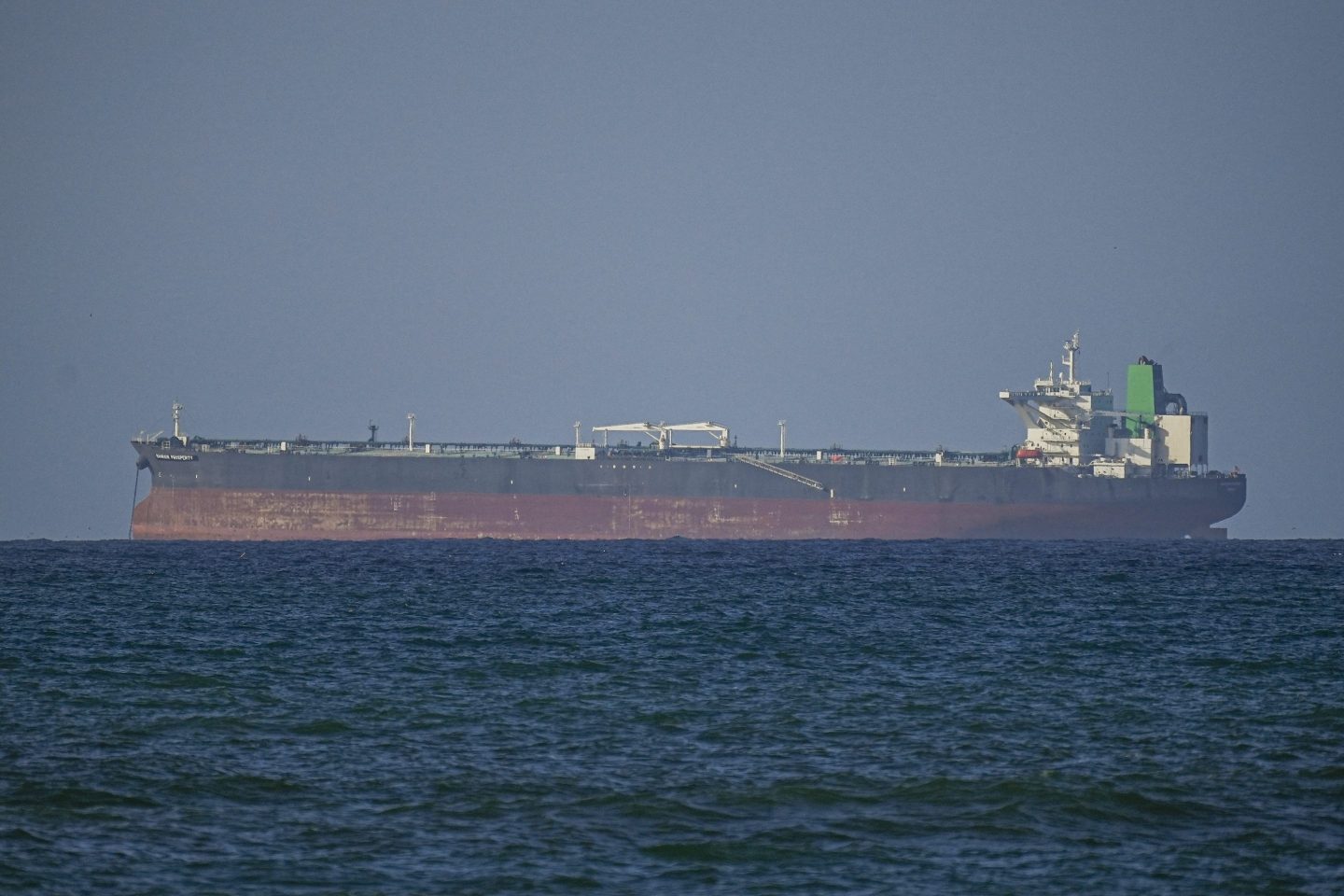
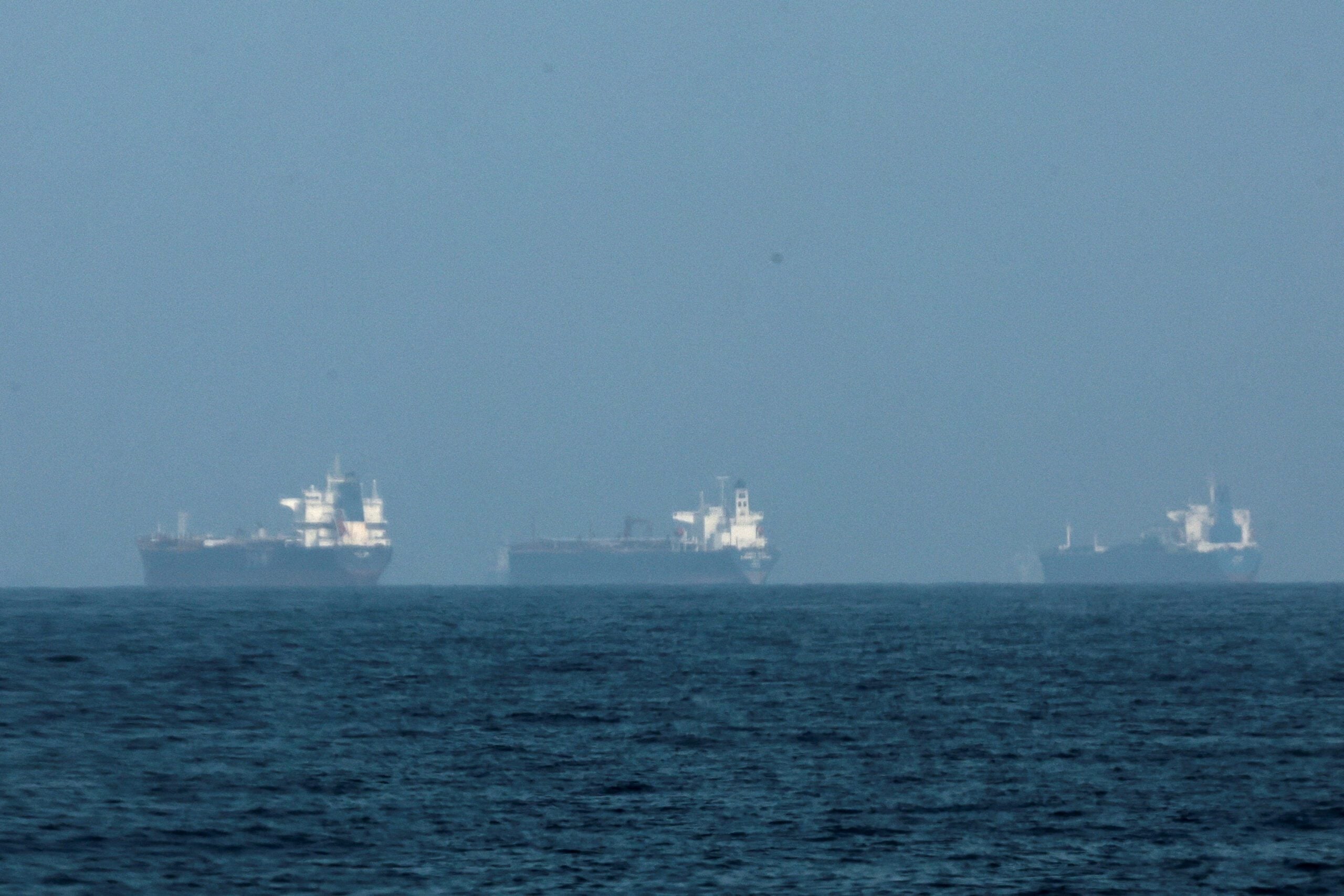
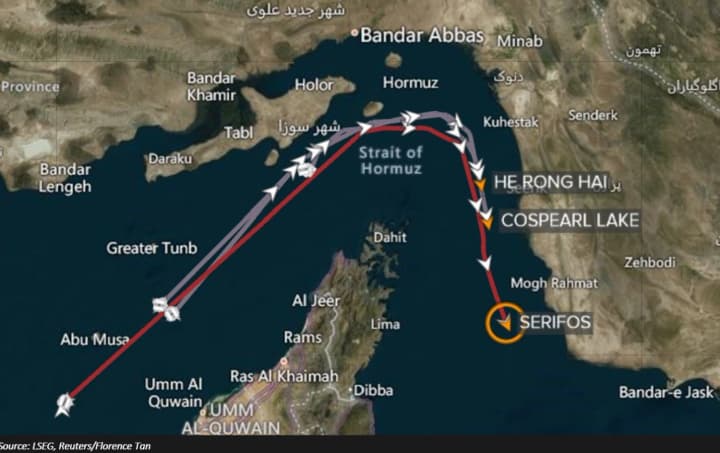
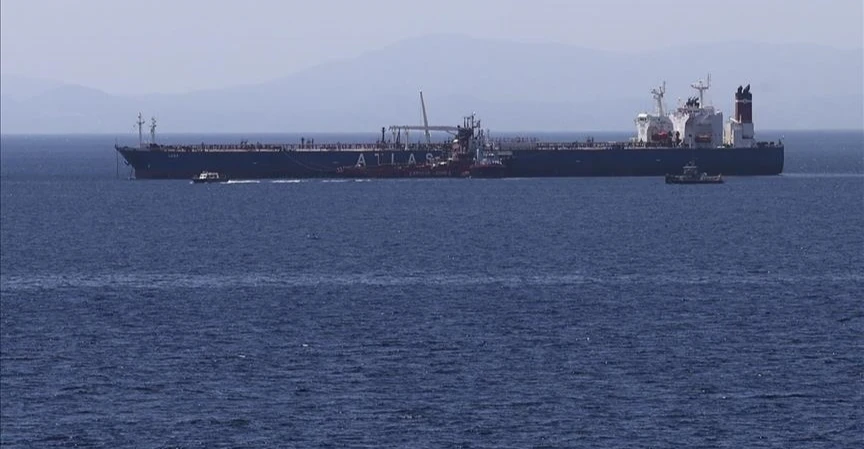
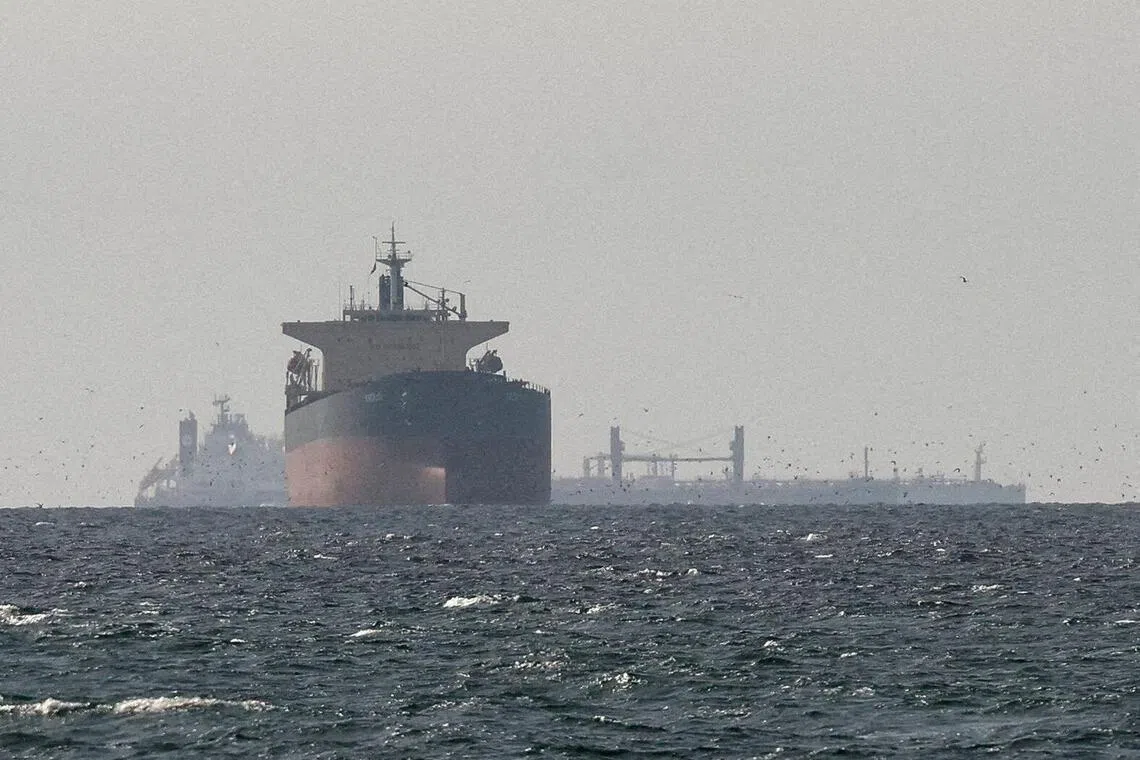
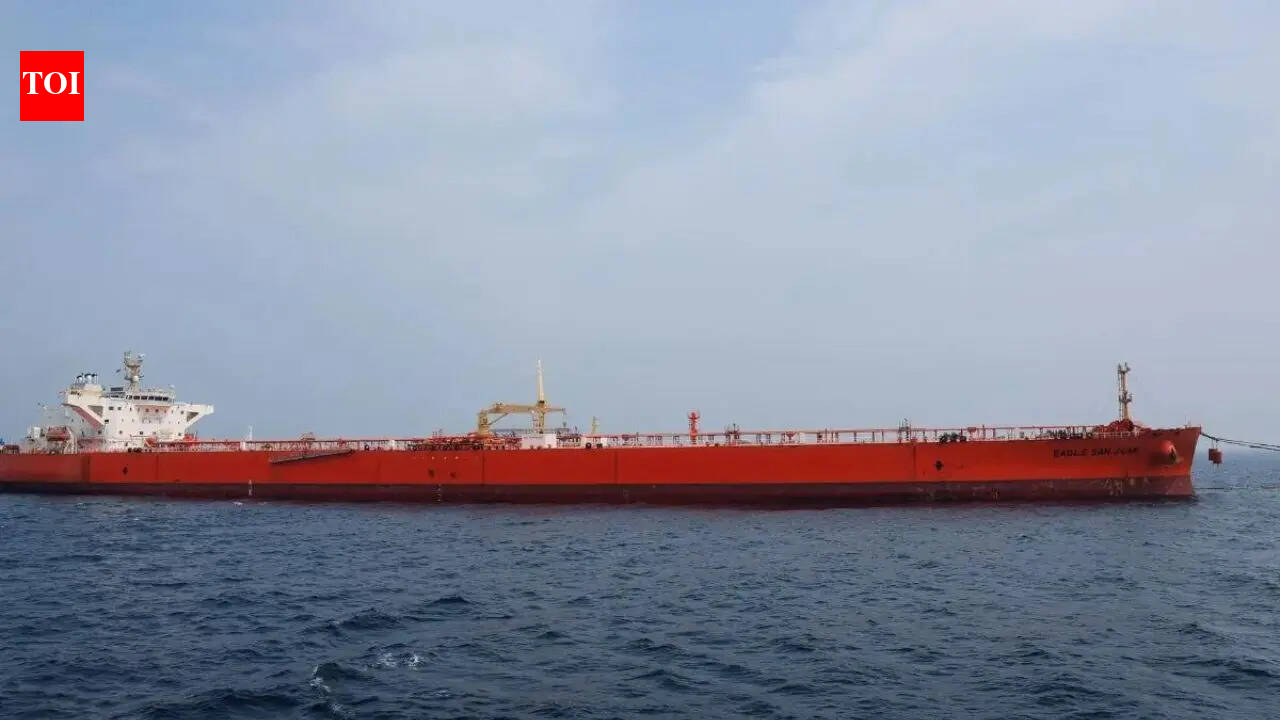
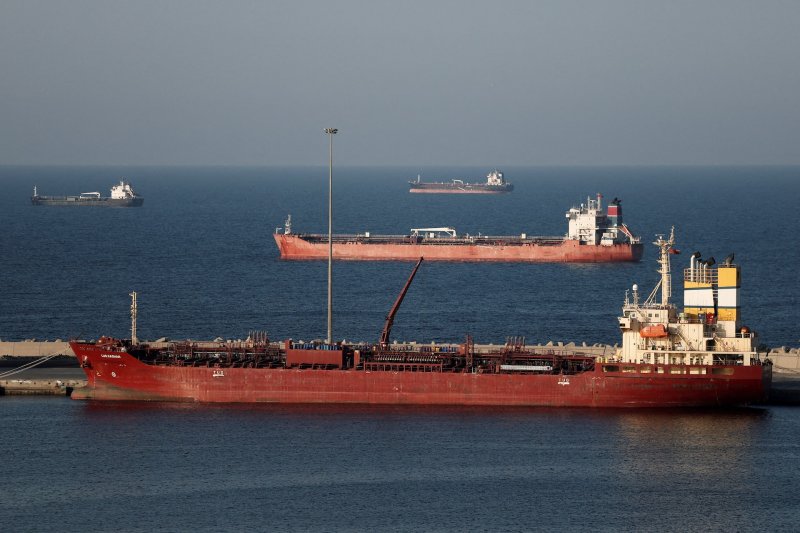
The Strait of Hormuz reopening following a fragile US-Iran ceasefire on April 10, 2026, represents a critical inflection point for cross-border e-commerce logistics costs. The waterway, which handles 20% of global oil and LNG shipments, had been subject to near-total blockade since February 28, 2026, creating severe supply chain disruptions. On April 11, 2026, three supertankers—Serifos, Cospearl Lake, and He Rong Hai—successfully transited carrying 6 million barrels of crude capacity, marking the first major resumption of exports. This breakthrough directly impacts e-commerce sellers' operational costs through fuel surcharges, ocean freight rates, and warehousing expenses tied to energy prices.
For cross-border sellers, the immediate opportunity window is 2-4 weeks as freight rates normalize downward. Current export levels remain 50% below peacetime rates, with Saudi Aramco requesting May loading nominations and Iraq's SOMO scheduling shipments after Iran exempted Iraqi vessels. Asian refiners and trading firms have aggressively chartered tankers (Glencore, Taiwan's CPC, Indian and South Korean refiners), signaling confidence in sustained corridor reopening. Sellers shipping from Asia-Pacific regions—particularly Vietnam, China, and India—will see the most dramatic cost reductions, as bunker fuel costs (which comprise 15-25% of ocean freight) are directly tied to crude oil prices. The news indicates bunker fuel costs could decline $80-150 per ton within 30 days if ceasefire holds, translating to $200-400 monthly savings for sellers moving 500+ containers monthly.
However, regulatory complexity introduces operational risks that offset some cost benefits. Iran's new transit conditions require explicit vessel permission and adherence to northerly routes through Qeshm and Larak Islands, departing from traditional southern shipping lanes. This creates 3-7 day routing delays and requires logistics providers to obtain Iranian maritime clearances—a compliance burden that smaller 3PL operators may struggle to navigate. Chinese traders gain immediate advantage accessing Persian Gulf supplies at lower costs, potentially compressing margins for US and EU-based sellers competing in Asian markets. The fragile nature of the ceasefire (two-week window with ongoing US-Iran peace talks in Islamabad) creates pricing uncertainty; if blockade resumes, fuel surcharges could spike 20-30% above current levels, making forward freight agreements critical for cost predictability.
Questions 8
Which seller segments benefit most from Hormuz reopening?
Asian-based sellers (Vietnam, India, China) gain the largest competitive advantage, as they source closer to Persian Gulf suppliers and benefit from lower fuel surcharges on Asia-to-Europe/US routes. The news indicates Chinese traders (Unipec/Sinopec) and Indian/South Korean refiners are actively chartering vessels, suggesting supply chain confidence. Small-to-medium sellers (SMBs) shipping 100-500 containers monthly see 5-8% margin improvement on ocean freight. Large sellers (1000+ containers monthly) can lock in forward freight agreements at 10-12% discounts before rates fully normalize. US/EU-based sellers face margin compression as Asian competitors access cheaper sourcing and shipping simultaneously.
What compliance risks do sellers face with Iran's new transit requirements?
Iran's new conditions require explicit vessel permission and adherence to northerly routes through Qeshm and Larak Islands, creating 3-7 day routing delays versus traditional southern lanes. The news reports vessels must obtain Iranian maritime clearances, introducing regulatory complexity that smaller 3PL operators struggle to navigate. Sellers must verify their freight forwarders have Iran transit expertise; non-compliance risks vessel detention, cargo delays, and potential sanctions exposure. Larger 3PLs (DHL, Maersk, CMA CGM) have established Iran compliance protocols; smaller regional operators may lack clearance infrastructure. Sellers should request Iran-specific routing certifications from 3PLs and budget 5-10% additional time for transit clearances through May 2026.