



EU Autonomous Vehicle Regulations Set Compliance Precedent | Logistics Sellers Face 3-5 Year Operational Shift
- Netherlands RDW approval establishes first European framework for autonomous driving systems; EU-wide adoption pathway opens by summer 2026; stricter EU safety standards create competitive moat for compliant logistics operators


























Overview
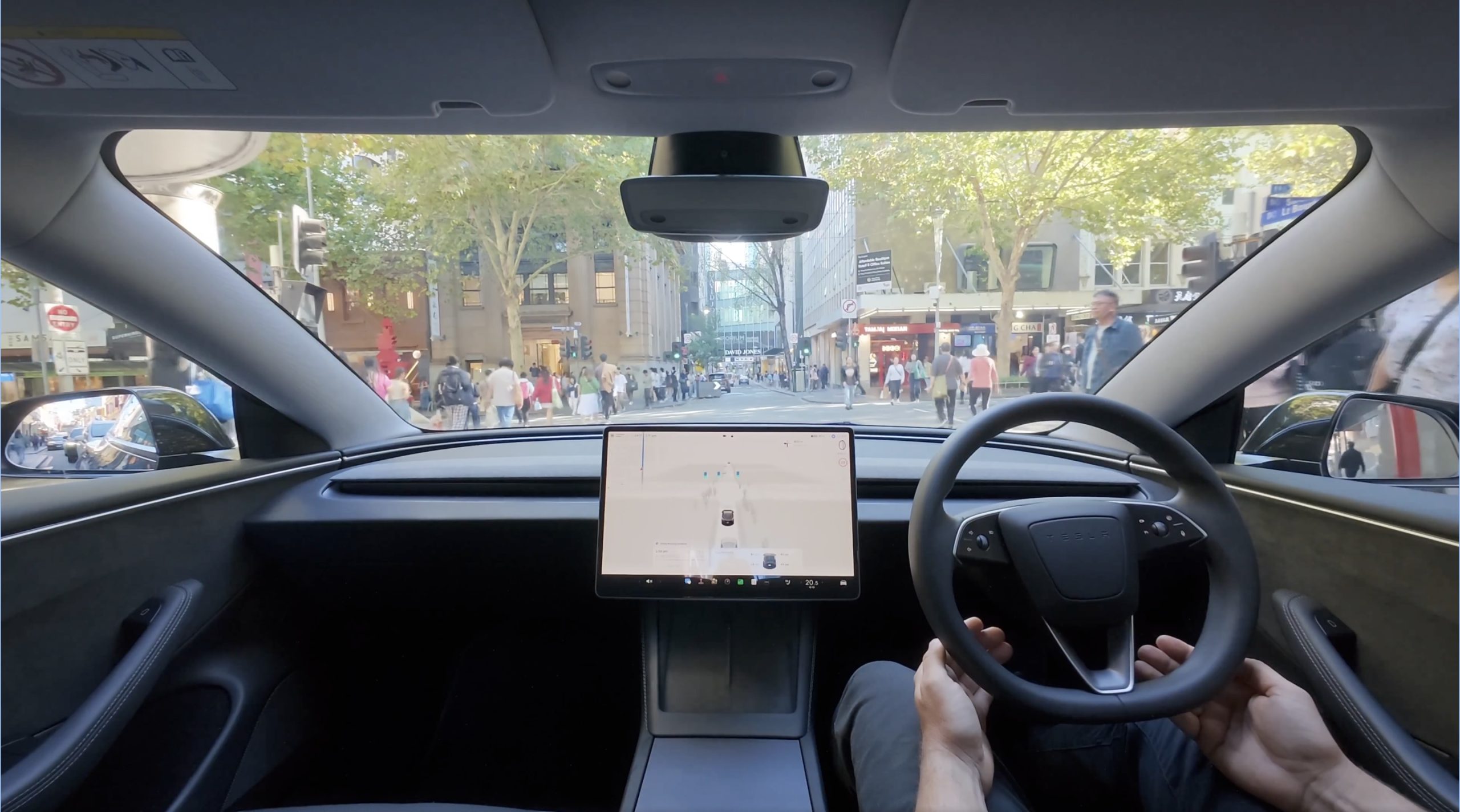
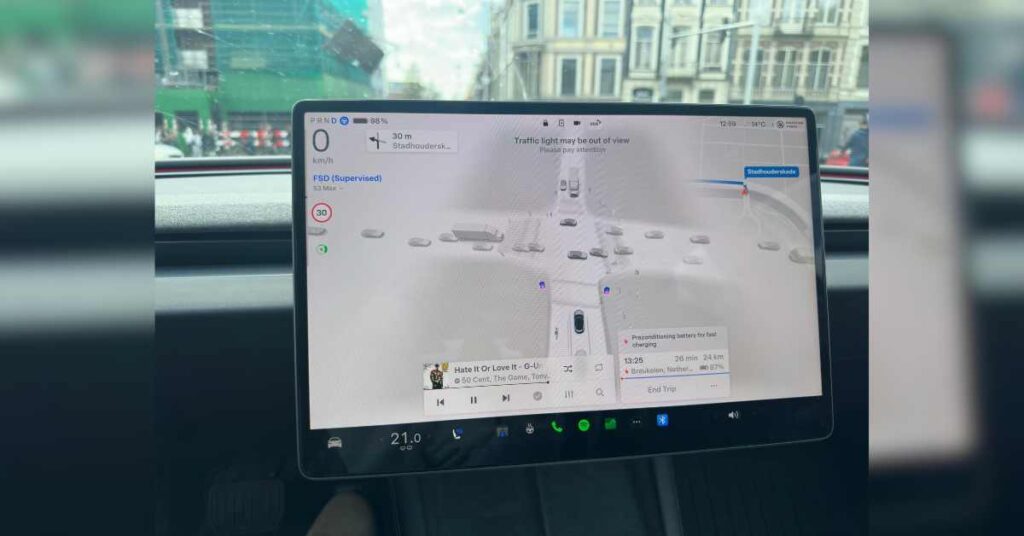
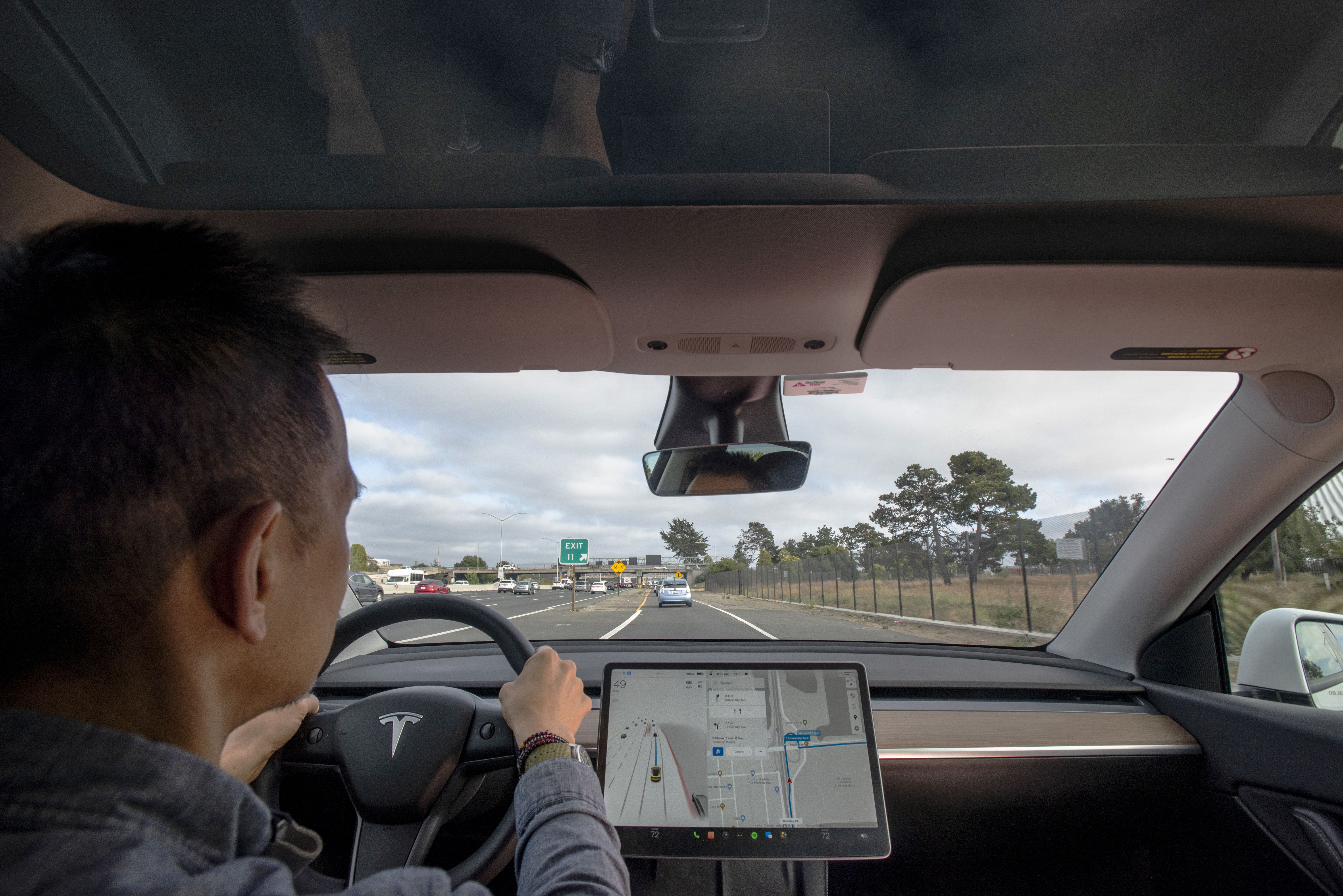
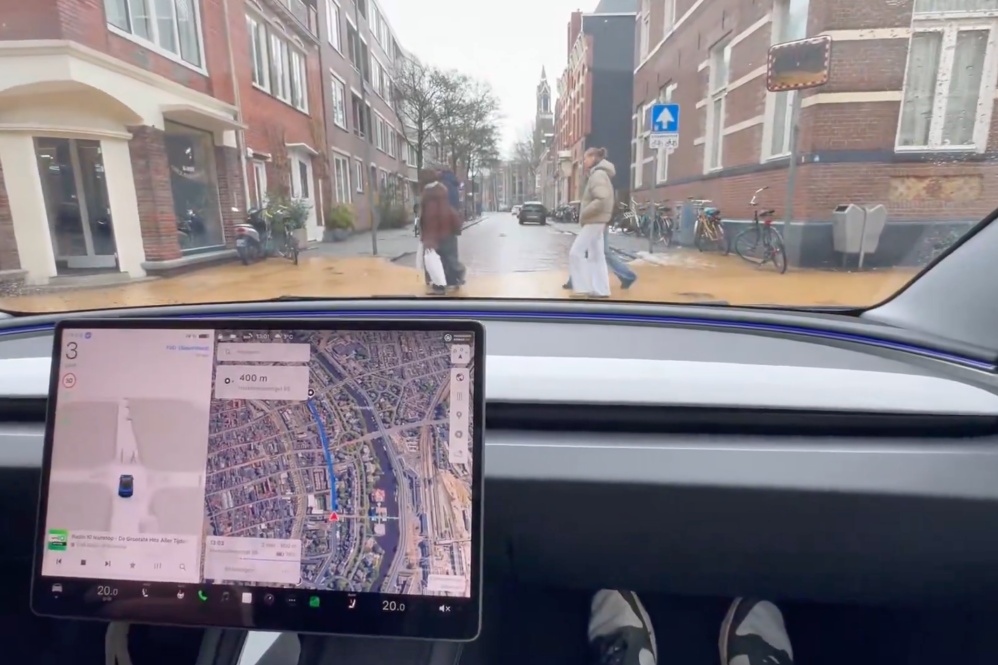
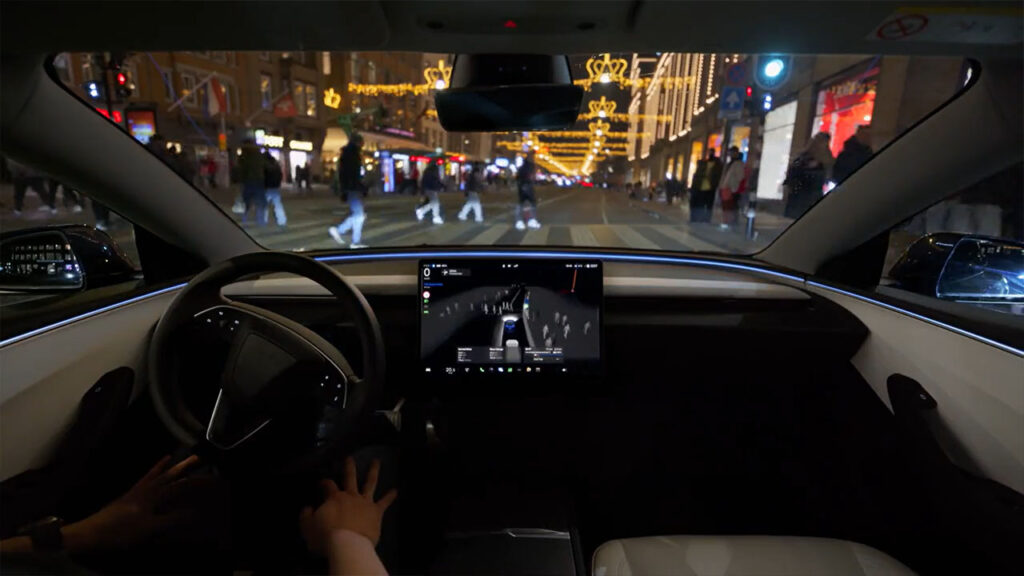
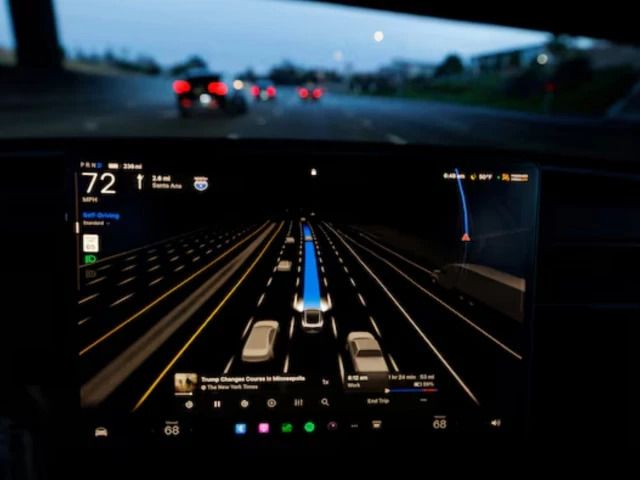
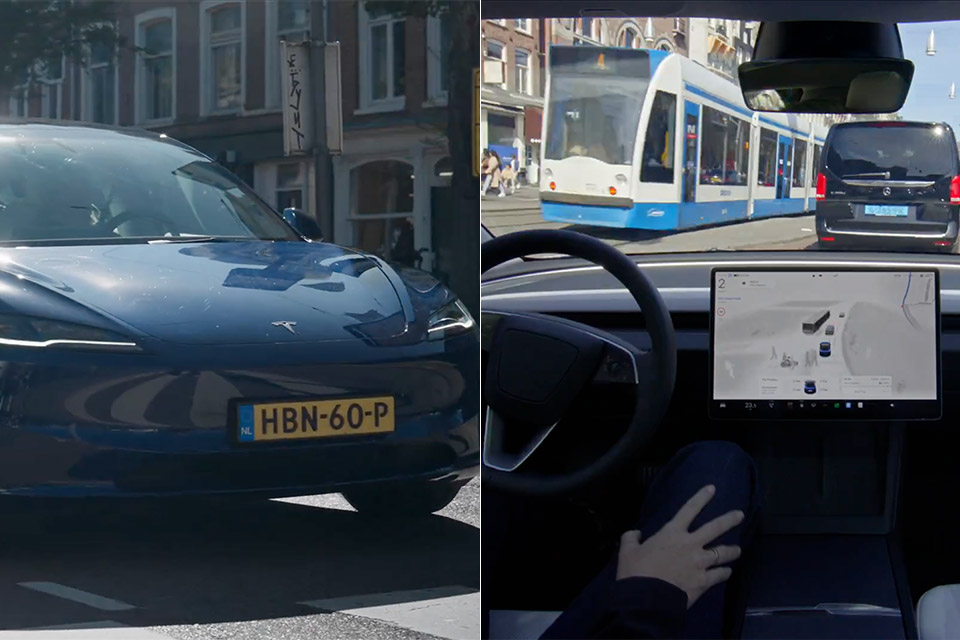
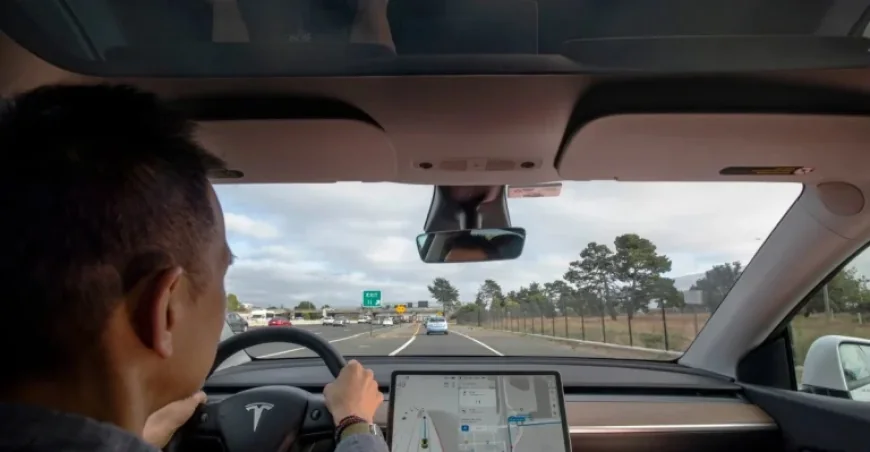
The Netherlands' RDW approval of Tesla's Full Self-Driving Supervised (FSD) system represents a critical regulatory inflection point for European autonomous vehicle adoption, with direct implications for cross-border e-commerce logistics and supply chain operations. Following 18 months of rigorous testing on both dedicated tracks and public roads, Dutch regulators confirmed FSD Supervised contributes positively to road safety while emphasizing that drivers remain legally responsible—establishing a "supervised autonomy" regulatory model that will likely cascade across EU member states. The approval applies to approximately 100,000 Tesla Model 3 and Model Y vehicles already in the Netherlands, with RDW submitting an application to the European Commission for EU-wide authentication requiring majority member-state approval, with Tesla targeting summer 2026 for continent-wide clearance.
Compliance Framework Creates Logistics Competitive Moat: The EU-approved FSD version incorporates stricter safety requirements than the U.S. version, establishing a higher regulatory bar that will eliminate non-compliant autonomous systems from European markets. This creates a 12-24 month window where early-adopting logistics operators using Tesla's FSD-equipped fleet vehicles gain operational cost advantages (estimated 15-25% reduction in per-mile transportation costs once fully autonomous) while competitors scramble to achieve compliance. For 3PL providers and last-mile delivery operators serving cross-border sellers, this regulatory precedent signals that autonomous fleet adoption will accelerate dramatically in 2026-2027, fundamentally reshaping logistics economics. Sellers currently using traditional courier services face potential cost compression as autonomous-equipped competitors undercut pricing by 20-30% within 18-24 months.
Regulatory Pathway Acceleration and Market Elimination: The Netherlands' approval demonstrates that European authorities have established a functional framework for autonomous system evaluation, reducing approval timelines for subsequent member states from 18+ months to potentially 6-9 months through mutual recognition mechanisms. This creates a "compliance cascade" where countries approving FSD independently (if EU-wide approval stalls) will pressure laggard nations to follow, compressing the adoption timeline. Notably, competitors like Mercedes, Ford, and BMW offer only limited hands-free driving on select highways at restricted speeds, while Tesla's camera-based AI system functions across wider driving scenarios—meaning non-Tesla autonomous systems face potential market elimination in Europe if they cannot match Tesla's broader operational envelope within the 2026-2027 window. For sellers, this indicates that logistics partnerships with Tesla-equipped operators will become strategically valuable, while partnerships with traditional fleet operators may face margin compression.
Service Gap Opportunity: The regulatory approval creates immediate demand for compliance consulting services, autonomous fleet integration support, and logistics optimization software tailored to autonomous vehicle operations. Sellers requiring specialized compliance documentation for autonomous-enabled supply chains, insurance verification for autonomous logistics, and route optimization for mixed autonomous/traditional fleets represent an underserved market segment. Additionally, the stricter EU safety standards create demand for compliance certification services, safety documentation platforms, and autonomous vehicle insurance products—all currently undersupplied in European markets.
Questions 7
How do stricter EU autonomous vehicle safety standards create competitive advantages for compliant sellers?
The EU-approved FSD version incorporates stricter safety requirements than the U.S. version, establishing a higher regulatory bar that eliminates non-compliant autonomous systems from European markets. This creates a compliance moat where Tesla's broader operational envelope (functioning across highways and city streets, not just limited highway scenarios like Mercedes/Ford/BMW) positions Tesla-equipped logistics as the dominant autonomous solution. Sellers using Tesla-equipped 3PL partners will gain 12-18 month first-mover advantages before competitors achieve equivalent compliance. Non-compliant logistics operators face potential market elimination if they cannot match Tesla's operational scope within the 2026-2027 window. Sellers should prioritize partnerships with Tesla-equipped operators to secure cost advantages before market-wide adoption compresses margins.
What compliance documentation and certifications will sellers need for autonomous-enabled supply chains?
The RDW approval establishes that autonomous vehicle operations require formal safety certification, driver responsibility documentation, and insurance verification—all currently undersupplied in European markets. Sellers will need to obtain autonomous logistics compliance certifications from their 3PL partners, verify insurance coverage for autonomous-enabled shipments, and maintain documentation proving their supply chains meet EU autonomous vehicle safety standards. The stricter EU standards compared to U.S. versions mean sellers cannot use existing U.S. compliance documentation. Sellers should begin identifying compliance service providers now, as demand for autonomous fleet integration consulting, safety documentation platforms, and specialized insurance products will surge in 2025-2026. Estimated compliance costs: €2,000-5,000 per seller for documentation and certification setup.