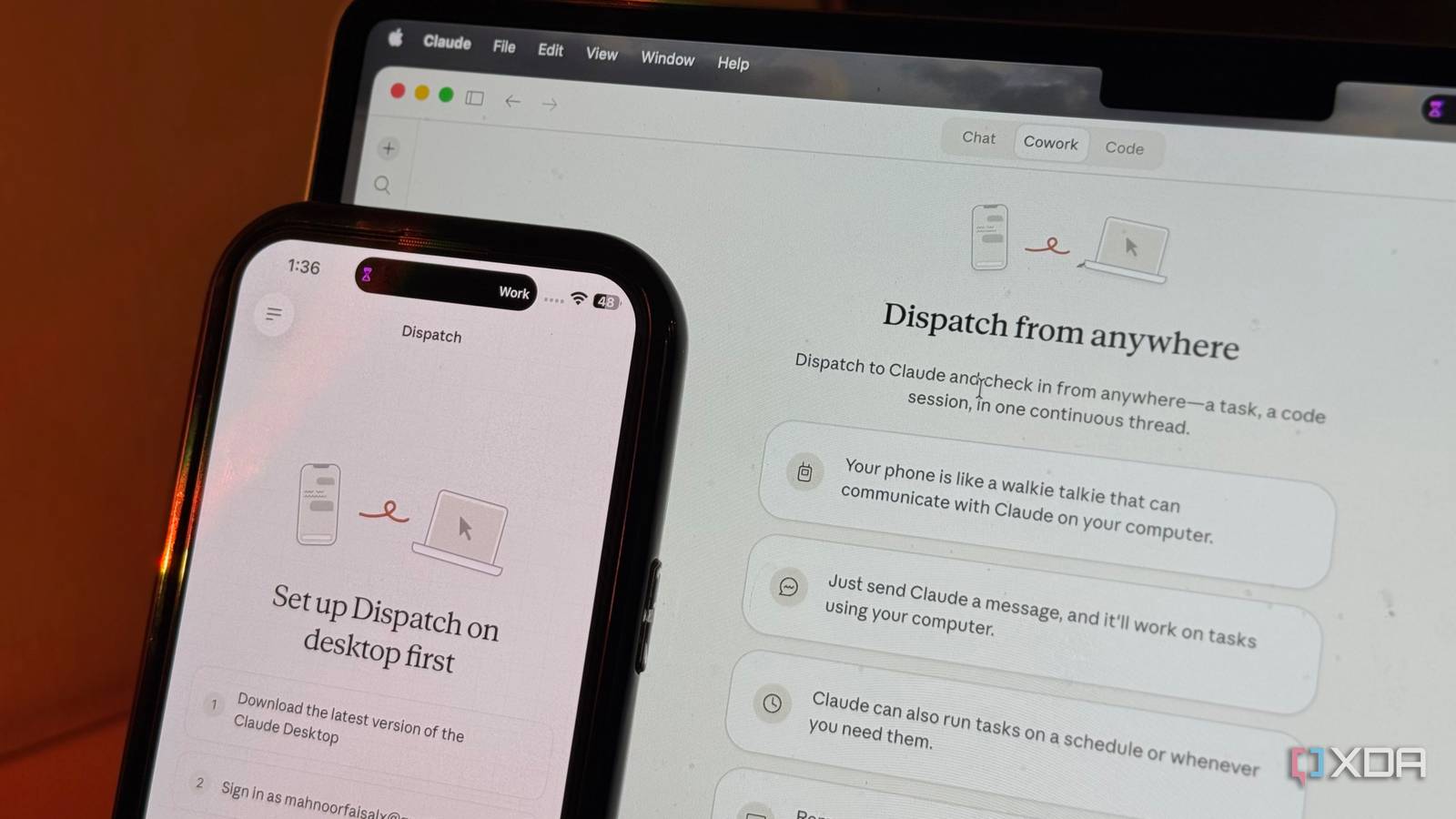



Anthropic's aggressive enterprise expansion through Claude for Word (launched beta), Excel/PowerPoint add-ins (February 2026), and Claude Code desktop automation represents a fundamental shift in how businesses automate document-intensive workflows. For e-commerce sellers, this development carries three critical implications: (1) Compliance Automation Opportunity: The legal tech sector ($1 trillion global, $500B US-concentrated) is experiencing commoditization of document review capabilities. Sellers managing supplier contracts, vendor agreements, and international trade documentation can now leverage Claude's contract analysis features—summarizing commercial terms, flagging non-standard provisions, and managing tracked changes—directly within Microsoft Word. This eliminates the need for expensive legal tech platforms for routine contract review, potentially saving sellers $200-400/month per legal review cycle. (2) Operational Efficiency Through Desktop Automation: Claude Code's new Dispatch feature enables macOS users to automate repetitive tasks including file organization, batch processing, and remote task execution. For sellers managing inventory systems, order processing, and supplier communications across legacy applications lacking modern APIs, this represents 8-12 hours/week of automation potential. The Windows expansion (announced for coming weeks) will unlock similar benefits for the 70%+ of sellers using Windows-based systems. (3) Competitive Intelligence & Pricing Strategy: Anthropic's enterprise-only positioning (Team and Enterprise plans only) signals a premium revenue strategy that mirrors how sellers should approach AI tool adoption—targeting high-value workflows first. The February 2026 Excel add-in launch enables sellers to automate pricing analysis, cost calculations, and financial forecasting directly within spreadsheets, reducing manual data entry by 60-70% for sellers managing 500+ SKUs. The tracked changes feature ensures compliance transparency, critical for sellers navigating multi-party approval workflows in B2B sales and supplier negotiations. Key Risk: The commoditization of legal tech capabilities may pressure sellers' existing legal service providers, but creates opportunities for sellers to internalize document review workflows and reduce external legal costs by 30-40% for routine contract analysis.
Anthropic's deliberate focus on legal professionals and document-intensive workflows (through Claude for Word, Excel, and PowerPoint add-ins launched February 2026) demonstrates a vertical-first strategy that sellers should mirror. By targeting high-value segments with measurable productivity gains, Anthropic prioritizes revenue generation and controlled rollout over rapid consumer adoption—an approach sellers should apply to AI tool adoption. The legal tech sector ($1 trillion global, $500B US) is experiencing commoditization of core document review capabilities, forcing legal tech companies toward greater innovation. Similarly, sellers should adopt AI tools early to automate routine tasks (contract review, pricing analysis, inventory management) before competitors, creating a 6-12 month competitive advantage window.
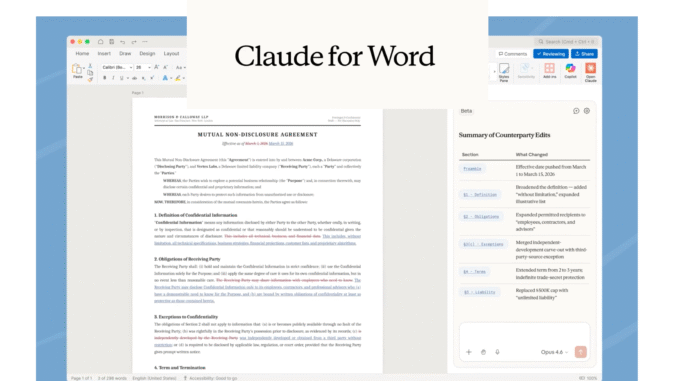
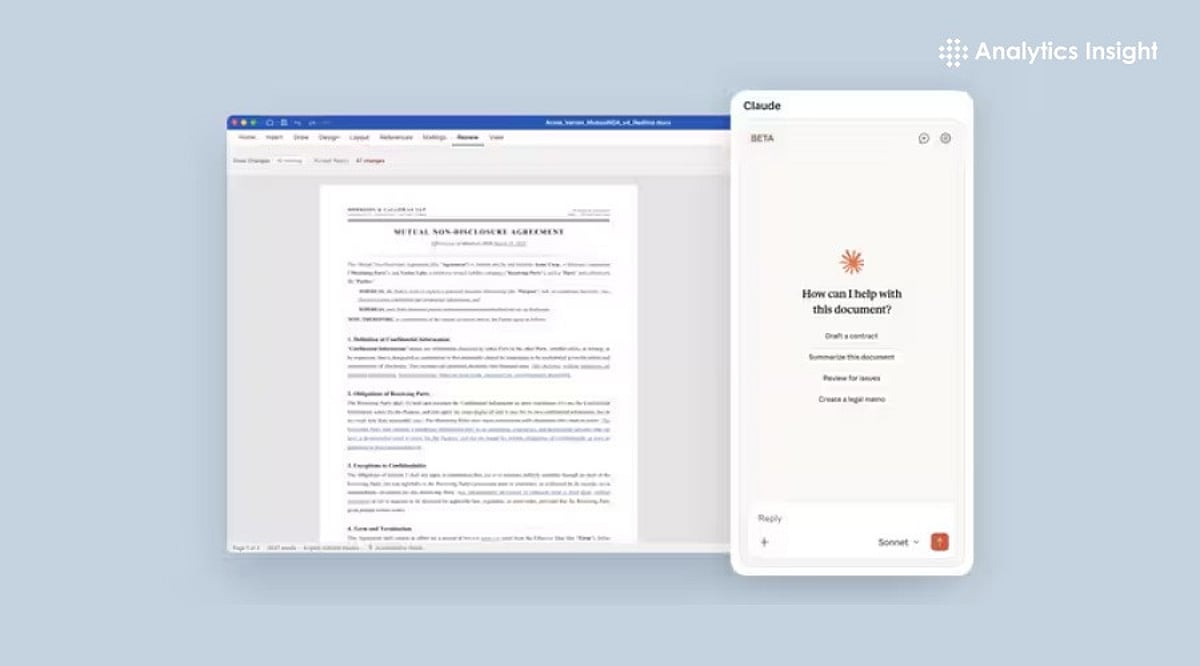
Claude for Word enables sellers to automate contract summarization, flag non-standard provisions, and manage tracked changes directly within Microsoft Word—eliminating the need for expensive legal tech platforms for routine supplier and vendor agreements. The tool recognizes complex document patterns including multi-level legal numbering, defined terms, and cross-references, allowing sellers to review commercial terms and identify risk areas in 5-10 minutes versus 30-45 minutes with manual review. For sellers managing 20-50 supplier contracts annually, this represents $200-400/month in legal cost savings. The feature is currently available to Claude Team and Enterprise plan customers, requiring careful consideration of data handling policies for sensitive supplier agreements.
Claude Code's desktop automation (Dispatch feature) is currently available exclusively to macOS users, with Windows expansion announced for 'coming weeks' according to Anthropic's roadmap. This timing is critical for sellers, as approximately 70% of business users operate Windows-based systems. Once Windows support launches, sellers managing inventory systems, order processing, and supplier communications across Windows-based legacy applications will gain access to the same automation capabilities. The roadmap also includes enhanced browser automation capabilities and deeper third-party integrations, suggesting broader workflow automation potential. Sellers should monitor Anthropic's announcements for Windows launch timing to plan automation initiatives around Q1-Q2 2026.

Anthropic's decision to restrict Claude for Word, Excel, and PowerPoint add-ins to Team and Enterprise plan customers indicates a premium positioning strategy prioritizing revenue generation and controlled rollout over rapid consumer adoption. This contrasts with broader AI deployment strategies and creates a 6-12 month window where early-adopting sellers gain competitive advantage through automation. For sellers, this means Claude AI tools require subscription commitment ($20-30/month per user for Team plans, higher for Enterprise), creating a cost-benefit analysis based on workflow automation potential. Sellers managing high-volume document processing (50+ contracts/month) or complex pricing analysis (500+ SKUs) will see faster ROI. The enterprise-only positioning also suggests Anthropic is targeting larger sellers and B2B operations, creating opportunities for mid-market sellers (100-500 employees) to gain competitive advantage through early adoption before tools become commoditized.
For sellers managing 20-50 supplier contracts annually, Claude for Word can reduce legal review costs by $200-400/month by automating contract summarization and risk flagging. For sellers with 500+ SKUs, Claude Code's desktop automation can save 8-12 hours/week in manual data entry and file organization, equivalent to $400-800/month in labor costs (at $50/hour). The Excel add-in (launched February 2026) enables sellers to automate pricing analysis and cost calculations, reducing spreadsheet maintenance time by 60-70%. However, adoption requires Claude Team or Enterprise plan subscriptions ($20-30/month per user), creating a break-even point at 1-2 hours/week of automation. For sellers managing complex supplier networks and international trade documentation, the ROI typically materializes within 30-60 days.
Claude for Word's tracked changes mode allows sellers to review and accept/reject individual edits before implementation, ensuring full transparency in contract modifications and supplier agreement updates. This feature is critical for sellers managing multi-party approval workflows in B2B sales, where multiple stakeholders (procurement, legal, finance) must review supplier contracts before execution. The tool maintains document formatting, numbering, and styles while enabling comment thread management where Claude can edit anchored text and explain modifications. For sellers navigating complex international trade agreements and customs documentation, this transparency reduces compliance risk and creates an audit trail for regulatory purposes. The feature is particularly valuable for sellers managing supplier relationships across multiple regions with different legal requirements.
Early-adopting sellers can achieve 6-12 months of competitive advantage by automating routine document review, pricing analysis, and inventory management tasks before competitors. The legal tech sector's commoditization of document review capabilities ($1 trillion global market) demonstrates how AI tools can eliminate expensive third-party services—sellers who internalize these capabilities reduce costs by 30-40% while improving decision speed. For pricing strategy, Claude's Excel integration enables sellers to automate cost calculations and dynamic pricing analysis across 500+ SKUs, improving pricing accuracy and margin optimization versus competitors using manual spreadsheet management. Desktop automation (Dispatch feature) enables sellers to reduce manual data entry by 8-12 hours/week, freeing resources for strategic sourcing and supplier negotiation. The tracked changes feature creates compliance advantages in multi-party approval workflows, reducing contract execution time by 40-50% versus competitors using manual review processes.
Claude Code's Dispatch feature enables sellers to automate mouse/keyboard navigation, file organization, batch processing, and remote task execution across legacy systems lacking modern APIs. Practical applications include automating inventory file transfers between systems, batch processing order data, organizing supplier documents in Finder, and scheduling recurring tasks like email scanning and report generation. Sellers managing 500+ SKUs can reduce manual data entry by 60-70% through automated spreadsheet calculations and file organization. Current limitations restrict the tool to macOS exclusively, with Windows expansion announced for coming weeks. The technology significantly reduces manual effort, freeing sellers to focus on strategic sourcing and pricing decisions rather than repetitive administrative tasks.
Anthropic's deliberate focus on legal professionals and document-intensive workflows (through Claude for Word, Excel, and PowerPoint add-ins launched February 2026) demonstrates a vertical-first strategy that sellers should mirror. By targeting high-value segments with measurable productivity gains, Anthropic prioritizes revenue generation and controlled rollout over rapid consumer adoption—an approach sellers should apply to AI tool adoption. The legal tech sector ($1 trillion global, $500B US) is experiencing commoditization of core document review capabilities, forcing legal tech companies toward greater innovation. Similarly, sellers should adopt AI tools early to automate routine tasks (contract review, pricing analysis, inventory management) before competitors, creating a 6-12 month competitive advantage window.
Claude for Word enables sellers to automate contract summarization, flag non-standard provisions, and manage tracked changes directly within Microsoft Word—eliminating the need for expensive legal tech platforms for routine supplier and vendor agreements. The tool recognizes complex document patterns including multi-level legal numbering, defined terms, and cross-references, allowing sellers to review commercial terms and identify risk areas in 5-10 minutes versus 30-45 minutes with manual review. For sellers managing 20-50 supplier contracts annually, this represents $200-400/month in legal cost savings. The feature is currently available to Claude Team and Enterprise plan customers, requiring careful consideration of data handling policies for sensitive supplier agreements.
Claude Code's desktop automation (Dispatch feature) is currently available exclusively to macOS users, with Windows expansion announced for 'coming weeks' according to Anthropic's roadmap. This timing is critical for sellers, as approximately 70% of business users operate Windows-based systems. Once Windows support launches, sellers managing inventory systems, order processing, and supplier communications across Windows-based legacy applications will gain access to the same automation capabilities. The roadmap also includes enhanced browser automation capabilities and deeper third-party integrations, suggesting broader workflow automation potential. Sellers should monitor Anthropic's announcements for Windows launch timing to plan automation initiatives around Q1-Q2 2026.
Anthropic's decision to restrict Claude for Word, Excel, and PowerPoint add-ins to Team and Enterprise plan customers indicates a premium positioning strategy prioritizing revenue generation and controlled rollout over rapid consumer adoption. This contrasts with broader AI deployment strategies and creates a 6-12 month window where early-adopting sellers gain competitive advantage through automation. For sellers, this means Claude AI tools require subscription commitment ($20-30/month per user for Team plans, higher for Enterprise), creating a cost-benefit analysis based on workflow automation potential. Sellers managing high-volume document processing (50+ contracts/month) or complex pricing analysis (500+ SKUs) will see faster ROI. The enterprise-only positioning also suggests Anthropic is targeting larger sellers and B2B operations, creating opportunities for mid-market sellers (100-500 employees) to gain competitive advantage through early adoption before tools become commoditized.
For sellers managing 20-50 supplier contracts annually, Claude for Word can reduce legal review costs by $200-400/month by automating contract summarization and risk flagging. For sellers with 500+ SKUs, Claude Code's desktop automation can save 8-12 hours/week in manual data entry and file organization, equivalent to $400-800/month in labor costs (at $50/hour). The Excel add-in (launched February 2026) enables sellers to automate pricing analysis and cost calculations, reducing spreadsheet maintenance time by 60-70%. However, adoption requires Claude Team or Enterprise plan subscriptions ($20-30/month per user), creating a break-even point at 1-2 hours/week of automation. For sellers managing complex supplier networks and international trade documentation, the ROI typically materializes within 30-60 days.
Claude for Word's tracked changes mode allows sellers to review and accept/reject individual edits before implementation, ensuring full transparency in contract modifications and supplier agreement updates. This feature is critical for sellers managing multi-party approval workflows in B2B sales, where multiple stakeholders (procurement, legal, finance) must review supplier contracts before execution. The tool maintains document formatting, numbering, and styles while enabling comment thread management where Claude can edit anchored text and explain modifications. For sellers navigating complex international trade agreements and customs documentation, this transparency reduces compliance risk and creates an audit trail for regulatory purposes. The feature is particularly valuable for sellers managing supplier relationships across multiple regions with different legal requirements.
Early-adopting sellers can achieve 6-12 months of competitive advantage by automating routine document review, pricing analysis, and inventory management tasks before competitors. The legal tech sector's commoditization of document review capabilities ($1 trillion global market) demonstrates how AI tools can eliminate expensive third-party services—sellers who internalize these capabilities reduce costs by 30-40% while improving decision speed. For pricing strategy, Claude's Excel integration enables sellers to automate cost calculations and dynamic pricing analysis across 500+ SKUs, improving pricing accuracy and margin optimization versus competitors using manual spreadsheet management. Desktop automation (Dispatch feature) enables sellers to reduce manual data entry by 8-12 hours/week, freeing resources for strategic sourcing and supplier negotiation. The tracked changes feature creates compliance advantages in multi-party approval workflows, reducing contract execution time by 40-50% versus competitors using manual review processes.
Claude Code's Dispatch feature enables sellers to automate mouse/keyboard navigation, file organization, batch processing, and remote task execution across legacy systems lacking modern APIs. Practical applications include automating inventory file transfers between systems, batch processing order data, organizing supplier documents in Finder, and scheduling recurring tasks like email scanning and report generation. Sellers managing 500+ SKUs can reduce manual data entry by 60-70% through automated spreadsheet calculations and file organization. Current limitations restrict the tool to macOS exclusively, with Windows expansion announced for coming weeks. The technology significantly reduces manual effort, freeing sellers to focus on strategic sourcing and pricing decisions rather than repetitive administrative tasks.
Anthropic's deliberate focus on legal professionals and document-intensive workflows (through Claude for Word, Excel, and PowerPoint add-ins launched February 2026) demonstrates a vertical-first strategy that sellers should mirror. By targeting high-value segments with measurable productivity gains, Anthropic prioritizes revenue generation and controlled rollout over rapid consumer adoption—an approach sellers should apply to AI tool adoption. The legal tech sector ($1 trillion global, $500B US) is experiencing commoditization of core document review capabilities, forcing legal tech companies toward greater innovation. Similarly, sellers should adopt AI tools early to automate routine tasks (contract review, pricing analysis, inventory management) before competitors, creating a 6-12 month competitive advantage window.
Claude for Word enables sellers to automate contract summarization, flag non-standard provisions, and manage tracked changes directly within Microsoft Word—eliminating the need for expensive legal tech platforms for routine supplier and vendor agreements. The tool recognizes complex document patterns including multi-level legal numbering, defined terms, and cross-references, allowing sellers to review commercial terms and identify risk areas in 5-10 minutes versus 30-45 minutes with manual review. For sellers managing 20-50 supplier contracts annually, this represents $200-400/month in legal cost savings. The feature is currently available to Claude Team and Enterprise plan customers, requiring careful consideration of data handling policies for sensitive supplier agreements.