


Peru's 2026 Presidential Runoff Creates Market Volatility | Cross-Border Seller Risk Alert
- Political instability with 9 presidential transitions in decade threatens regulatory predictability for sellers; June 7 runoff between Fujimori (16.6%) and Sanchez (12.1%) will determine trade policy direction affecting Latin American e-commerce operations













Overview
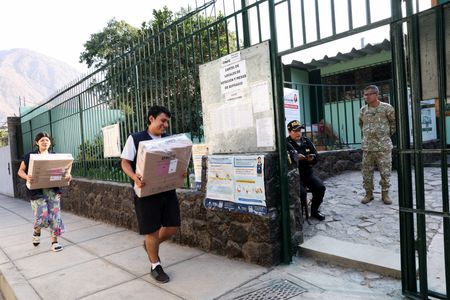
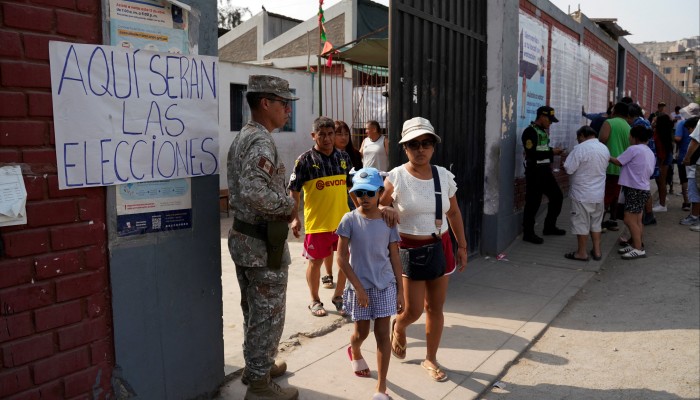
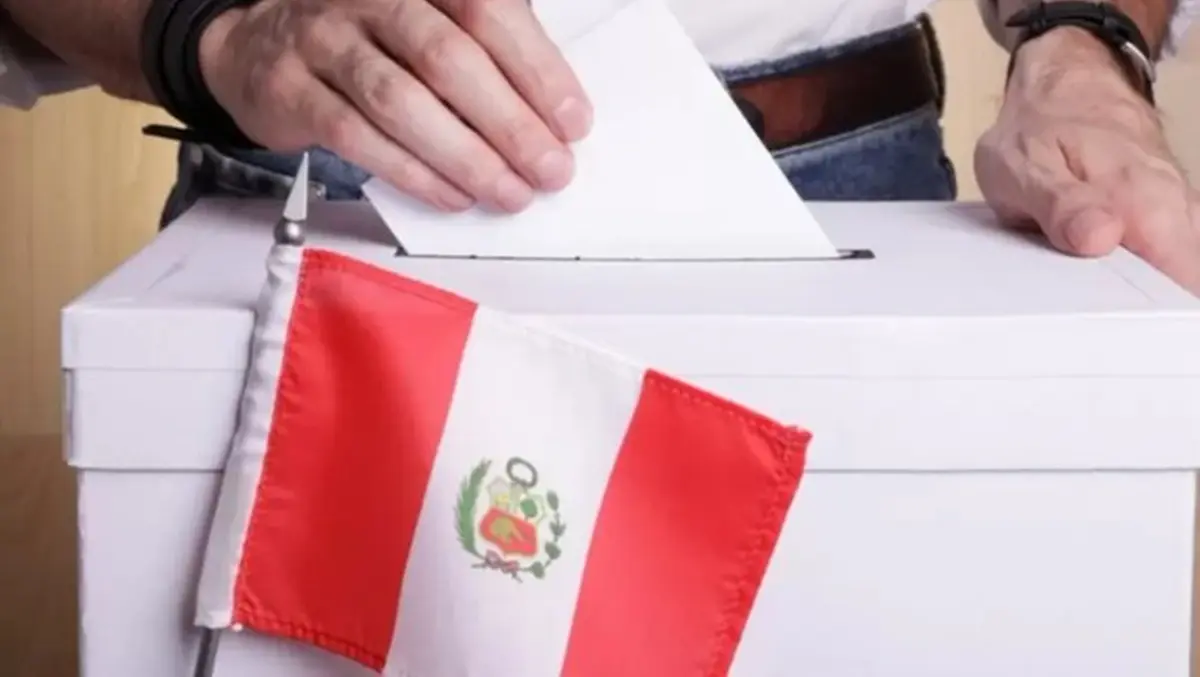
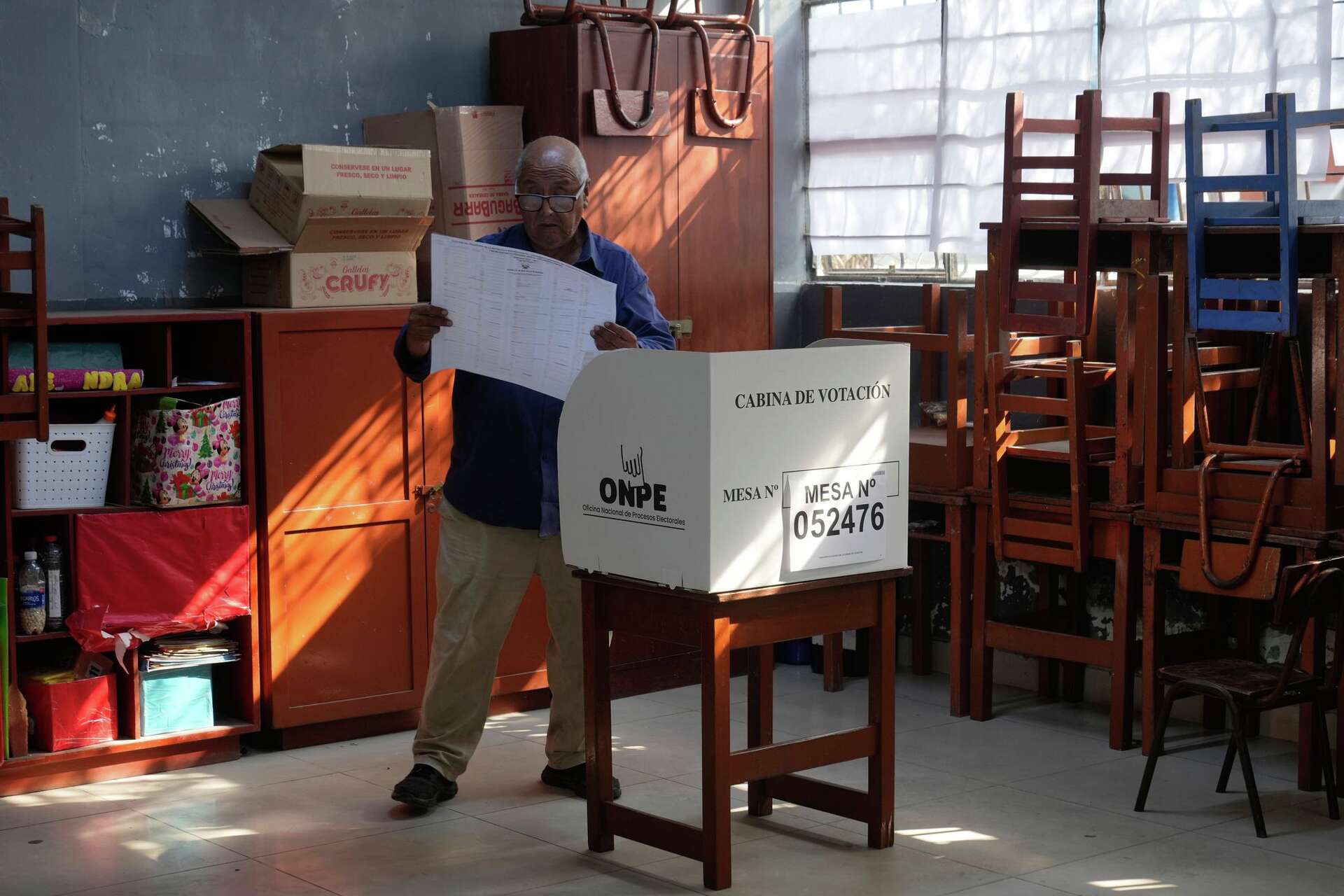
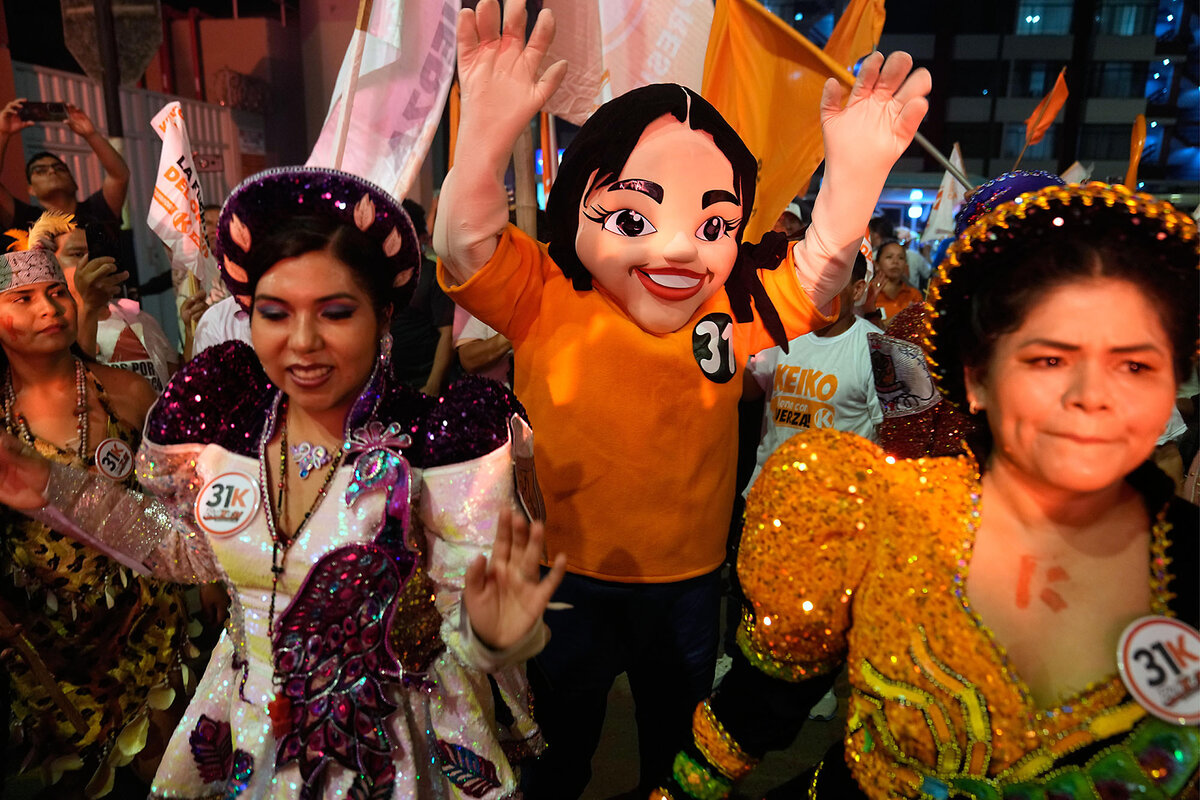
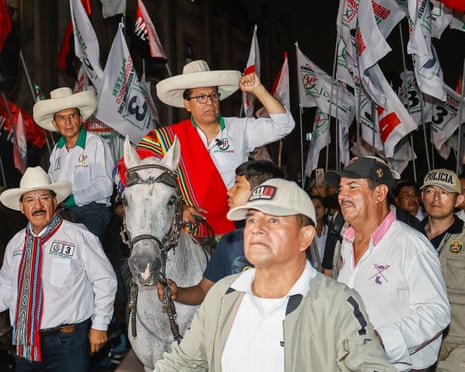
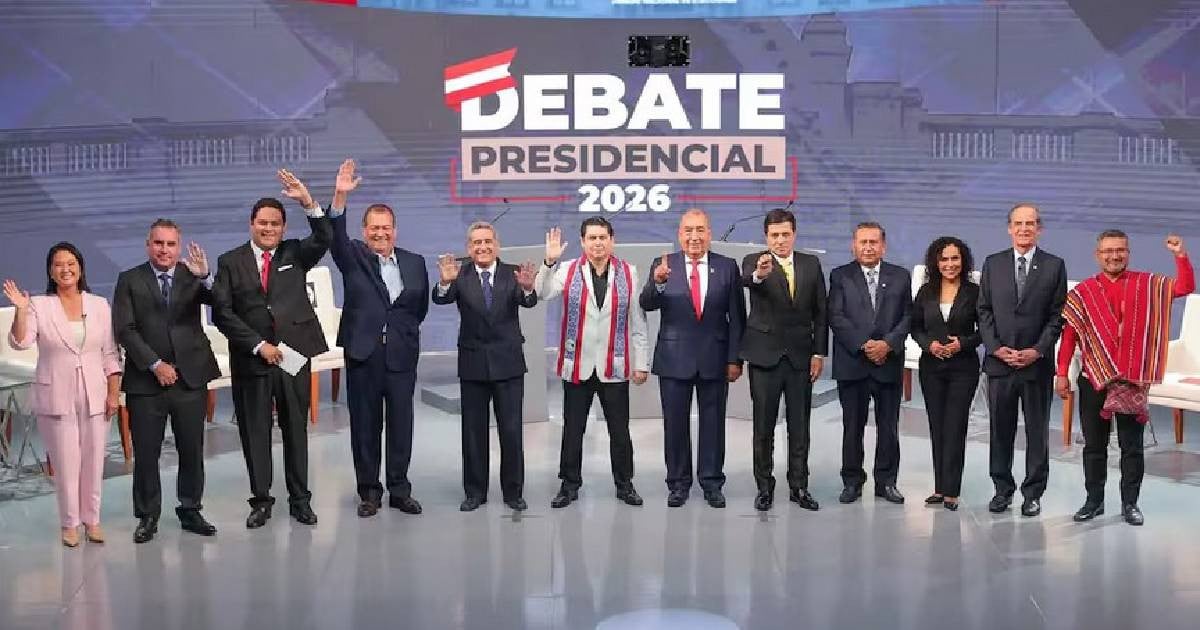
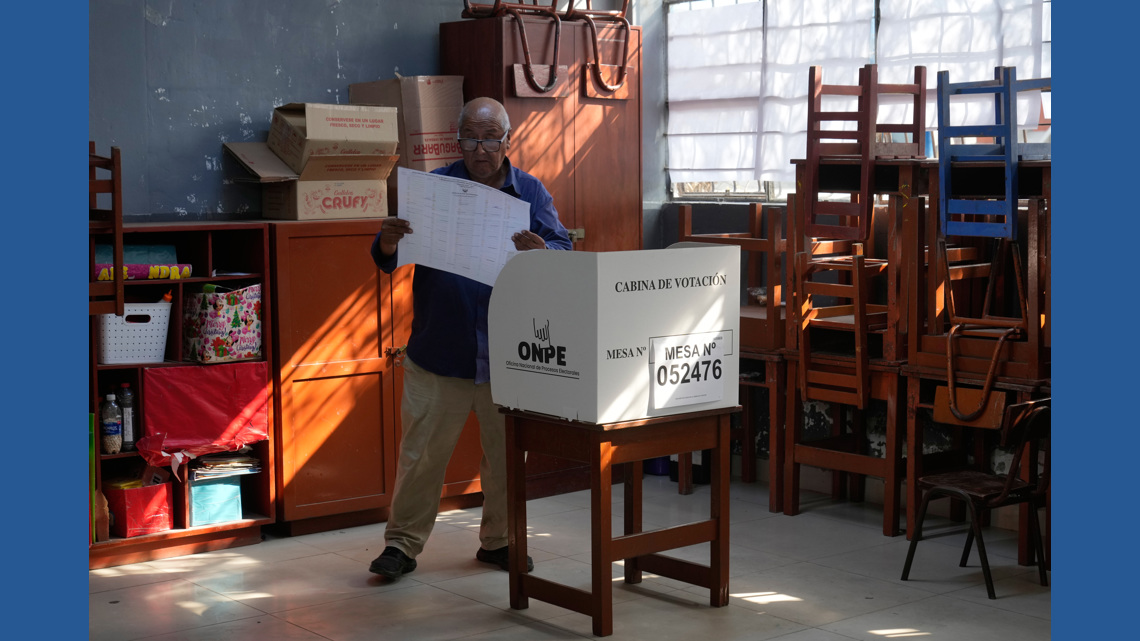
Peru's April 2026 presidential election has created unprecedented uncertainty for cross-border e-commerce sellers operating in Latin America's third-largest economy. With Keiko Fujimori leading exit polls at 16.6% and leftist Roberto Sanchez at 12.1%, neither candidate achieved the 50% threshold required for first-round victory, forcing a June 7, 2026 runoff that will fundamentally reshape Peru's regulatory environment. This political volatility directly impacts sellers through three critical mechanisms: regulatory unpredictability, trade policy uncertainty, and operational compliance challenges.
Regulatory Unpredictability Threatens Business Continuity: Peru's institutional crisis has fundamentally weakened presidential authority over the past decade. Congress has expanded its power through vague "moral incapacity" impeachment clauses, rendering the presidency a secondary power center. Researcher Paulo Vilca from the Institute of Peruvian Studies warns that presidents now rarely complete five-year terms—only 1 of 9 transitions in the past decade resulted in a full term completion. This institutional instability creates unpredictable regulatory environments where tax codes, import duties, and e-commerce compliance requirements can shift dramatically with congressional action, independent of presidential intent. For sellers managing inventory, pricing, and fulfillment operations in Peru or serving Peruvian consumers, this means compliance frameworks established under one administration may be reversed within months.
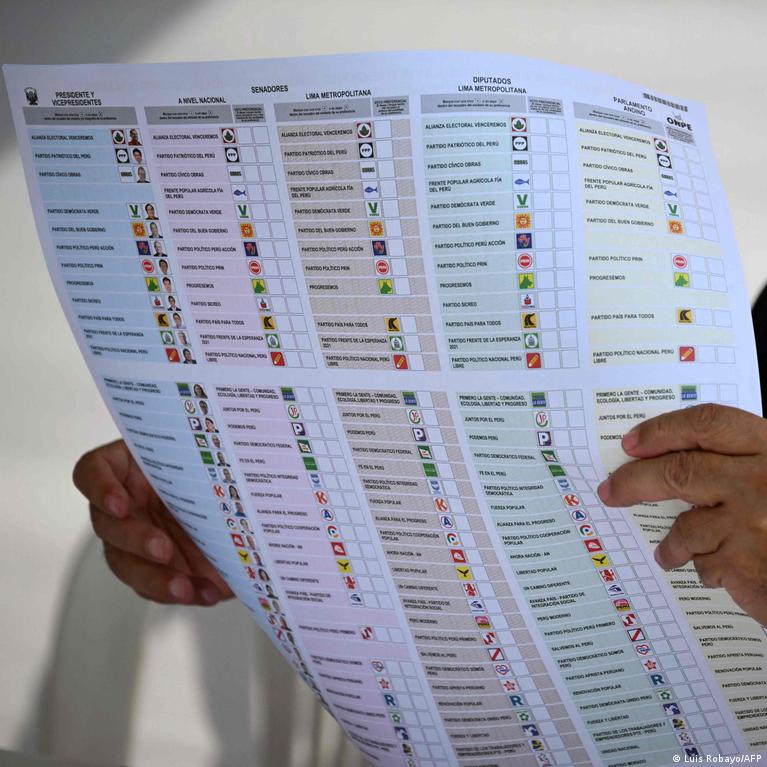
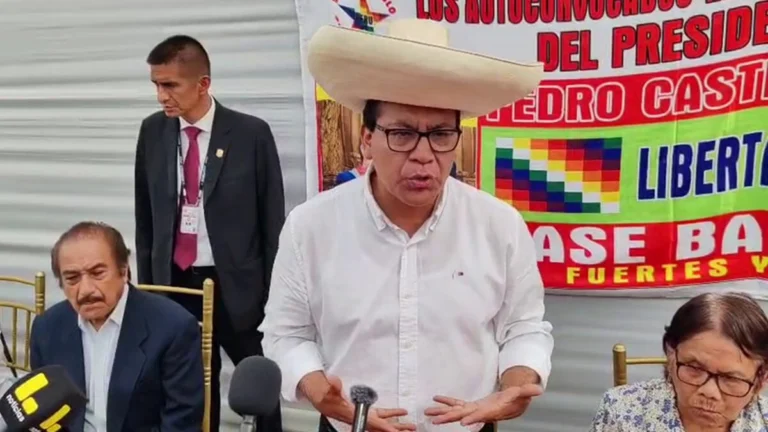
Trade Policy Direction Hinges on Runoff Outcome: The ideological split between frontrunners signals divergent trade philosophies. Fujimori represents right-wing, pro-business policies historically favoring trade liberalization and foreign investment, while Sanchez embodies leftist positions that typically emphasize protectionism and domestic industry protection. This 4.5-percentage-point gap in exit polling (16.6% vs 12.1%) masks deeper fragmentation—the election featured 35 candidates, with voter apathy evident in mandatory voting generating high blank ballot rates. The June runoff outcome will determine whether Peru pursues trade integration with regional partners (benefiting cross-border sellers through reduced tariffs) or protectionist policies (increasing import duties and regulatory barriers). Sellers must monitor this runoff closely as it will reshape tariff schedules, customs procedures, and value-added tax (VAT) compliance requirements affecting profitability on Peru-focused inventory.
Security Crisis Compounds Operational Risks: Beyond political instability, Peru faces escalating organized crime and violence that directly threaten logistics operations. Sellers relying on 3PL providers or direct fulfillment in Peru face increased supply chain disruption risks, potential theft of inventory in transit, and higher insurance costs. The security crisis, combined with institutional weakness preventing consistent law enforcement, creates operational hazards that extend beyond typical political risk. Sellers should evaluate alternative fulfillment strategies—such as regional distribution from Chile or Colombia—to mitigate Peru-specific security vulnerabilities while maintaining market access.
Questions 7
What compliance documentation should sellers prepare for Peru market operations?
Establish comprehensive compliance documentation covering multiple regulatory scenarios. Maintain current VAT registration records with Peru's tax authority (SUNAT), import/export documentation templates, and tariff classification codes for your product categories. Prepare contingency compliance procedures for both trade liberalization (reduced documentation requirements) and protectionist scenarios (enhanced customs procedures). Work with local customs brokers to understand current procedures and anticipated changes under each candidate's platform. Document all compliance costs and timelines—protectionist policies typically increase customs clearance time 5-10 business days and add $200-500 per shipment in broker fees. Review and update compliance procedures quarterly as the political situation evolves.
How should sellers adjust pricing strategy for Peru amid political uncertainty?
Implement dynamic pricing that accounts for potential tariff changes. For inventory already in Peru, maintain current pricing but build 15-20% margin buffer to absorb potential tariff increases under protectionist scenarios. For new inventory, use tiered pricing: conservative pricing (assuming 20% tariff increase) for import-sensitive categories, and aggressive pricing (assuming 10% tariff reduction) for categories benefiting from trade liberalization. After the June 7 runoff, adjust pricing within 30-45 days as the new administration's trade policy becomes clear. Monitor competitor pricing in Peru and regional markets (Chile, Colombia) to maintain competitiveness while protecting margins against policy shifts.