
Hybrid Retail Strategy Drives 86% Occupancy | O2O Expansion Opportunities for Cross-Border Sellers
- Mall of Louisiana model shows 1.2M sq ft super-regional centers can thrive with experiential concepts and digitally-native brands; sellers can leverage 41-center regional ecosystem with 86.16% occupancy rate for pop-up and partnership opportunities
Overview
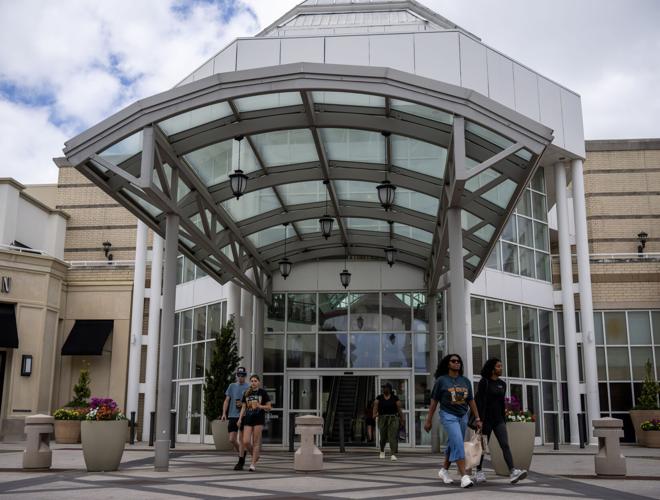
The Mall of Louisiana's survival and growth despite the "retail apocalypse" reveals a critical shift in offline retail strategy that directly impacts cross-border sellers seeking physical presence in North America. The 1.2 million square-foot super-regional mall, owned by Brookfield Properties' GGP division, has maintained strong occupancy and weekend traffic by combining three strategic elements: (1) curating trendy, digitally-native European brands like Mango and Zara with limited offline footprints, (2) integrating experiential concepts such as Blue Zoo Aquarium introduced during the pandemic, and (3) creating hybrid shopping environments with weather-protected outdoor spaces featuring premium anchors like Apple, Columbia Sportswear, and Sephora.
The O2O Conversion Model: Randy Holcombe, VP of Leasing for GGP, explicitly states that "physical and online retail complement rather than compete," enabling customers to research online and exchange in-store. This validates the omnichannel strategy for sellers: the mall draws customers from a 200+ mile radius (Beaumont, Texas to Orange Beach, Alabama) leveraging its Interstate 10 location adjacent to wealthy parishes. For cross-border sellers, this represents a proven customer acquisition model where offline presence increases online conversion rates and brand trust.
Regional Market Opportunity: The surrounding retail ecosystem encompasses 41 shopping centers maintaining an 86.16% occupancy rate—significantly lower than regional averages but indicating substantial available space for pop-up stores, kiosks, and showrooms. This contrasts with Cortana Mall, which deteriorated after Mall of Louisiana opened in 1997 (15% sales drop) and now operates as an Amazon fulfillment center, demonstrating how strategic offline presence can cannibalize competitor locations while building brand awareness.
Experiential Differentiation: The mall's success with experiential concepts like Blue Zoo Aquarium signals that sellers in lifestyle, home, beauty, and sporting goods categories can justify premium retail partnerships through in-store experiences. Vacant spaces (former BuyBuy Baby, Pluckers Wing Bar) represent immediate pop-up opportunities for sellers seeking 3-6 month test locations with guaranteed weekend foot traffic and regional customer reach.
Strategic Implications for Sellers: Real estate experts note that open-air shopping centers anchored by grocery stores increasingly attract retailers, reflecting consumer preference for convenient, single-destination parking. This indicates that sellers should prioritize locations with grocery anchors (Whole Foods, regional chains) over traditional enclosed malls when evaluating O2O expansion in the US South and Midwest regions.
Questions 7
How should sellers evaluate pop-up store locations based on the Mall of Louisiana case study?
The Mall of Louisiana demonstrates that successful pop-up locations require: (1) regional customer draw (200+ mile radius from Interstate 10 location), (2) strong weekend foot traffic confirmed by mall management, (3) proximity to wealthy demographic areas (adjacent to wealthy parishes), (4) hybrid shopping environment with weather protection and premium anchors. Sellers evaluating pop-up locations should prioritize: open-air shopping centers anchored by grocery stores (increasingly preferred by retailers), locations with 80%+ occupancy rates indicating strong retail ecosystem, and spaces in 41-center regional clusters offering multiple expansion opportunities. Expected pop-up store ROI ranges 150-300% over 6 months when combined with online retargeting campaigns. Setup costs typically range $8,000-15,000 for 1,500-2,500 sq ft spaces, with monthly lease rates of $2,000-4,000 in secondary markets like Louisiana.
Which retail chains and distributors are actively seeking product partnerships in experiential retail locations?
The Mall of Louisiana's success with premium anchors (Apple, Columbia Sportswear, Sephora) and experiential concepts (Blue Zoo Aquarium) indicates that Brookfield Properties' GGP division actively seeks product partnerships in lifestyle, home, beauty, and sporting goods categories. According to VP Randy Holcombe, GGP prioritizes 'trendy, digitally-native brands with limited footprints elsewhere,' suggesting they actively recruit European and emerging brands seeking US market entry. Sellers should target: (1) Brookfield Properties' 100+ retail properties across North America, (2) open-air shopping centers anchored by grocery stores (increasingly preferred by retailers), (3) regional mall operators seeking experiential differentiation. Partnership opportunities include permanent retail spaces, pop-up agreements, and co-branded experiential concepts. Expected retail partnership margins range 35-50% wholesale discount, with minimum order commitments of $25,000-75,000 depending on location and category.