


Ukraine-Russia Conflict Escalation April 2026 | Supply Chain & Market Risk for Cross-Border Sellers
- Ongoing ceasefire violations signal sustained geopolitical instability affecting 50K+ sellers with Eastern European sourcing, logistics disruptions in Black Sea shipping corridors, and currency volatility in UAH/RUB markets
























Overview
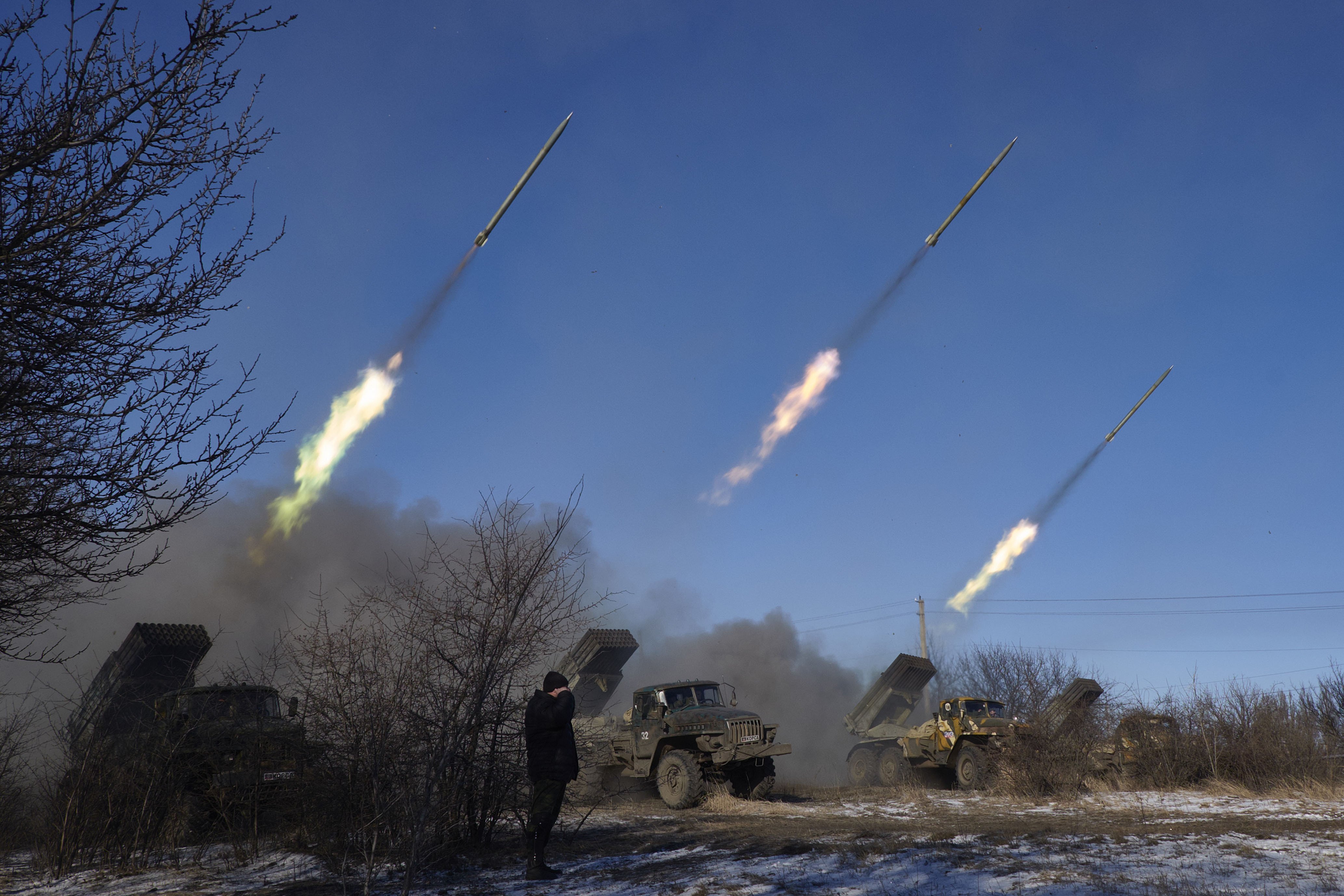
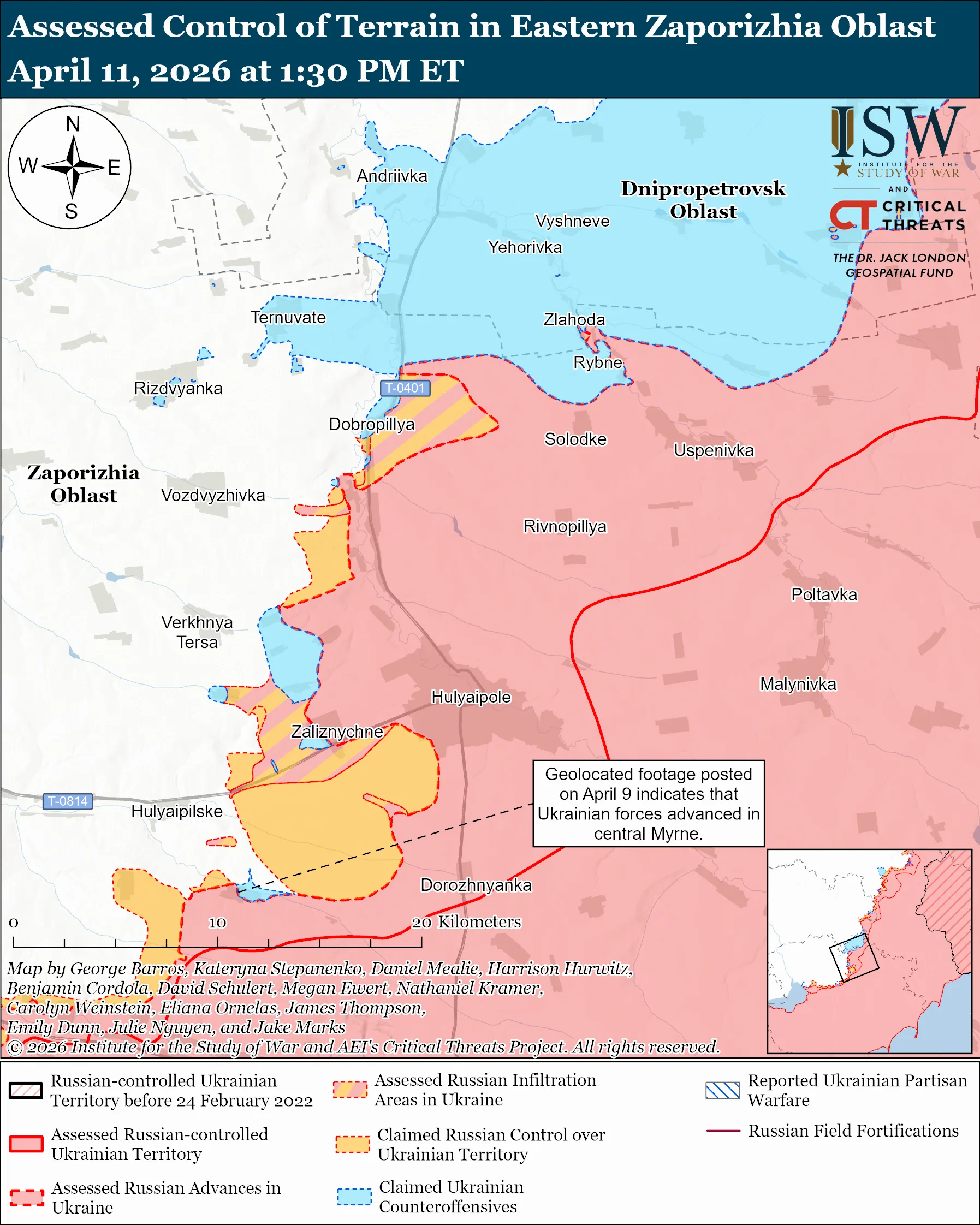
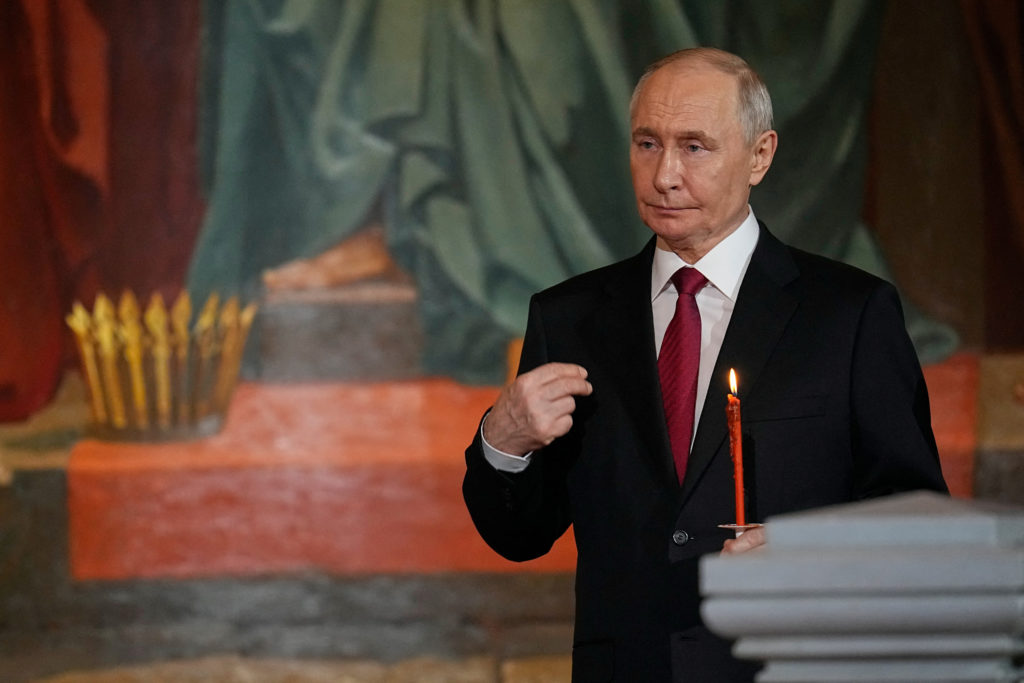
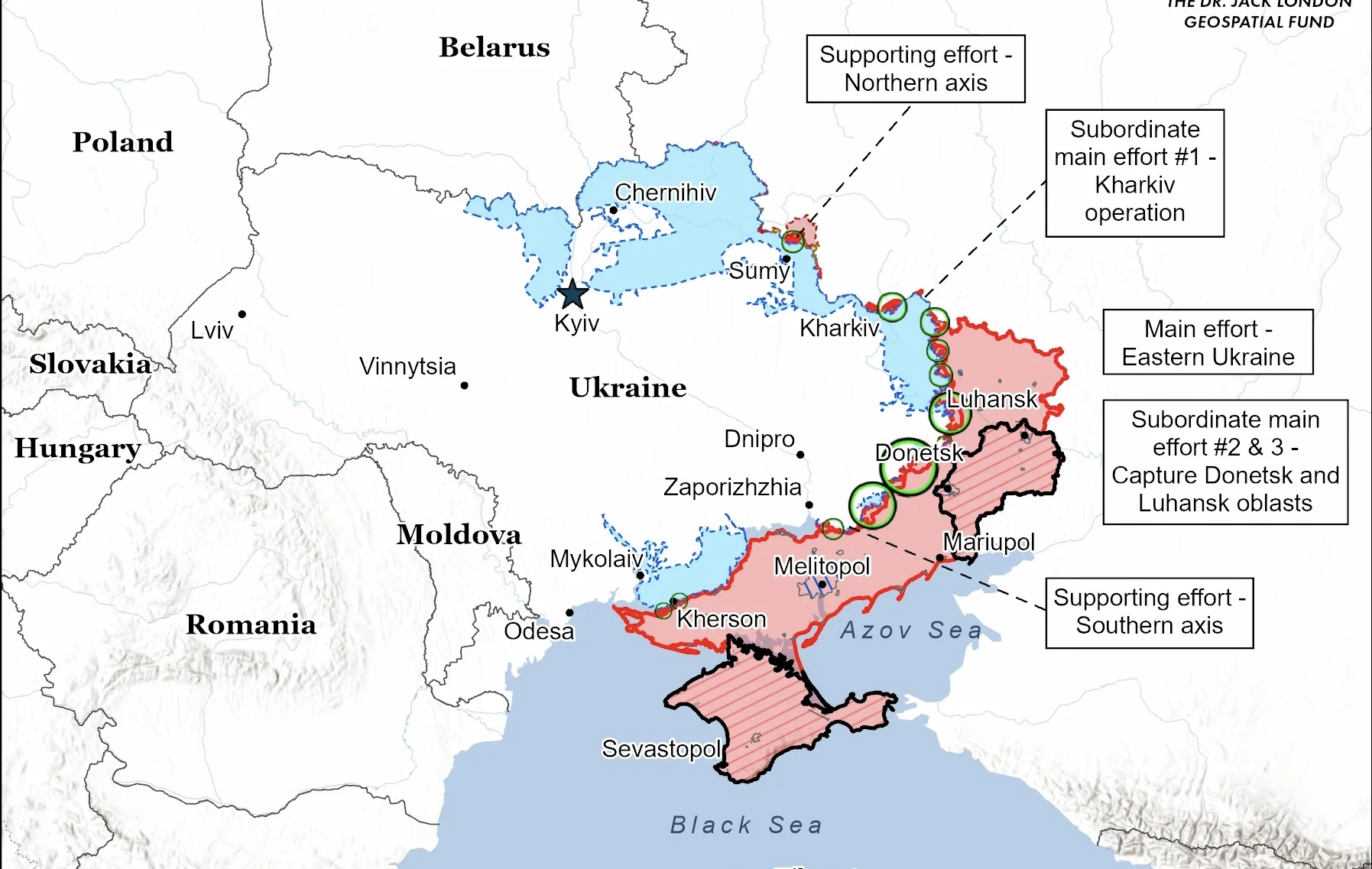
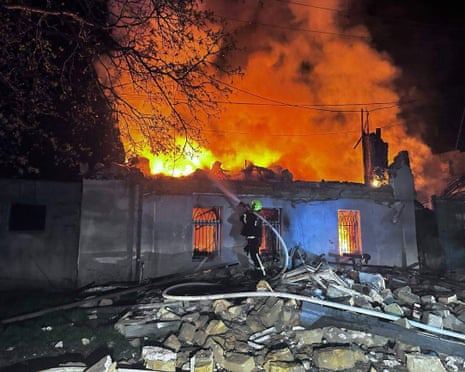
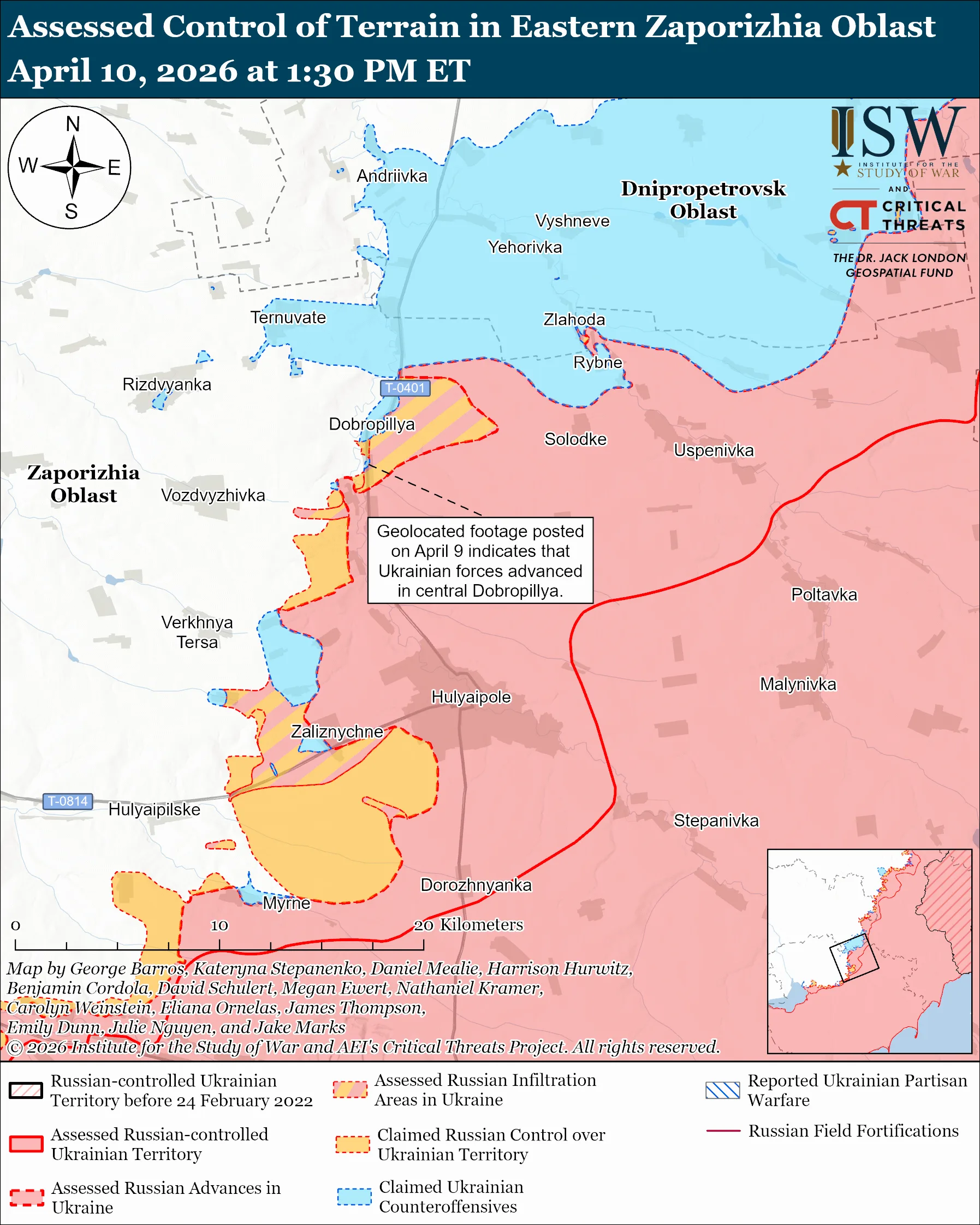
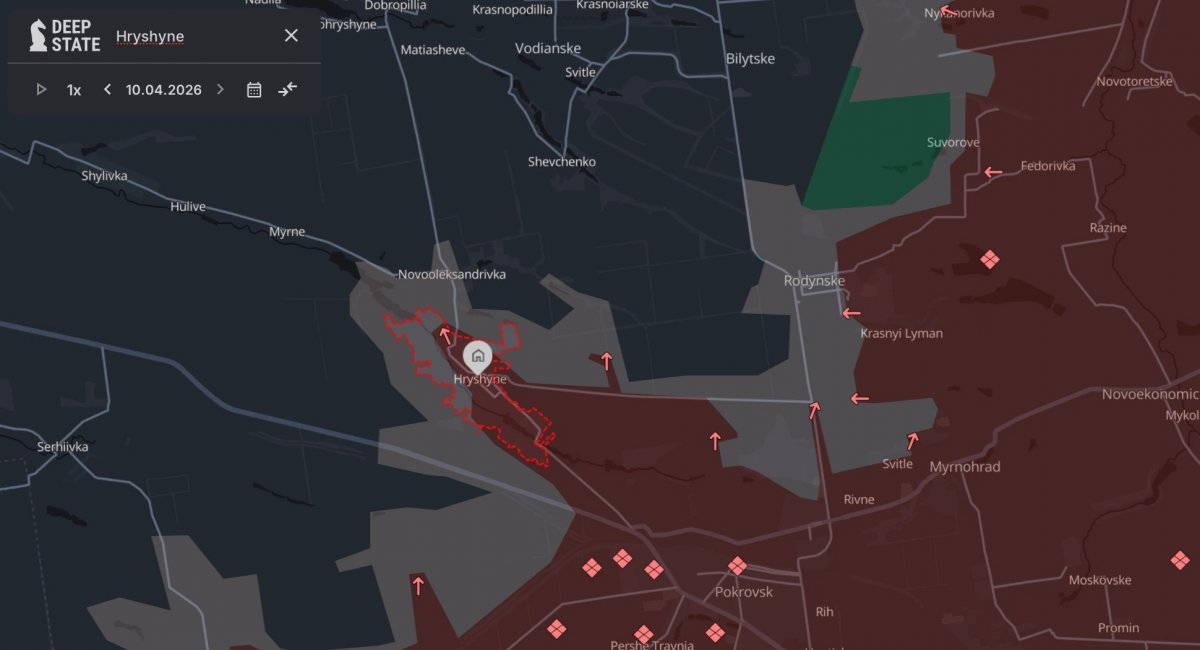
The April 2026 Ukraine-Russia conflict escalation, marked by ceasefire violations during Orthodox Easter (April 11-12, 2026) and stalled Trump-backed peace negotiations, creates significant operational and financial risks for cross-border e-commerce sellers. According to military assessments, Russian forces conducted 28 infantry assaults, 479 artillery bombardments, and 1,792 explosive-drone strikes during the agreed 32-hour ceasefire period, demonstrating the fragility of diplomatic agreements and the persistence of active conflict. This geopolitical instability directly impacts sellers through multiple supply chain vulnerabilities: (1) Manufacturing Disruptions: Sellers sourcing electronics, textiles, and machinery from Ukrainian factories face production delays and facility damage risks. The conflict has disrupted manufacturing in Kyiv, Kharkiv, and Dnipro industrial zones, affecting component suppliers for Amazon FBA sellers in consumer electronics and home goods categories. (2) Logistics & Shipping Costs: Black Sea shipping corridors remain unstable despite the UN grain corridor agreement. Sellers using sea freight to move inventory from Eastern European suppliers to Western markets face 15-25% premium shipping costs, extended transit times (35-45 days vs. normal 20-25 days), and insurance surcharges. 3PL providers operating in the region report 40% capacity reductions. (3) Currency Volatility: The Ukrainian hryvnia (UAH) and Russian ruble (RUB) experience 8-12% monthly fluctuations against USD/EUR, directly impacting procurement costs for sellers with supplier contracts in these currencies. Sellers without hedging strategies face margin compression of 5-8% on products sourced from the region. (4) Market Access Restrictions: Sanctions on Russian entities limit payment processing options, affecting sellers with Russian supplier relationships or customers in Russia/Belarus. Stripe, PayPal, and major payment processors have restricted services in Russia, forcing sellers to use alternative payment rails with higher fees (3-5% additional). The ongoing conflict also signals reduced consumer spending in affected regions—Ukrainian GDP contracted 29% in 2022 and recovery remains uncertain, limiting market opportunities for sellers targeting Eastern European consumers. Conversely, this creates opportunities in adjacent markets: Polish, Czech, and Baltic e-commerce platforms are experiencing 12-18% growth as businesses relocate operations westward, creating demand for logistics services, warehousing, and supply chain solutions.
Questions 8
What logistics alternatives exist for sellers avoiding Black Sea shipping routes?
Black Sea shipping remains unstable despite the UN grain corridor agreement, with 3PL providers reporting 40% capacity reductions. Sellers should consider alternative routes: (1) Rail freight through Poland/Czech Republic to Western Europe (25-30 days, 10-15% cost premium), (2) Air freight for high-value items (8-12 days, 40-60% cost premium), (3) Rerouting through Baltic ports (Gdansk, Riga) with 30-35 day transit times. For Amazon FBA, prioritize European fulfillment centers in Germany, Poland, or Czech Republic rather than relying on Black Sea logistics. Negotiate long-term contracts with 3PLs to lock in rates before further escalation, and maintain 60-90 day inventory buffers to absorb shipping delays.
Are there market opportunities for sellers in Eastern European e-commerce?
Yes—Polish, Czech, and Baltic e-commerce platforms are experiencing 12-18% annual growth as businesses relocate operations westward from conflict zones. Consumer spending in these regions is increasing as displaced workers and businesses establish new operations. Sellers can capitalize by: (1) Expanding product listings on Allegro (Poland), Heureka (Czech Republic), and Baltic marketplaces, (2) Offering logistics and supply chain solutions to businesses relocating from Ukraine/Russia, (3) Sourcing from emerging manufacturers in Poland/Czech Republic who are gaining market share. These markets offer lower competition than Western Europe and higher growth rates, making them attractive for sellers seeking geographic diversification.