



Taiwan Aquaculture & Media Exports Surge | Cross-Strait Trade Barriers Fall April 2026
- China lifts 5-year seafood import bans, resumes direct flights, opens media content market; creates tariff arbitrage opportunities for Taiwan-based sellers in grouper, squid, tuna, and entertainment products



























Overview
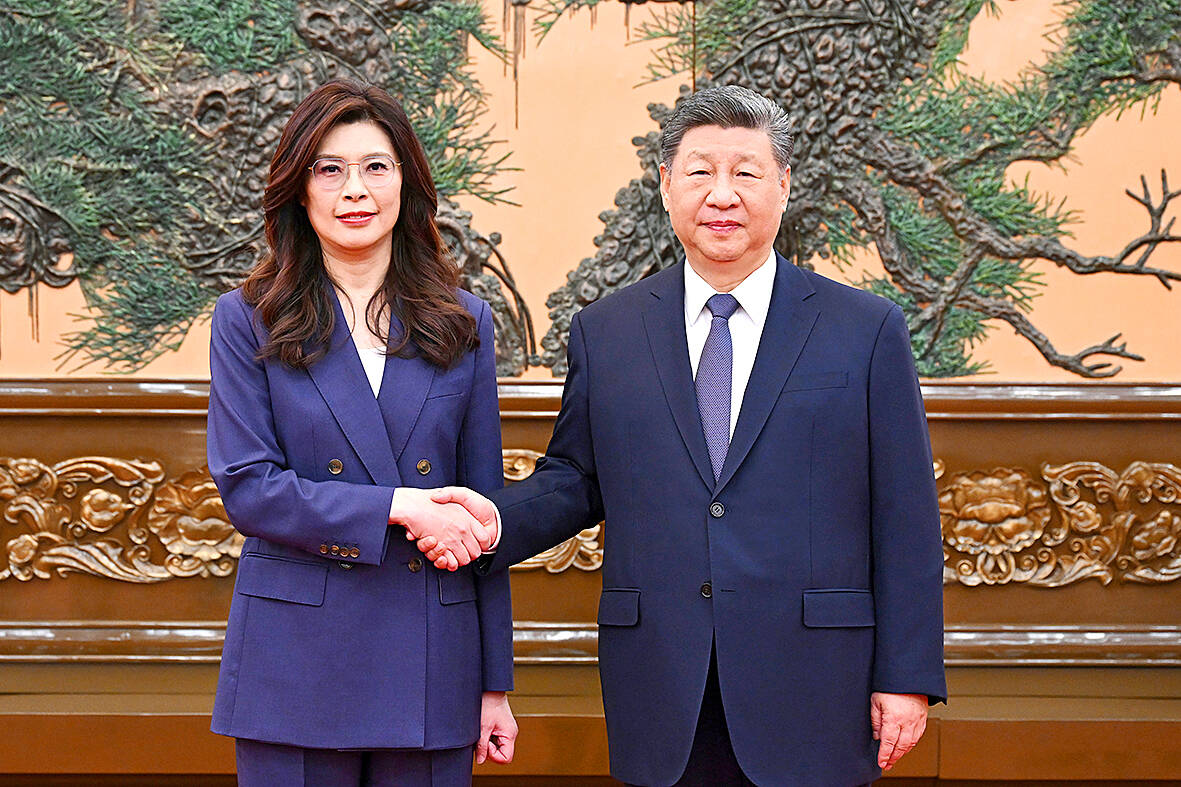
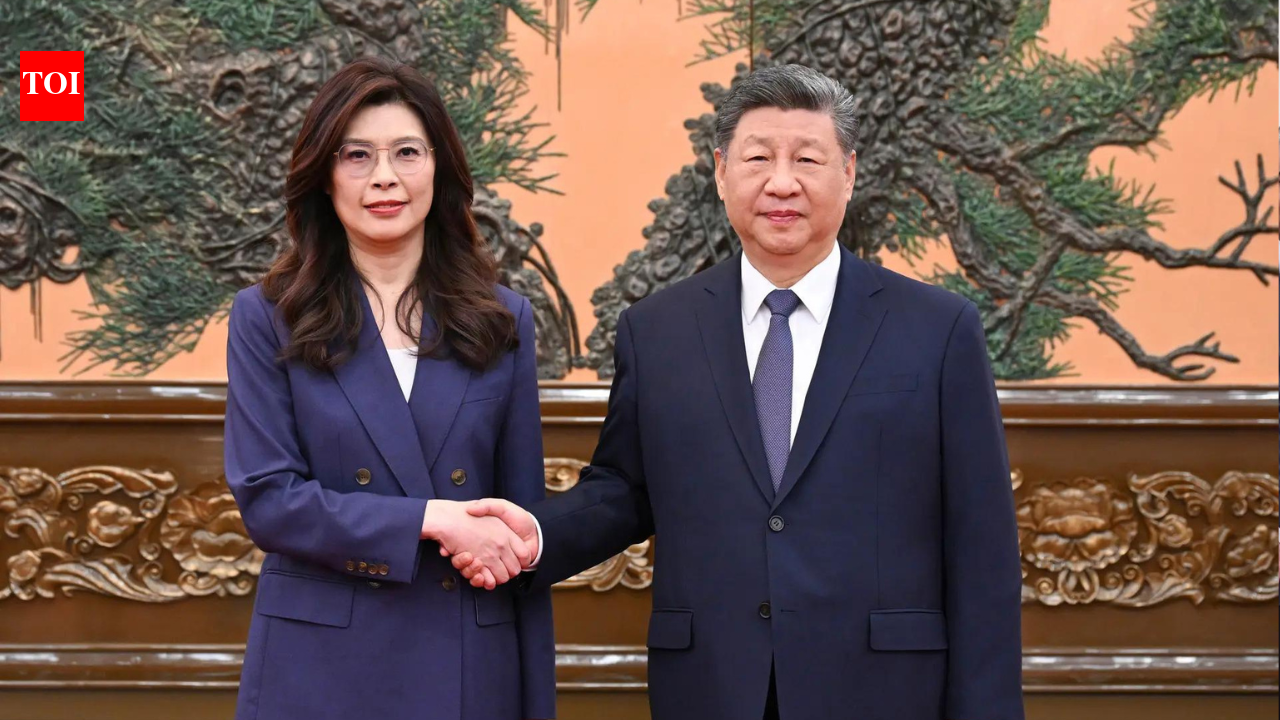
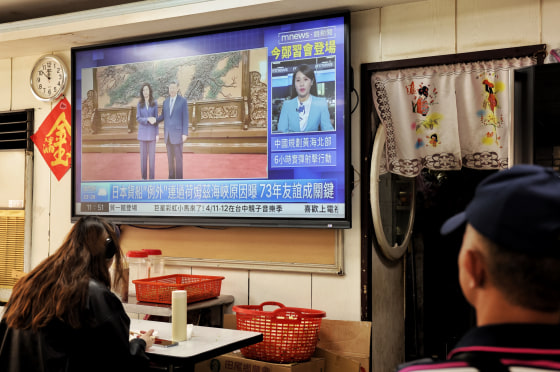
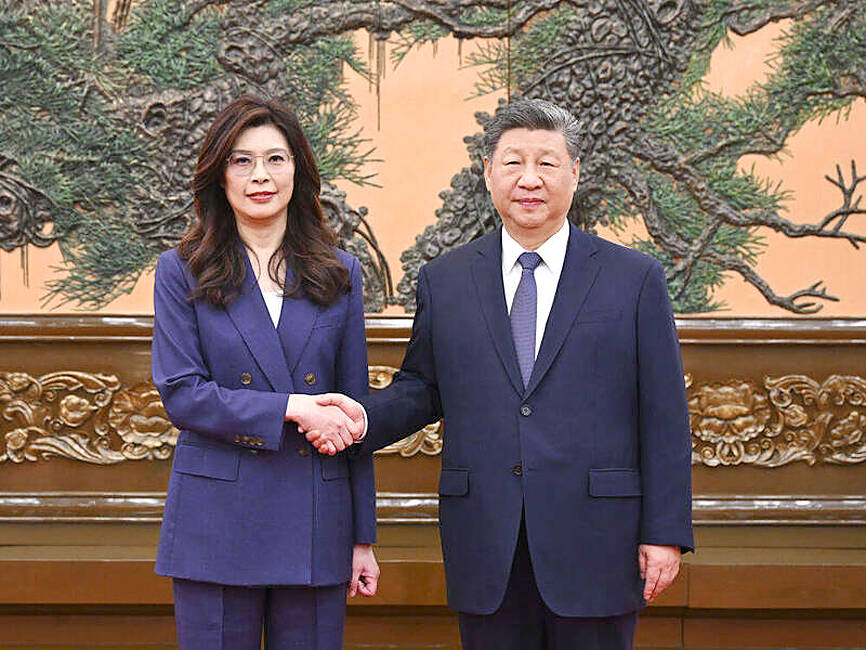
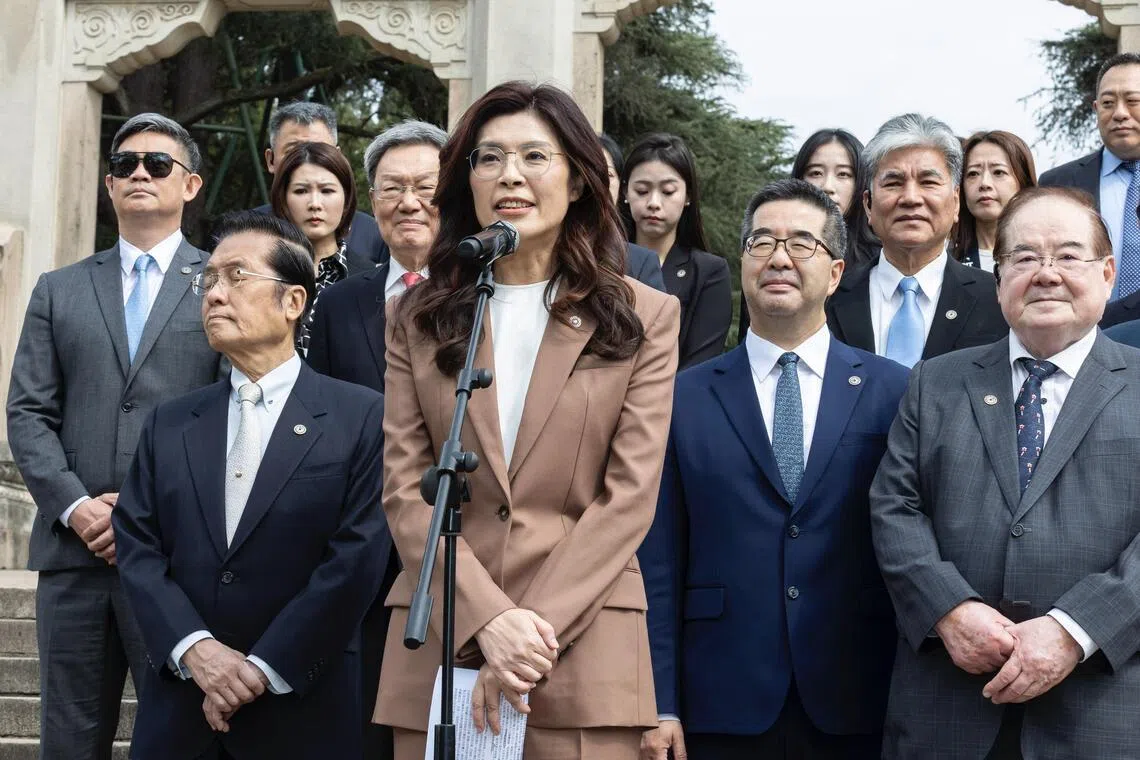
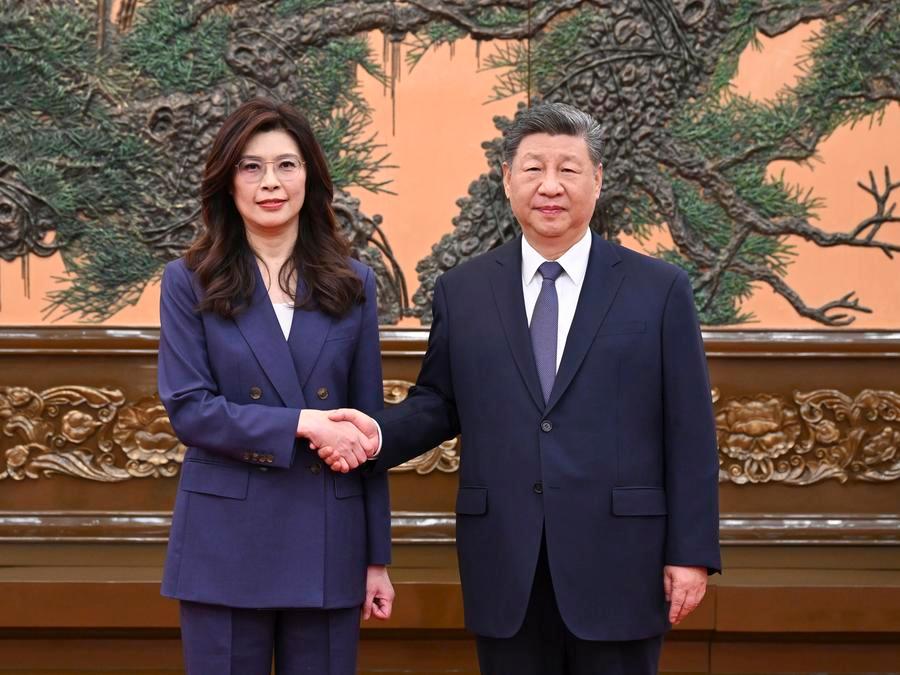
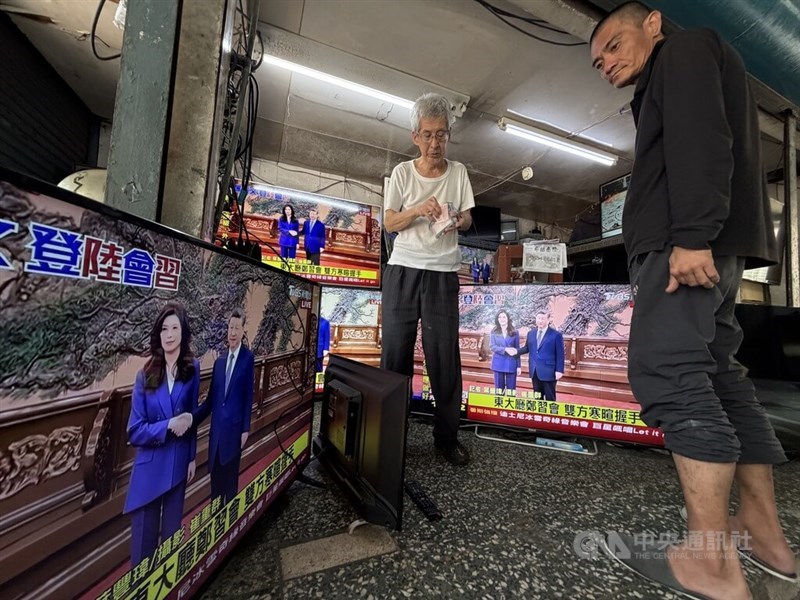
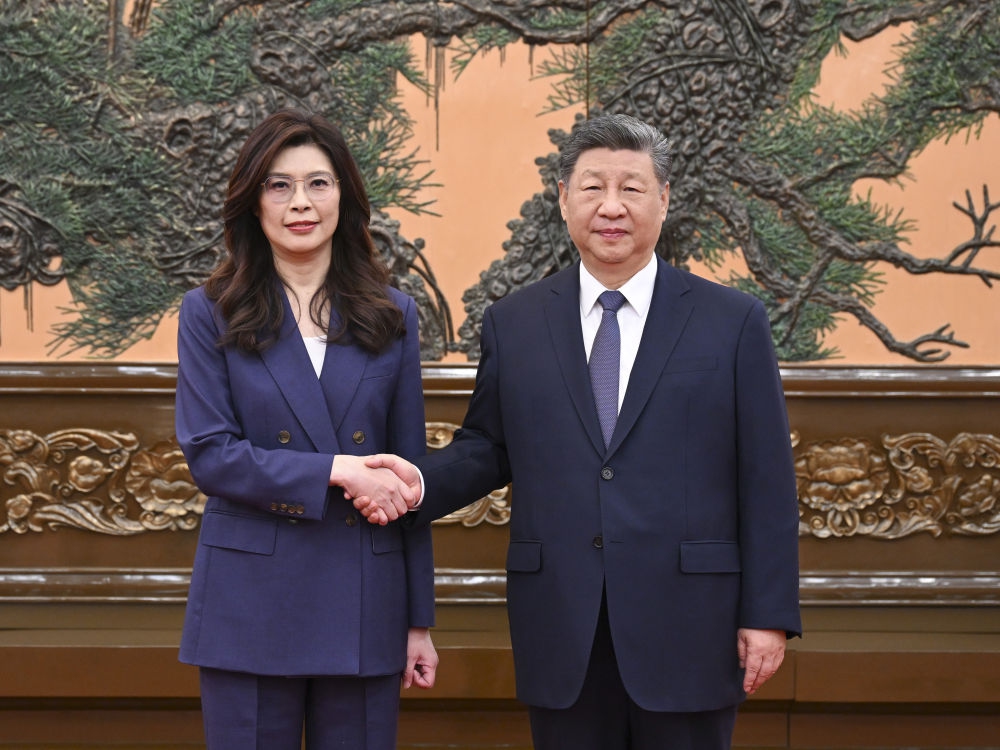
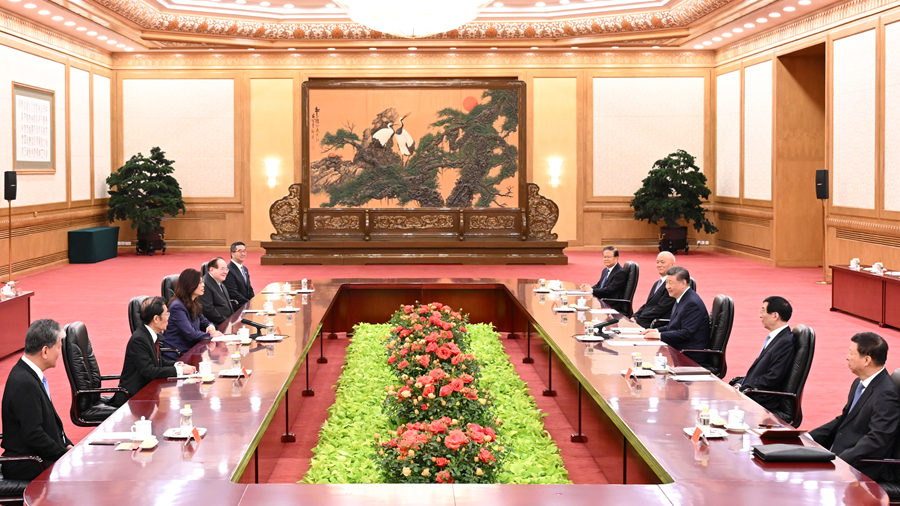
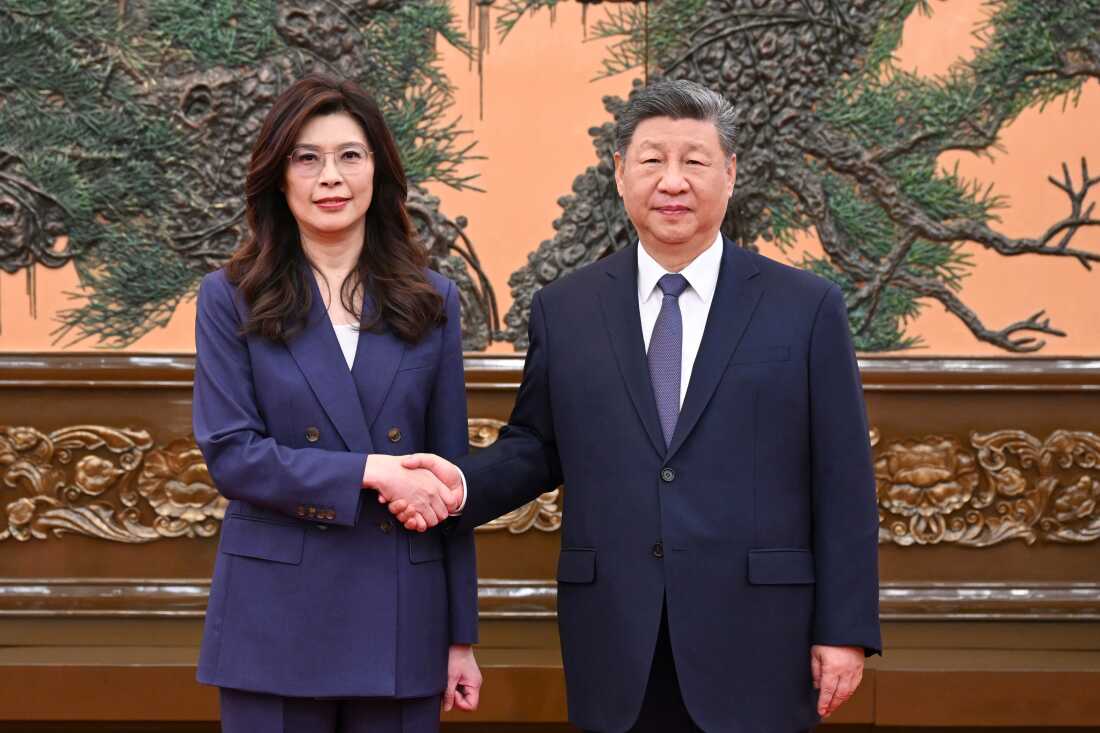
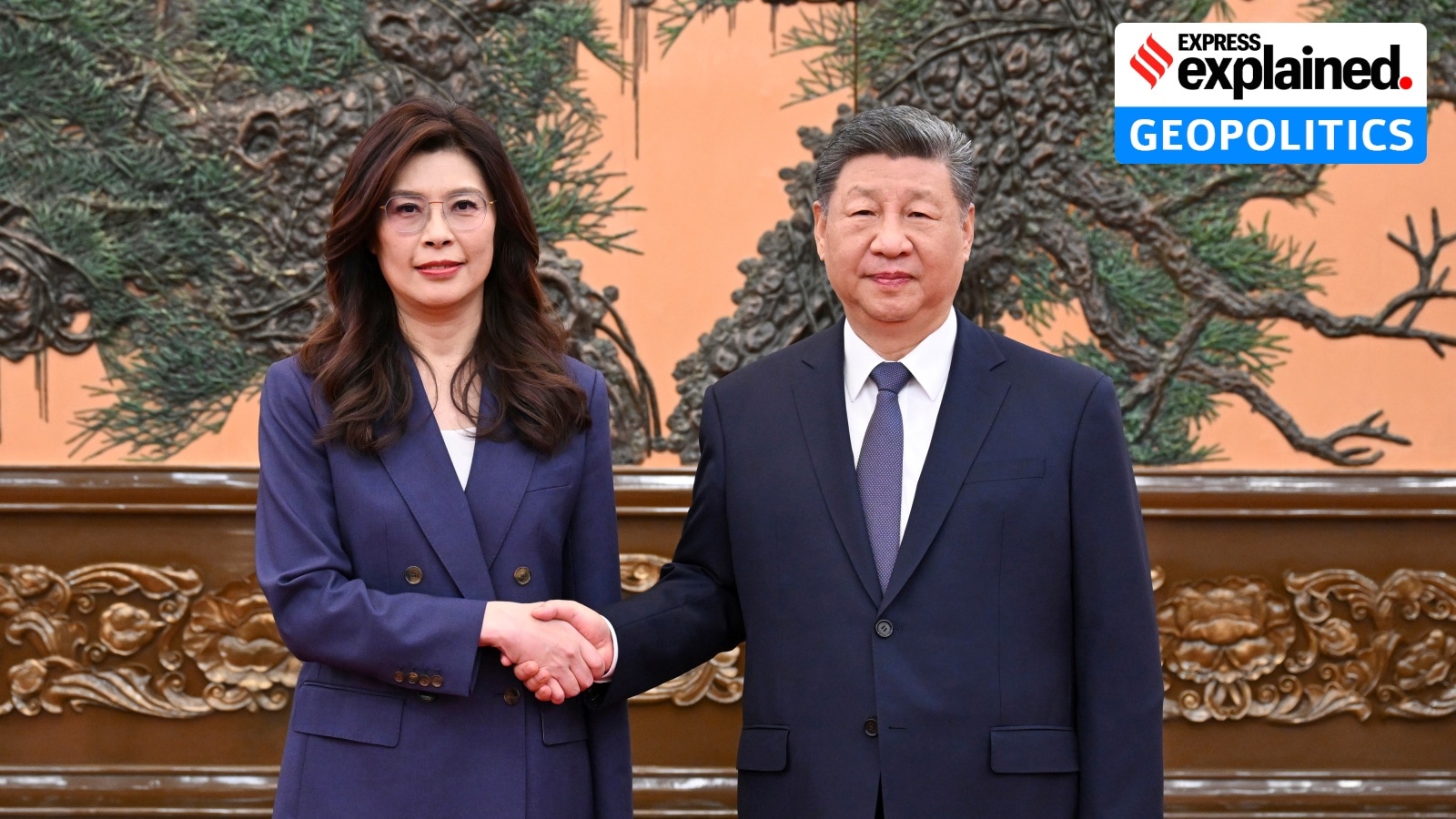
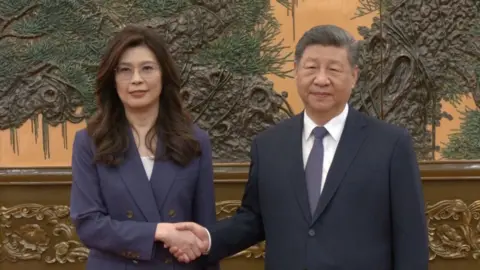
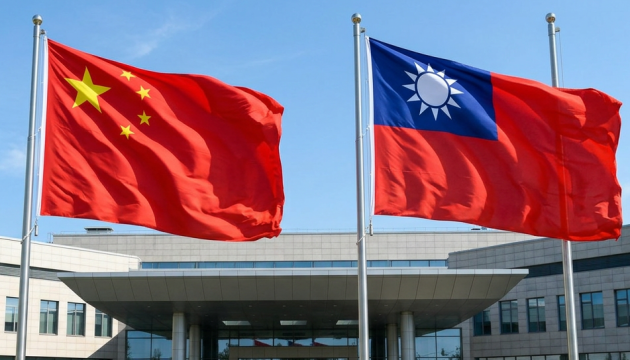
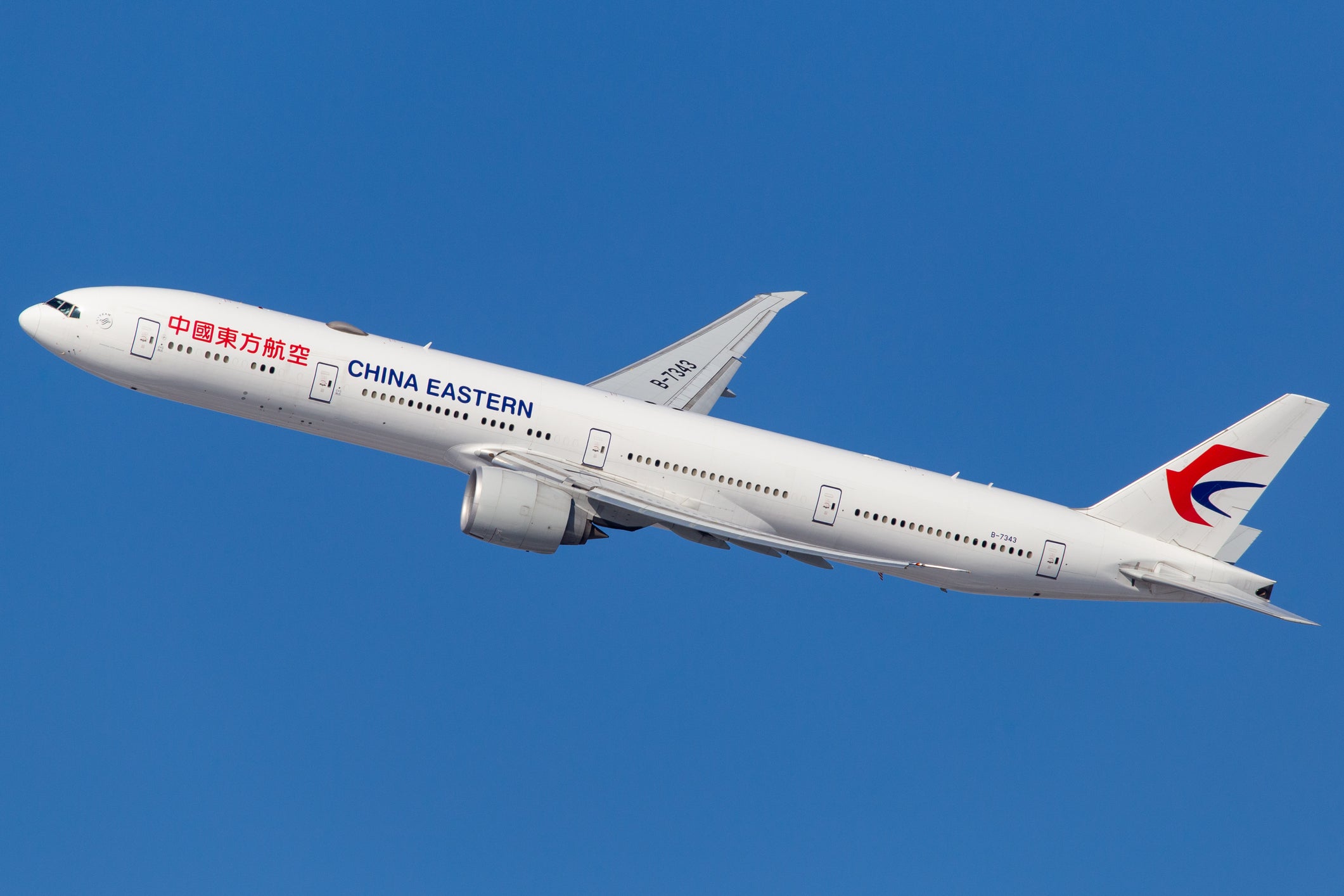
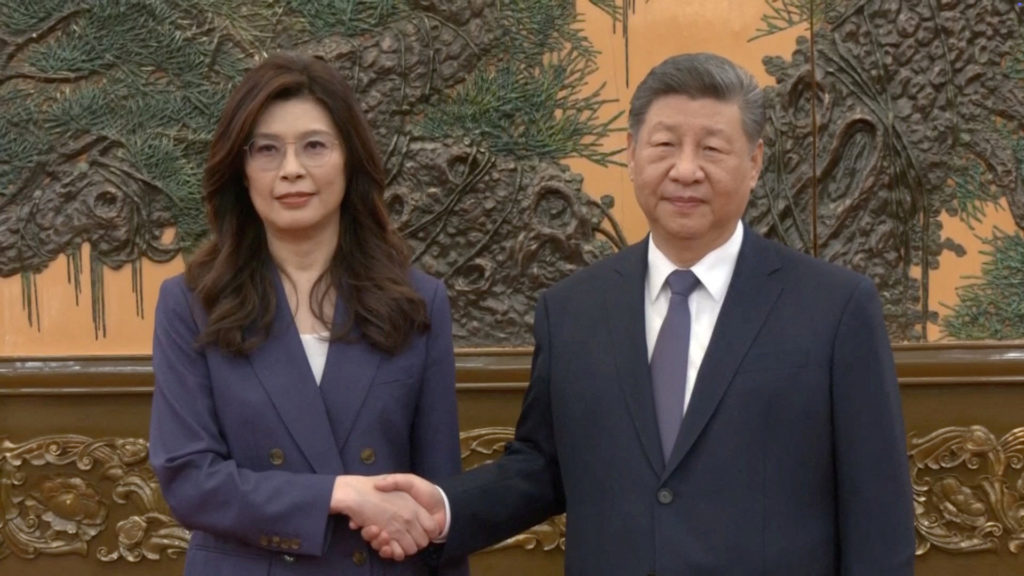
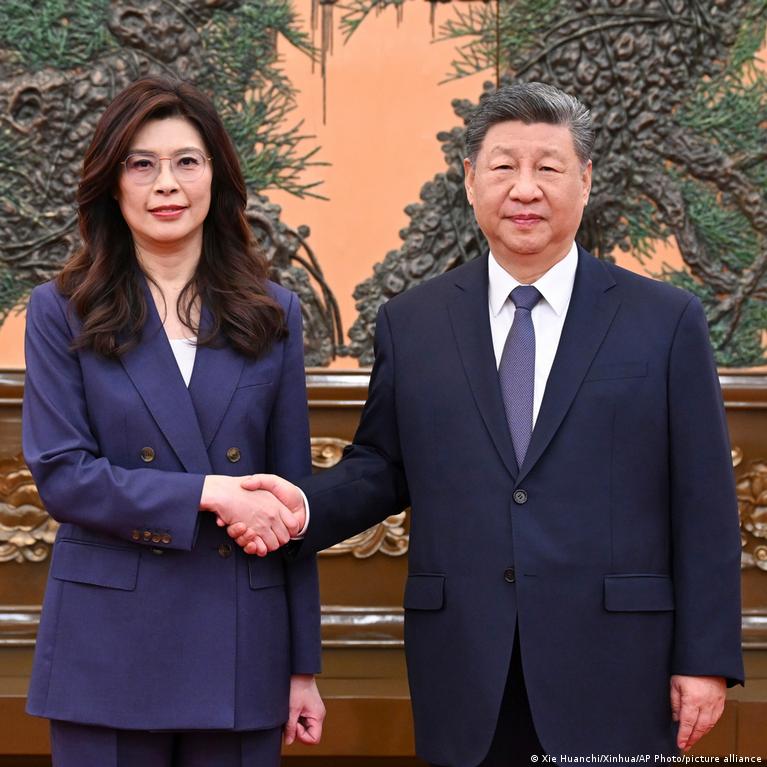
On April 12, 2026, China announced 10 major trade incentive measures for Taiwan following opposition leader Cheng Li-wun's meeting with President Xi Jinping, fundamentally reshaping cross-strait commerce dynamics. The policy removes import bans on Taiwanese aquaculture products (grouper, squid, tuna) restricted since 2021, resumes direct flights between Taiwan and mainland cities (Xi'an, Urumqi), and permits Taiwanese television content and entertainment merchandise previously blocked from mainland distribution. This represents a critical tariff arbitrage window for Taiwan-based e-commerce sellers, particularly in aquaculture (HS codes 0302-0307) and digital media distribution.
For aquaculture exporters, the logistics advantage is immediate and quantifiable. Direct flight resumption reduces shipping times from 7-14 days (via transshipment through Hong Kong/Singapore) to 2-3 days, cutting cold-chain logistics costs by 25-35% for perishable seafood. Taiwan's grouper, squid, and tuna exports—historically valued at $180-220M annually before 2021 restrictions—can now access mainland Chinese markets through Alibaba, JD.com, and emerging social commerce platforms like Douyin and Little Red Book. Sellers should prioritize HS code 0302 (fresh/chilled fish) and 0307 (mollusks/squid) for immediate inventory repositioning, as inspection standards are being eased through a new bilateral mechanism.
Media content represents the highest-margin opportunity with lowest compliance barriers. China's willingness to permit "healthy" Taiwanese television dramas, documentaries, and entertainment merchandise signals a 200-300M consumer market opening in mainland China. Sellers specializing in Taiwanese drama merchandise (collectibles, apparel, digital content licensing) can leverage platforms like Alibaba's entertainment vertical and JD.com's content partnerships. However, political preconditions remain: content must demonstrate "correct orientation" and "high production quality," requiring sellers to navigate content approval processes through Chinese customs and media authorities. The timing window is critical—early movers establishing relationships with mainland distributors before formal regulatory frameworks solidify will capture first-mover advantages in a market where Taiwanese entertainment commands premium pricing (15-25% margin premiums vs. mainland content).
Risk factors demand strategic caution despite opportunity. Taiwan's government has not formally endorsed these measures, characterizing them as "political transactions" lacking official governmental negotiation. Implementation timelines remain undefined—direct flights and import resumptions require coordination between Taiwan's government and China's Taiwan Work Office, creating regulatory uncertainty. Sellers should avoid large inventory commitments until official customs procedures are published by Chinese General Administration of Customs (GACC) and Taiwan's Ministry of Trade. The political nature of these concessions—contingent on "opposing Taiwan independence" rhetoric—introduces sustainability risk; policy reversals are possible if cross-strait tensions escalate or Taiwan's government changes positions.
Questions 8
What Taiwanese media content can be sold on Alibaba and JD.com mainland platforms?
China now permits Taiwanese television dramas, documentaries, and entertainment merchandise if content demonstrates 'correct orientation, healthy content, and high production quality.' This opens markets for drama collectibles, apparel, digital licensing, and streaming rights. However, sellers must navigate content approval processes through Chinese customs and media authorities—formal regulatory frameworks haven't been published yet. Sellers should avoid inventory commitments until official guidelines appear from GACC and China's National Radio and Television Administration (NRTA). Early movers establishing relationships with mainland distributors will capture first-mover advantages in a market where Taiwanese entertainment commands 15-25% margin premiums.
What political risks should Taiwan sellers consider before expanding to mainland markets?
Taiwan's government has not formally endorsed these measures, characterizing them as 'political transactions' lacking official governmental negotiation. Implementation depends on coordination between Taiwan's government and China's Taiwan Work Office, creating regulatory uncertainty. Policy reversals are possible if cross-strait tensions escalate or Taiwan's government changes positions. Sellers should avoid large inventory commitments until official customs procedures are published. Monitor announcements from Taiwan's Mainland Affairs Council and China's Taiwan Work Office for implementation timelines. Consider diversifying mainland sales through established platforms (Alibaba, JD.com) rather than direct government channels to reduce political exposure.