




Geopolitical Volatility & Semiconductor Inflation | Cross-Border Seller Supply Chain Impact April 2026
- Oil prices surge above $100 amid Iran talks collapse; semiconductor costs rise 10-20% effective April 15; currency volatility threatens Indian rupee-based sellers with $5.14B foreign investor outflow






&format=webp&quality=medium)







&format=webp&quality=medium)






Overview
The collapse of US-Iran peace talks in Pakistan (April 12, 2026) has triggered a critical supply chain shock for cross-border e-commerce sellers, with crude oil prices expected to surge above the $100 mark and semiconductor manufacturers implementing 10-20% price increases effective April 15, 2026. This dual-shock scenario creates immediate cost pressures across multiple seller segments while simultaneously opening strategic sourcing opportunities for agile operators.
Immediate Supply Chain Impact: The semiconductor price hike wave is spreading through the global supply chain with major manufacturers—Infineon, Texas Instruments, Nexchip Integration, and Puya Semiconductor—issuing price adjustment notices. Puya Semiconductor's announcement of general-purpose MCU price increases starting April 15 directly affects sellers in electronics, IoT devices, smart home products, and consumer electronics categories. For sellers relying on semiconductor-based products (estimated 15-25% of cross-border electronics inventory), this represents a 10-20% cost increase that must be absorbed or passed to consumers, compressing margins by 2-4 percentage points. Sellers with 30-60 day inventory pipelines face immediate repricing pressure, while those with longer lead times have 2-4 weeks to lock in current pricing before April 15 implementation.
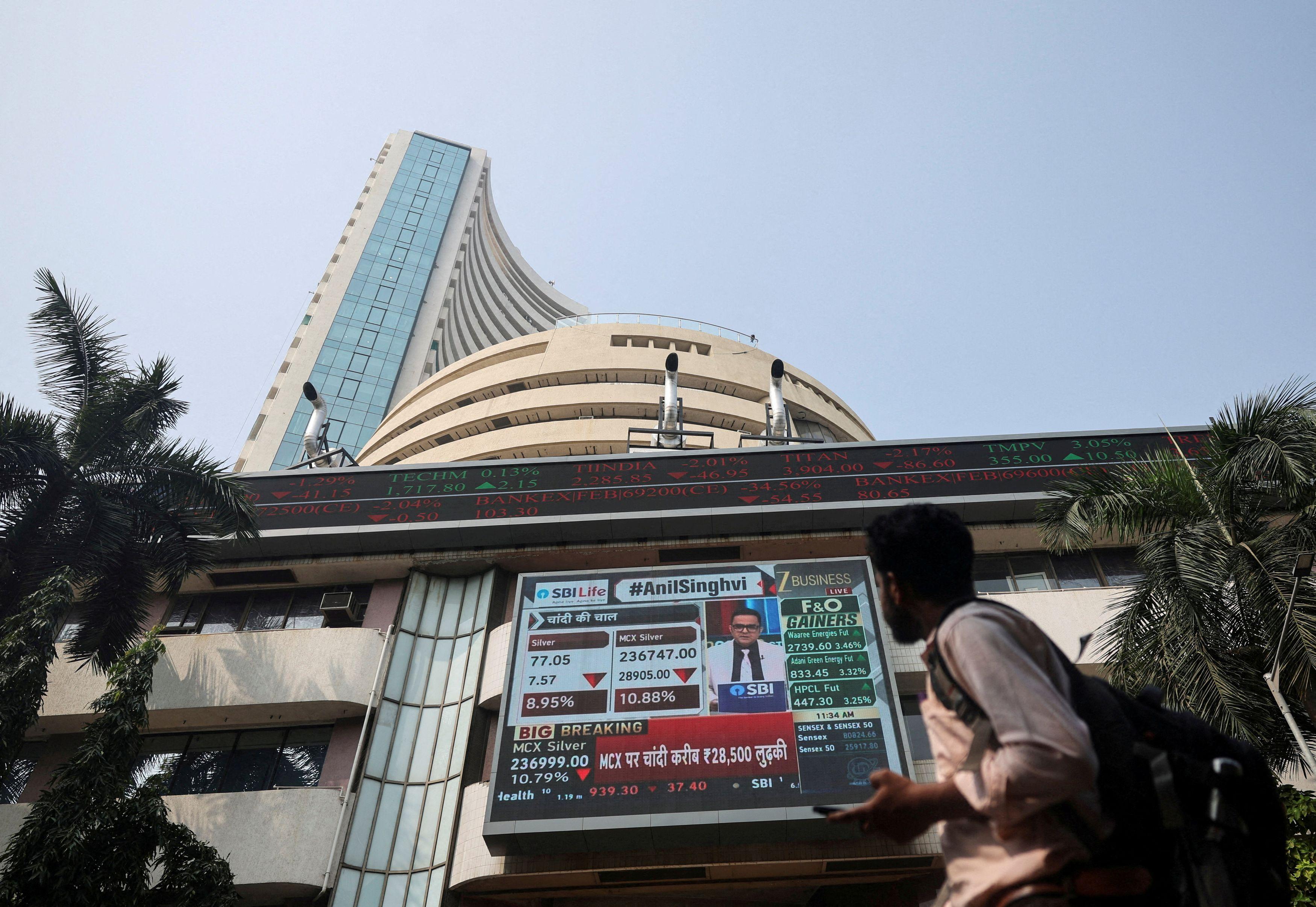
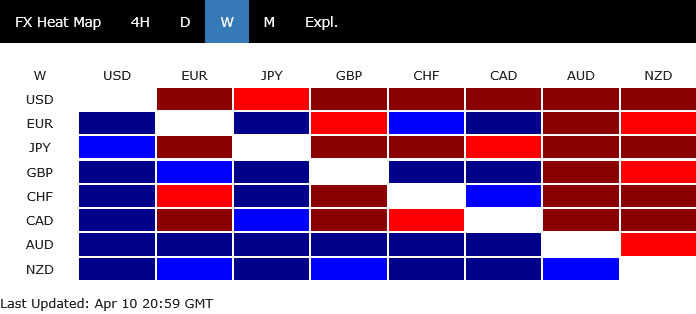
Currency and Logistics Volatility: The geopolitical uncertainty surrounding failed Iran negotiations has triggered significant currency fluctuations and shipping cost pressures. Indian stock markets (BSE Sensex and NSE Nifty) experienced a 5.77-5.88% rally on ceasefire optimism, but analysts expect significant gap-down openings following the negotiation collapse. More critically, foreign investors have withdrawn Rs 48,213 crore ($5.14 billion) from Indian equities this month, creating rupee depreciation pressure that directly impacts Indian sellers exporting to US/EU markets. Rising oil prices above $100 per barrel increase shipping costs by 3-8% depending on route and carrier fuel surcharge policies, with air freight experiencing steeper increases (5-12%) than ocean freight. This affects sellers shipping from China, Vietnam, and India to Western markets, with the Canton Fair (opening April 15) serving as a critical sourcing window before cost increases fully propagate.
Strategic Sourcing Opportunities: The semiconductor price shock creates a 2-4 week window (April 12-May 15) for sellers to secure inventory at current pricing before April 15 increases take effect. Sellers should prioritize: (1) locking in MCU and general-purpose semiconductor pricing with suppliers before April 15; (2) evaluating alternative suppliers in Vietnam and Taiwan who may have different pricing schedules; (3) considering inventory acceleration for high-margin electronics categories (smart home, IoT, wearables) where 10-20% cost increases are most damaging. The Canton Fair opening April 15 provides direct supplier access to negotiate volume commitments at pre-increase pricing. China's Q1 GDP data (April 16) will reveal export growth trends (Huachuang Securities forecasts 4.5% year-on-year), signaling whether Chinese suppliers are maintaining competitive pricing or implementing broader increases. The 70% probability of a Bank of Japan rate hike before April 28 suggests yen appreciation, making Japanese semiconductor suppliers (Infineon, Texas Instruments) more expensive for non-JPY-based sellers.
Questions 8
How much will semiconductor price increases impact my electronics inventory costs?
Semiconductor manufacturers including Infineon, Texas Instruments, and Puya Semiconductor are implementing 10-20% price increases effective April 15, 2026. For sellers with electronics inventory relying on MCU and general-purpose semiconductors, this translates to 2-4 percentage point margin compression depending on current cost structure. A seller with $100K monthly electronics inventory will face $10-20K in additional costs monthly post-April 15. The critical window is April 12-15 to lock in current pricing with suppliers before increases take effect. Sellers should immediately contact suppliers to confirm pricing and secure inventory commitments at pre-increase rates.
What is the timeline for oil price increases affecting shipping costs?
Crude oil prices are expected to rise above $100 per barrel following the collapse of US-Iran peace talks on April 12, 2026. Shipping cost increases typically lag oil price spikes by 1-3 weeks as carriers implement fuel surcharges. Ocean freight costs will increase 3-8% while air freight will rise 5-12% depending on route and carrier policies. Sellers shipping from Asia to US/EU markets should expect shipping cost increases of $0.50-2.00 per unit by late April 2026. Locking in shipping rates before April 20 is recommended to avoid peak surcharge periods.