






Game Pass Call of Duty Removal | $70B Acquisition Strategy Collapse Signals Subscription Model Crisis
- Microsoft reconsidering Day One Game Pass access for Call of Duty; Game Pass Ultimate raised to $30/month; impacts gaming merchandise sellers, digital content resellers, and subscription service arbitrage opportunities




Overview
Microsoft's $70 billion Activision Blizzard acquisition strategy is collapsing, with the company reportedly reconsidering Call of Duty's Day One availability on Game Pass. According to Windows Central editor Jez Corden, Game Pass Ultimate pricing has risen to $30 per month—a significant increase directly attributed to maintaining AAA titles like Call of Duty on the platform. The core problem: offering Call of Duty on Day One subscription access cannibalized direct game sales rather than driving subscriber growth, creating a financial death spiral where reduced revenue undermines content quality and player retention.
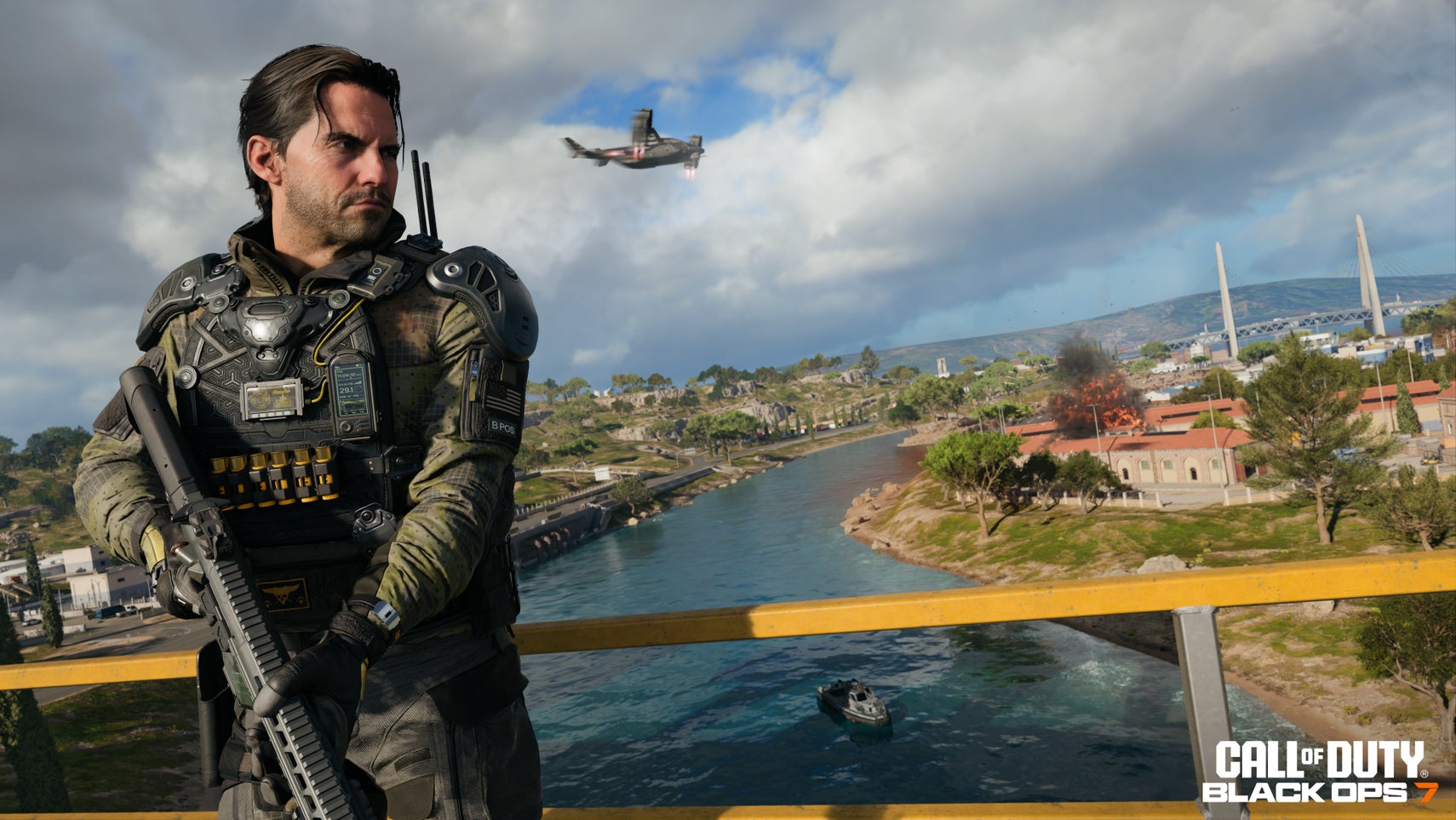
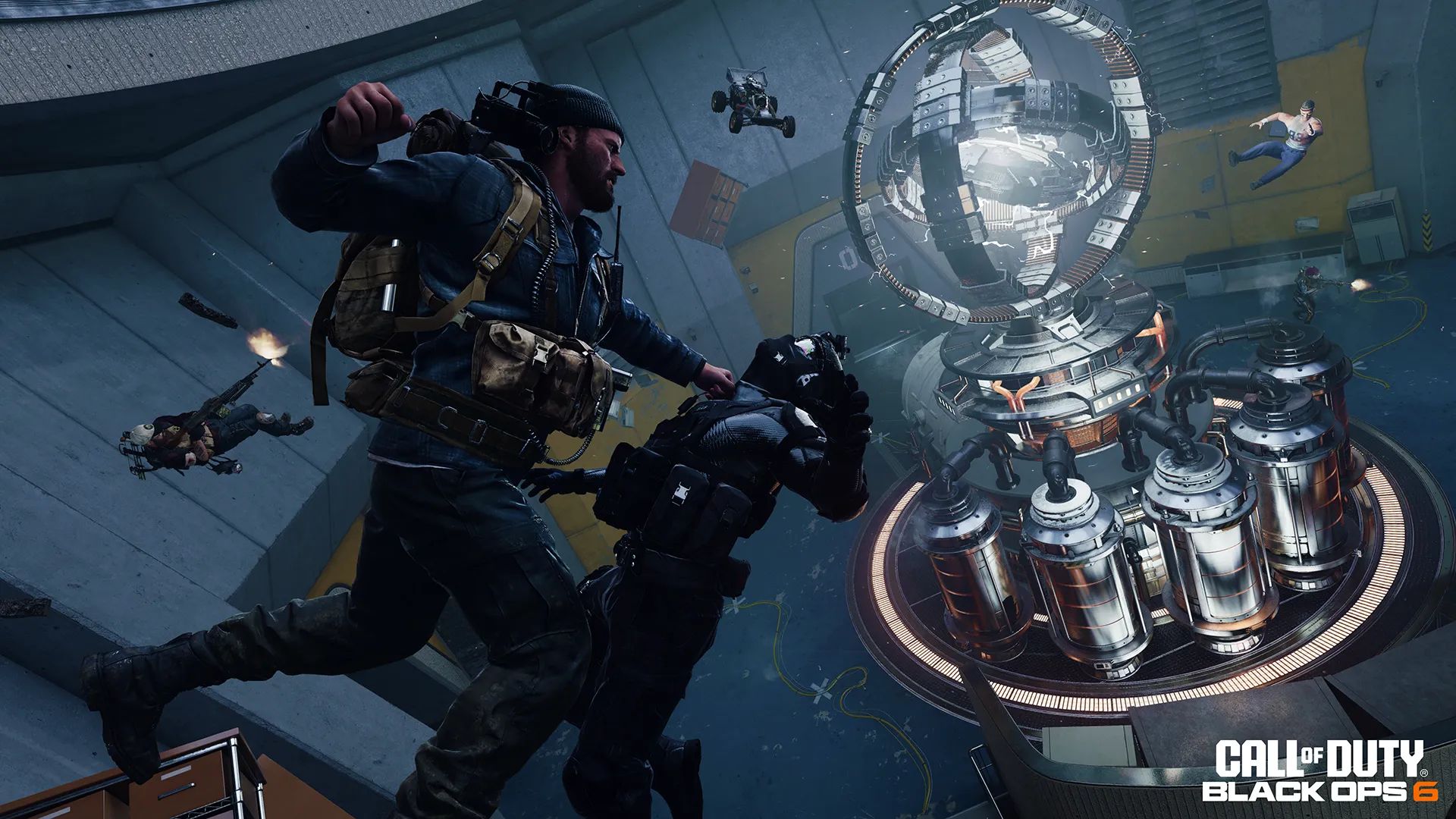
The subscription model's fundamental weakness is now exposed. When players access games through subscription rather than direct purchase, development studios receive insufficient funding for seasonal content, battle pass development, and live-service updates. Black Ops 6 (2025) has been criticized as one of the franchise's weakest entries, reflecting this revenue starvation. Microsoft's new gaming division head Asha Sharma is exploring alternatives: either removing Call of Duty from Day One access entirely, or creating premium subscription tiers that segregate blockbuster games while maintaining lower base-tier pricing. Official confirmation is expected at Xbox's Games Showcase later this year.
For e-commerce sellers, this represents a critical market shift with multiple implications. The subscription model's failure signals that consumers increasingly resist bundled content pricing, preferring à la carte purchases. This creates opportunities in gaming merchandise, collectibles, and digital resale markets where individual game sales will likely increase post-removal. Console gaming peripherals, gaming chairs, headsets, and streaming equipment sellers should anticipate increased demand as players invest in premium gaming experiences outside subscription services. Additionally, the pricing pressure on Game Pass Ultimate ($30/month) demonstrates consumer resistance to subscription inflation—a pattern affecting broader digital commerce and creating arbitrage opportunities for sellers offering alternative access methods.
The reputational damage is already visible. Social media and YouTube comments show consumer frustration, with many viewing potential removal as a betrayal of the value proposition that justified price increases. This consumer backlash pattern mirrors broader subscription fatigue affecting Netflix, Disney+, and other platforms. Sellers in the gaming category should monitor this sentiment shift, as it indicates consumers are reverting to ownership-based purchasing models rather than subscription dependency. The decision will influence how PlayStation Plus, Nintendo Switch Online, and other gaming platforms approach subscription economics, potentially creating a market-wide shift toward premium à la carte pricing rather than all-inclusive bundles.
Questions 8
What opportunities does this strategy reversal create for gaming merchandise and peripheral sellers?
The subscription model's failure signals that consumers increasingly prefer à la carte purchases over bundled content pricing, creating significant opportunities in gaming merchandise, collectibles, and digital resale markets. As direct game sales increase post-removal, demand for gaming peripherals—including gaming chairs, headsets, controllers, and streaming equipment—should rise substantially. Console gaming accessory sellers should anticipate increased consumer investment in premium gaming experiences outside subscription services. Additionally, the broader subscription fatigue pattern affecting Netflix, Disney+, and other platforms indicates consumers are reverting to ownership-based purchasing models, creating arbitrage opportunities for sellers offering alternative access methods and complementary gaming products.
How will this decision impact PlayStation Plus and Nintendo Switch Online strategies?
Microsoft's subscription strategy reversal will significantly influence how competitors approach subscription models and content licensing agreements. PlayStation Plus and Nintendo Switch Online are actively monitoring Microsoft's strategic adjustments, as the Call of Duty situation demonstrates the financial risks of Day One premium content inclusion. The decision signals that subscription services may need to adopt tiered pricing models or limit premium content availability to maintain profitability. This market-wide shift toward premium à la carte pricing rather than all-inclusive bundles will reshape gaming subscription economics across the industry, potentially creating opportunities for sellers offering alternative gaming access methods and premium gaming experiences.