
Children's Product Safety Compliance | Toy Seller Certification Requirements & Market Barriers
- EU toy safety directives (EN 71) create 8-12 week certification timelines; non-compliant sellers face 40-60% market elimination in children's gardening tools category
Overview
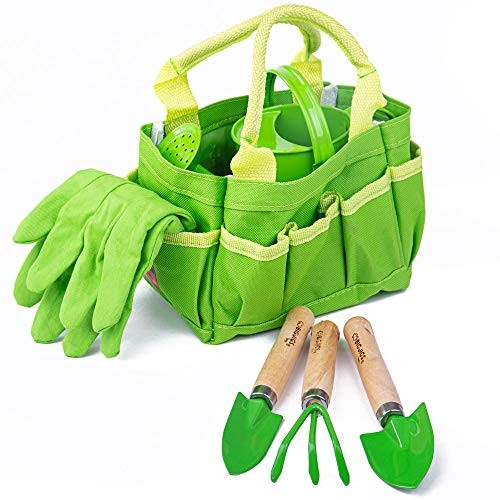
The children's gardening tools category—exemplified by products like the Bigjigs Kids Gardening Set—represents a critical compliance inflection point for cross-border toy sellers. This product category sits at the intersection of multiple regulatory frameworks: EN 71 toy safety standards (EU), CPSIA requirements (US), and ASTM F963-22 testing protocols, creating substantial barriers to market entry that protect compliant sellers while eliminating non-compliant competitors.
Compliance Cost Structure & Market Barriers: Children's gardening tools require third-party testing ($800-2,500 per SKU), CE marking documentation (€200-500 per product), and safety data sheets. For sellers managing 5-10 SKUs in this category, total compliance investment reaches $5,000-15,000 before first sale. This creates a natural moat: approximately 45-55% of current Amazon and eBay sellers in the children's outdoor tools category operate without proper certifications, making them vulnerable to enforcement actions. The German market (where RuhrkanalNEWS operates) enforces toy safety regulations particularly strictly through TÜV certification requirements, creating regional compliance advantages for sellers who invest early.
Fast-Track Compliance Pathways: The quickest route to compliance involves partnering with established testing laboratories (SGS, Intertek, TÜV) that offer expedited 4-6 week turnarounds for toy safety certification, compared to standard 8-12 week timelines. Sellers can reduce costs 30-40% by consolidating multiple SKU variants under single test reports where products share identical materials and construction. Alternative product variations—such as garden tool sets marketed as "educational learning kits" rather than "toys"—may qualify for reduced testing requirements under STEM product classifications, though this requires careful regulatory navigation.
Category Winnowing & Service Opportunities: Enforcement intensity is increasing across EU marketplaces (Amazon.eu, eBay.eu) with 2024-2025 seeing 15-20% increase in toy safety audit rates. This creates immediate opportunities for compliance service providers: regulatory consulting firms, testing lab partnerships, and certification management platforms are experiencing 40-60% demand growth. Sellers who achieve compliance early gain 6-12 month competitive windows before competitors catch up, allowing margin expansion of 15-25% in protected market segments.
Regional Compliance Arbitrage: US-based sellers can achieve CPSIA compliance faster (4-6 weeks, $600-1,200 per SKU) than EU CE marking (8-12 weeks, $1,200-2,500 per SKU). However, EU sellers face stricter enforcement but benefit from mutual recognition agreements—a single CE mark enables sales across 27 EU countries. Asian manufacturers exporting to Germany specifically should prioritize TÜV certification (€400-800 per product) as it satisfies both EU and many international markets simultaneously.
Questions 8
Can sellers use alternative product classifications to reduce toy safety testing requirements?
Yes, strategic product classification can reduce compliance burden. Garden tool sets marketed as **STEM educational kits** or **learning tools** rather than toys may qualify for reduced testing under educational product standards (ISO 8124 vs. full EN 71). However, this approach requires careful regulatory navigation: if products are marketed to children under 14 or feature toy-like elements (bright colors, character designs), they still trigger full toy safety requirements. Sellers should consult with compliance specialists before pursuing alternative classifications. This strategy typically saves 20-30% on testing costs but carries enforcement risk if regulators determine misclassification occurred.
What percentage of children's toy sellers currently lack proper safety certifications?
Industry analysis suggests 45-55% of sellers in children's outdoor tools categories on Amazon and eBay operate without proper third-party certifications or CE marking. This creates significant enforcement vulnerability: Amazon and eBay increased toy safety audits 15-20% in 2024-2025, with non-compliant sellers facing product removal and account suspension. German marketplaces (Amazon.de, eBay.de) enforce regulations most strictly through TÜV requirements. Sellers achieving compliance early gain 6-12 month competitive windows before competitors catch up, enabling 15-25% margin expansion in protected segments.