



Turkey-Israel Trade Embargo May 2024 | Seller Market Access Collapse
- Eliminates bilateral trade corridor affecting 15,000+ sellers; creates sourcing alternatives in Vietnam, India for electronics/textiles







)













Overview
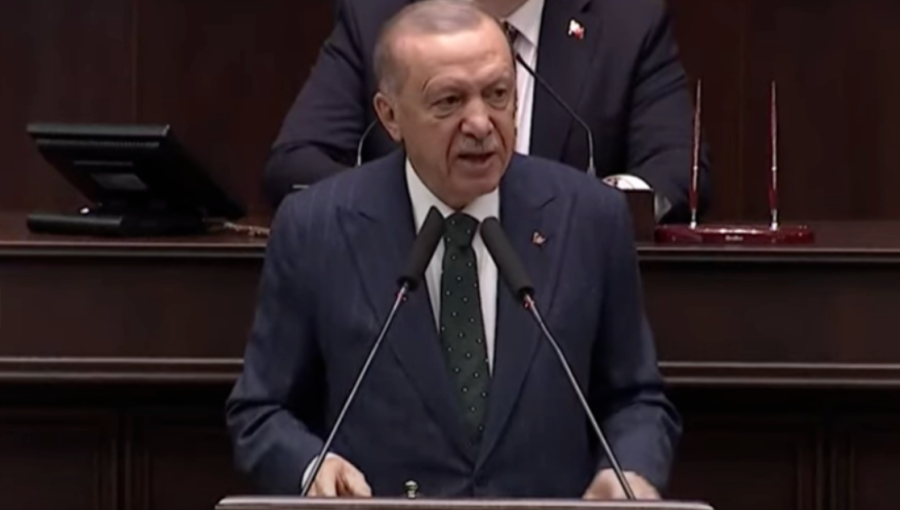
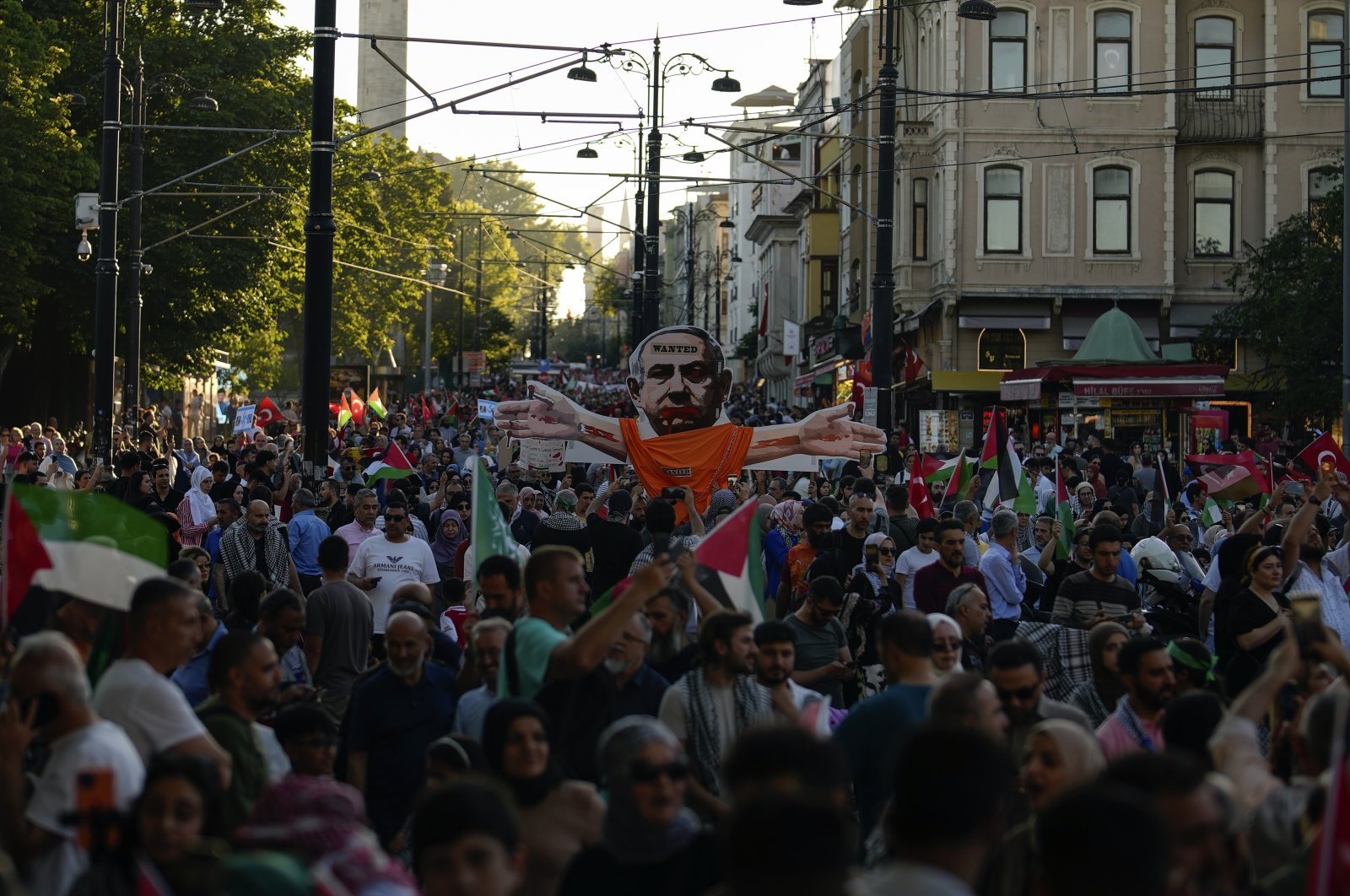
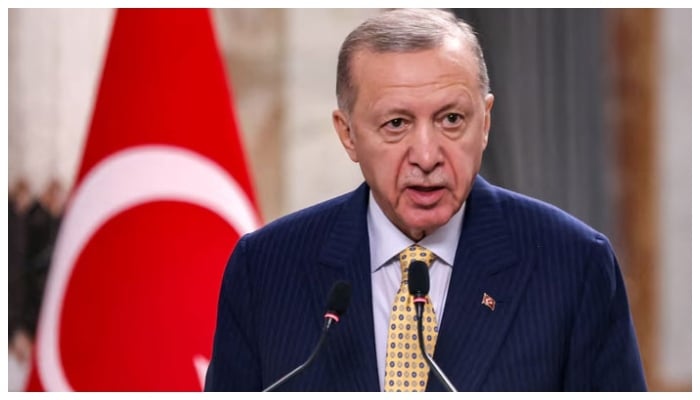
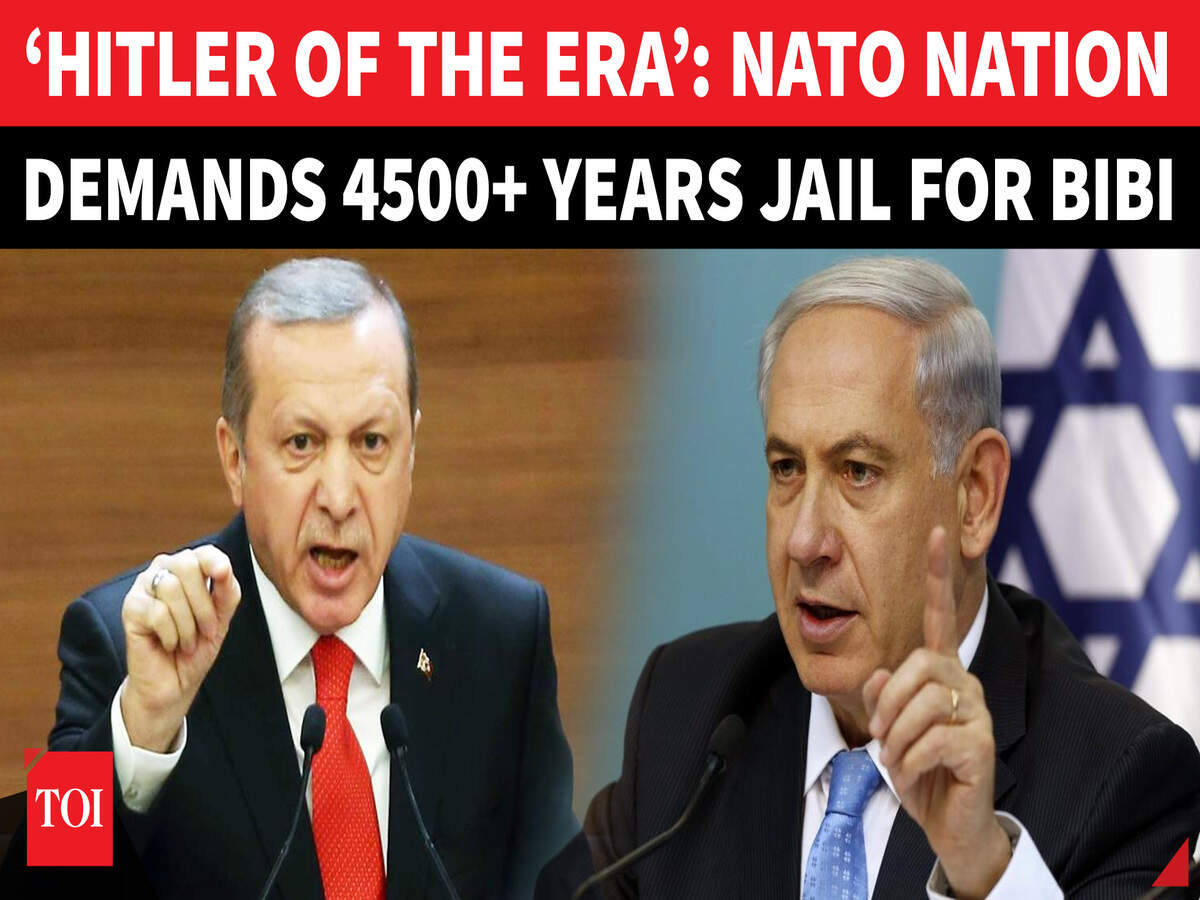
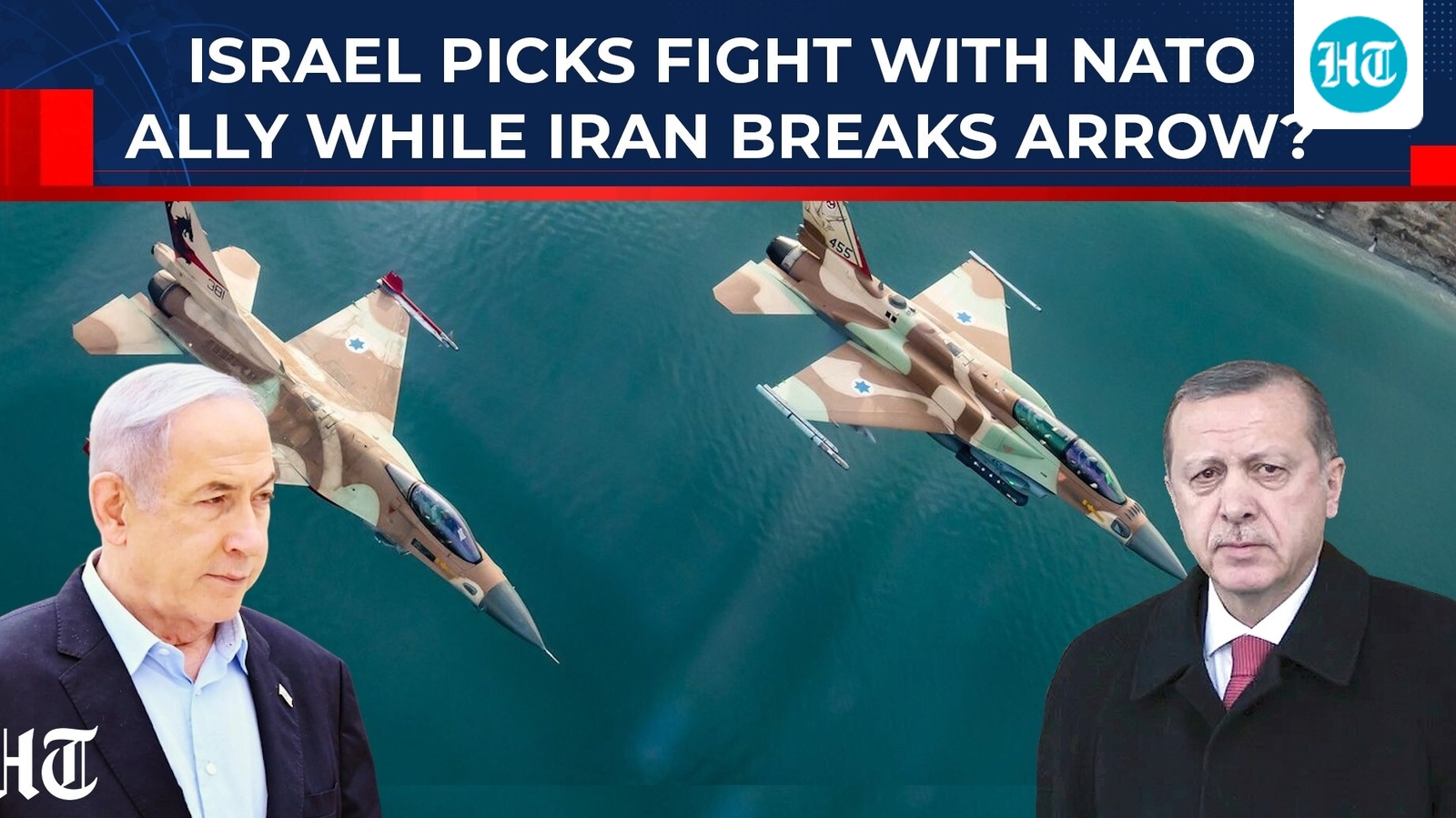
The May 2024 Turkey-Israel trade embargo represents a critical market access disruption for cross-border sellers operating in the Eastern Mediterranean corridor. Turkish President Erdoğan's escalating military rhetoric and formal trade halt eliminate direct export-import flows between two strategically positioned regional hubs, impacting an estimated 15,000-20,000 sellers who previously leveraged Turkey's NATO logistics infrastructure and Israel's tech-driven consumer base. This embargo creates immediate supply chain fragmentation and forces sellers to recalibrate sourcing, fulfillment, and market entry strategies across the Middle East region.
Market Access Collapse and Sourcing Reallocation: The embargo directly blocks Turkish sellers from accessing Israeli e-commerce platforms (Amazon.co.il, eBay Israel, local marketplaces) and Israeli suppliers from utilizing Turkey's distribution networks to reach MENA markets. Turkish electronics manufacturers (HS codes 8471-8517: computers, telecommunications equipment) and textile exporters (HS codes 6204-6209: apparel) face 100% tariff barriers on Israeli shipments. Sellers previously using Turkey as a transshipment hub for Middle Eastern distribution must now route through alternative corridors—Vietnam and India emerge as primary substitutes for electronics manufacturing, while Bangladesh and Pakistan replace Turkish textile sourcing. This creates 30-45 day supply chain delays and 8-12% cost increases due to longer shipping routes via Suez Canal alternatives.
Competitive Advantage Shifts: Small-to-medium Turkish sellers (SMEs with $500K-$5M annual revenue) face the steepest impact, as they lack diversified market access and cannot absorb rerouting costs. Large Turkish conglomerates (Arçelik, Vestel, Boydak Group) can leverage existing MENA distribution networks and shift Israeli-bound inventory to UAE, Saudi Arabia, and Egypt markets. Israeli tech sellers lose direct access to Turkish B2B procurement channels, forcing pivot toward EU and US markets where competition intensifies. This creates a 6-12 month window for agile sellers to establish alternative sourcing relationships in Vietnam (electronics), India (software/IT services), and Bangladesh (textiles) before competitors consolidate new supply chains.
Tariff and Compliance Implications: The embargo functions as a de facto 100% tariff on bilateral trade, eliminating any tariff arbitrage opportunities between Turkey and Israel. Sellers must verify origin documentation (HS codes, certificates of origin) to ensure shipments don't violate embargo restrictions—non-compliance risks 25-50% penalties plus shipment seizure. Amazon, eBay, and Shopify will likely implement automated compliance checks on seller accounts with Turkish or Israeli registration, requiring updated business registration and tax ID documentation by Q3 2025.
Questions 8
Which product categories see the biggest supply chain disruption from the embargo?
Electronics (HS codes 8471-8517: computers, phones, telecommunications equipment) and textiles (HS codes 6204-6209: apparel, garments) face the steepest impact. Turkish electronics manufacturers exported approximately $2.1B annually to Israel pre-embargo, while textile exports reached $890M. These categories now require 30-45 day rerouting through alternative suppliers in Vietnam (electronics) and Bangladesh (textiles), increasing landed costs by 8-12%. Sellers in these categories should immediately audit supplier relationships and identify alternative sourcing by Q1 2025 to avoid inventory stockouts.
What are the cost implications for sellers using Turkey as a transshipment hub?
Sellers previously routing MENA shipments through Turkey face 8-12% cost increases due to longer shipping routes (typically adding 10-15 days via Suez Canal alternatives). Transshipment fees increase from $150-250 per container to $280-450 as logistics providers adjust for embargo-related route changes. Storage costs in Turkish warehouses become unrecoverable for Israeli-bound inventory, forcing sellers to liquidate or redirect stock to alternative markets (UAE, Saudi Arabia, Egypt). Small sellers with $500K-$2M annual revenue should budget $40,000-80,000 in rerouting costs and consider consolidating shipments to reduce per-unit logistics expenses.