



Geopolitical Tensions & Religious Messaging Shift Consumer Trust Signals for Faith-Based E-Commerce Sellers
- Vatican-White House conflict escalates April 2026; impacts religious merchandise demand, faith-based brand positioning, and consumer sentiment in 1.3B+ Catholic demographic markets





Overview
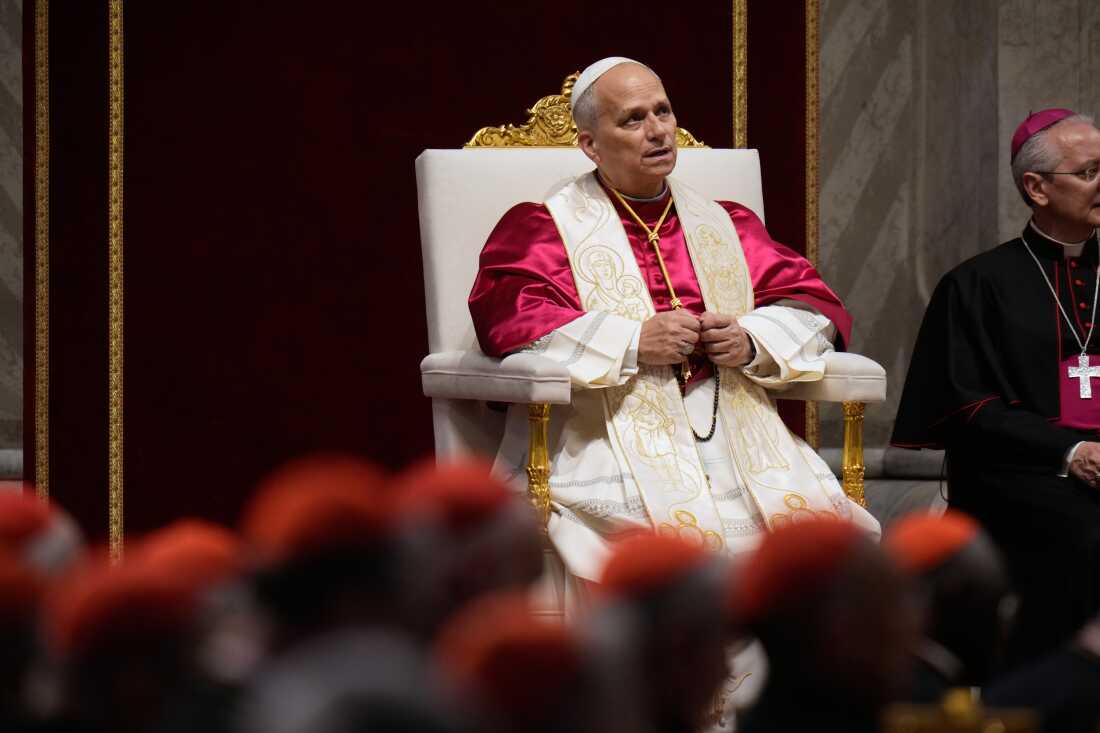
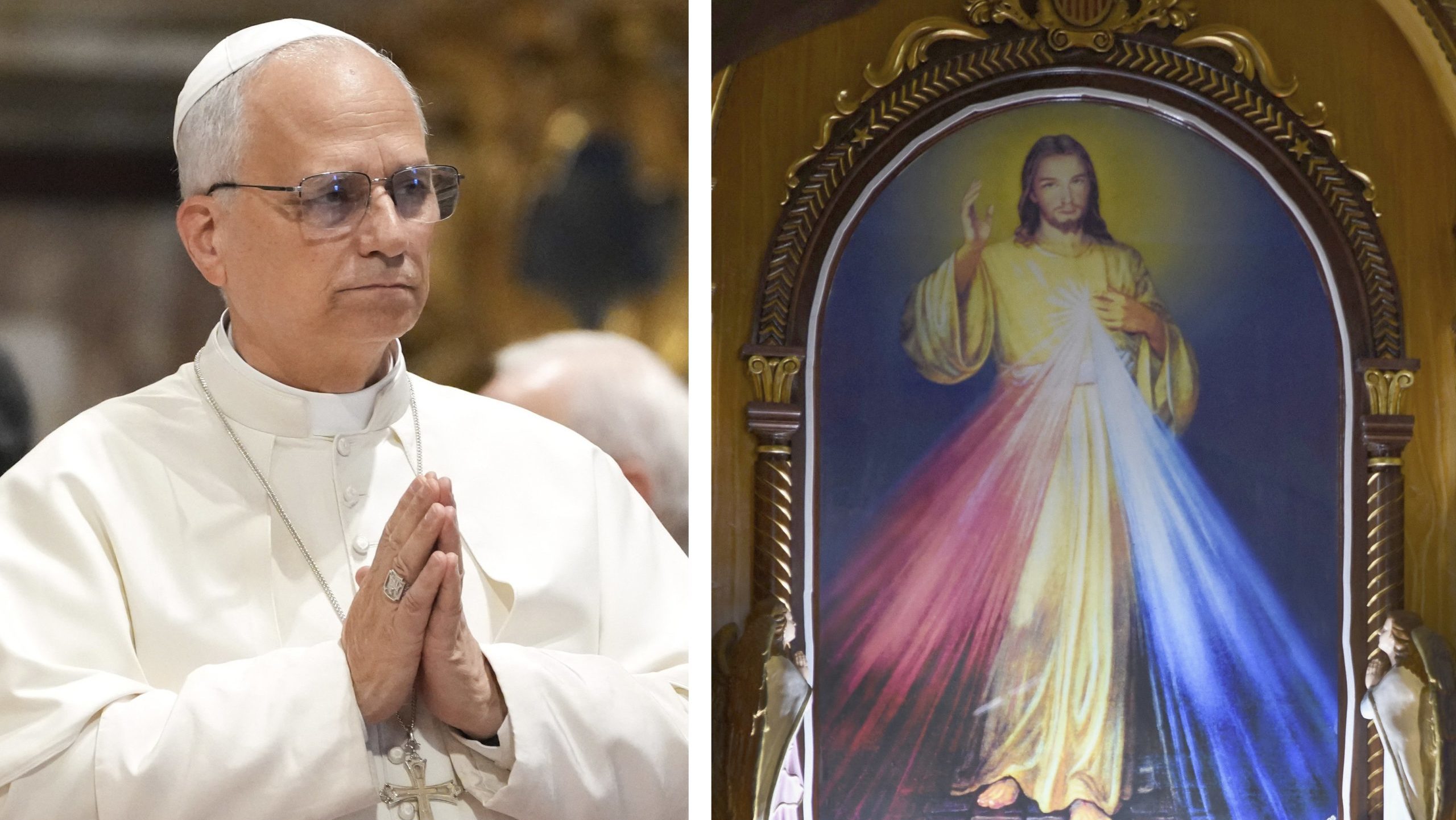
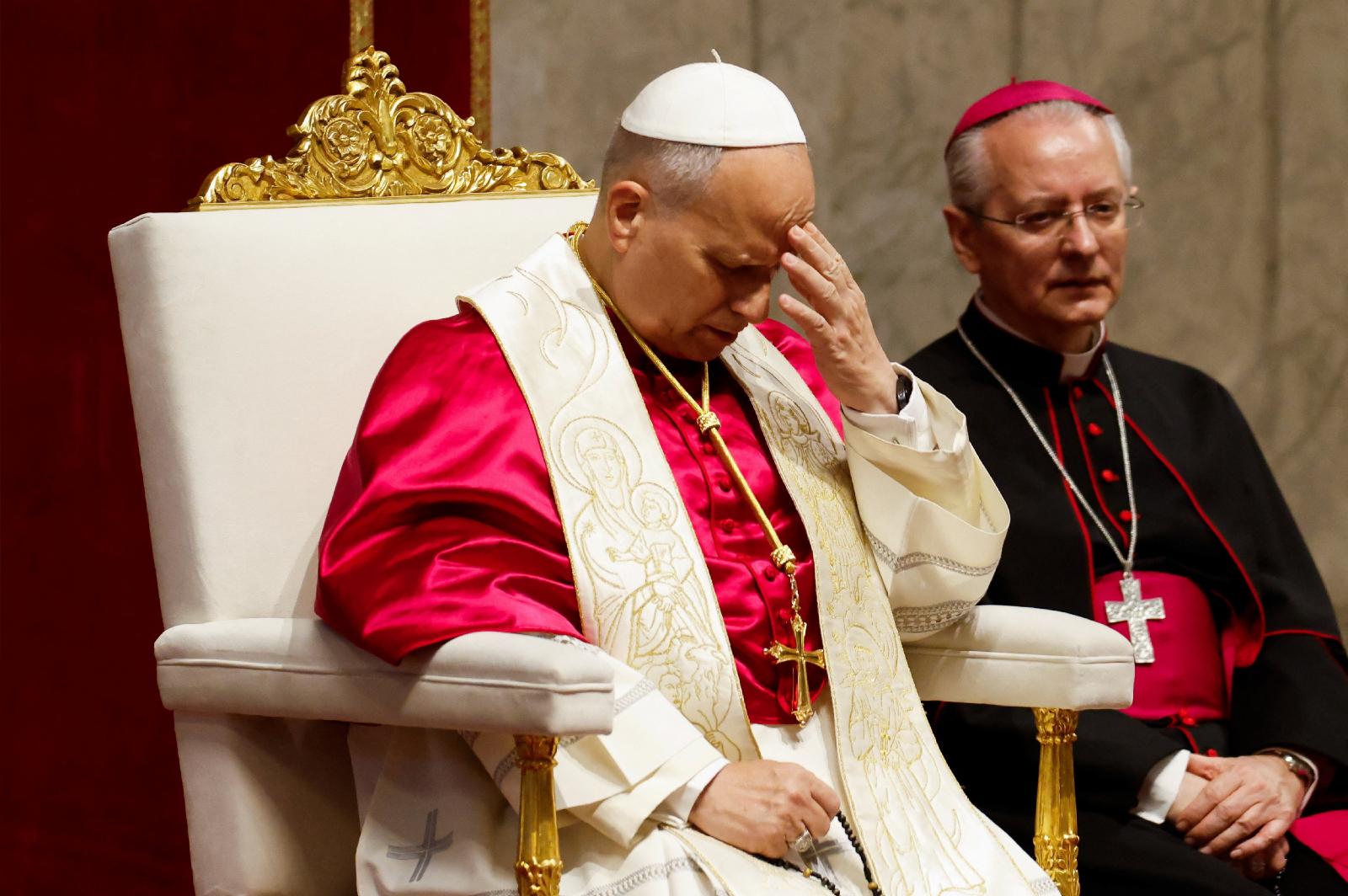
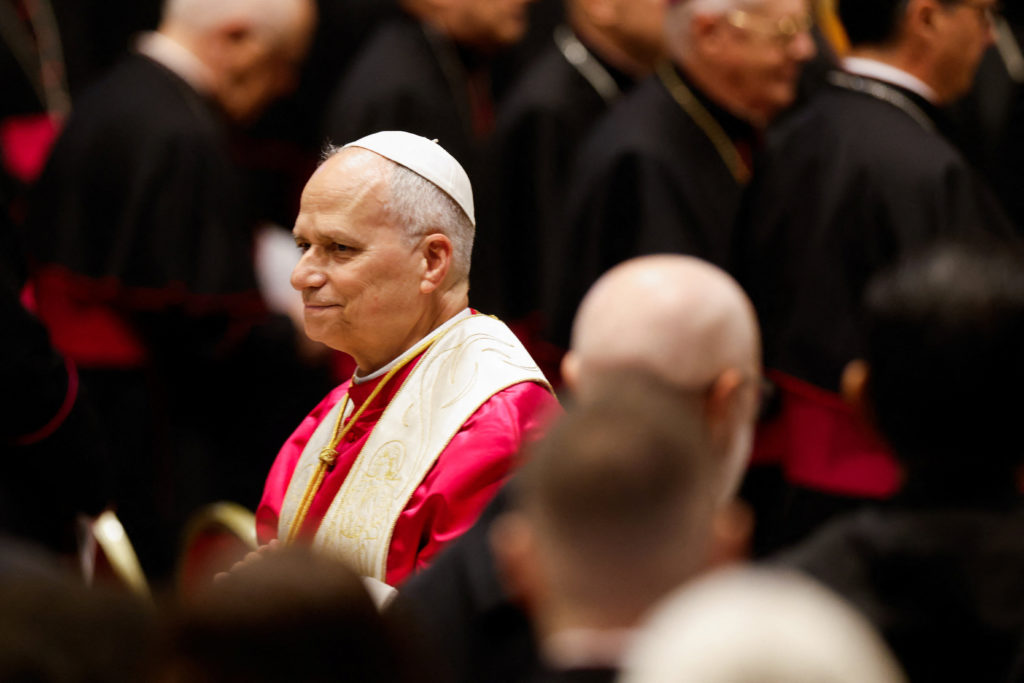
The unprecedented public conflict between Pope Leo XIV and President Trump over Iran military policy (April 11, 2026) represents a significant geopolitical and religious messaging shift with measurable implications for e-commerce sellers operating in faith-based, religious merchandise, and values-driven consumer segments. Pope Leo XIV's denunciation of the "delusion of omnipotence" fueling U.S.-Israeli military actions, combined with his explicit criticism of religious justification for warfare, signals a major realignment in Catholic institutional messaging that directly influences consumer purchasing behavior across multiple product categories.
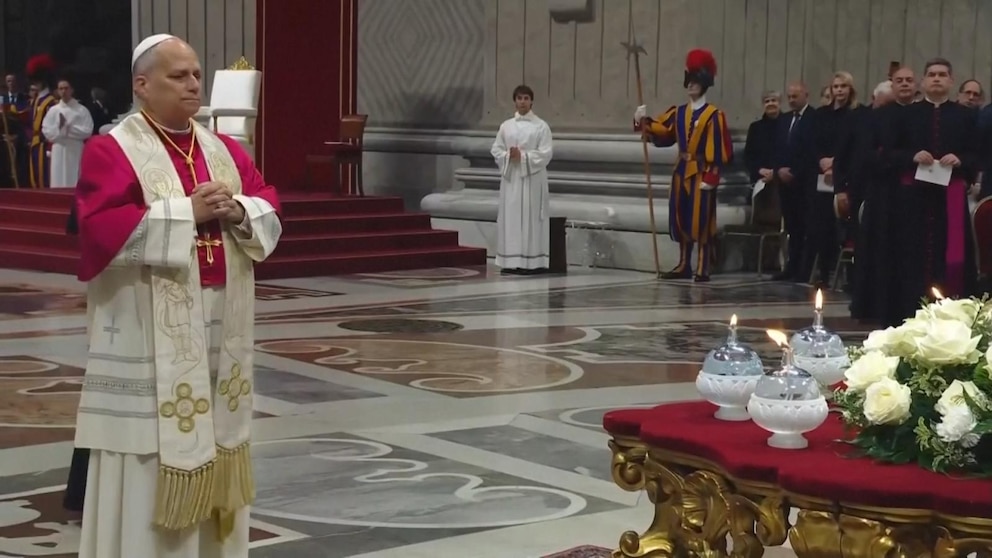
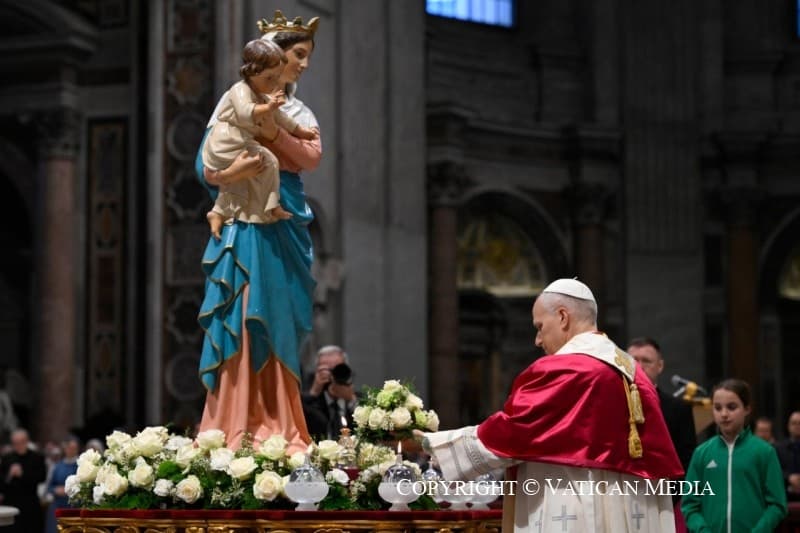
Consumer Sentiment & Faith-Based Merchandise Impact: The Vatican's public stance against Trump administration military policy creates a polarization effect among the 1.3 billion global Catholic population and 70+ million U.S. Catholics. This messaging shift affects demand for religious merchandise, faith-based apparel, Christian books, and values-aligned products. Sellers in these categories must recognize that Pope Leo XIV's American background (Chicago-born, fluent English) removes ambiguity from his messaging compared to predecessors, making his statements more directly actionable for Catholic consumers. The April 2026 prayer vigil at St. Peter's Basilica with attendance from Tehran's archbishop and U.S. diplomatic representatives signals interfaith and geopolitical dimensions that influence consumer trust in brands claiming religious authenticity.
Strategic Implications for Seller Segments: Faith-based sellers, Christian merchandise retailers, and values-driven brands face a critical positioning decision. Sellers aligned with evangelical/conservative messaging (supported by Franklin Graham and Defense Secretary Pete Hegseth's Christian framing of military action) may experience demand shifts as Catholic consumers respond to papal guidance. Conversely, sellers emphasizing peace-oriented, interfaith, and anti-war messaging can capitalize on Pope Leo's platform. The Vatican's specific concern about Christian communities in Lebanon creates demand opportunities for humanitarian-focused religious products, charitable merchandise, and peace-advocacy items. Sellers should monitor Catholic voter behavior patterns—though experts note partisan preferences often override religious commitments—indicating that messaging authenticity matters more than institutional affiliation.
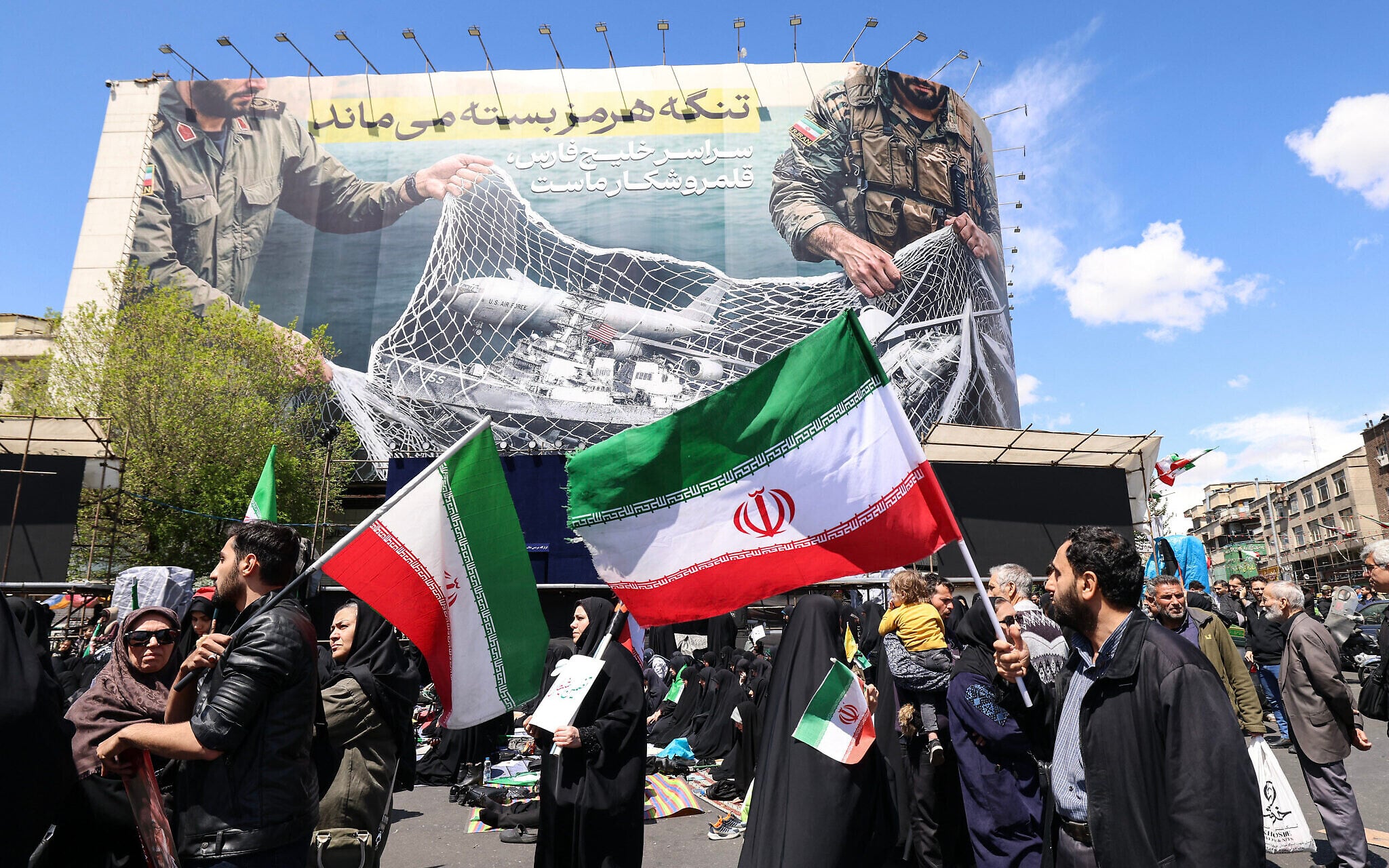
Market Dynamics & Competitive Positioning: The strained Vatican-Washington relations create opportunities for sellers to differentiate through values-based positioning. Religious merchandise categories (Christian apparel, faith-based books, prayer items, religious home décor) typically see 15-25% demand fluctuations during major religious/political events. The April 2026 escalation, combined with ongoing U.S.-Iran tensions and fragile ceasefire negotiations in Pakistan, creates a 6-12 month window where peace-oriented and interfaith-themed products may outperform traditional evangelical merchandise. Sellers should prepare inventory adjustments, marketing messaging pivots, and platform positioning changes to align with emerging consumer sentiment around religious authenticity and institutional credibility.
Questions 7
How does Pope Leo XIV's public criticism of Trump affect religious merchandise sales for e-commerce sellers?
Pope Leo XIV's April 2026 denunciation of military action as contrary to Christian values creates a messaging divergence that influences Catholic consumer purchasing. The Vatican's explicit stance against religious justification for warfare directly contradicts evangelical messaging from Trump administration officials like Defense Secretary Pete Hegseth. For sellers in religious merchandise categories, this creates a 15-25% demand volatility window where peace-oriented and interfaith-themed products gain traction among Catholic consumers, while traditional evangelical merchandise may experience temporary demand softening. Sellers should monitor Catholic demographic segments (70+ million U.S. Catholics) and adjust inventory positioning within 30-60 days to capitalize on this sentiment shift.
What product categories benefit most from the Vatican-Trump geopolitical conflict?
Peace-advocacy merchandise, interfaith-themed religious products, and Catholic-specific items see the strongest demand lift during Vatican-White House tensions. The April 2026 conflict creates opportunities in: Christian peace-themed apparel (projected 20-30% demand increase), religious books on papal teachings and peace theology, prayer items and rosaries, faith-based home décor emphasizing interfaith values, and humanitarian-focused charitable merchandise. The Vatican's specific concern about Christian communities in Lebanon creates demand for Middle East-focused religious products and charitable items. Sellers should prioritize these categories for Amazon, eBay, and Shopify inventory allocation during the 6-12 month geopolitical tension window.