




Hungary's Political Shift Unlocks €18B EU Funds | Consumer Spending Recovery Opportunity for Cross-Border Sellers
- Péter Magyar's landslide victory (138/199 seats) signals EU policy alignment, potentially releasing frozen EU funds worth 10% of Hungary's GDP and boosting regional consumer purchasing power for e-commerce sellers

































Overview
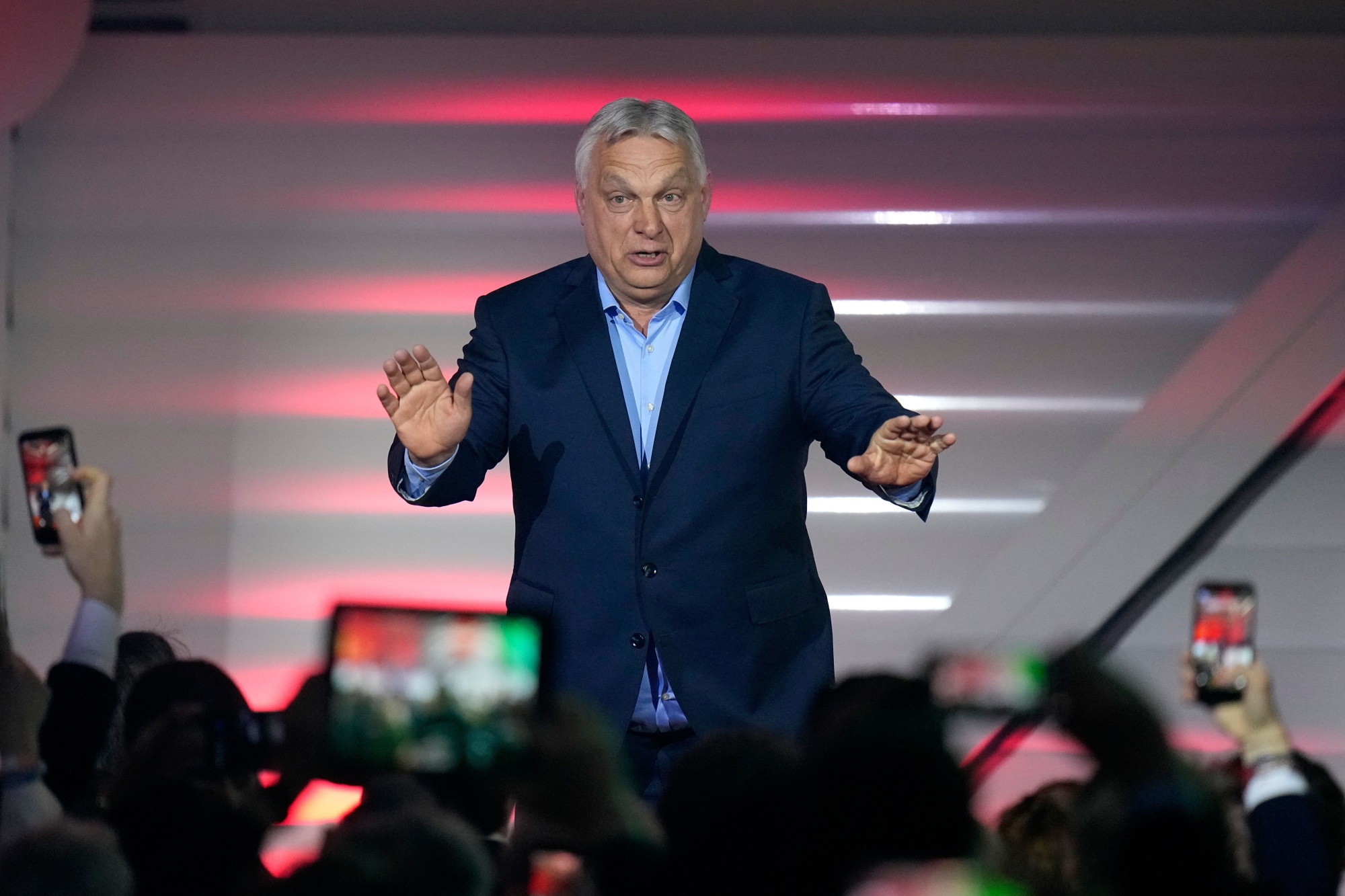
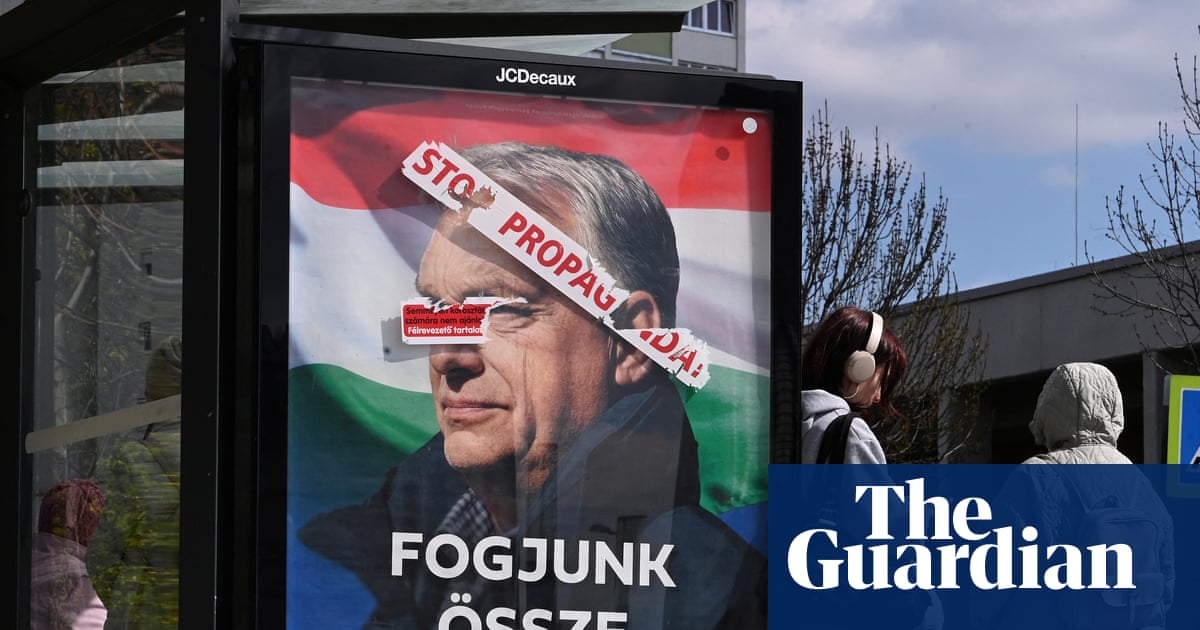
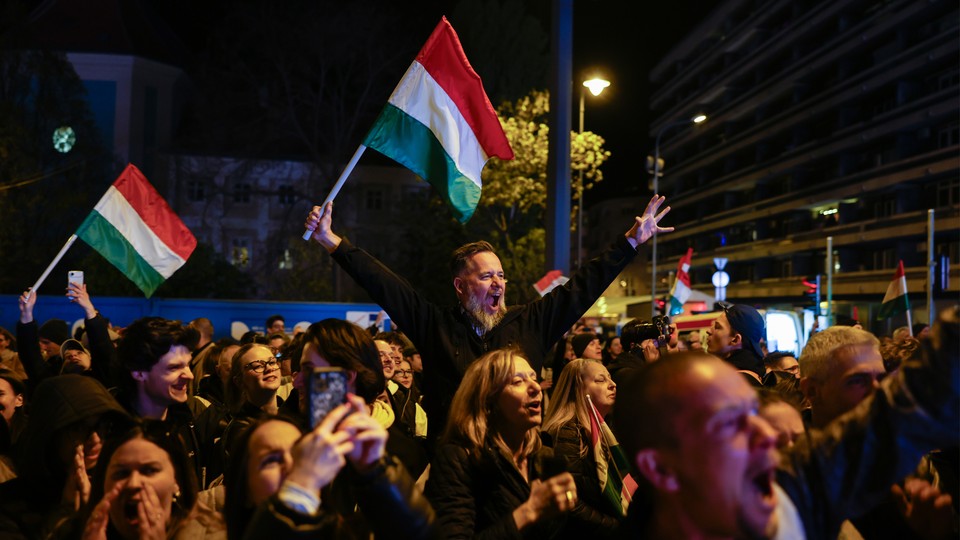
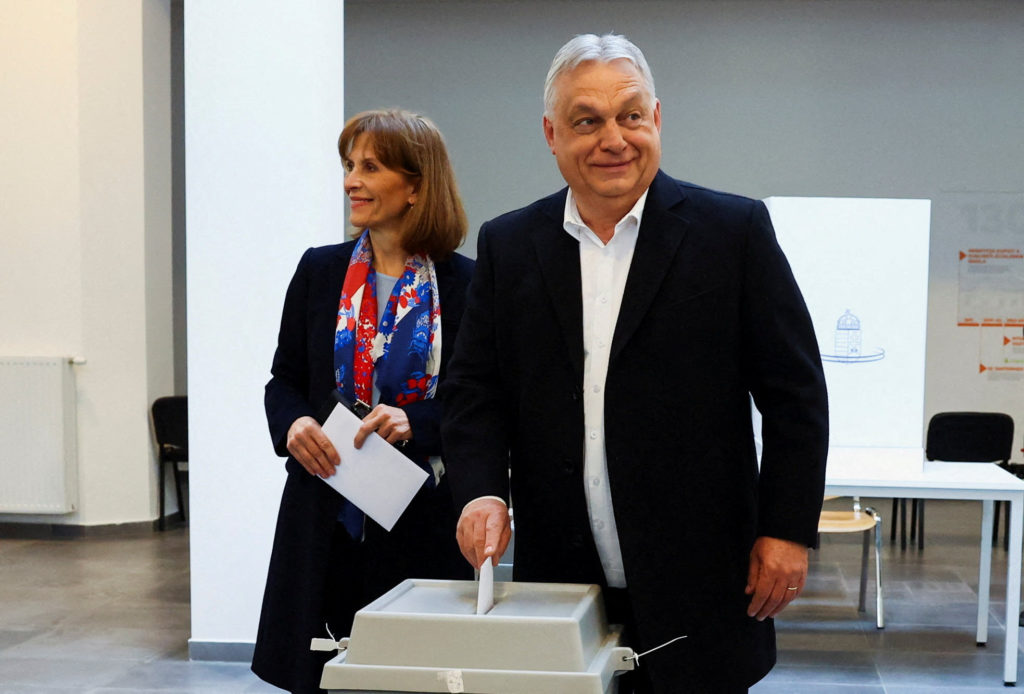
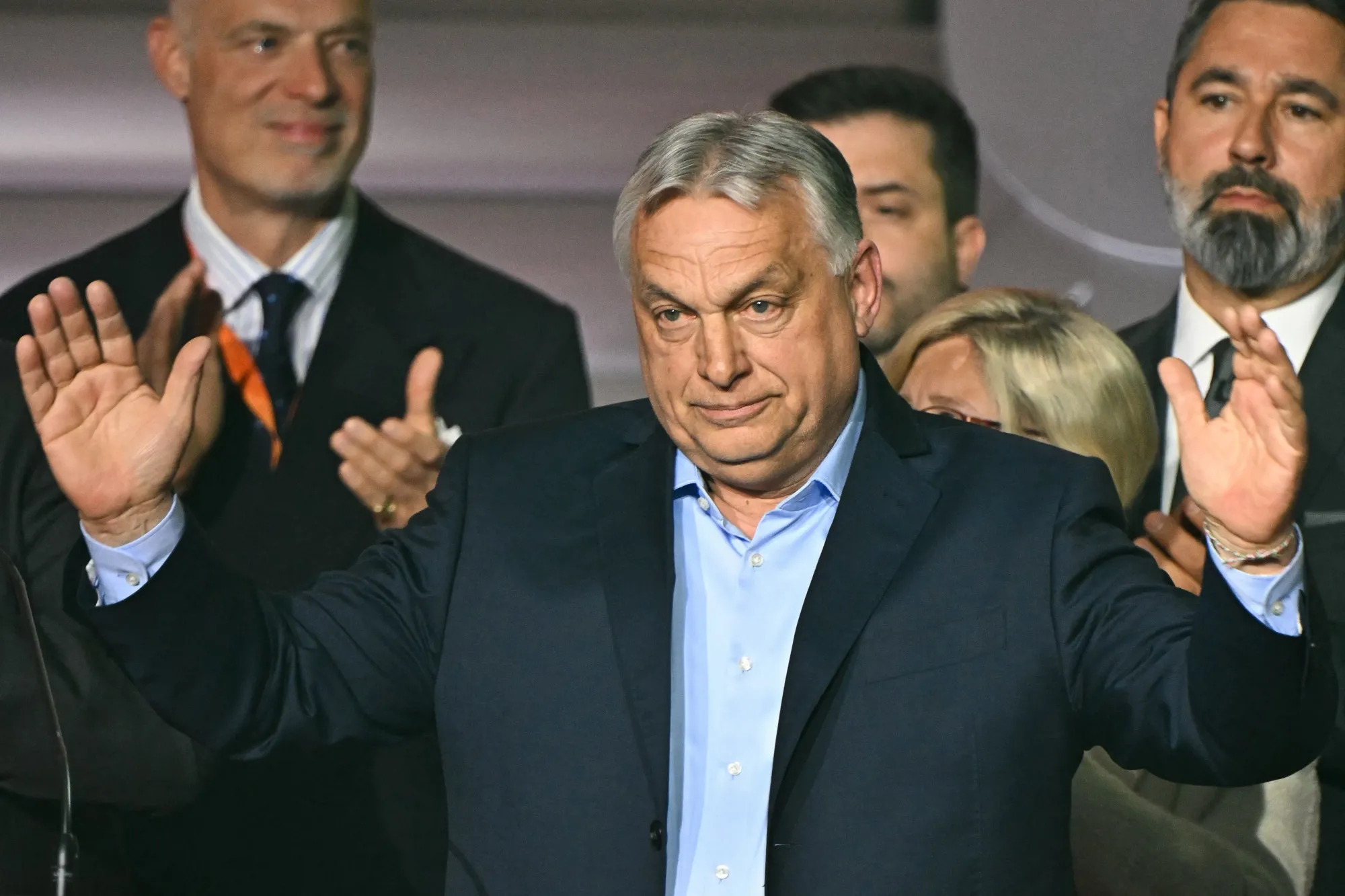
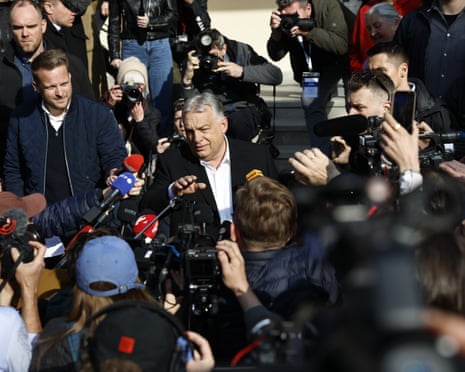
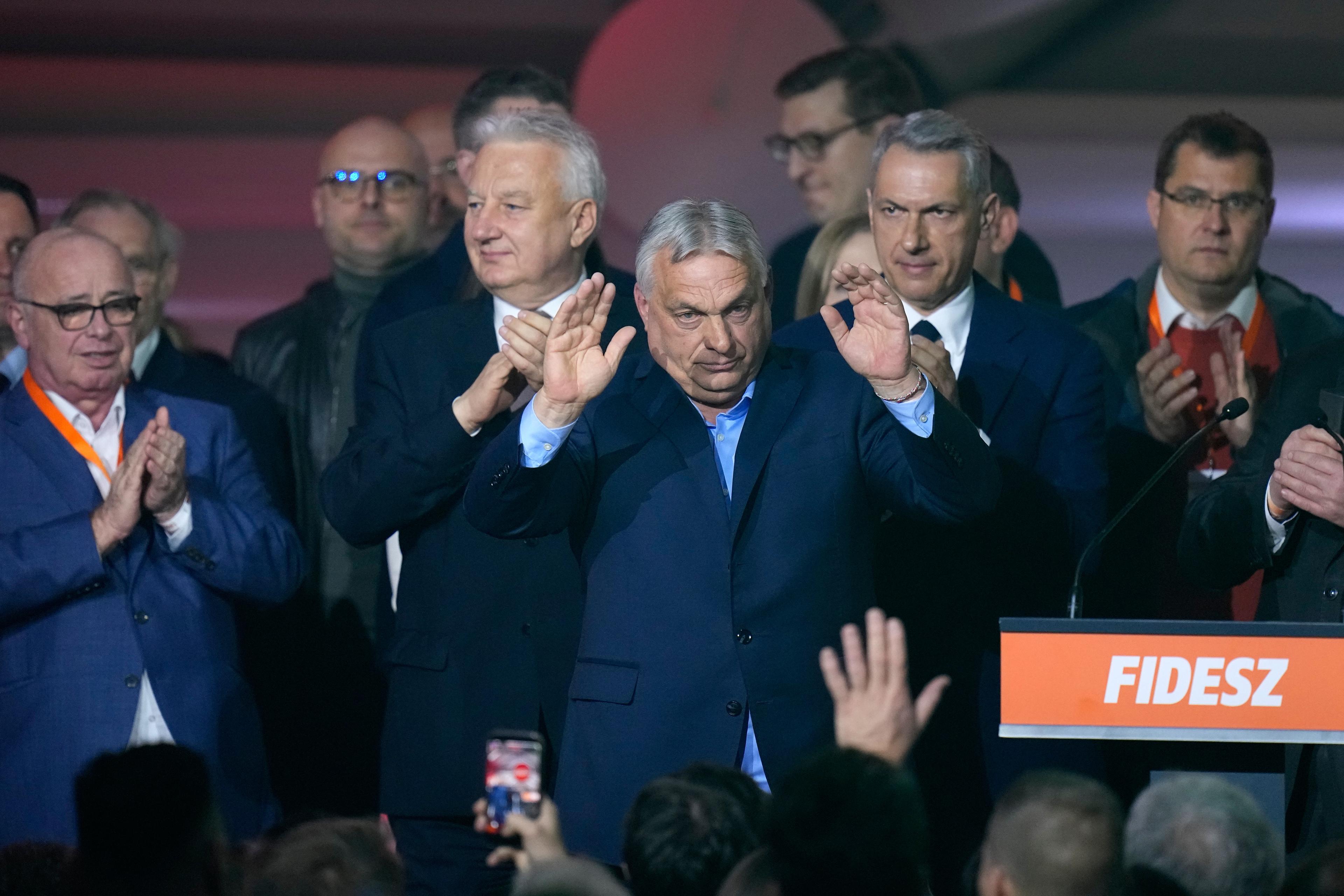
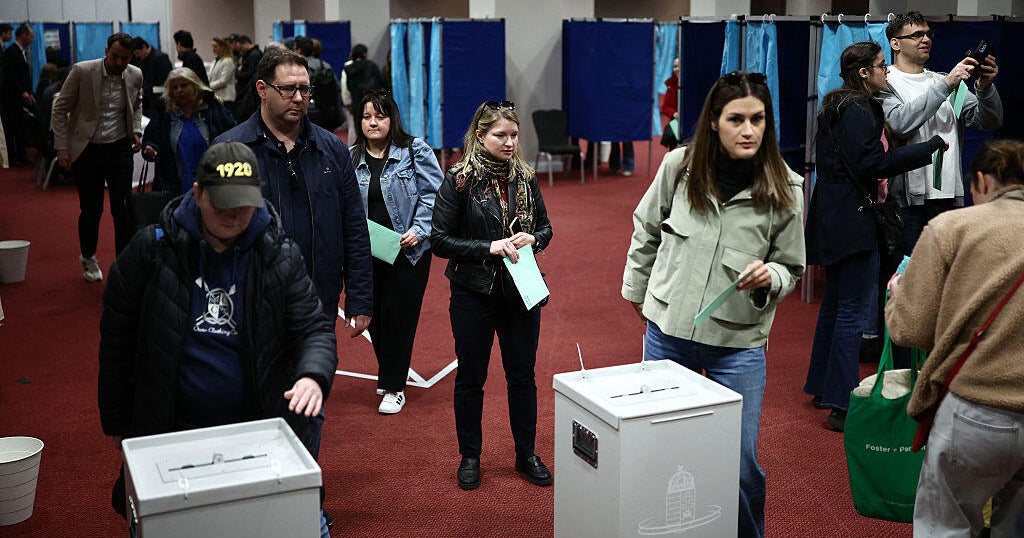
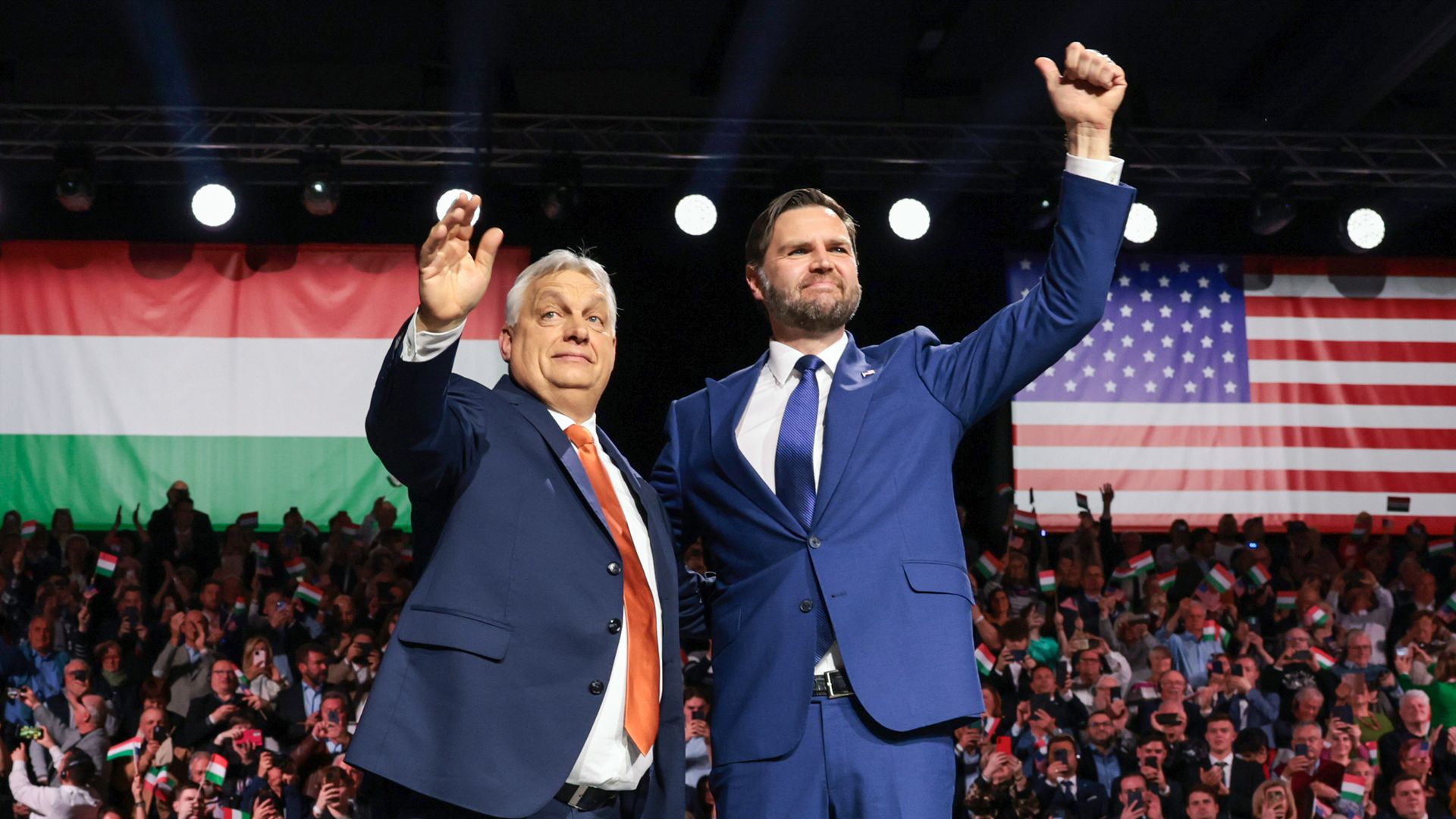
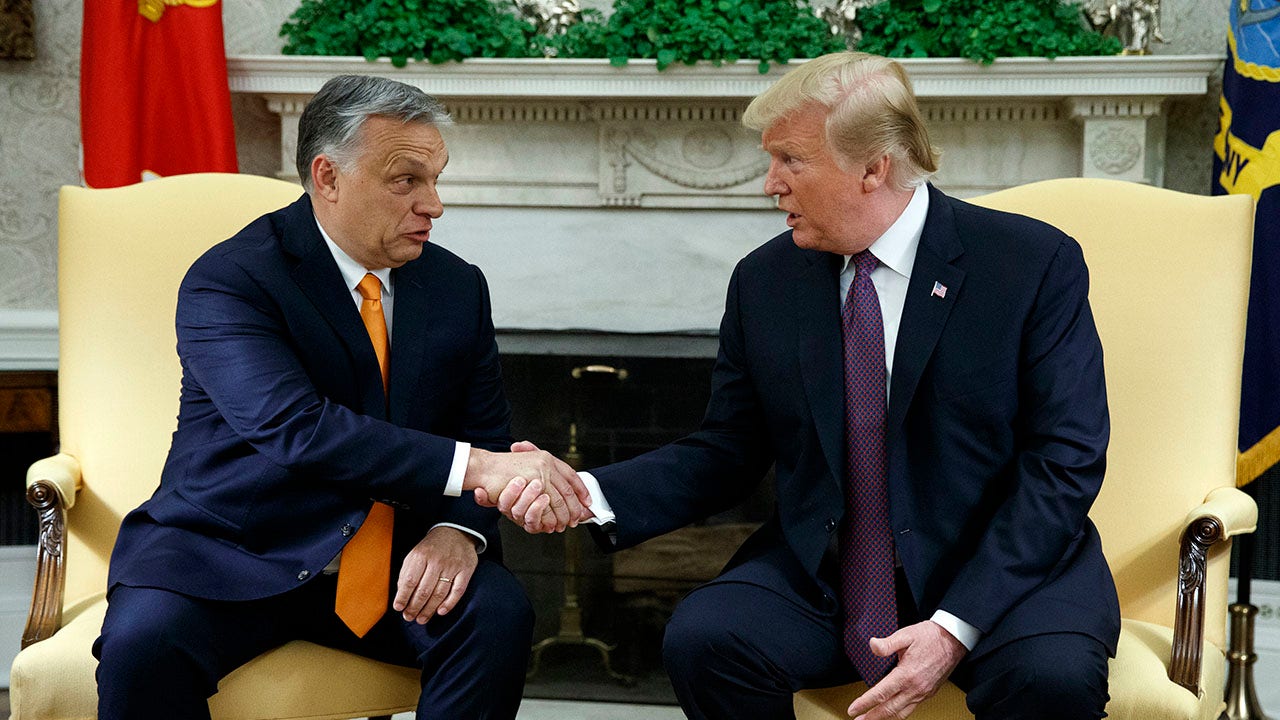
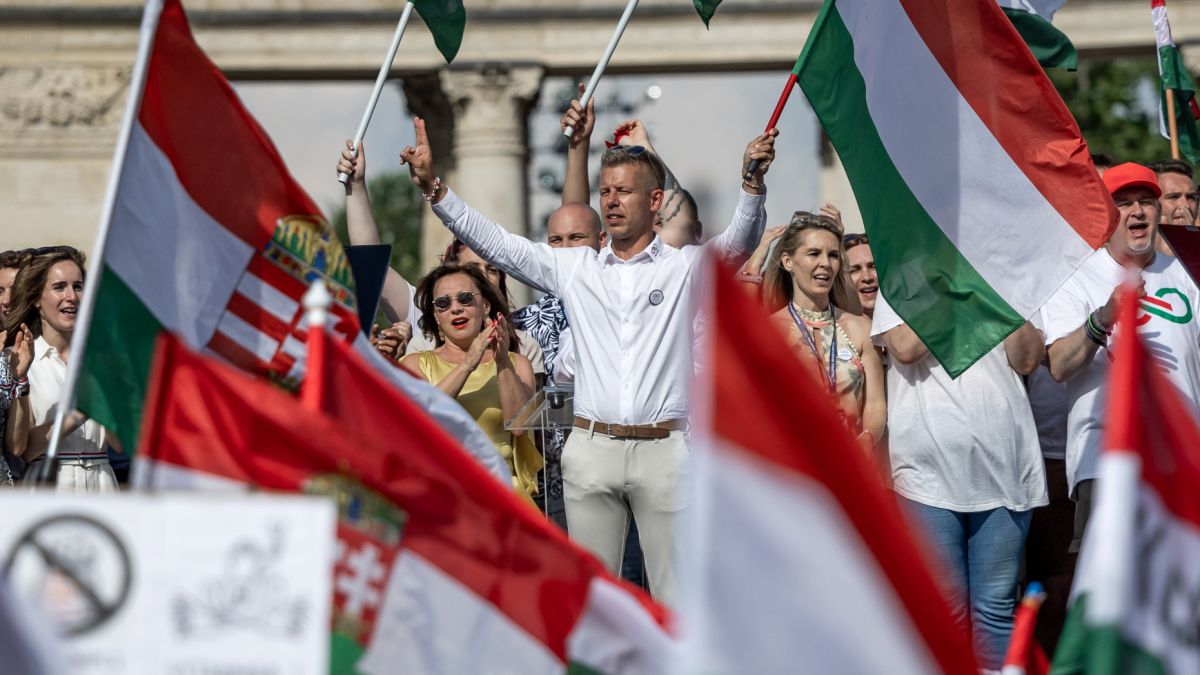
Hungary's parliamentary election on October 2024 marked a historic political realignment with opposition leader Péter Magyar's Tisza party securing 138 of 199 parliamentary seats (72.44% of votes counted), achieving the critical two-thirds supermajority required for independent governance. Prime Minister Viktor Orbán's 16-year rule ended with his concession of defeat, while his Fidesz party captured only 54 seats and Mi Hazank secured 7 seats. Record-high voter turnout reflected significant public demand for political change, with international leaders including European Commission President Ursula von der Leyen, French President Emmanuel Macron, and German Chancellor Friedrich Merz immediately congratulating Magyar and signaling strong EU support for Hungary's return to European values and democratic governance standards.
For cross-border e-commerce sellers, this political transition carries substantial indirect but meaningful implications. The European Commission currently withholds approximately €18-21 billion in EU funds from Hungary (roughly 10% of national GDP) due to democratic backsliding concerns under Orbán's governance. Magyar's victory and stated commitment to EU alignment suggest potential unlocking of these frozen funds, which would significantly improve Hungary's economic conditions and consumer purchasing power. This represents a critical market opportunity for sellers targeting Central European consumers, as increased disposable income typically translates to higher e-commerce spending, particularly in consumer electronics, fashion, home goods, and lifestyle categories where cross-border sellers maintain competitive advantages.
Market dynamics and consumer behavior implications are substantial. Hungary's e-commerce market, currently valued at approximately €4-5 billion annually, has been constrained by economic uncertainty and reduced consumer confidence under Orbán's nationalist policies. The political shift toward EU integration signals potential economic stabilization, improved business environment conditions, and increased consumer confidence—all key drivers of online spending. Sellers specializing in European-market distribution should monitor Magyar's government for announcements regarding VAT harmonization, digital taxation policies, and customs procedures, as the new administration's pro-EU stance suggests alignment with broader European regulatory frameworks rather than nationalist protectionism.
Operational considerations for sellers include timing and market positioning. The transition period (typically 2-4 months for new government formation and policy implementation) creates uncertainty, but historical patterns from similar Central European political transitions suggest consumer spending often increases 15-25% within 6-12 months following pro-EU policy shifts as confidence returns. Sellers should consider increasing inventory allocation to Hungarian and broader Central European markets, particularly in categories showing strong growth in comparable EU markets (Poland, Czech Republic, Slovakia). Additionally, the new government's anti-corruption focus and emphasis on domestic economic recovery may create opportunities for sellers offering value-oriented products and transparent business practices that align with consumer preferences for accountability and quality.
Questions 8
How does Hungary's political change affect cross-border sellers shipping to Central Europe?
Péter Magyar's landslide victory (138/199 seats) signals Hungary's shift toward EU alignment, potentially unlocking €18-21 billion in frozen EU funds representing 10% of Hungary's GDP. This economic stimulus typically increases consumer purchasing power by 15-25% within 6-12 months, directly benefiting cross-border sellers in electronics, fashion, and home goods categories. Sellers should expect improved payment processing reliability, reduced currency volatility, and stronger consumer confidence in online purchases as the new government implements pro-EU economic policies. Monitor the government's announcements regarding VAT harmonization and customs procedures, as Magyar's administration is likely to align with EU regulatory standards rather than nationalist protectionism, creating more predictable operating conditions for international sellers.
What regulatory changes should sellers monitor from the new Hungarian government?
Monitor the Magyar government's announcements regarding: (1) VAT compliance procedures and potential alignment with EU digital taxation standards; (2) Customs procedures and potential harmonization with EU frameworks; (3) Data protection and GDPR implementation (Orbán's government had weak enforcement); (4) Payment processing regulations and potential adoption of EU-wide standards; (5) E-commerce platform regulations and consumer protection standards. The new government's anti-corruption focus and pro-EU stance suggest regulatory changes will emphasize transparency, consumer protection, and EU alignment rather than nationalist protectionism. Expect formal announcements within 3-6 months of government formation. Subscribe to European Commission updates and Hungarian government press releases to track policy changes affecting cross-border sellers.