


Strait of Hormuz Blockade Triggers 7-10% Shipping Cost Surge for Cross-Border Sellers
- Oil prices jump to $103.40/barrel, threatening Q2 margins for 50K+ sellers reliant on air freight and Asian sourcing









































)








Overview
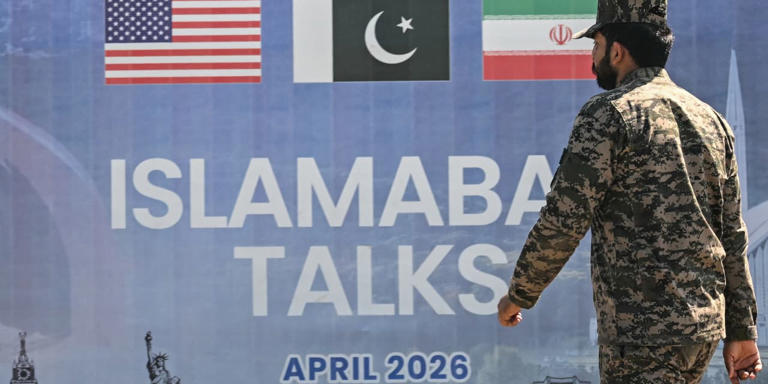
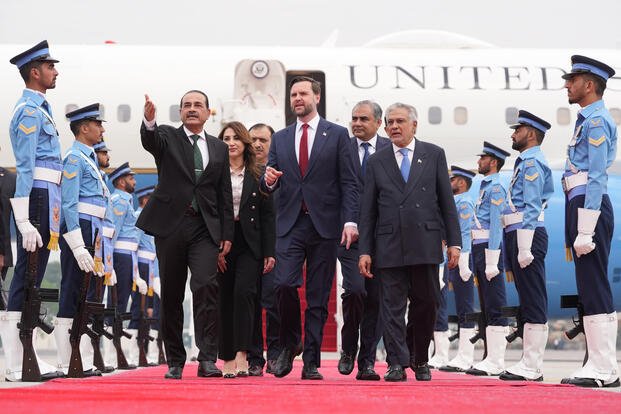
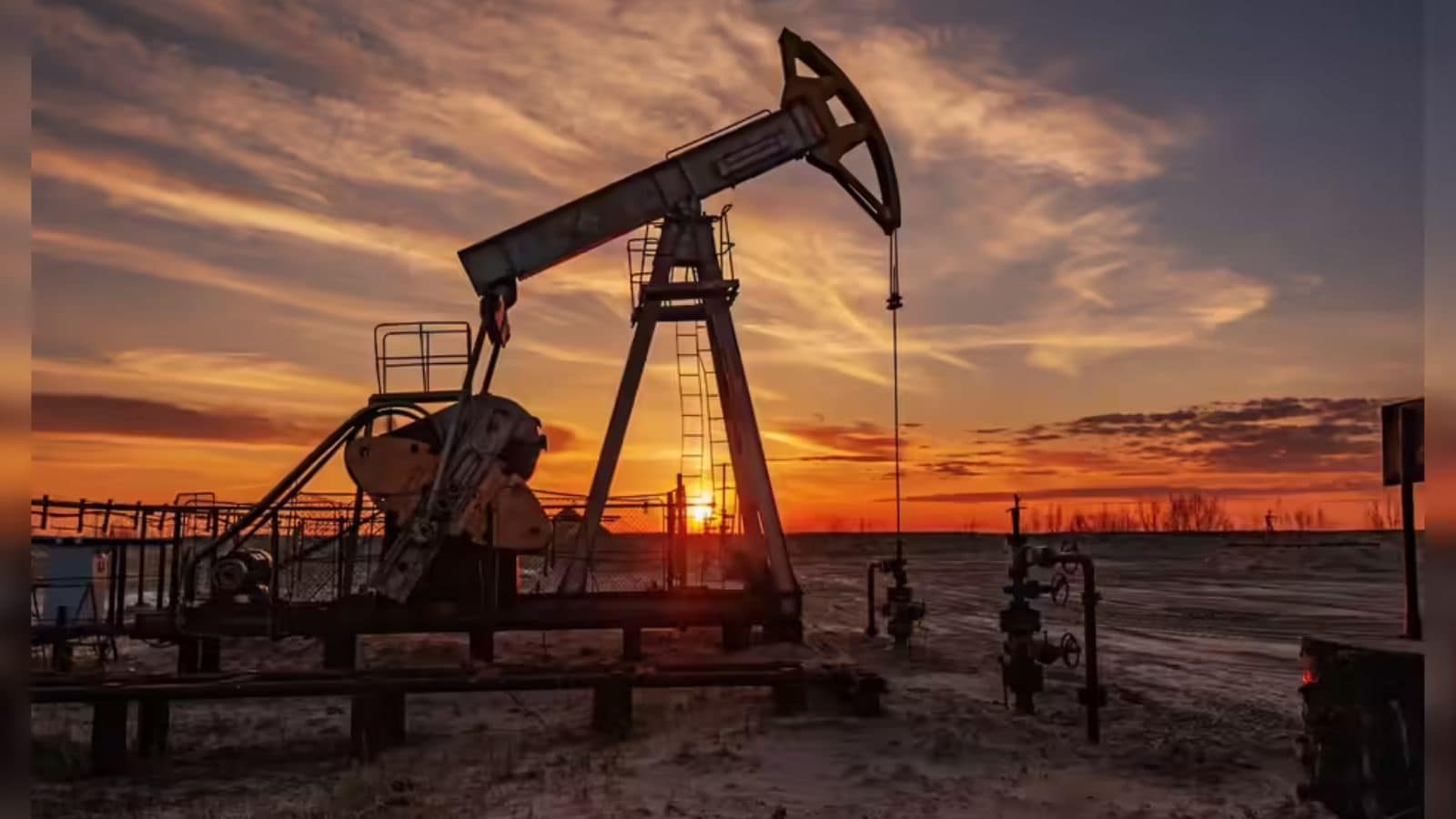
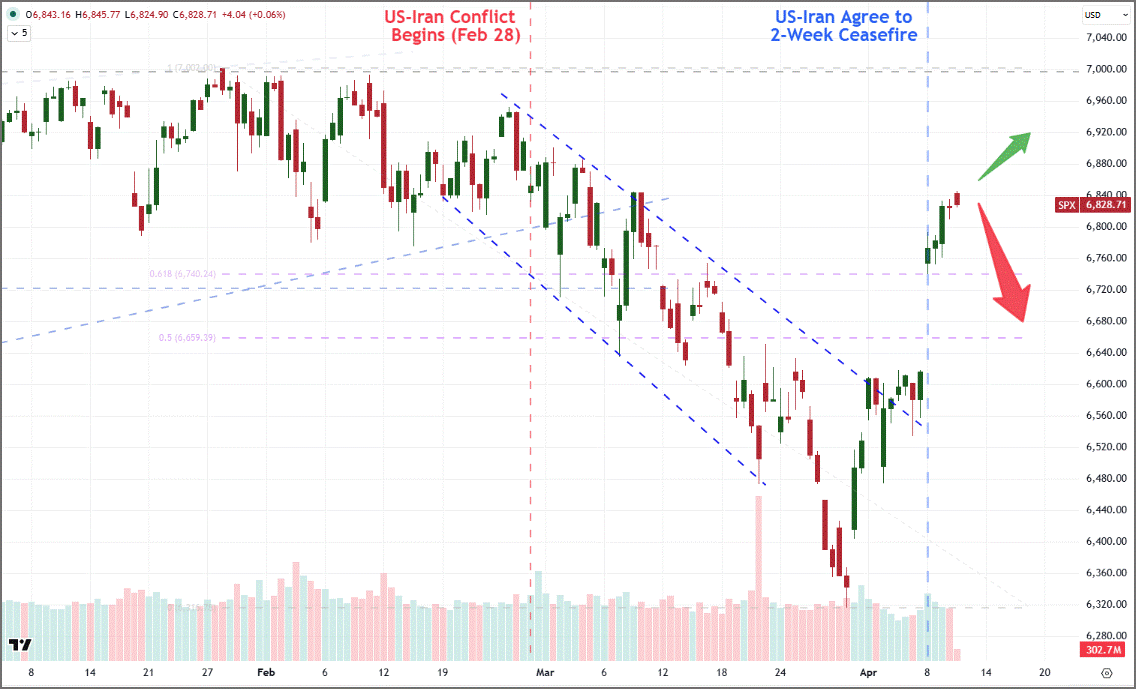
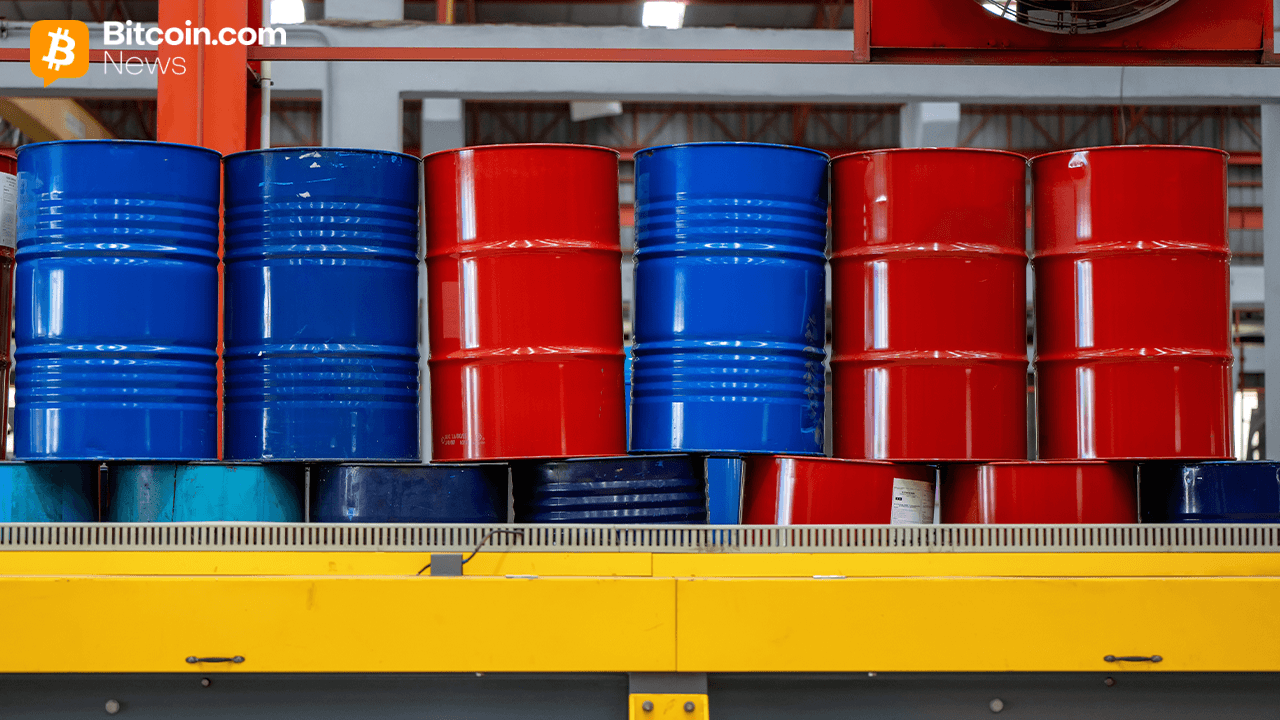
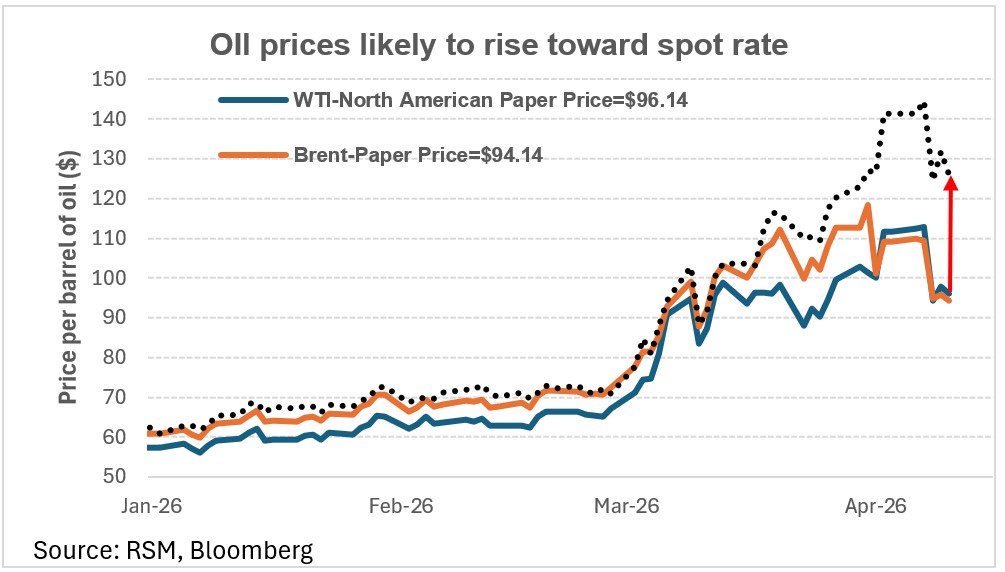
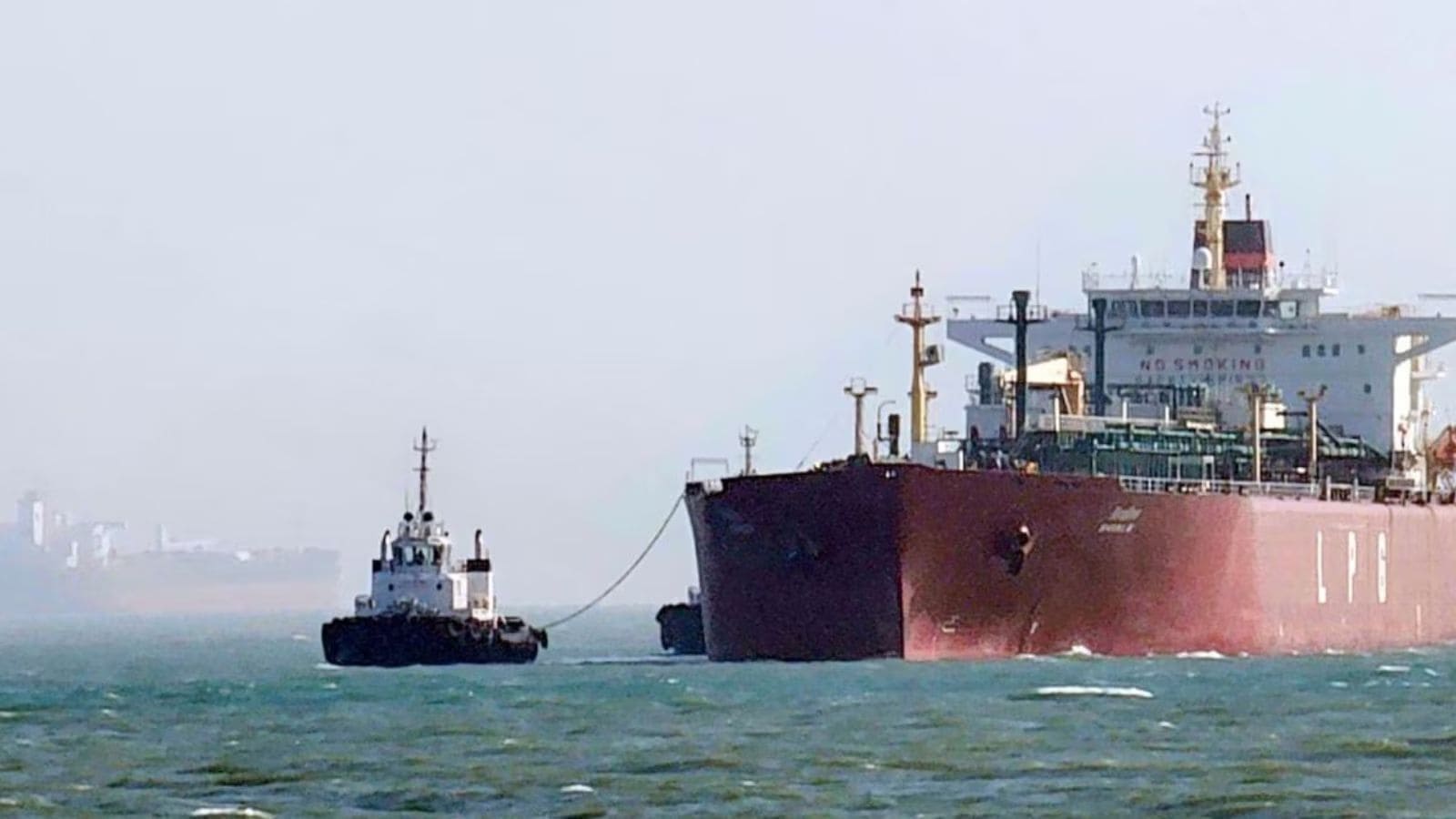
The collapse of US-Iran peace negotiations in April 2026 has created a critical supply chain crisis for cross-border e-commerce sellers, with immediate and sustained operational cost impacts. Following failed talks in Islamabad where US Vice President JD Vance cited Iran's nuclear weapons program as the primary obstacle, President Trump announced a naval blockade on Iranian ports and threatened airstrikes. This geopolitical escalation has triggered crude oil prices to surge from $96.50 to $103.40 per barrel (WTI) and $101.67 (Brent), with JPMorgan Chase analysts forecasting prices to remain above $100 throughout Q2 2026 before potential easing in H2. The Strait of Hormuz—through which approximately 21% of global petroleum and critical commodities transit—now faces direct supply disruption, with the US blockade restricting up to 2 million barrels of Iranian-linked flows daily.
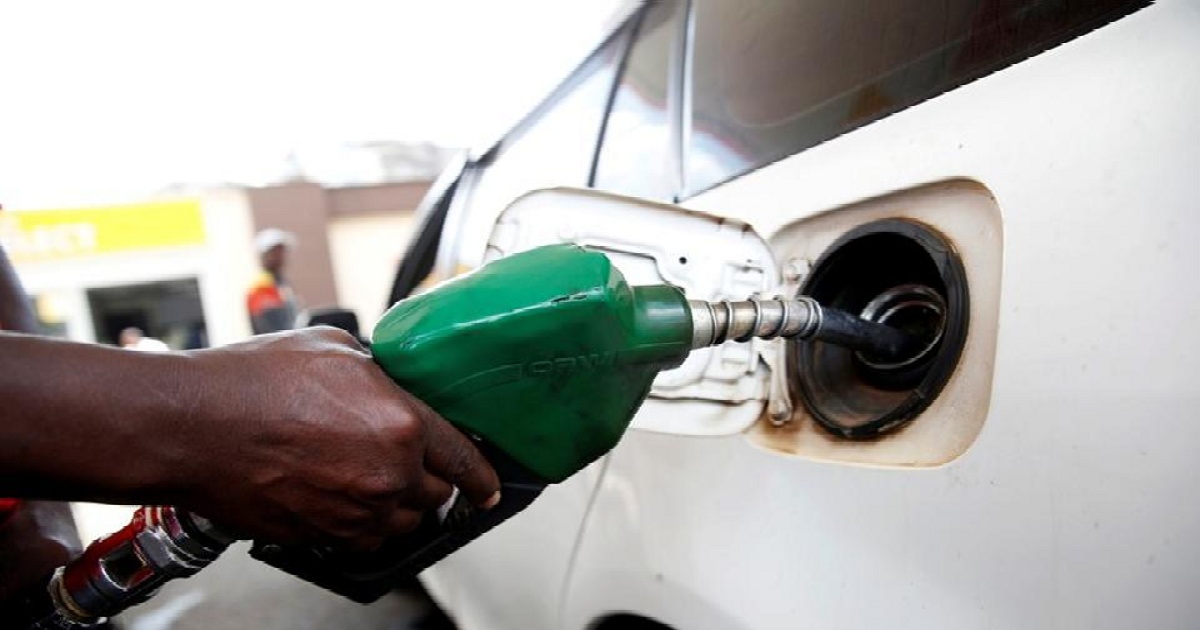
For cross-border e-commerce sellers, this energy shock translates directly into margin compression across multiple operational vectors. Air freight costs, which represent 15-25% of total logistics expenses for time-sensitive shipments, will increase 7-10% based on historical oil price correlations. Ocean freight through Middle Eastern routes faces heightened volatility, with freight rate premiums of 3-5% emerging as carriers price in geopolitical risk. Sellers sourcing from Asia (China, Vietnam, India) shipping to North American and European markets will experience cumulative cost increases of $200-400 per 40-foot container, compressing margins by 2-4% for electronics, apparel, and consumer goods categories. The blockade creates particular pressure for sellers reliant on just-in-time inventory models, as supply chain uncertainty threatens replenishment timelines and forces costly expedited shipping alternatives.
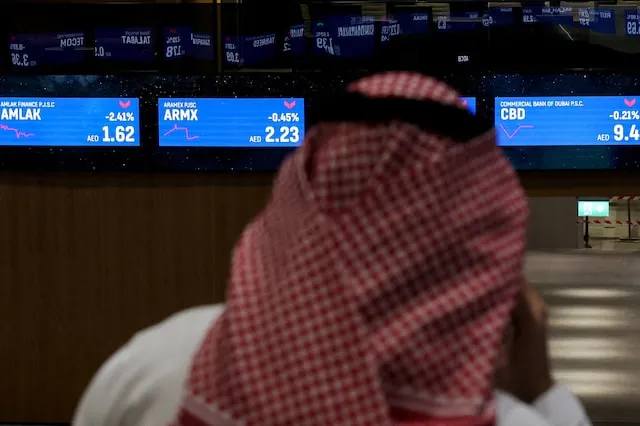
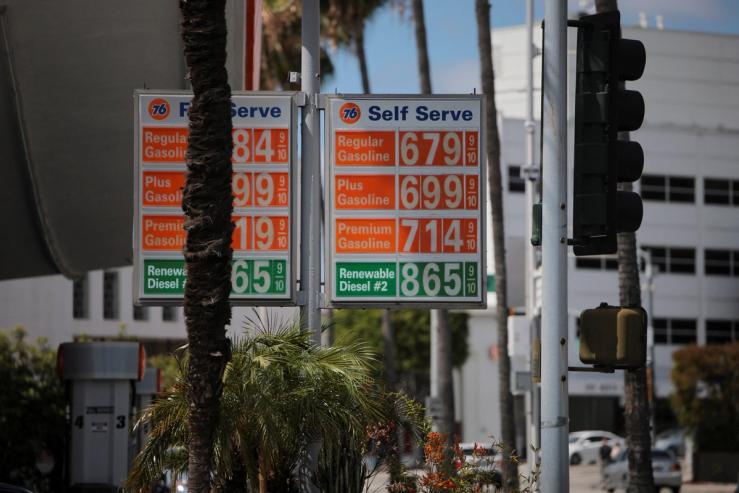
Central banks globally are reassessing interest rate expectations, with financial markets now pricing in rate increases rather than cuts—a critical headwind for sellers carrying inventory financing costs. Consumer purchasing power faces compression from inflation pressures, with Ireland already experiencing social unrest over rising living costs. Economist Wei Yao (Société Générale) predicts lasting disruptions with slow normalization of oil and LNG flows even under ceasefire scenarios. Historical precedent shows similar Middle East conflicts typically persist 6-18 months, implying sustained elevated logistics costs through Q4 2026. Sellers in energy-intensive categories (electronics, appliances, furniture) face the most acute margin pressure, while those with diversified sourcing or regional fulfillment networks can partially mitigate impacts. The timing window for strategic adjustments is narrow—sellers must reposition inventory and sourcing strategies within 30-45 days before freight rate increases become locked in across major logistics providers.
Questions 8
What are the specific tariff and trade policy implications of the US blockade?
The US blockade on Iranian ports creates indirect tariff implications: (1) Reduced global oil supply increases energy costs for manufacturing, which may trigger tariff adjustments on energy-intensive goods (HS codes 8407-8409 for engines, 7326 for metal structures); (2) Supply chain disruptions may accelerate tariff exemptions for alternative sourcing countries (Vietnam, India, Mexico) as US policy prioritizes supply chain resilience; (3) Potential for temporary tariff relief on air freight to offset blockade impacts, though unlikely given current administration's protectionist stance. Sellers should monitor USTR announcements for any tariff adjustments related to energy costs or supply chain diversification. The blockade does NOT directly impose new tariffs on e-commerce goods, but increases the cost basis for all imported products through elevated logistics expenses.
What contingency plans should sellers implement immediately?
Immediate actions (next 7 days): (1) Audit current freight contracts and identify rate increase triggers tied to oil prices; (2) Contact 3PL providers to lock in Q2-Q3 rates before increases take effect; (3) Analyze inventory by margin and shipping cost to identify unprofitable SKUs. Short-term (30 days): (1) Reposition 20-30% of inventory to regional fulfillment centers; (2) Negotiate volume commitments with alternative 3PLs (DHL, Flexport, ShipBob); (3) Implement dynamic pricing in Amazon and Shopify to pass 2-3% cost increases to consumers. Medium-term (60-90 days): (1) Diversify sourcing away from Asia-exclusive suppliers to Vietnam, India, Mexico; (2) Evaluate nearshoring opportunities for high-volume categories; (3) Build 60-90 day inventory buffers in regional fulfillment centers to reduce air freight dependency. Risk monitoring: Track oil prices daily, monitor central bank rate decisions, and reassess strategy if prices exceed $110/barrel or if blockade escalates to airstrikes.