

Energy Shock & Fiscal Constraints Reshape Cross-Border Logistics Costs | Seller Strategy 2026
- Strait of Hormuz blockade disrupts 20M barrels daily; elevated debt limits government support; logistics costs rise 8-15% for sellers in developed markets








Overview
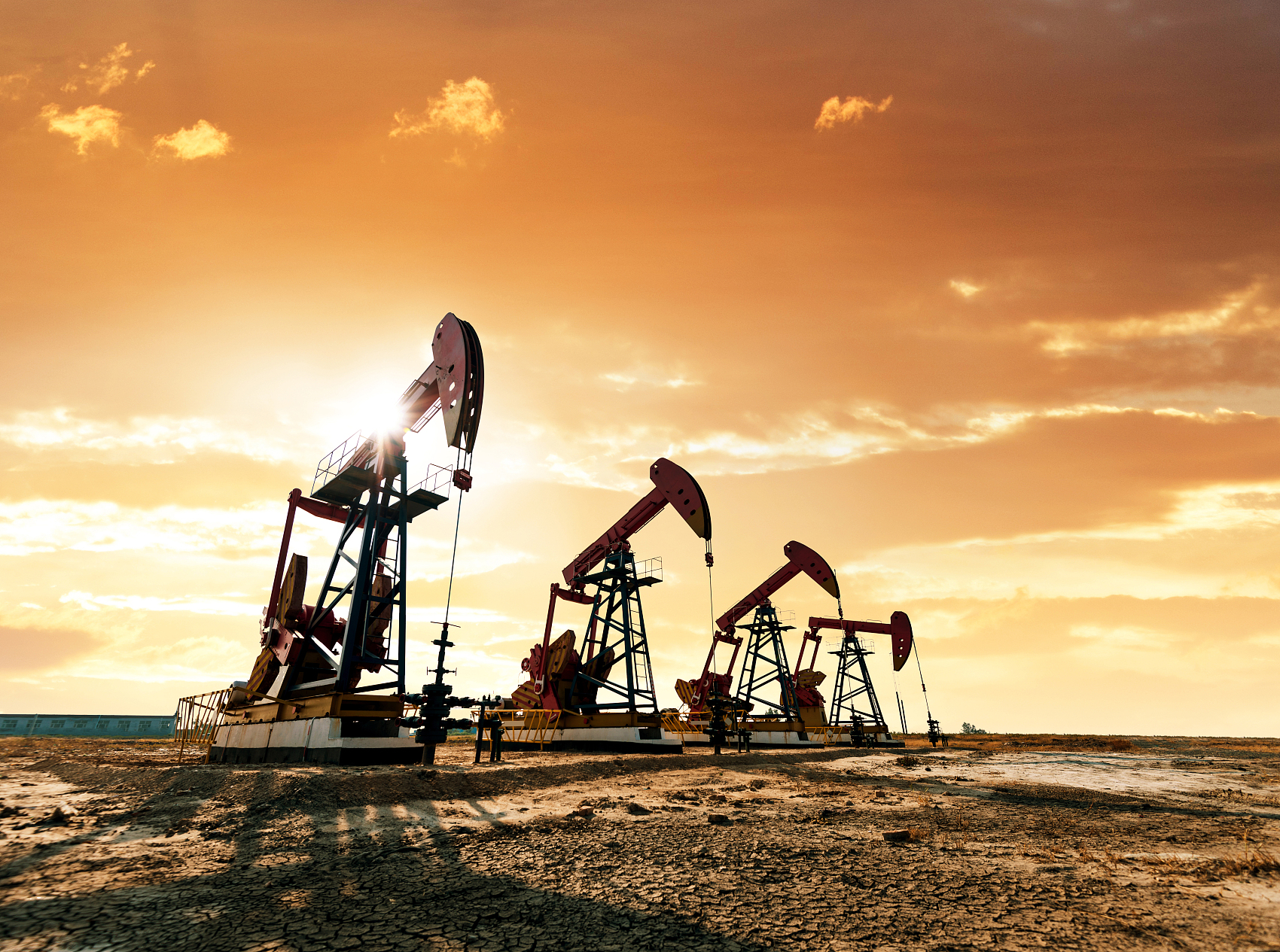
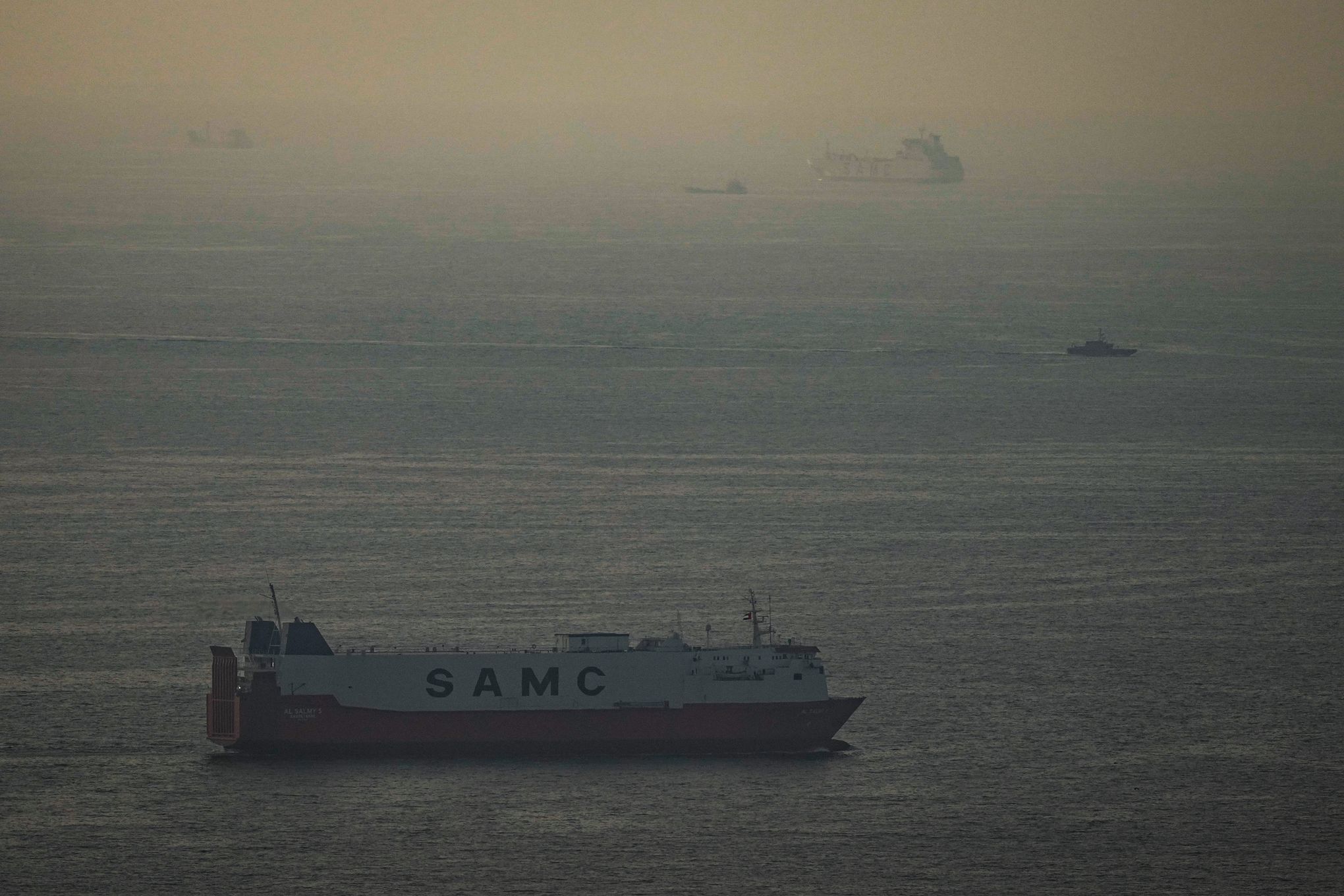
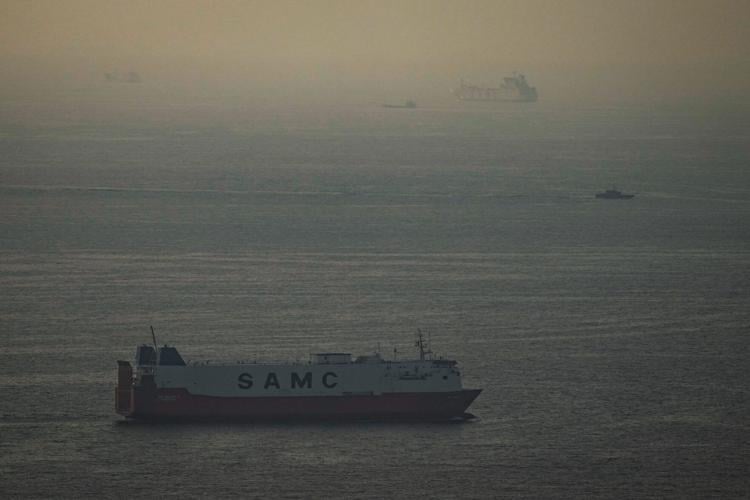
The convergence of geopolitical energy disruption and fiscal policy constraints is fundamentally reshaping cross-border e-commerce economics in 2026. According to Morgan Stanley analysis, global governments face unprecedented constraints in responding to energy market shocks—unlike the 2022-23 crisis when substantial fiscal support cushioned consumers from oil volatility, today's elevated debt-to-GDP ratios and rising borrowing costs have dramatically raised the threshold for intervention. Simultaneously, the US-Iran conflict has triggered a Strait of Hormuz blockade affecting 20 million barrels daily (one-fifth of global supply), creating stagflation conditions reminiscent of the 1970s petroleum crises that fundamentally restructured global commerce.
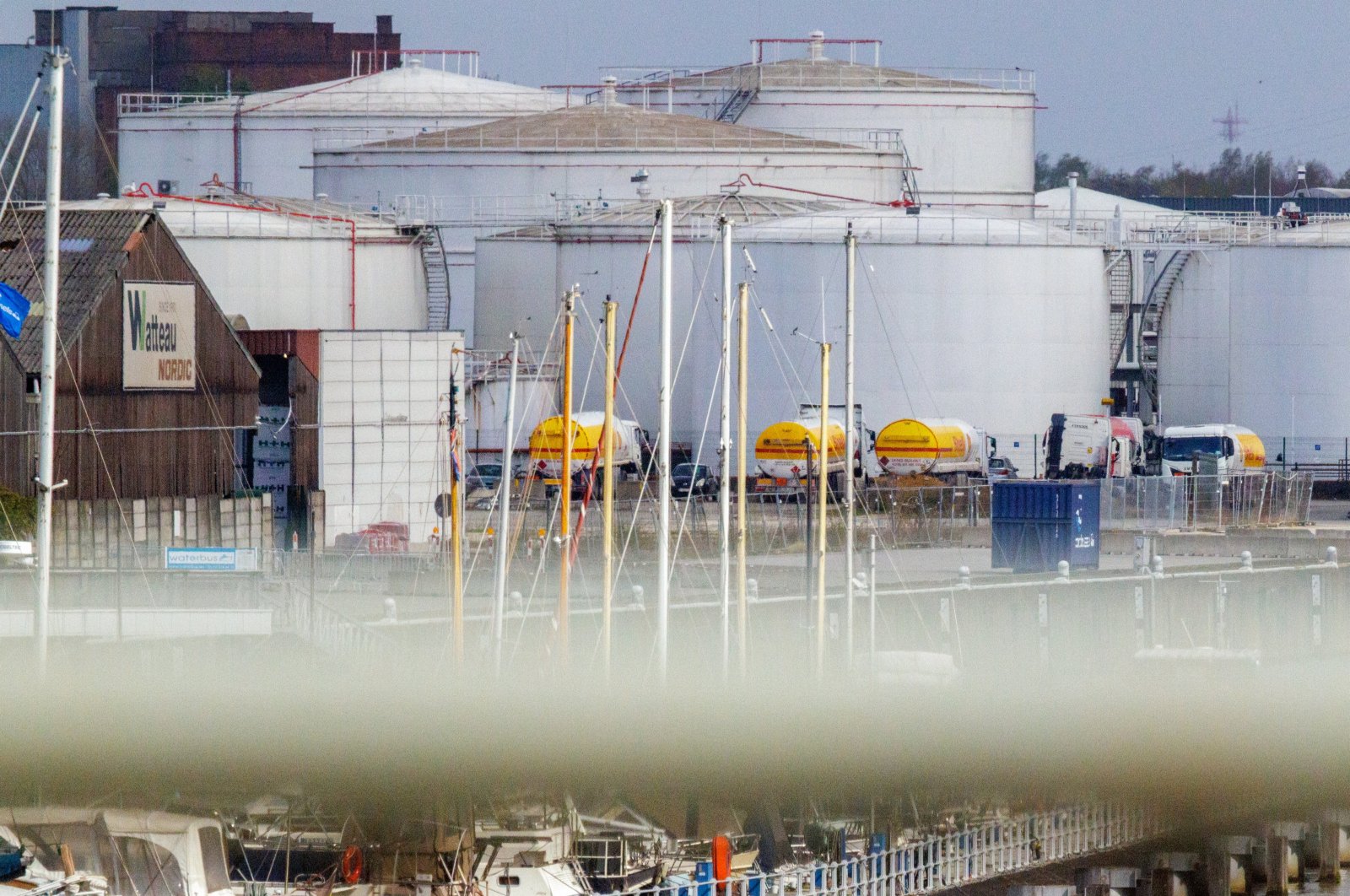
For cross-border e-commerce sellers, this dual shock creates immediate operational pressure through three critical channels. First, logistics costs—shipping, warehousing, and last-mile delivery—face sustained elevation without government intervention to stabilize energy markets. Sellers shipping 1,000+ units monthly can expect 8-15% cost increases in developed markets (US, EU, UK) where fiscal constraints prevent subsidies, while emerging markets with greater fiscal space (India, Vietnam, Southeast Asia) may see only 3-6% increases. This creates asymmetric competitive dynamics: sellers based in high-debt nations face margin compression of 200-400 basis points, while Asia-based competitors gain cost advantages. Second, consumer purchasing power declines as energy costs pass through to retail prices, directly suppressing demand for discretionary goods (apparel, home goods, electronics accessories) that typically generate 40-60% of cross-border e-commerce volume. Third, regional disparities in government support create uneven competitive conditions—sellers in emerging markets with fiscal space to maintain energy subsidies gain pricing flexibility unavailable to competitors in constrained developed economies.
The strategic opportunity window is narrow and time-sensitive. Sellers should immediately audit their 3PL provider networks and sourcing strategies: those currently manufacturing in China or shipping via air freight face the highest cost exposure. Immediate actions include: (1) shifting 20-30% of inventory to regional fulfillment centers in lower-cost energy markets (Vietnam, India, Mexico) by Q2 2026; (2) renegotiating logistics contracts before Q3 2026 when energy surcharges become permanent; (3) repositioning product mix toward essential categories (food, health, home essentials) that maintain demand during stagflation. Sellers in high-debt markets (EU, UK, Canada) should consider establishing subsidiary operations in emerging markets to arbitrage energy cost differentials. The fragile Pakistan-brokered truce (collapsed by April 12, 2026) suggests sustained supply disruption through 2026, making this a 6-12 month window before competitors fully adapt their supply chains.
Questions 7
How should I adjust my Amazon FBA strategy given fuel surcharges?
Amazon FBA fuel surcharges are already embedded in fulfillment fees and will likely increase 5-10% through 2026 based on energy price trends. In Amazon Seller Central, immediately review your Fulfillment by Amazon (FBA) fees by product category and weight tier. Heavier items (>2 lbs) face disproportionate surcharge impacts—consider shifting these to Fulfilled by Merchant (FBM) or partnering with regional 3PL providers. For FBA inventory, optimize product weight and packaging to reduce dimensional weight charges. Monitor your IPI (Inventory Performance Index) score; maintain >400 to avoid storage fee penalties during this period. Consider increasing prices 2-3% on high-volume FBA SKUs to offset surcharges, but test conversion impact first. Evaluate Walmart+ fulfillment and eBay Global Shipping as lower-cost alternatives for specific categories.
Are there tariff or trade policy changes I should monitor alongside energy costs?
Yes, energy shocks historically trigger protectionist trade policies. The 1970s oil crises led to tariff increases and import restrictions as governments attempted to protect domestic industries. Monitor US tariff announcements (Trump administration initiated the Iran conflict on February 28, 2026) and EU trade policy responses. Energy-intensive manufacturing (textiles, chemicals, metals) typically face tariff increases of 5-15% during supply shocks. For cross-border sellers, this means: (1) review your product's HS code and current tariff rates; (2) evaluate tariff exposure by destination market; (3) consider tariff pass-through in pricing (2-4% increases are typical). Subscribe to government trade policy alerts from USTR (US), EC (EU), and relevant emerging market trade ministries. Tariff changes typically have 30-90 day implementation windows, providing a brief window to adjust sourcing before rates increase.