


2026 Earnings Season Signals 13% Profit Growth | Cross-Border Sellers Face $40B Volatility Wave
- S&P 500 posts sixth consecutive quarter of double-digit growth amid Iran tensions; 20% of global oil flows through threatened Strait of Hormuz; shipping costs and currency volatility directly impact Asia-to-US and Middle East trade routes for e-commerce sellers




















Overview
The 2026 earnings season kicks off with 27 S&P 500 companies reporting, including major financial institutions and technology platforms that directly influence e-commerce infrastructure and consumer spending. According to FactSet data, S&P 500 first-quarter profits are expected to grow 13% year-over-year, marking the sixth consecutive quarter of double-digit profit expansion—a signal of sustained economic strength that typically correlates with increased consumer discretionary spending on cross-border marketplaces. However, this optimistic backdrop is shadowed by $40 billion in trading profits generated by Wall Street banks capitalizing on Iran-US geopolitical tensions, which have rekindled significant market volatility across commodities, currencies, and equities.
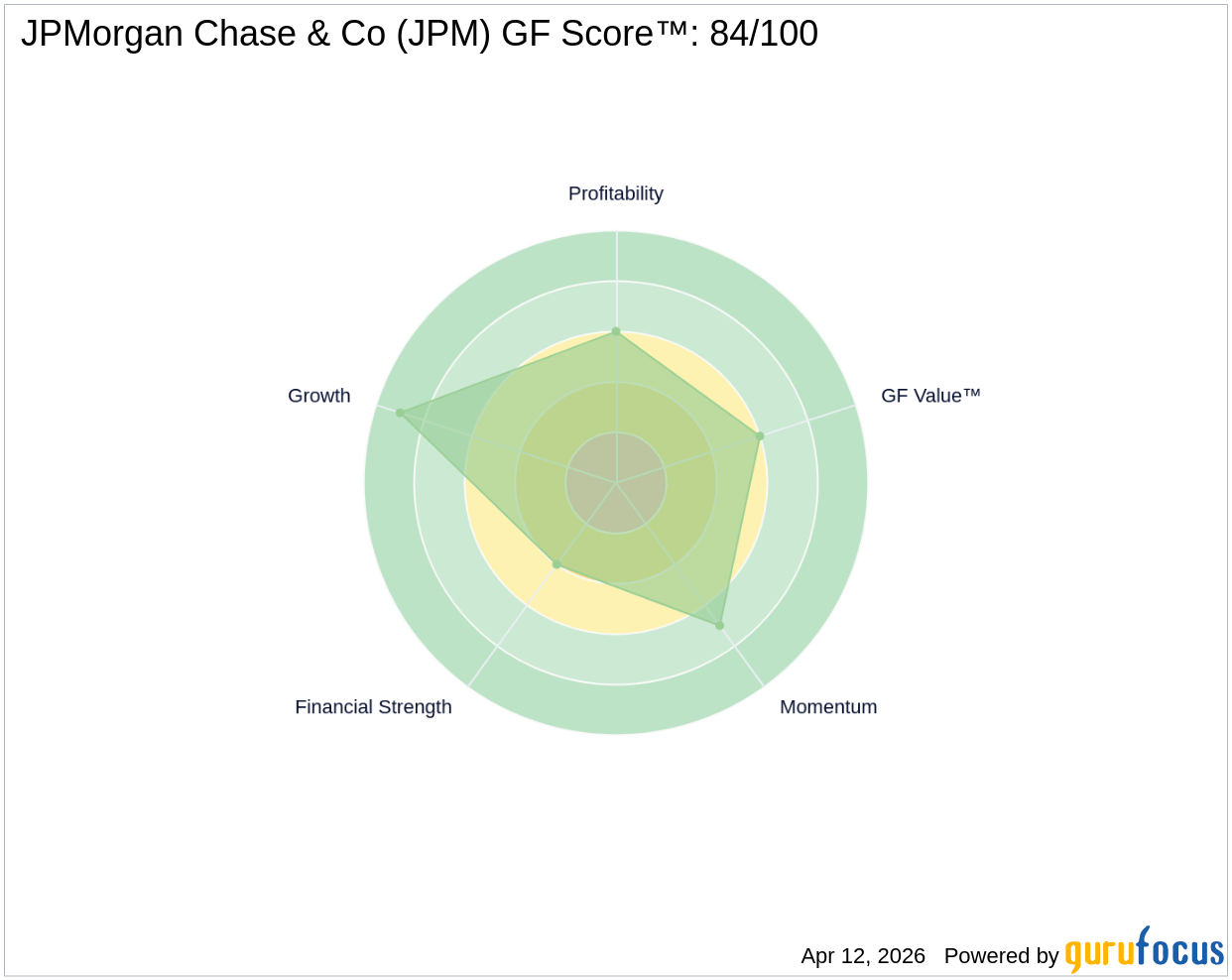
The critical e-commerce impact centers on the Strait of Hormuz, through which approximately 20% of global oil passes. The Trump administration's announced naval blockade threat has triggered immediate shipping cost increases for sellers importing goods from Asia or exporting to Middle Eastern markets. Currency markets are experiencing heightened volatility as traders position for potential supply chain disruptions, directly affecting pricing strategies and profit margins for sellers operating across multiple regions. JPMorgan Chase (expecting 7% earnings growth), Goldman Sachs (double-digit growth), and Citigroup (30%+ bottom-line increase) are reporting strong investment banking and trading divisions—indicating robust M&A activity and capital availability for logistics providers and fintech platforms that serve e-commerce sellers.
For cross-border sellers, the operational implications are immediate and quantifiable. Logistics providers are implementing fuel surcharges on shipments through the Strait of Hormuz, with industry sources indicating potential cost increases of 8-15% for Asia-to-US routes and 12-20% for Middle East-bound shipments. Currency fluctuations driven by geopolitical uncertainty are compressing margins for sellers with unhedged foreign exchange exposure, particularly those operating on Amazon Global, eBay International, or regional marketplaces in GCC countries. The news emphasizes that investors are seeking corporate guidance on how companies navigate geopolitical headwinds—a signal that financial markets expect sustained volatility through at least Q2 2026. Netflix, Johnson & Johnson (up 15% year-to-date), and other consumer-facing companies entering earnings will provide critical signals about consumer spending resilience, which directly impacts demand for discretionary products on cross-border platforms.
Immediate seller actions include: monitoring fuel surcharges from 3PL providers (DHL, FedEx, UPS), reviewing inventory positioning to reduce exposure to high-cost shipping routes, and implementing currency hedging strategies for sellers with significant Middle East or Asia-Pacific revenue. Sellers should expect 2-4 week delays in customs processing if supply chain disruptions escalate, requiring buffer stock planning. The six consecutive quarters of double-digit profit growth suggest consumer spending remains resilient, but the $40B volatility wave indicates financial market stress that could dampen discretionary purchases in Q2-Q3 2026.
Questions 8
How do Wall Street's $40B trading profits from Iran tensions affect seller opportunities?
The $40 billion in trading profits generated by Wall Street banks capitalizing on Iran-US volatility reflects exceptional trading conditions across commodities, currencies, and equities. This volatility creates both risks and opportunities for sellers: commodity traders experienced billion-dollar losses while others profited substantially from rapid price movements in oil, natural gas, and precious metals. For e-commerce sellers, this signals heightened uncertainty that could compress margins but also create opportunities in defensive product categories (home essentials, health products) that typically see increased demand during geopolitical uncertainty. Monitor commodity price movements and adjust pricing strategies for products with commodity-linked costs (electronics, metals, chemicals) within 5-7 day windows.
What monitoring checkpoints should sellers implement through Q2 2026?
Implement weekly monitoring of: (1) Fuel surcharge notifications from DHL, FedEx, UPS—budget 10-15% higher logistics costs; (2) Currency exchange rates for GBP, EUR, AED—use forward contracts for 30-90 day hedges; (3) Customs processing times—expect 2-4 week delays if tensions escalate; (4) Earnings guidance from JPMorgan Chase, Goldman Sachs, Netflix—watch for management commentary on geopolitical headwinds; (5) Oil prices and commodity indices—adjust pricing for cost-linked products within 5-7 days. Set calendar reminders for major earnings announcements (typically mid-January for Q4 results) and establish contingency plans if Strait of Hormuz shipping costs exceed 15% increase threshold.