


Tech Leadership Disputes Drive AI Tool Adoption | E-Commerce Seller Implications
- High-profile legal battles between tech titans signal accelerating AI integration in e-commerce platforms; sellers adopting AI tools early gain competitive advantage in 2025











Overview
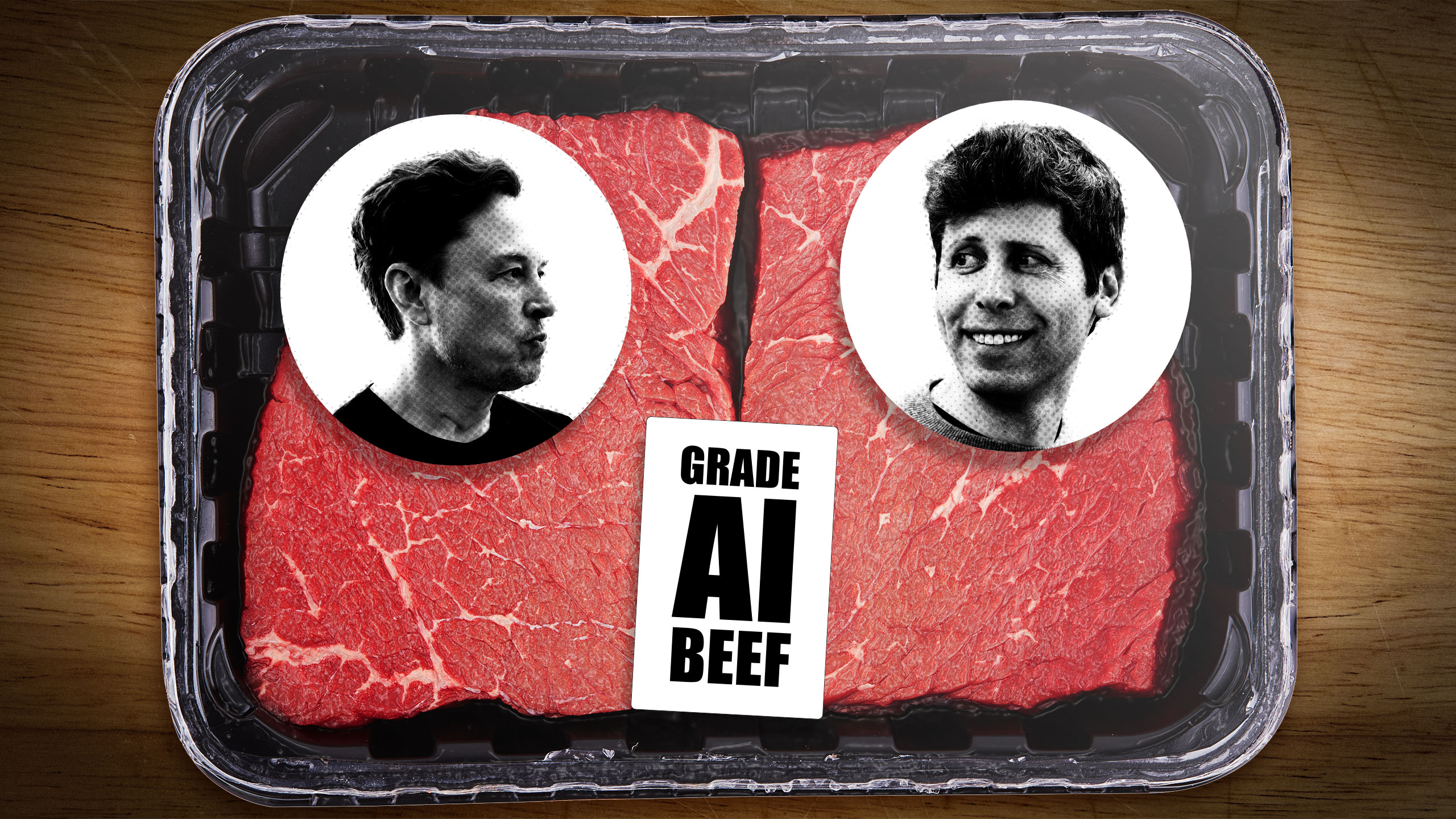
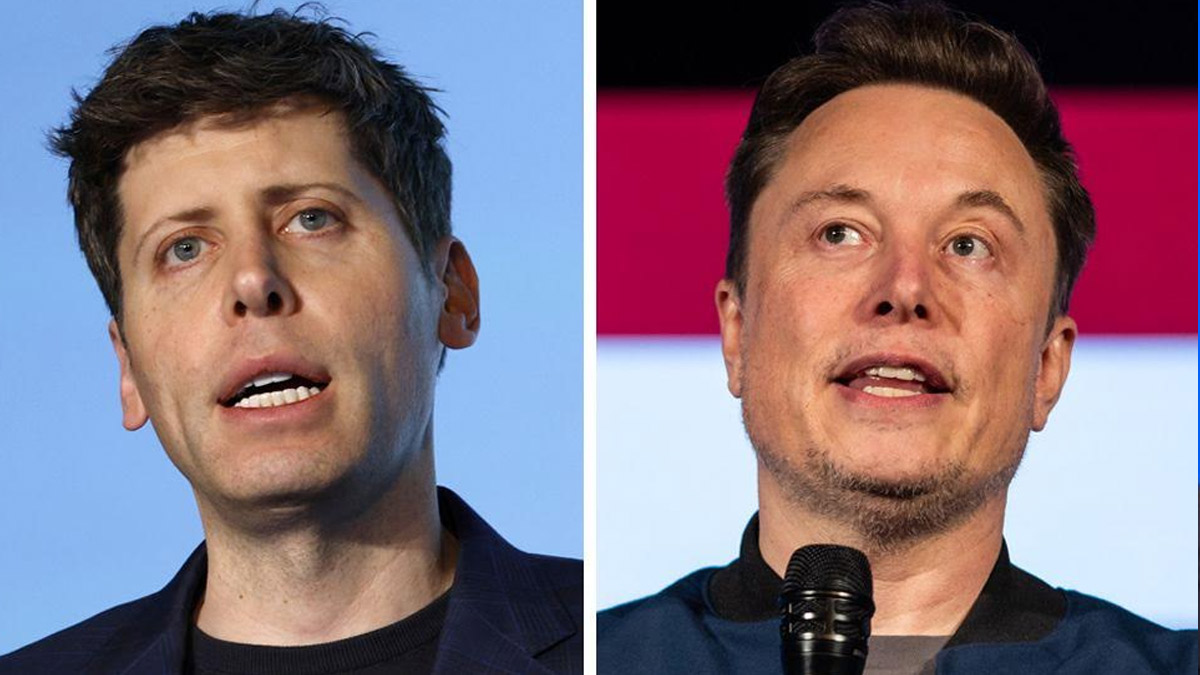
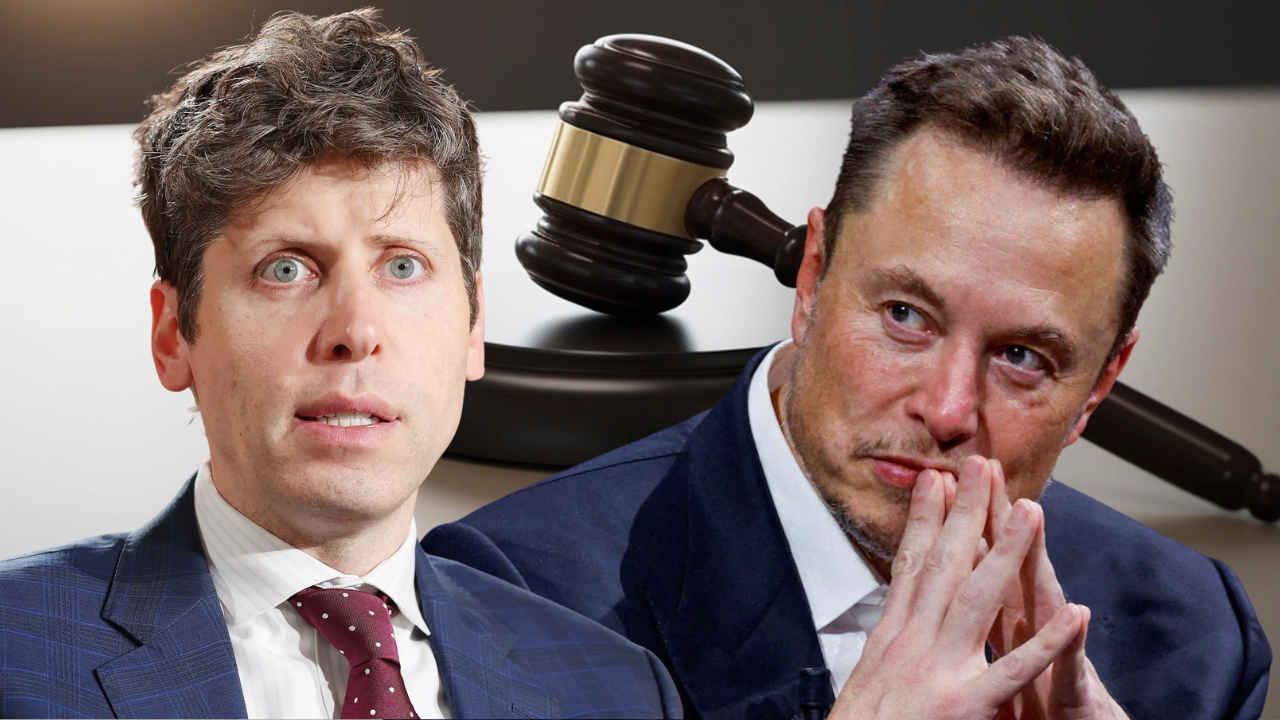
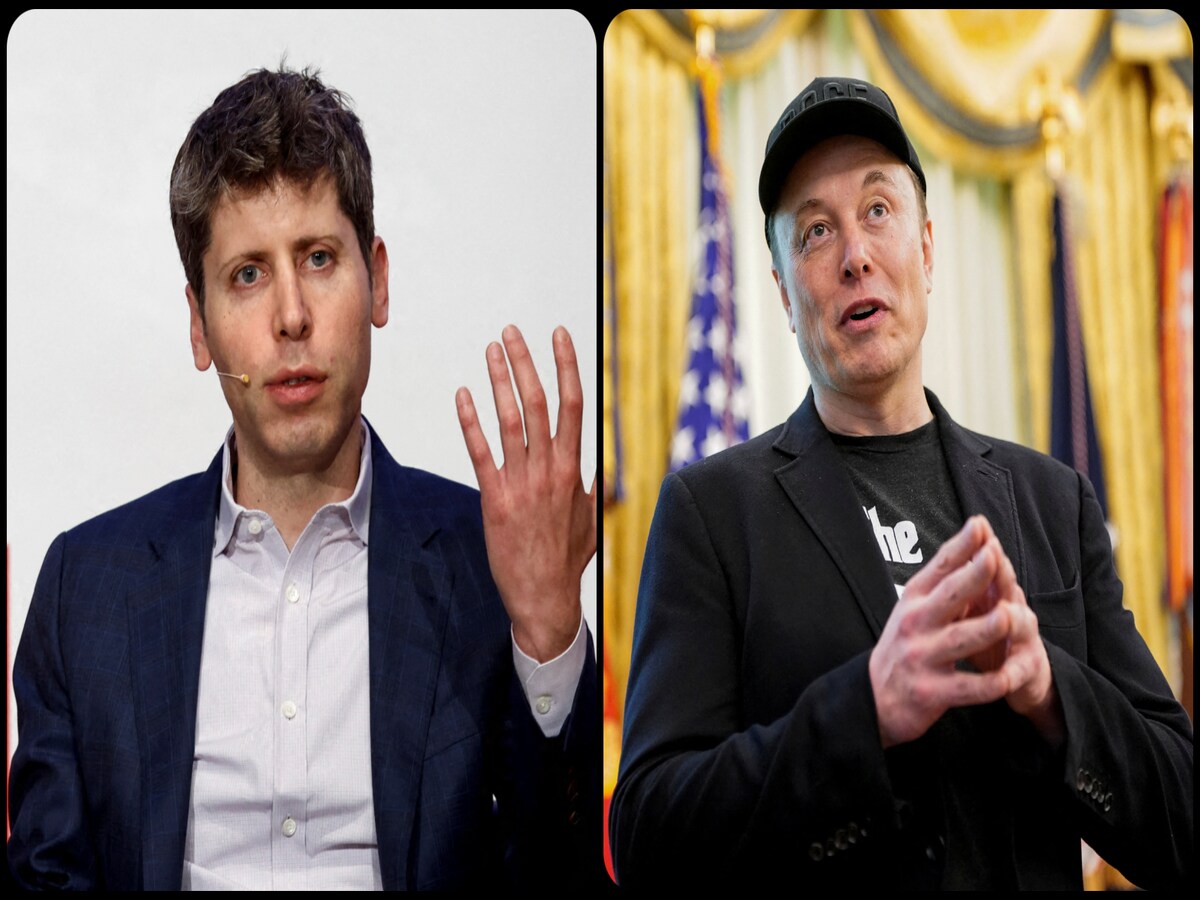
Elon Musk's recent legal losing streak ahead of a confrontation with OpenAI CEO Sam Altman represents a critical inflection point in the AI industry's competitive landscape, with direct implications for e-commerce sellers relying on AI-powered tools. The Financial Times reports on multiple court decisions unfavorable to Musk's legal positions, likely spanning his ventures including Tesla, SpaceX, and X (formerly Twitter), while simultaneously highlighting escalating tensions between Musk and Altman over artificial intelligence development and commercialization strategies.
For cross-border e-commerce sellers, this corporate dispute carries significant operational relevance through three interconnected channels. First, the outcome of Musk-Altman disputes will shape which AI tools become industry standards—OpenAI's ChatGPT and GPT-4 already power product listing optimization, customer service automation, and demand forecasting for thousands of Amazon FBA sellers, while Musk's X platform increasingly hosts e-commerce marketing communities. Second, legal precedents emerging from these cases will establish intellectual property frameworks governing AI-generated content, directly affecting sellers' ability to use AI for product descriptions, marketing copy, and brand content without legal exposure. Third, the competitive pressure between these tech leaders accelerates AI tool development cycles, creating both opportunities and risks for sellers who must rapidly adopt new technologies to maintain competitive positioning.
Platform-specific impacts are already visible: Amazon Seller Central's AI-powered listing tools, Shopify's AI product recommendations engine, and eBay's automated pricing algorithms all depend on foundational AI research and legal frameworks that Musk-Altman disputes will influence. Sellers currently using ChatGPT for keyword research, competitor analysis, and content creation face potential disruption if legal outcomes restrict AI tool access or increase licensing costs. The dispute also signals broader consolidation in AI capabilities—winners will likely control premium tools while losers' platforms may face feature limitations or higher operational costs passed to sellers.
Immediate seller implications: Small to mid-size sellers (annual revenue $100K-$5M) using free or low-cost AI tools should diversify their AI tool stack to reduce dependency on any single provider. Sellers in high-margin categories (electronics, beauty, home goods) should accelerate AI adoption for dynamic pricing and inventory optimization before potential tool consolidation increases costs. Large sellers (revenue $5M+) should monitor legal developments affecting X's commerce features and OpenAI's enterprise licensing, as these will shape long-term platform strategies and cost structures.
Questions 8
How should I budget for AI tool costs in 2025 given these disputes?
Plan for 15-25% increase in AI tool costs by Q3 2025 as consolidation pressures mount. Current budget allocation: ChatGPT Plus ($20/month), platform-native tools (free-$500/month), and specialized tools like Helium 10 or Jungle Scout ($100-300/month). If you're spending $200-500/month on AI tools, budget $250-625 by mid-2025. For sellers with $1M+ revenue, enterprise agreements may offer better value than per-user subscriptions. Negotiate multi-year contracts now while pricing remains competitive, locking in rates before potential post-litigation price increases.
What should I monitor to stay ahead of AI industry changes?
Track three key indicators monthly: (1) OpenAI and Musk's AI ventures' product announcements and funding rounds, (2) Amazon/Shopify/eBay's AI feature releases and pricing changes, (3) regulatory developments on AI-generated content disclosure and copyright. Subscribe to OpenAI's blog, follow Elon Musk's X account for Tesla/SpaceX AI updates, and monitor Seller Central announcements. Join seller communities on Reddit (r/FulfillmentByAmazon) and Facebook groups where sellers share AI tool experiences. Quarterly reviews of your AI tool stack (January, April, July, October) ensure you're using the most cost-effective and legally compliant tools available.