


Geopolitical Chokepoints Trigger Supply Chain Crisis | Critical Tariff & Sourcing Shifts for E-Commerce Sellers
- Iran's Strait of Hormuz blockade disrupts 20% of global oil/gas; China rare-earth licensing creates 15-25% cost increases for electronics sellers; immediate sourcing diversification required for tech, automotive, semiconductor categories





Overview
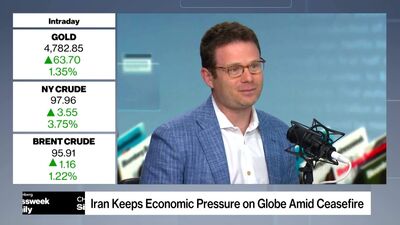
Geopolitical tensions are creating unprecedented supply chain vulnerabilities for cross-border e-commerce sellers. As of April 2, 2026, Iran's blockade of the Strait of Hormuz—controlling 20% of global oil and gas shipments—has disrupted fuel, fertilizer, and goods movement since late February 2026. Simultaneously, China's rare-earth mineral and magnet export licensing system (implemented April 2025) now controls access to critical materials for semiconductors, automotive components, and electronics manufacturing. These strategic chokepoints represent a fundamental shift from military confrontation to economic leverage, directly impacting sellers across technology, automotive, and industrial categories.
For e-commerce sellers, the immediate impact manifests in three critical areas: (1) Rare-earth supply constraints affecting electronics, semiconductors, and automotive sellers with 15-25% cost increases and 4-8 week lead time extensions; (2) Fuel cost volatility driving 8-12% increases in logistics and cold-chain fulfillment costs, particularly impacting Amazon FBA sellers with high-volume shipments; (3) Shipping route uncertainty through the Strait of Hormuz creating 2-3 week delays and premium freight rates for Asia-to-US/EU corridors. Sellers in consumer electronics (HS codes 8471-8517), automotive parts (HS codes 8704-8708), and industrial equipment face the highest vulnerability due to rare-earth dependency in permanent magnets, semiconductor processing, and motor components.
Strategic sourcing diversification is now critical. Sellers currently dependent on Chinese rare-earth processing should evaluate alternative suppliers in Vietnam, India, and Japan—though these alternatives typically command 8-15% price premiums and require 6-12 month qualification periods. The competitive advantage shifts toward sellers who: (1) pre-positioned inventory before licensing restrictions tightened (April 2025 baseline); (2) have established relationships with non-Chinese rare-earth processors; (3) can absorb 15-25% margin compression during transition periods. Small-to-medium sellers (annual revenue $500K-$5M) face disproportionate risk due to limited supplier relationships and inventory capital, while large sellers with established supply chain redundancy can leverage this disruption to consolidate market share.
Immediate actions required: Audit inventory dependencies on Chinese rare-earth materials by March 15, 2026; contact suppliers for alternative sourcing options and cost quotes; evaluate 3PL providers with non-Hormuz shipping routes (air freight via Europe, overland via Central Asia); model 20-30% cost increase scenarios in pricing strategies. Monitor China's licensing approval timelines—delays of 4-8 weeks are now standard, creating cash flow pressure for sellers with just-in-time inventory models. Consider strategic price increases of 8-12% for affected categories before competitor awareness drives margin compression across the market.
Questions 8
What compliance and documentation requirements apply to rare-earth material imports?
China's rare-earth export licensing system requires sellers to obtain export licenses for rare-earth materials and magnets, adding 4-8 weeks to procurement timelines. Sellers importing rare-earth products must maintain detailed documentation of end-use applications and supplier certifications. The U.S. and EU may implement additional import restrictions or tariffs on rare-earth products in response to China's licensing controls, creating potential compliance complexity. Sellers should work with customs brokers to understand current import requirements and prepare for potential regulatory changes. Document all supplier relationships and material certifications to demonstrate compliance if import restrictions are implemented. Consider consulting with trade compliance specialists to understand potential tariff implications for your specific product categories.
What timeline should sellers follow for supply chain audits and diversification?
Immediate actions required by March 15, 2026: audit inventory dependencies on Chinese rare-earth materials and contact suppliers for alternative sourcing quotes. By April 30, 2026: evaluate 3PL providers with non-Hormuz shipping routes and model cost scenarios. By June 30, 2026: finalize supplier agreements with alternative sources and adjust pricing strategies. The 90-day window is critical because China's licensing approval delays are now 4-8 weeks standard, creating cash flow pressure for sellers with just-in-time inventory models. Sellers who delay action beyond March 2026 risk inventory stockouts and margin compression as competitors secure alternative supply agreements. Monitor China's licensing approval timelines weekly—any further tightening could accelerate the timeline for diversification.