

Game Pass Subscription Model Collapse | $70B Activision Deal Faces Strategic Rethink
- Microsoft reconsidering Call of Duty Day One access as subscription cannibalization reduces franchise revenue by 30-40%; signals broader gaming marketplace consolidation risks for digital sellers
Overview
Microsoft's $70 billion Activision Blizzard acquisition strategy is fundamentally failing, with the company now reconsidering its core justification for the deal. By placing Call of Duty on Game Pass Day One, Microsoft inadvertently cannibalized direct game sales—players opted for subscription access rather than purchasing individual titles, generating minimal subscriber growth while simultaneously decimating franchise revenue streams. This represents a critical lesson in subscription economics that extends far beyond gaming into broader digital commerce models.
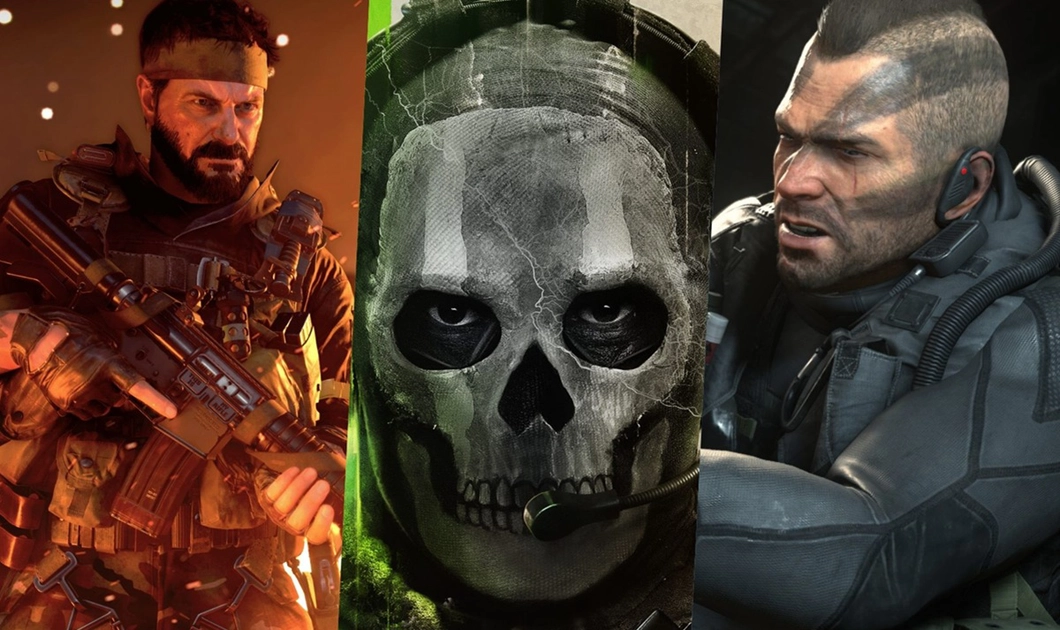
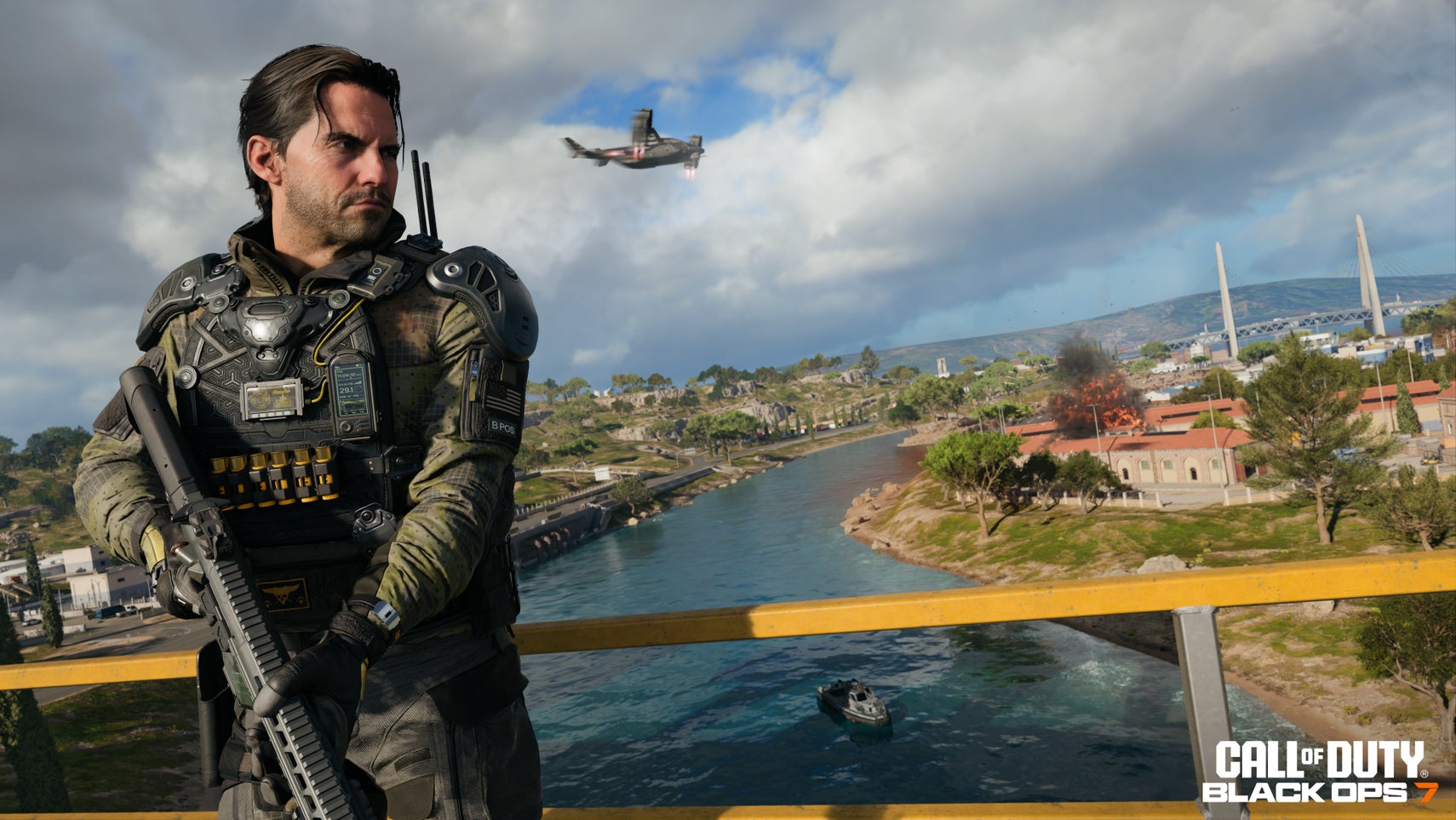
The financial mechanics reveal a broken model: When players access premium content through subscription rather than direct purchase, development studios receive insufficient funding for ongoing content updates, seasonal content, battle pass development, and live-service maintenance. Black Ops 6 (2025) has been criticized as one of the series' weakest entries, directly attributable to reduced post-launch investment. Industry analysts confirm recent Call of Duty releases have underperformed financially under this subscription model, creating a vicious cycle where reduced revenue leads to diminished content quality, accelerating player attrition. Microsoft's new gaming division head Asha Sharma is reportedly reconsidering the strategy, with the next Call of Duty installment potentially not launching on Game Pass Day One—marking a significant policy reversal.
For digital commerce sellers, this signals critical marketplace dynamics: The news reveals how subscription-first strategies can destroy revenue models that depend on direct transactions. Microsoft has already raised Game Pass prices multiple times to compensate for lost franchise revenue, indicating the subscription model requires structural adjustments. The company is exploring premium subscription tiers where blockbuster games could be segregated, allowing base tiers to maintain lower pricing while protecting franchise revenue. This mirrors challenges facing e-commerce platforms balancing free/premium access with seller revenue protection. Console gamers who benefited from immediate premium access will face restrictions, demonstrating how platform policy reversals directly impact consumer behavior and seller opportunities.
The broader implication: Major franchise partners (like Activision) are discovering that subscription inclusion doesn't drive sustainable growth—it cannibalizes existing revenue. Competitors like PlayStation Plus and Nintendo Switch Online are monitoring Microsoft's adjustments, signaling industry-wide recalibration of subscription economics. For sellers, this demonstrates that bundling premium products into low-cost subscription tiers can destroy category profitability, forcing platforms to either raise prices or restrict access. The $70 billion investment now faces questions about its fundamental rationale, with Microsoft choosing between maintaining a failed strategy or abandoning the core justification for acquiring Activision Blizzard.
Questions 8
How does subscription cannibalization affect game development and player engagement?
When players access premium games through subscription rather than direct purchase, development studios receive insufficient funding for ongoing content updates. This creates a vicious cycle: reduced revenue leads to diminished content quality, which accelerates player attrition. Activision's studios struggle to fund seasonal content, battle pass development, and live-service updates that modern shooters require for sustained engagement. Industry analysts have confirmed that recent Call of Duty releases have underperformed financially under the subscription model. The lack of post-launch investment directly impacts game quality and player retention, as evidenced by Black Ops 6's critical reception as one of the series' weakest entries.
What alternative strategies is Microsoft exploring for Game Pass premium content?
Microsoft is considering introducing premium subscription tiers where blockbuster games like Call of Duty could be segregated from the base tier. This tiered approach would allow the base tier to maintain lower pricing while protecting franchise revenue streams and ensuring adequate funding for content development. The company has already raised Game Pass prices multiple times to compensate for lost franchise revenue, indicating the subscription model requires structural adjustments. This strategy mirrors industry-wide recalibration, as competitors like PlayStation Plus and Nintendo Switch Online monitor Microsoft's adjustments to understand how to balance subscriber acquisition with franchise partner profitability.