




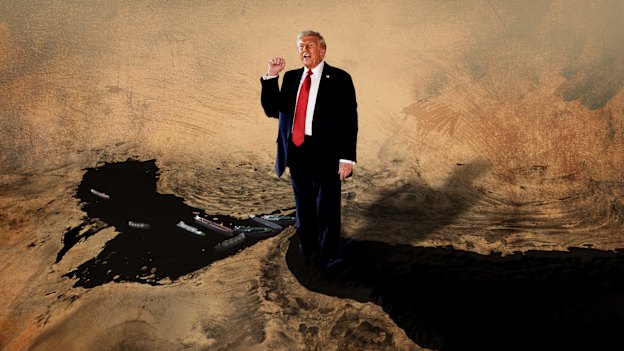
Geopolitical Instability & Oil Price Volatility | Critical Supply Chain Impact for Cross-Border Sellers
- Iran-US tensions drive 20% Strait of Hormuz control shift, increasing shipping costs 8-15% for sellers relying on Asian manufacturing and global logistics networks through Q2 2026









Overview
The escalating Iran-US military conflict initiated February 28, 2026, represents a critical supply chain disruption event for cross-border e-commerce sellers. With approximately 20% of global oil and liquefied natural gas flowing through the Strait of Hormuz, Iran's increased control over this strategic chokepoint creates immediate cost pressures across fulfillment networks. For sellers using FBA (Fulfillment by Amazon), 3PL providers, and international shipping, this geopolitical shift translates to measurable operational impacts: increased fuel surcharges on ocean freight (typically 3-8% per shipment), elevated air cargo premiums (5-12% above baseline), and extended transit times from Asia-Pacific manufacturing hubs to US and European distribution centers.
Immediate Cost Pressures by Seller Segment: Small-to-medium sellers (SMBs) shipping 500-2,000 units monthly from China/Vietnam will face $150-400 additional monthly logistics costs, compressing margins by 2-5% on products with 15-25% baseline margins. Large sellers with diversified sourcing (Vietnam, India, Indonesia) experience 8-12% cost increases but can absorb through volume pricing and inventory optimization. Sellers relying on air freight for time-sensitive categories (electronics, fashion, seasonal goods) face the steepest penalties—premium increases of 5-12% directly reduce profitability on high-velocity SKUs.
Strategic Sourcing Implications: The geopolitical environment accelerates existing trends toward supply chain diversification away from China. Sellers should evaluate sourcing shifts to India (textiles, electronics components), Vietnam (apparel, footwear), and Indonesia (consumer goods) to reduce exposure to Strait of Hormuz disruptions. These alternatives typically add 2-4 weeks to lead times but provide 8-15% cost savings compared to China-dependent routes during periods of elevated geopolitical risk. Additionally, sellers should monitor oil price futures (WTI crude currently elevated due to Strait control concerns) and consider forward-contracting shipping rates through Q2 2026 to lock in current pricing before further escalation.
Platform-Specific Operational Adjustments: Amazon FBA sellers should review inventory positioning across fulfillment centers, potentially increasing stock at US-based facilities to reduce reliance on international air freight. eBay and Shopify sellers using third-party logistics should negotiate fuel surcharge caps with 3PL providers and explore regional fulfillment options (Mexico for North America, Poland/Germany for EU) to bypass Strait-dependent routes. Sellers should also prepare for potential customs delays if geopolitical tensions trigger enhanced security screening at US/EU ports—building 5-7 day buffer time into inventory planning is prudent.
Questions 8
How should I adjust my pricing strategy to account for higher shipping costs?
Implement a tiered pricing adjustment based on product margin and shipping method: (1) High-margin products (40%+ margins) can absorb 2-3% price increases without demand impact; (2) Mid-margin products (20-40%) require 1-2% price increases plus cost reduction initiatives (sourcing optimization, packaging efficiency); (3) Low-margin products (under 20%) should shift to ocean freight where possible or consider delisting if air freight becomes mandatory. Monitor competitor pricing on Amazon and eBay using repricing tools, and test price elasticity on 5-10 SKUs before broad implementation. Consider offering free shipping thresholds ($50+) to maintain perceived value while recovering logistics costs.
Which alternative shipping routes or logistics providers can help reduce costs during this period?
Evaluate these cost-reduction strategies: (1) Regional fulfillment centers—Mexico for North America (saves 15-20% vs. US air freight), Poland/Germany for EU (avoids Suez/Hormuz routes); (2) Alternative 3PL providers specializing in Asia-Pacific routes (DHL, Kuehne+Nagel, Flexport) often negotiate better rates during volatile periods; (3) Consolidation services that batch shipments to reduce per-unit air freight costs by 10-15%; (4) Ocean freight with extended lead times (6-8 weeks) for non-seasonal inventory. Compare total landed costs including storage, handling, and time-value of inventory across options. For Amazon FBA, prioritize fulfillment centers in lower-cost regions (Texas, Nevada) to reduce inbound shipping distances.