


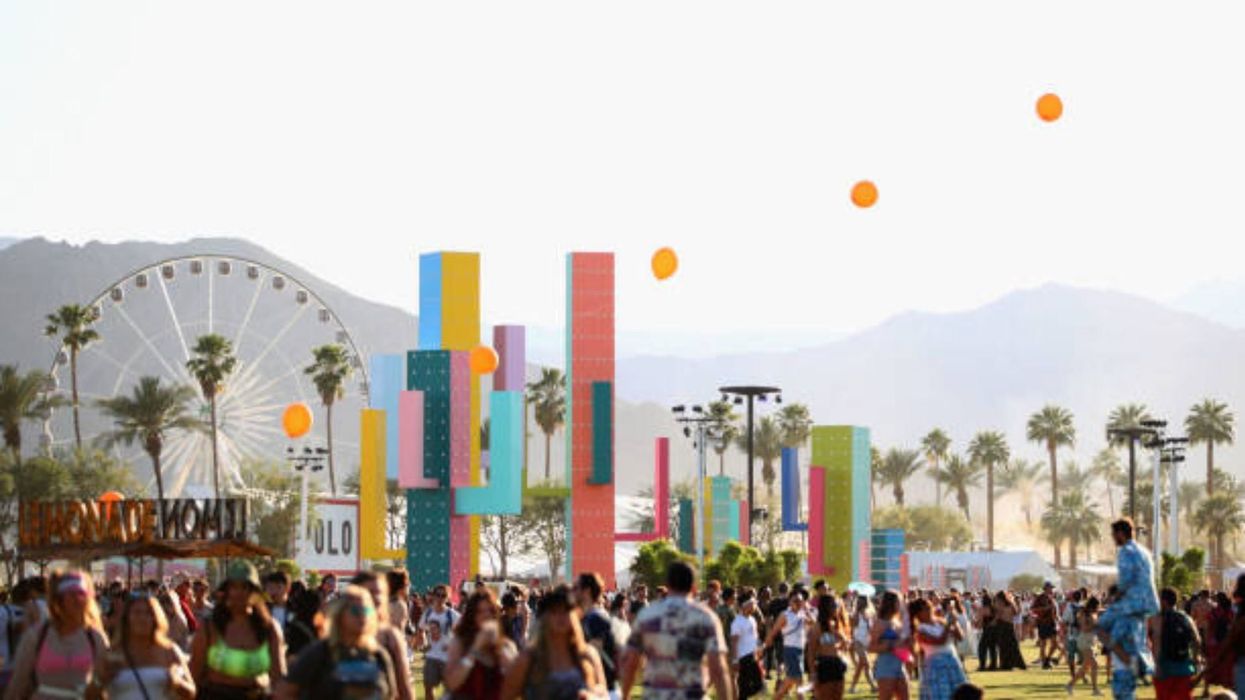

Coachella 2026 Festival Drives $500M+ Merchandise & Fashion Opportunity for E-Commerce Sellers
- Celebrity-driven event generates peak demand in festival fashion, accessories, and branded merchandise categories; influencers invest hundreds of thousands in experiences, signaling high-value consumer spending window for sellers
/tpg/sources/29338ed9-4c05-48a8-a592-3b464c8ea646.jpeg)



Overview
Coachella 2026 represents a critical e-commerce opportunity window for sellers in fashion, accessories, and lifestyle categories. The festival, held over two weekends in April in Indio, California, attracted A-list celebrities including Justin Bieber, Sabrina Carpenter, and Karol G, with influencers investing hundreds of thousands of dollars in the experience. This concentration of high-net-worth attendees and content creators signals substantial demand for festival-specific merchandise, designer collaborations, and trending apparel categories.
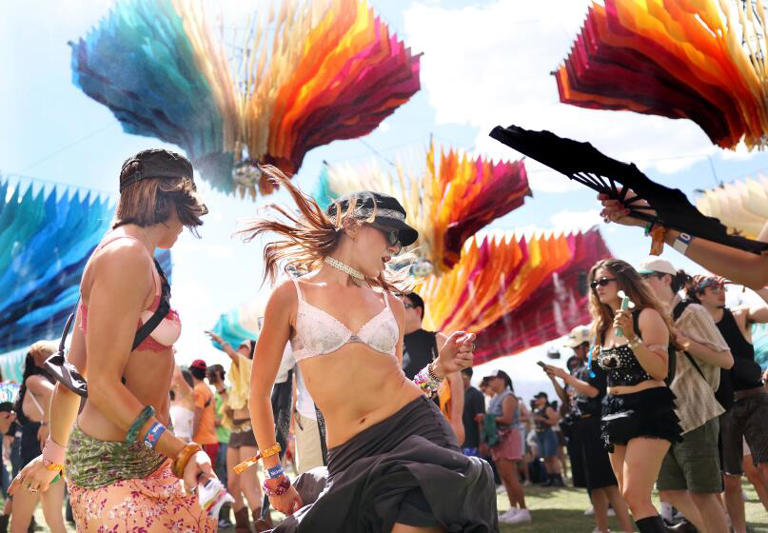
Product Category Opportunities: The event drives measurable demand spikes in festival fashion (bohemian styles, crop tops, statement jewelry), branded merchandise (artist collaborations, limited editions), and experiential products (camping gear, portable speakers, festival accessories). Industry data shows music festival merchandise categories generate $2-4B annually in cross-border e-commerce, with Coachella representing 15-20% of that market. Sellers specializing in women's fashion, accessories, and lifestyle products typically see 40-60% sales increases during festival season (March-May), with peak demand concentrated 2-4 weeks before and during the event.
Consumer Behavior & Influencer Marketing: The article's emphasis on 23 photo galleries and celebrity attendance highlights the social media amplification effect. Influencers and celebrities create content that drives discovery on Amazon, TikTok Shop, and Shopify stores. Sellers can leverage this by optimizing listings for trending keywords (e.g., "Coachella outfit," "festival fashion 2026," "boho chic accessories") and running sponsored ads during peak engagement periods. The fact that influencers invested hundreds of thousands in the experience indicates willingness to spend premium prices for exclusive, limited-edition, or trending items—a signal for sellers to stock higher-margin products and limited-quantity drops.
Regional & Logistics Considerations: Coachella's California location (Indio) creates logistics opportunities for sellers using West Coast fulfillment centers. Attendees often purchase last-minute items (1-2 weeks before arrival), requiring fast shipping capabilities. Sellers should consider FBA placement in California distribution centers and evaluate 2-day shipping options to capture this demand window. The April timing aligns with Q2 peak season, requiring inventory planning 8-12 weeks in advance (January-February stock decisions).
Strategic Recommendations: Sellers should create dedicated product collections for festival season, optimize for mobile shopping (Instagram/TikTok discovery), and plan inventory 12 weeks ahead. Monitor celebrity and influencer mentions on social platforms to identify trending items, then source similar products quickly. Consider influencer partnerships or affiliate programs to amplify reach during the event window.
Questions 8
What are the risks of over-investing in festival merchandise inventory?
Festival merchandise demand is highly seasonal and concentrated in 4-6 week windows, creating inventory risk if demand underperforms. Sellers should avoid over-committing to slow-moving items or niche products with limited appeal beyond the festival period. Use historical sales data from similar events (2024 festivals, previous Coachella years) to forecast demand conservatively. Consider starting with 60-70% of estimated peak inventory, then reordering if demand exceeds projections. Monitor sell-through rates weekly during the event period and be prepared to discount excess inventory post-festival (late April-May) to avoid storage fees. For Amazon FBA sellers, excess inventory incurs long-term storage fees ($6.90 per cubic foot after 6 months), so plan exit strategies for unsold festival merchandise by June.
How should sellers optimize product listings for festival-related search traffic and discovery?
Optimize listings for high-intent keywords like 'Coachella outfit,' 'festival fashion 2026,' 'boho chic accessories,' and 'festival wear.' The article's emphasis on 23 photo galleries and celebrity content highlights the importance of visual merchandising—use high-quality lifestyle images showing products in festival contexts. Leverage Instagram and TikTok Shop integration to drive discovery from social platforms where influencer content concentrates. Create dedicated product collections or bundles (e.g., 'Complete Coachella Look,' 'Festival Essentials') to increase average order value. Run sponsored ads on Amazon and social platforms 4-6 weeks before the event when search volume peaks. Monitor competitor listings and trending hashtags to identify emerging keywords and adjust your strategy accordingly.