


Fed's Delicate Dance: Trump's Pressure Meets Powell's Economic Caution
- Monetary policy tensions reveal deeper economic strategy conflicts between White House and Federal Reserve














Overview
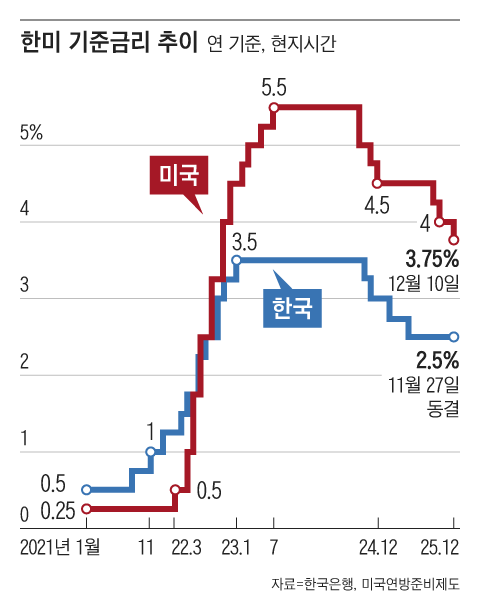
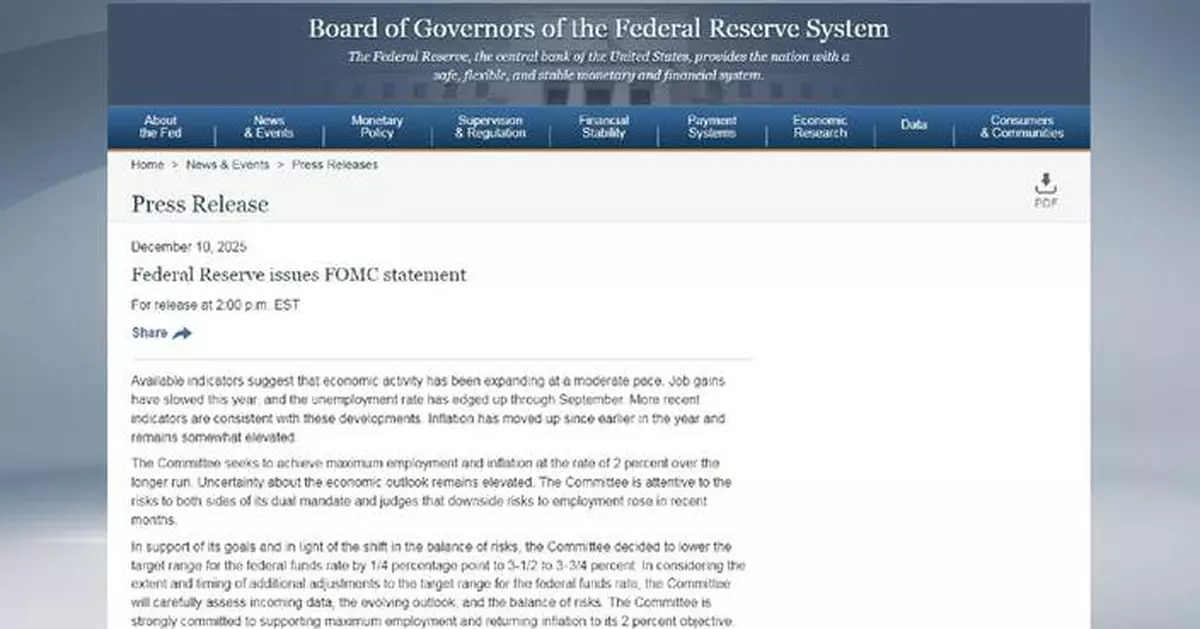
The Federal Reserve's latest quarter-point interest rate cut represents more than a routine monetary adjustment—it's a high-stakes strategic maneuver at the intersection of economic policy and political pressure. With this being the third rate cut of the year, the decision highlights the complex tensions between presidential expectations and central bank independence.
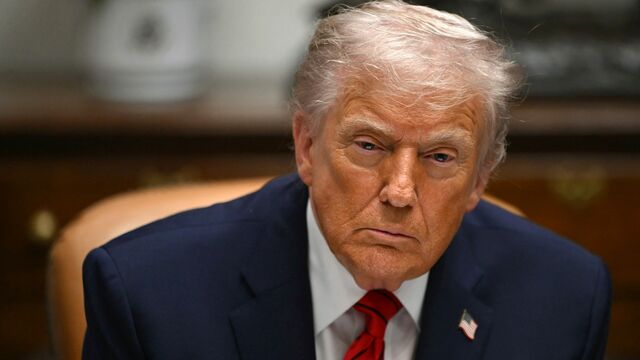
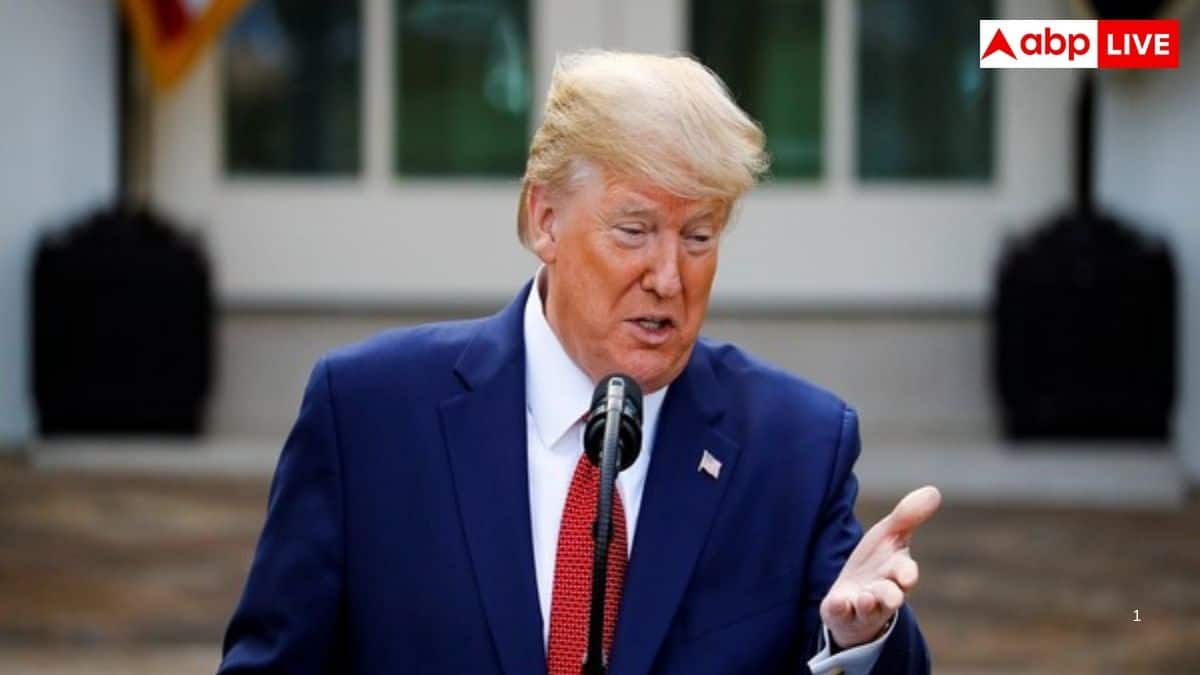
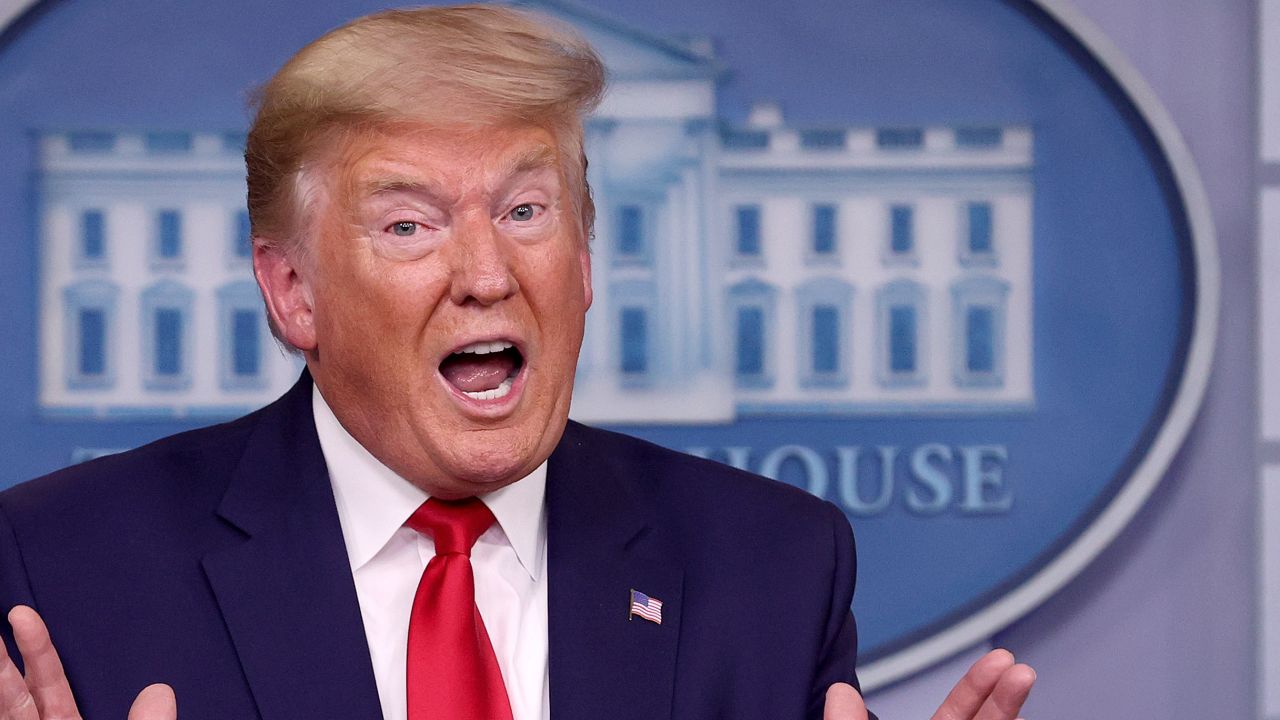
Monetary Policy Battleground: President Trump's aggressive critique of Fed Chair Jerome Powell exposes a fundamental disagreement about economic stimulus strategies. Trump's public demand that the rate cut should have been "at least doubled" reveals a stark contrast in economic philosophy. Powell's measured approach—acknowledging the cut provides room to "wait and see how the economy evolves"—demonstrates a more cautious monetary management perspective.
The underlying economic dynamics are particularly nuanced. Powell directly attributed recent inflation increases to Trump's tariff policies, noting goods inflation has picked up, reflecting direct trade policy impacts. This attribution is crucial, as it suggests the Fed views presidential trade strategies as a significant economic lever, not just a peripheral factor. The fact that two Fed committee members preferred maintaining current rates underscores the delicate balance between stimulating growth and preventing potential economic overheating.
Trump's potential plans to interview Kevin Warsh as a potential Powell successor further amplify the political pressure on monetary policy. By seeking a Fed chair who will be "honest with interest rates," the administration is essentially attempting to reshape the institutional approach to economic management. This strategic maneuvering reveals a deeper conflict: the traditional independence of the Federal Reserve versus direct executive branch influence.
For financial strategists and investors, these developments signal a critical inflection point. The quarter-percentage-point reduction, seemingly modest, carries significant implications for capital allocation, investment strategies, and cross-border financial planning. The ongoing tension between presidential economic vision and central bank independence creates an environment of calculated uncertainty—where policy decisions are as much about political signaling as pure economic optimization.
Questions 3
Why did the Federal Reserve cut interest rates by only 0.25%?
The Fed's quarter-point cut reflects a cautious approach to economic management. With mixed signals in the economy and two committee members preferring to maintain current rates, Powell is balancing potential growth stimulation against risks of economic overheating.
How are Trump's tariff policies impacting Federal Reserve decisions?
Powell directly linked recent inflation increases to Trump's tariff policies, indicating that trade tensions are creating measurable economic distortions. This suggests trade strategies are now a critical consideration in monetary policy formulation.