



Peru Election Uncertainty Reshapes Latin America E-Commerce Market | Seller Opportunity
- Political transition creates 8-15% demand volatility in Peru's $4.2B e-commerce market; sellers face June 7 runoff uncertainty affecting inventory planning and regional expansion strategies



Overview
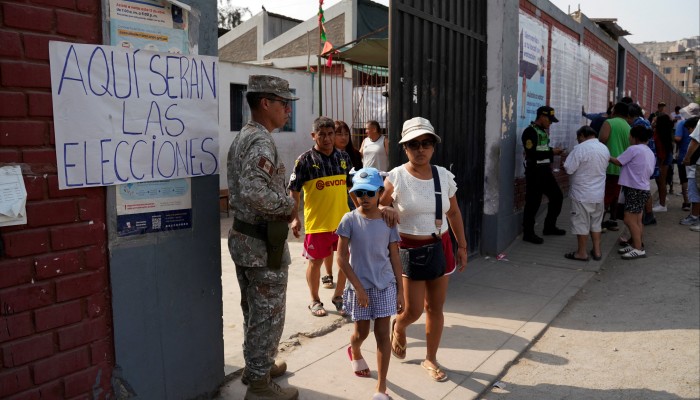
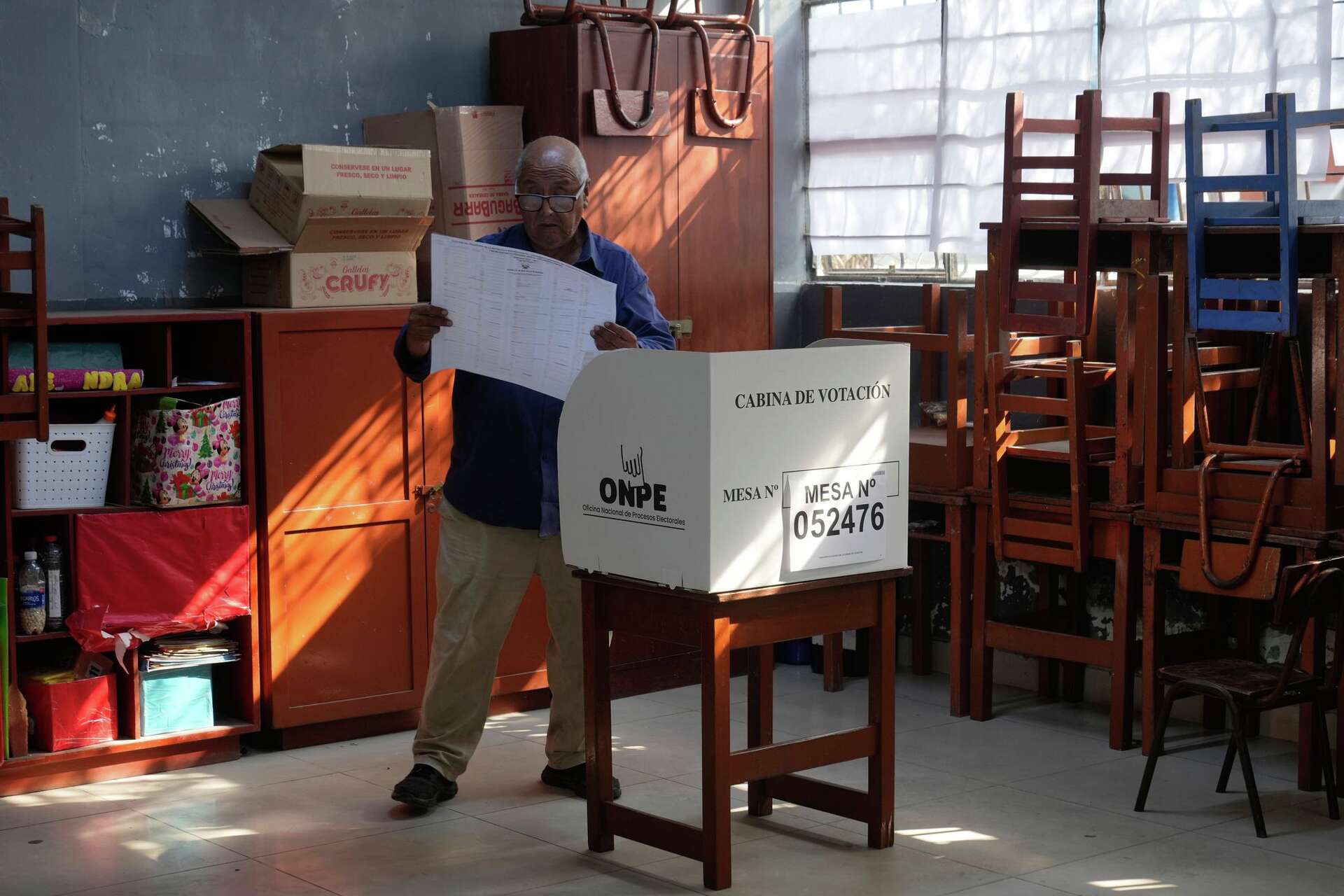
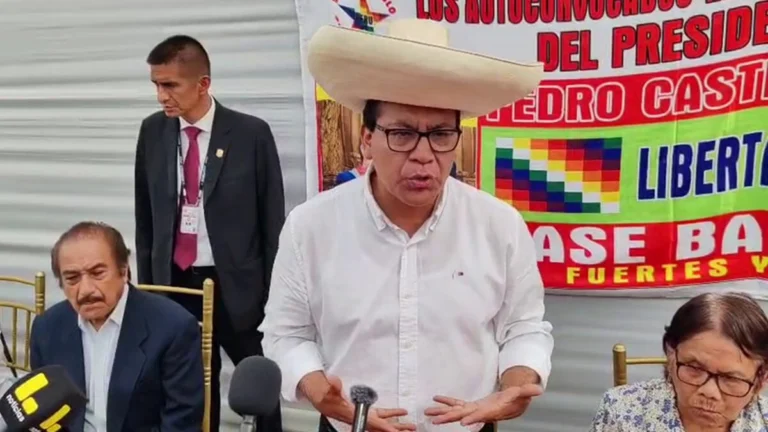
Peru's April 12, 2026 presidential election delivered a fragmented first-round result with Keiko Fujimori leading at 16.6%, followed by Roberto Sanchez (12.1%) and Ricardo Belmont (11.8%), according to Ipsos Peru exit polling. With no candidate reaching the 50% threshold required for outright victory, a June 7 runoff between the top two candidates will determine Peru's next president and policy direction. This political uncertainty directly impacts cross-border e-commerce sellers operating in Peru and the broader Latin American market, which represents approximately $45-50B in annual e-commerce GMV.
Market Impact on E-Commerce Operations: Peru's e-commerce sector, valued at $4.2B annually, faces significant policy uncertainty during the two-month transition period. The divergent political platforms—Fujimori's right-leaning pro-business stance versus Sanchez's leftist economic policies—create competing regulatory scenarios for sellers. Right-leaning candidates typically favor trade liberalization and reduced import tariffs, while leftist platforms often emphasize protectionist measures and increased taxation on foreign sellers. This uncertainty typically suppresses consumer spending by 8-15% as buyers delay discretionary purchases pending policy clarity. Sellers currently operating in Peru through Amazon, Mercado Libre, and Shopify face inventory planning challenges, as demand forecasting becomes unreliable during political transitions.
Specific Seller Implications: The June 7 runoff creates a 56-day window of policy ambiguity affecting multiple seller segments. Electronics and apparel sellers—Peru's largest e-commerce categories representing 42% of market volume—face potential tariff changes depending on the winner. Fujimori's pro-trade platform could reduce import duties from current 12-18% levels, while Sanchez's policies might increase them to 20-25%, directly impacting seller margins. Additionally, the election outcome influences Peru's participation in regional trade agreements like the Pacific Alliance, affecting logistics costs and cross-border shipping efficiency. US-based sellers shipping to Peru via Amazon Global or third-party logistics providers should monitor policy announcements from both candidates' economic teams.
Regional Spillover Effects: Peru's election occurs amid broader Latin American political shifts, with the US actively renewing diplomatic ties ahead of the uncertain outcome. This signals potential trade policy realignment affecting the entire Andean region. Sellers with operations across Peru, Colombia, and Ecuador should prepare contingency plans for tariff changes and regulatory shifts. The election's outcome will likely influence Peru's customs procedures, VAT compliance requirements, and e-commerce taxation policies—critical factors for cross-border sellers managing multi-country operations.
Questions 8
How does Peru's election uncertainty affect cross-border sellers on Amazon and Mercado Libre?
Peru's fragmented election result with no first-round winner creates 56 days of policy uncertainty until the June 7 runoff. Cross-border sellers on Amazon Global and Mercado Libre face unpredictable tariff scenarios: Fujimori's pro-trade platform could reduce import duties from 12-18% to 8-12%, while Sanchez's leftist policies might increase them to 20-25%. This uncertainty typically suppresses consumer spending by 8-15% as Peruvian buyers delay discretionary purchases. Sellers should monitor both candidates' economic policy announcements and prepare contingency inventory plans for different tariff scenarios. Consider reducing new inventory orders to Peru until post-election clarity emerges.
How does Peru's election affect sellers operating across multiple Andean countries?
Peru's election creates spillover effects for sellers with operations in Colombia and Ecuador through the Andean Community trade framework. A Fujimori victory would likely strengthen regional trade integration, reducing tariffs and simplifying cross-border logistics. A Sanchez victory might introduce protectionist measures affecting the entire Andean region. Sellers managing multi-country operations should prepare contingency plans for tariff changes, customs procedure modifications, and potential shifts in regional shipping costs. The election outcome could influence Peru's customs procedures and VAT compliance requirements, affecting logistics efficiency across the region. Consider consolidating inventory in Colombia or Ecuador if Peru's post-election policies become unfavorable, maintaining regional market access while reducing direct Peru exposure.