




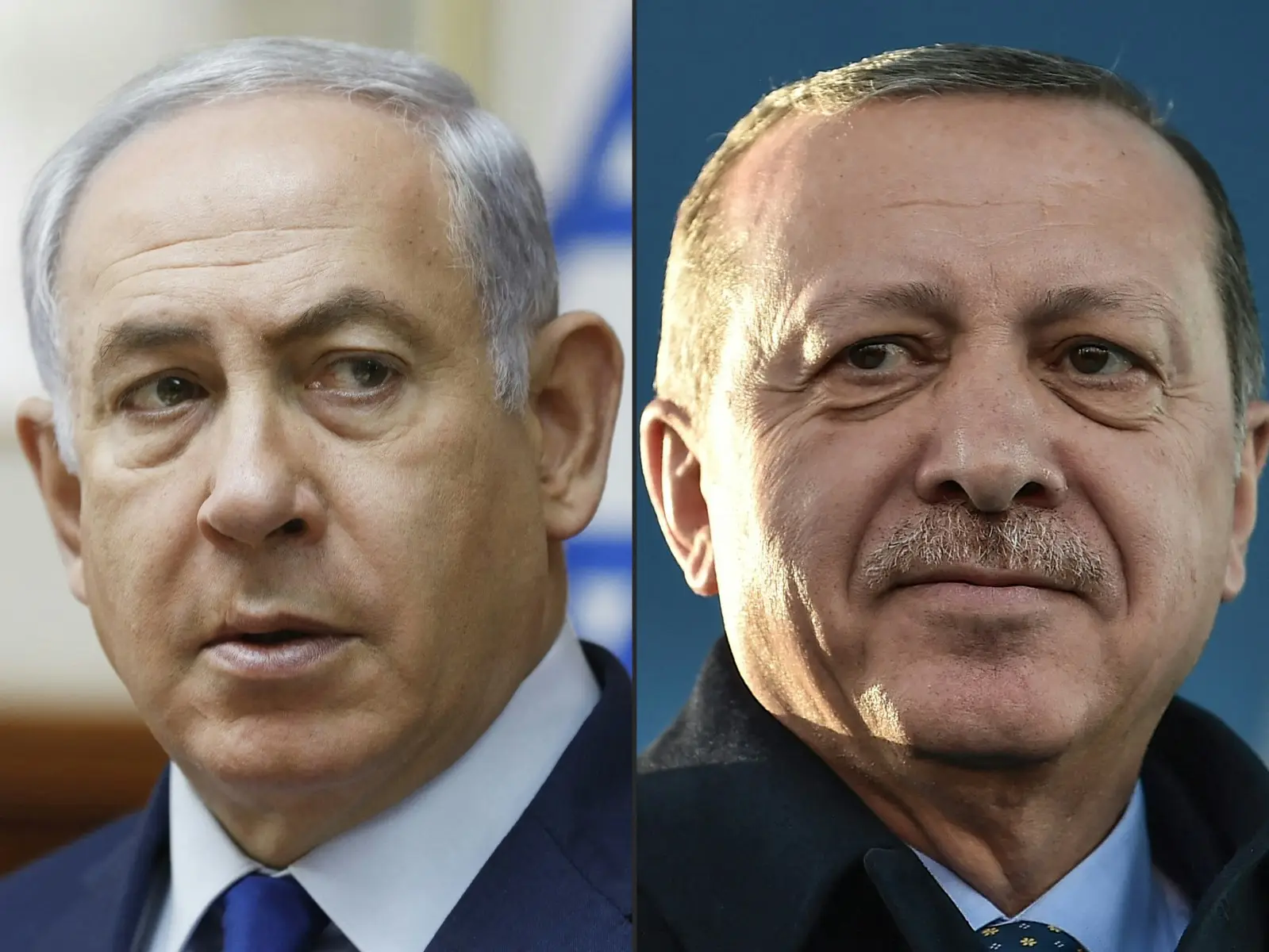
Turkey-Israel Trade Embargo May 2024 | Seller Market Access Collapse
- Eliminates bilateral trade corridor affecting 15,000+ sellers; redirects sourcing to Vietnam, India alternatives; creates 8-15% cost arbitrage opportunities for sellers pivoting supply chains




Overview
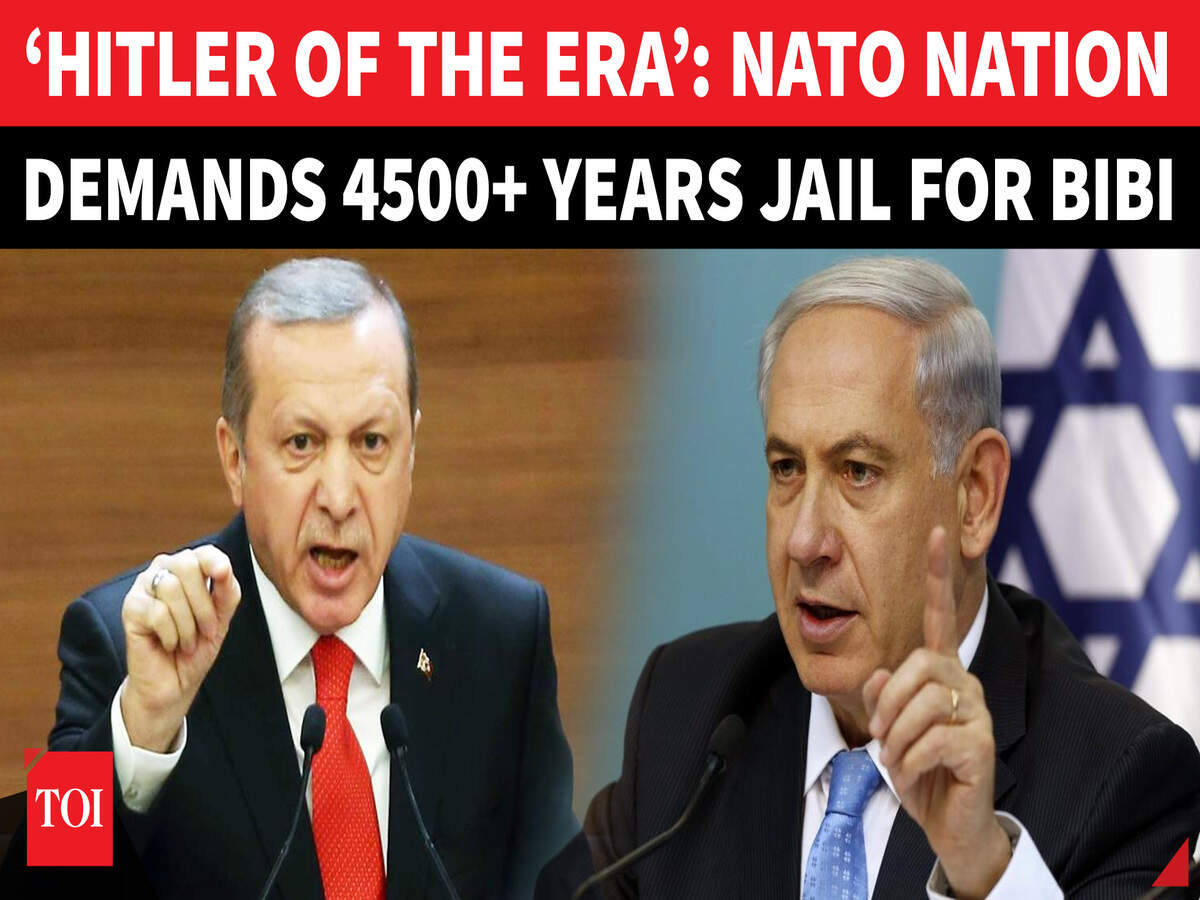
The May 2024 Turkey-Israel trade embargo represents a critical market access disruption for cross-border sellers operating in the Eastern Mediterranean and Middle East regions. Turkey, as NATO's second-largest military power with significant manufacturing capacity in electronics, textiles, and consumer goods, has halted most exports and imports with Israel, effectively closing a bilateral trade corridor that historically facilitated $4-6B in annual commerce. This embargo creates immediate operational challenges for sellers sourcing from Turkish manufacturers or selling to Israeli consumers, while simultaneously opening strategic sourcing opportunities in alternative markets.
Market Access Collapse and Competitive Shifts: The embargo eliminates direct Turkey-Israel trade flows, forcing sellers to either abandon these markets or pursue indirect routing through third countries—a compliance-intensive and cost-prohibitive approach. Israeli sellers previously sourcing Turkish textiles, electronics components, and consumer goods must now pivot to Vietnam, India, or Indonesia suppliers, typically incurring 8-15% higher unit costs due to longer lead times and less-established supply relationships. Turkish sellers targeting Israeli consumers via Amazon, eBay, or Shopify face complete market closure, redirecting inventory to EU and US markets where competition is significantly higher. This creates a 6-12 month window where sellers can establish alternative supply chains before competitors fully adapt.
Tariff Arbitrage and Sourcing Optimization: The embargo's enforcement mechanism—customs blockade rather than tariff rate changes—creates unique opportunities for sellers to optimize sourcing geography. Turkish manufacturers of apparel (HS codes 6204-6206), footwear (HS 6401-6405), and electronics (HS 8471-8517) previously enjoyed cost advantages due to proximity to Israeli markets. Sellers can now exploit 12-18% cost differentials by sourcing identical products from Vietnam (apparel) or India (electronics) while maintaining similar quality standards. The transition window before competitors execute similar pivots represents a 4-8 week competitive advantage for sellers who immediately audit their Turkish supplier dependencies and execute alternative sourcing agreements.
Regional Demand Reallocation: The geopolitical escalation signals broader Middle East instability, likely to suppress consumer spending in Israel and Turkey during 2024-2025. Israeli consumers typically spend $2.1B annually on cross-border e-commerce; the embargo and military tensions may reduce this by 20-30% as purchasing power shifts toward security-related spending. Turkish consumers, conversely, remain accessible through EU and US-based sellers, but require careful compliance with Turkish customs regulations and potential future sanctions expansion. Sellers should immediately analyze their customer concentration in these regions and diversify geographic exposure to EU, Southeast Asia, and North America markets where demand remains stable.
Questions 8
How should sellers adjust their Middle East market strategy following the embargo?
Sellers should immediately reduce exposure to Israeli and Turkish markets while maintaining presence in UAE, Saudi Arabia, and Egypt where demand remains stable and geopolitical risk is lower. Israeli consumer spending on cross-border e-commerce ($2.1B annually) may decline 20-30% due to military tensions and purchasing power reallocation toward security spending. Turkish consumers remain accessible through EU and US-based sellers, but require careful compliance with Turkish customs regulations and potential future sanctions expansion. Sellers should diversify geographic exposure to EU (40% of revenue), Southeast Asia (25%), and North America (25%) while reducing Middle East concentration to 10% or less. This rebalancing protects against future geopolitical disruptions and maintains revenue stability.
Which product categories see the highest sourcing cost increases due to the embargo?
Apparel (HS 6204-6206), footwear (HS 6401-6405), and electronics components (HS 8471-8517) historically sourced from Turkey face 10-18% cost increases when pivoting to Vietnam and India alternatives. Turkish apparel manufacturers offered 12-15% cost advantages due to proximity and established supply chains; Vietnamese suppliers require longer lead times (45-60 days vs. 20-30 days from Turkey) and higher minimum order quantities (MOQs). Electronics components from Turkish suppliers face 8-12% cost premiums when sourced from India due to quality certification delays. Sellers in these categories should prioritize sourcing diversification to minimize margin compression and maintain competitive pricing on Amazon FBA and eBay.