


Strait of Hormuz Blockade Disrupts Global Supply Chains | Cross-Border Sellers Face 8-15% Shipping Cost Surge
- Naval blockade threatens 20-21% of global maritime oil trade; shipping insurance premiums spike; Asia-to-US/EU sellers experience 3-5 week transit delays












Overview
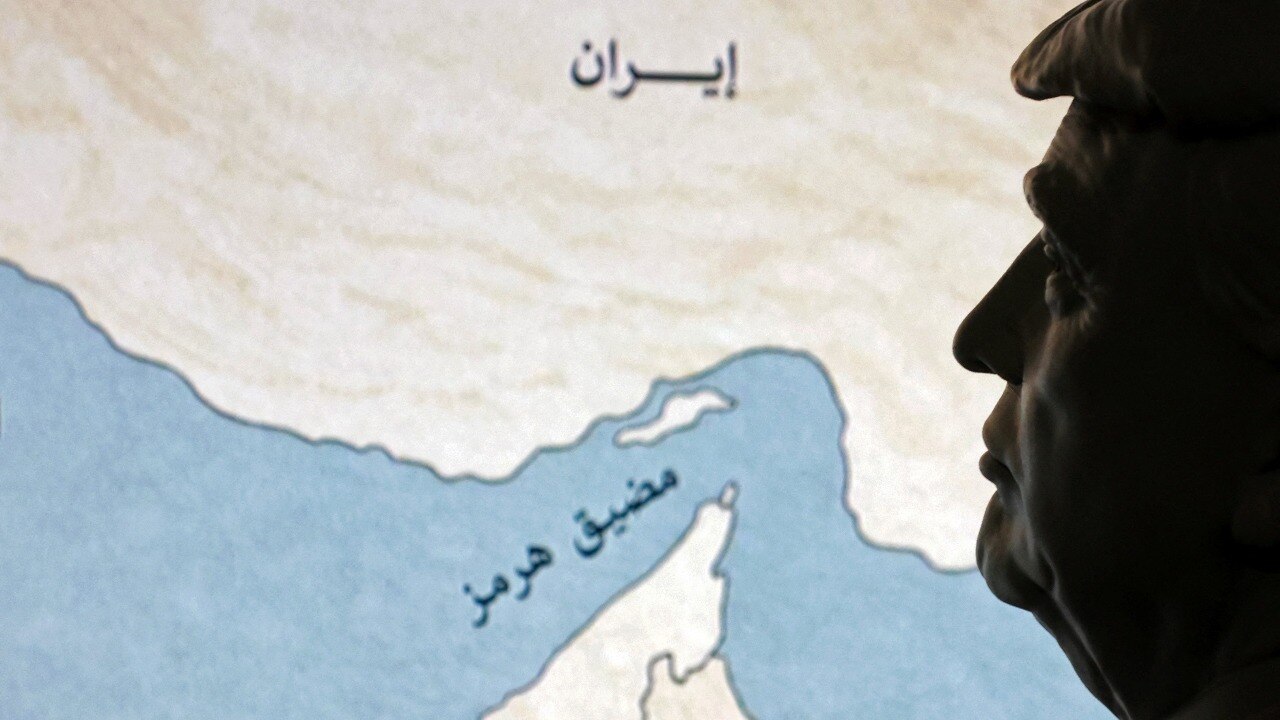
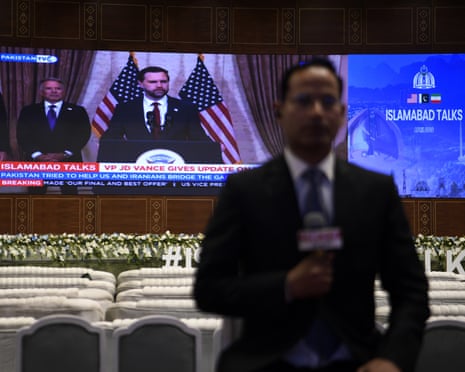
The failed U.S.-Iran nuclear negotiations in Islamabad on April 12, 2026, led by Vice President JD Vance, have triggered a critical supply chain crisis for cross-border e-commerce sellers. Following 21 hours of unresolved talks, the Trump administration announced a naval blockade of Iran and the Strait of Hormuz—a waterway carrying approximately 20-21% of global maritime oil supplies and 20-30% of world maritime oil trade. This geopolitical escalation directly impacts e-commerce logistics costs, shipping timelines, and operational expenses for sellers engaged in international trade.
Immediate Supply Chain Impact: The blockade creates a critical chokepoint for goods transiting between Asia and Western markets. Sellers shipping electronics, apparel, home goods, and consumer products from China, Vietnam, India, and other Asian manufacturers now face three operational challenges: (1) Rerouting vessels around Africa's Cape of Good Hope adds 10-14 additional shipping days and increases fuel consumption by 25-35%, translating to $400-800 per 40-foot container cost increases; (2) Shipping insurance premiums have surged 8-15% due to heightened maritime risk and potential military escalation; (3) Port congestion in alternative routes (Suez Canal alternatives, Indian Ocean ports) creates 3-5 week delays beyond normal transit times.
Tariff and Trade Policy Implications: The blockade represents an economic sanctions strategy rather than military intervention, signaling the Trump administration's shift toward trade-based coercion. This creates unpredictable tariff environments for sellers. The news indicates China and Iran have "weaponized global economic systems," suggesting potential retaliatory trade measures affecting tariff classifications, duty rates, and customs clearance timelines. Sellers importing from China face compounding pressures: existing tariff uncertainty plus new logistics costs. The ceasefire was set to expire within one week of the April 12 announcement, indicating an extremely narrow window for policy stabilization.
Competitive Advantage Shifts: Large sellers with diversified sourcing networks and established 3PL relationships can absorb 8-15% cost increases through margin compression or price increases. Small and medium sellers (SMBs) with single-source Asian suppliers face existential margin pressure. Sellers already positioned in nearshoring corridors (Mexico, Central America for US market; Eastern Europe for EU market) gain competitive advantages as their shipping costs remain stable. Sellers specializing in high-margin categories (electronics, luxury goods, collectibles) can pass costs to consumers; low-margin categories (apparel, home goods, bulk items) face severe profitability compression.
Strategic Sourcing Opportunities: The blockade accelerates existing nearshoring trends. Sellers should evaluate sourcing diversification: Vietnam and India gain attractiveness as alternatives to China for apparel and electronics, though they also transit through affected waters. Mexico and Central America become strategically valuable for US-bound inventory. The policy window is extremely time-sensitive—sellers must execute sourcing changes within 30-60 days before alternative routes become saturated and costs spike further.
Questions 8
What compliance and documentation changes do sellers need for alternative shipping routes?
Rerouting around Africa's Cape of Good Hope requires updated customs documentation, bill of lading modifications, and port-of-call changes. Sellers must verify that alternative routes don't trigger additional tariff classifications or duty assessments. Insurance documentation must reflect new routing and extended transit times. Some sellers may need to update product certifications or compliance documentation if goods transit through different ports with varying inspection standards. Sellers should consult with customs brokers and 3PL providers immediately to understand documentation requirements for alternative routes. The news indicates customs clearance timelines may extend due to port congestion, requiring sellers to build additional buffer time into inventory planning and cash flow forecasting.
How long will the Strait of Hormuz blockade remain in effect?
The news indicates the ceasefire was set to expire within one week of the April 12, 2026 announcement, creating extreme uncertainty about blockade duration. The Trump administration announced the blockade as an 'economic pressure strategy' following failed nuclear negotiations, suggesting it will persist until Iran concedes on nuclear weapons development and Strait control. Expert assessment indicates the region faces 'potential military escalation,' with both nations believing they hold strategic advantages and reducing compromise prospects. Sellers should plan for 6-12 month minimum disruption and prepare contingency strategies for extended blockade scenarios. The narrow policy window and erratic Iranian decision-making (per the news) suggest rapid escalation is possible, making supply chain resilience critical.