
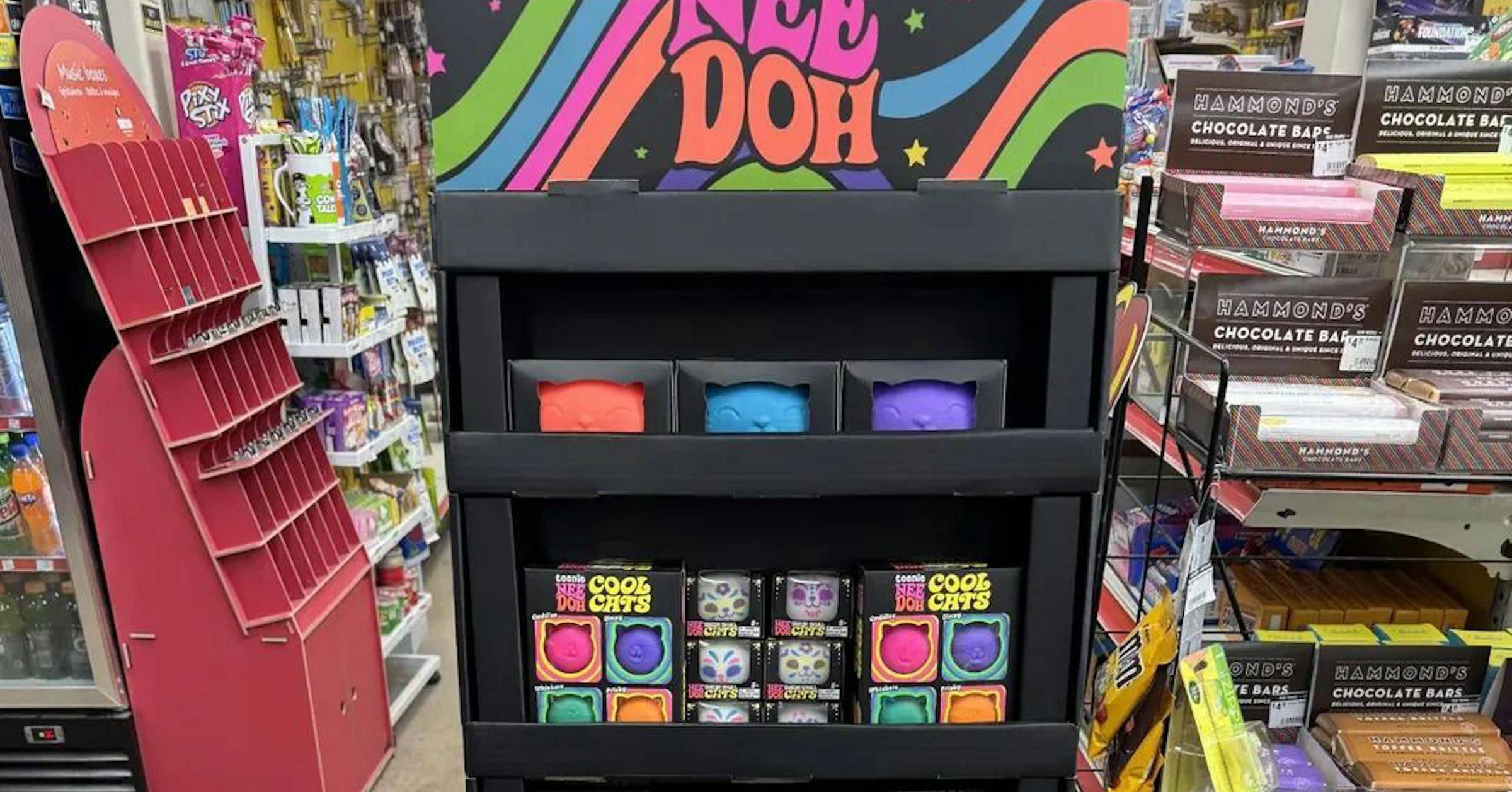
NeeDoh Viral Trend Drives Toy Category Shortage | Seller Opportunity Window
- TikTok-driven demand creates 48-hour sellouts; 8-10 week supply delays unlock alternative product opportunities for cross-border sellers through June 2026
Overview
The NeeDoh squishy toy phenomenon represents a critical market opportunity window for cross-border e-commerce sellers in the fidget toy and stress-relief product categories. Starting in winter 2026, TikTok content creators catalyzed unprecedented demand for NeeDoh products manufactured by Massachusetts-based Schylling, with retailers reporting complete inventory depletion within hours of receiving shipments. Mischief Toys in St. Paul sold its entire annual NeeDoh inventory in just 48 hours following a late March announcement, while Hub Hobby locations cannot maintain stock for more than four hours. This mirrors the 1990s Beanie Babies craze but with critical differences: demand has expanded beyond traditional tween/teen demographics to include consumers in their 20s and 30s, indicating broader adult market penetration for stress-relief products.
The supply chain constraint creates immediate seller opportunities. Suppliers are currently 8-10 weeks behind on shipping, with most vendors unable to fulfill orders until June 2026. This supply gap has driven increased competition among alternative squishy toy brands, creating a direct market opening for sellers offering comparable fidget toys, stress-relief products, and sensory toys. Cross-border sellers can capitalize on this shortage by sourcing similar products from Asian manufacturers (particularly China and Vietnam, which dominate fidget toy production) and listing on Amazon, eBay, Shopify, and Walmart Marketplace where demand signals are strongest. The trend demonstrates the powerful influence of social media on retail inventory management—retailers are actively updating social media channels to announce shipment arrivals, indicating that TikTok and Instagram marketing directly drives purchasing behavior and creates viral demand spikes.
For cross-border sellers, the operational implications are significant. Purchase limits implemented by major retailers indicate scarcity-driven consumer behavior, which typically sustains for 8-16 weeks before market saturation. Sellers should prioritize inventory acquisition immediately, as the June 2026 fulfillment window represents the peak demand period. The demographic expansion to adults aged 20-30 suggests higher average order values and repeat purchase potential compared to traditional toy categories. However, sellers must account for 8-10 week lead times from manufacturing to retail availability, meaning sourcing decisions made in April 2026 will reach market in June-July 2026—precisely when original NeeDoh supply constraints ease. Strategic sellers should focus on differentiated alternatives (unique colors, textures, premium materials) rather than direct NeeDoh clones to avoid brand confusion and potential trademark issues while capturing demand from consumers unable to find original products.
Questions 8
Which e-commerce platforms offer the best opportunity for squishy toy sellers right now?
**Amazon FBA** offers the fastest path to scale with built-in logistics and Prime eligibility, critical for capturing impulse purchases driven by viral trends. **eBay** provides auction and collectible positioning, appealing to collectors actively hunting for rare variants. **Shopify** enables direct-to-consumer marketing with full brand control and higher margins. **Walmart Marketplace** reaches price-sensitive consumers and offers competitive advantage through lower fees. Cross-border sellers should list simultaneously across all four platforms to maximize reach. Prioritize Amazon FBA for volume and Shopify for margin optimization, as viral trends typically show 60-70% of sales concentrated on the largest marketplace.
What are the risks of sourcing NeeDoh clones versus differentiated alternatives?
Direct NeeDoh clones carry trademark and intellectual property risks, including potential **Amazon listing suspension, eBay account restrictions, and legal action** from Schylling. Differentiated alternatives with unique colors, textures, and premium materials avoid brand confusion while capturing demand from consumers unable to find original products. Sellers should focus on stress-relief positioning, wellness benefits, and adult market targeting rather than competing directly on brand recognition. This strategy reduces legal risk while establishing sustainable competitive advantage as the market matures beyond the initial viral phase.